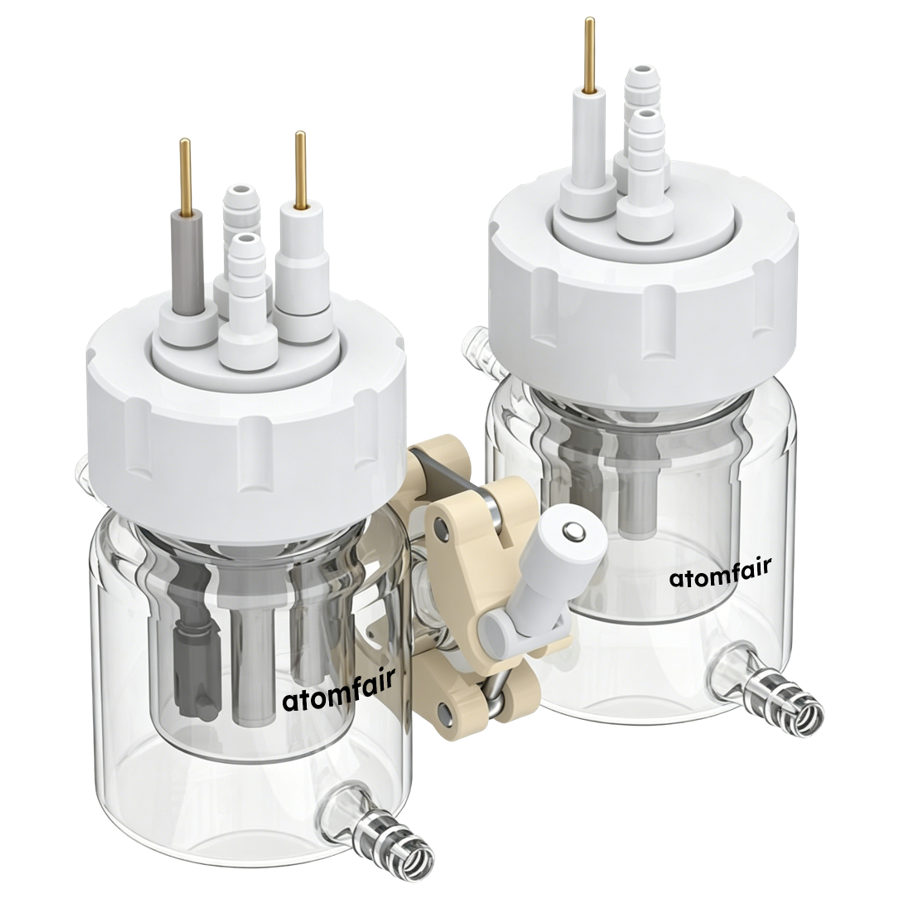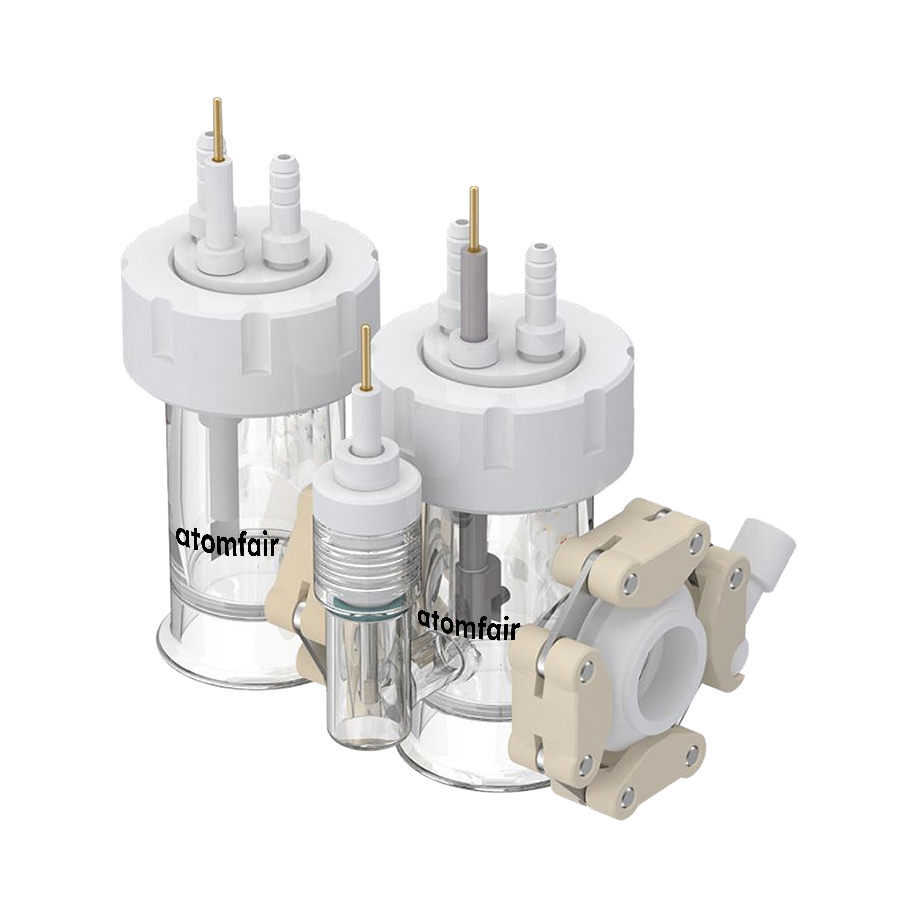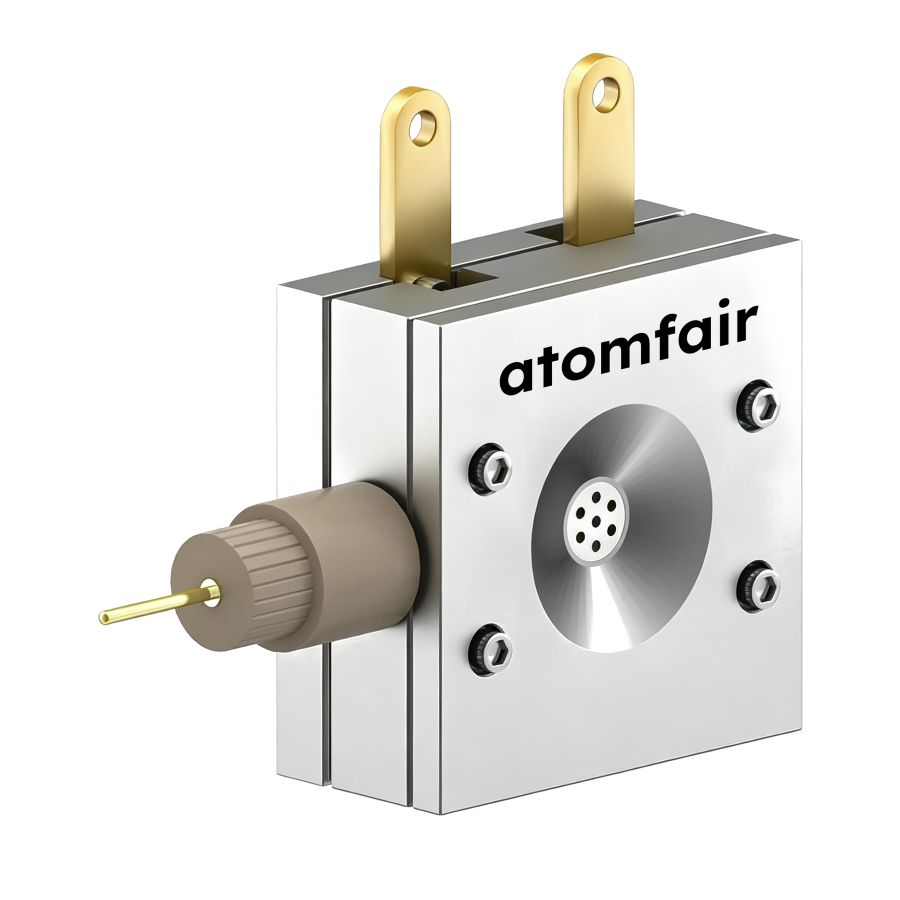
In-situ Raman Three-Electrode Battery Test CellProduct Type: In-situ battery test cell
Research-grade laboratory product
|
|||||||||||||||||||||
|
|||||||||||||||||||||
|
LABORATORY PROCUREMENT SUPPORT
For model selection, technical compatibility or configuration confirmation, contact our technical sales team.
E-MAIL: inquiry@atomfair.com
|
|||||||||||||||||||||
|
Manufacturer: Atomfair LLC LLC
Brand: ATOMFAIR®
|
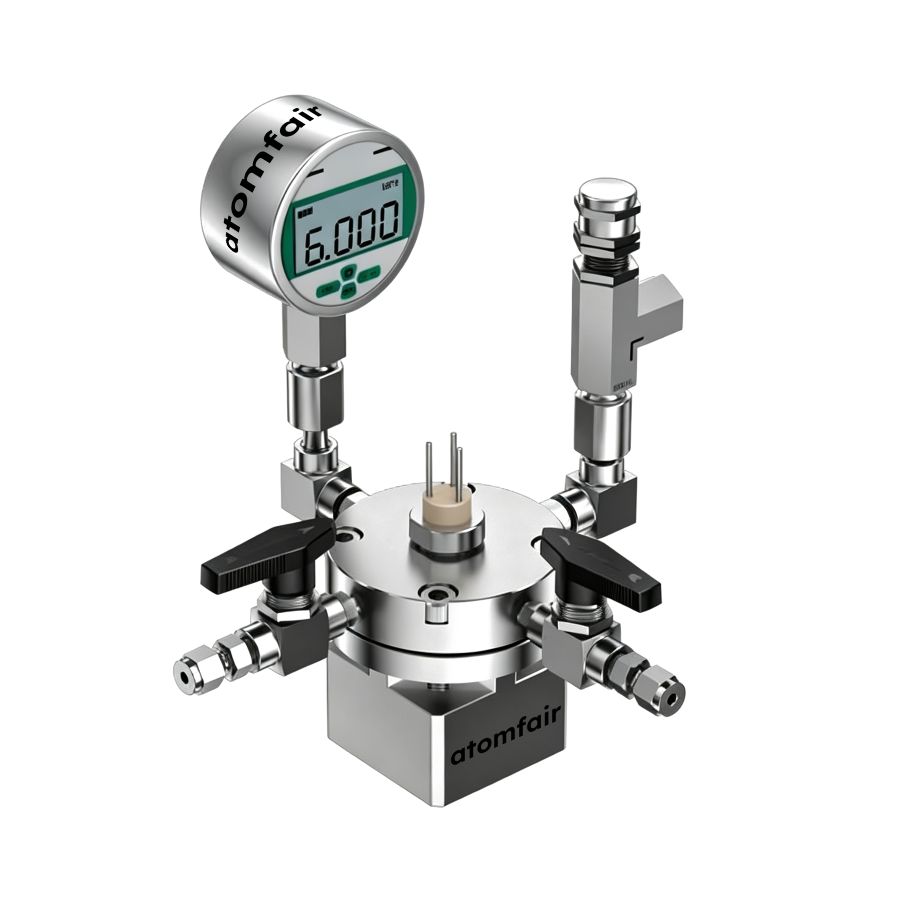
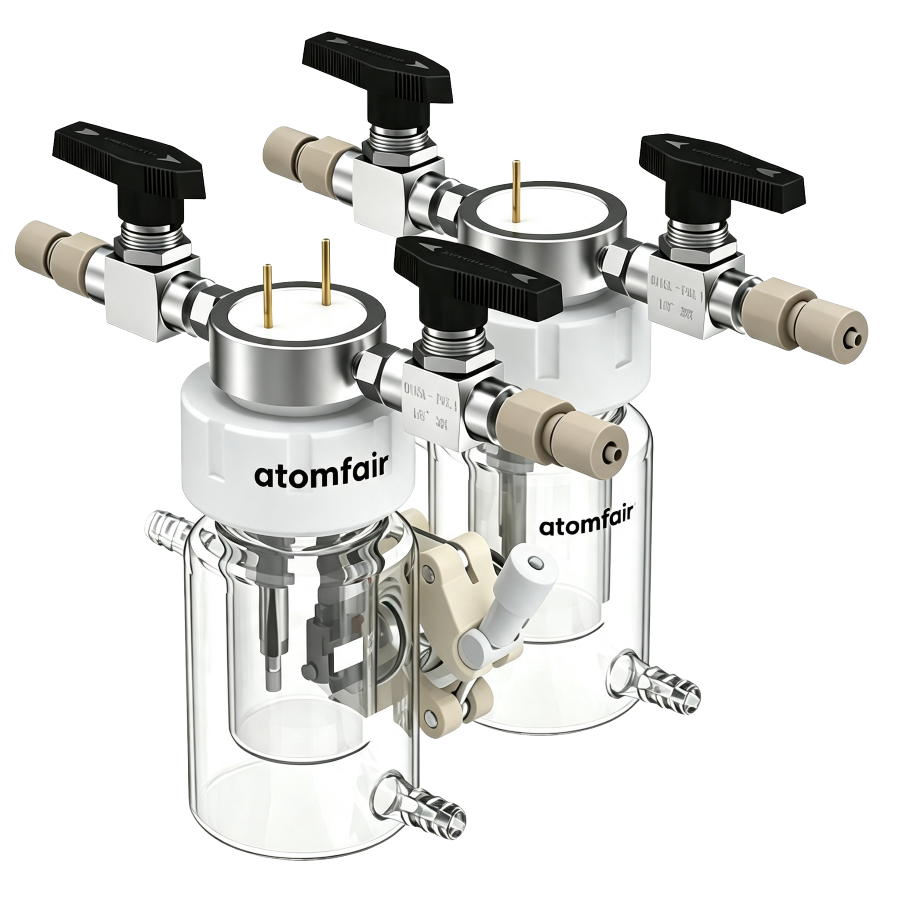
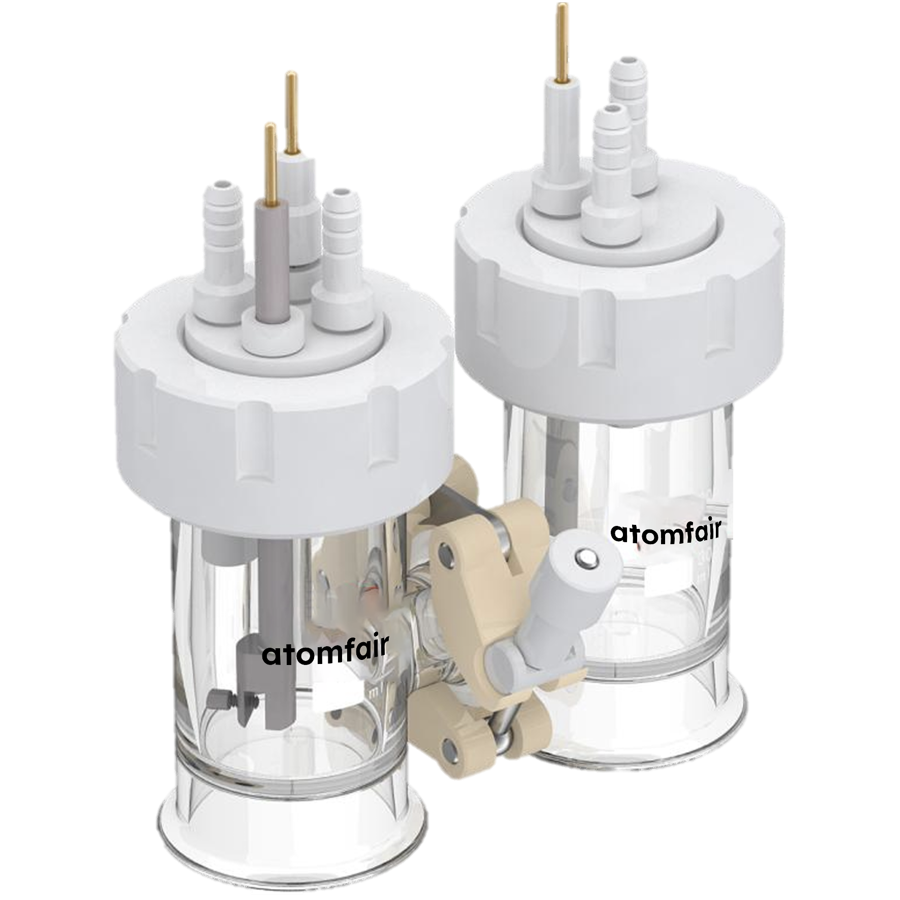
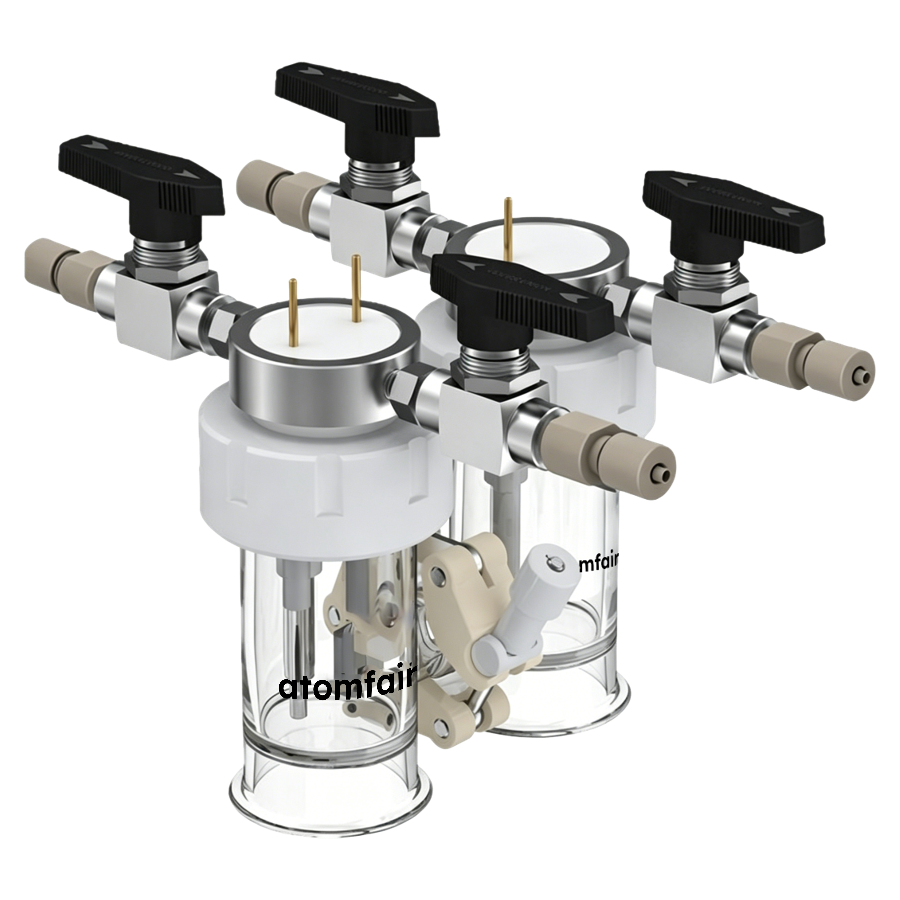
Proper assembly requires working electrode-to-window distance under 2 mm to achieve Raman signal. Electrode, membrane, and window materials must be selected for compatibility with the cell configuration.
- Electrode and Membrane Compatibility: The cell requires validation of electrode dimensions and membrane type against the standard configuration; non-standard sizes necessitate custom ordering.
- Optical Window Alignment: The working electrode must be placed within 2 mm of the 8 mm diameter optical window to ensure adequate Raman signal collection.
How does adding a reference electrode alter the optical performance of the in-situ Raman test cell?
The three-electrode upgrade maintains a working electrode-to-window distance of less than 2 mm and uses the same compact titanium body as the two-electrode version, preserving a short optical path. This design minimizes signal distortion and keeps Raman spectral quality comparable to the two-electrode configuration, as stated in the product specifications.
What are the key dimensional and equipment constraints for integrating this three-electrode Raman cell with a standard Raman microscope?
The cell's working electrode-to-window distance is under 2 mm, requiring a Raman microscope objective with a working distance shorter than that. The optical window diameter is 8 mm, and the overall cell dimensions are 50×50×24 mm, so the microscope stage and mount must accommodate that footprint. Electrodes and windows are not included and must be separately sourced to match these dimensions.
What critical infrastructure specifications must a laboratory meet to operate the three-electrode in-situ Raman cell?
A potentiostat or galvanostat with reference electrode capability is required because the cell adds reference electrode access for three-electrode measurements. The Raman microscope objective must have a working distance significantly under 2 mm to focus through the 8 mm optical window without contacting the electrode. No specialized atmospheric control is mandated, but users should verify compatibility with their electrolyte chemistry and cell sealing practices.
This in-situ Raman three-electrode battery test cell enables simultaneous electrochemical testing and Raman spectroscopy with a short optical path (<2 mm) and a compact titanium cell, but requires separate procurement of electrodes and windows, and customization may be needed for non-standard configurations.
Positive
- Three-electrode configuration for accurate electrochemistry: Adds reference electrode access to the in-situ Raman battery test cell architecture, enabling precise potential control and reference measurements.
- Short optical distance for Raman observation: Working electrode to window distance is less than 2 mm, maintaining short optical path for efficient Raman signal collection.
Trade-offs
- Separate accessory procurement required: Electrodes, membranes, windows, and gas diffusion electrodes are not included and must be purchased separately, adding to the total system complexity.
- Customization may be needed for non-standard sizes: For non-standard electrode sizes or window materials, customization is required, which may affect lead times and compatibility with existing setups.
Every advanced material, component, equipment, and instrument in our catalog is backed by rigorous testing. We maintain strict internal quality management frameworks and align with CE conformity metrics to deliver transparent, reproducible performance data via our public open-science repository.
To request raw batch performance data, submit formal vendor registration paperwork, or execute a fast-turnaround R&D manufacturing loop, contact us at inquiry@atomfair.com.
Item is dispatched under the Atomfair Shipping & Delivery Framework (Free worldwide shipping on orders over $59 USD excl. heavy equipment). Return is governed by the Atomfair Return & Refund Policy (7-day technical return window).