|
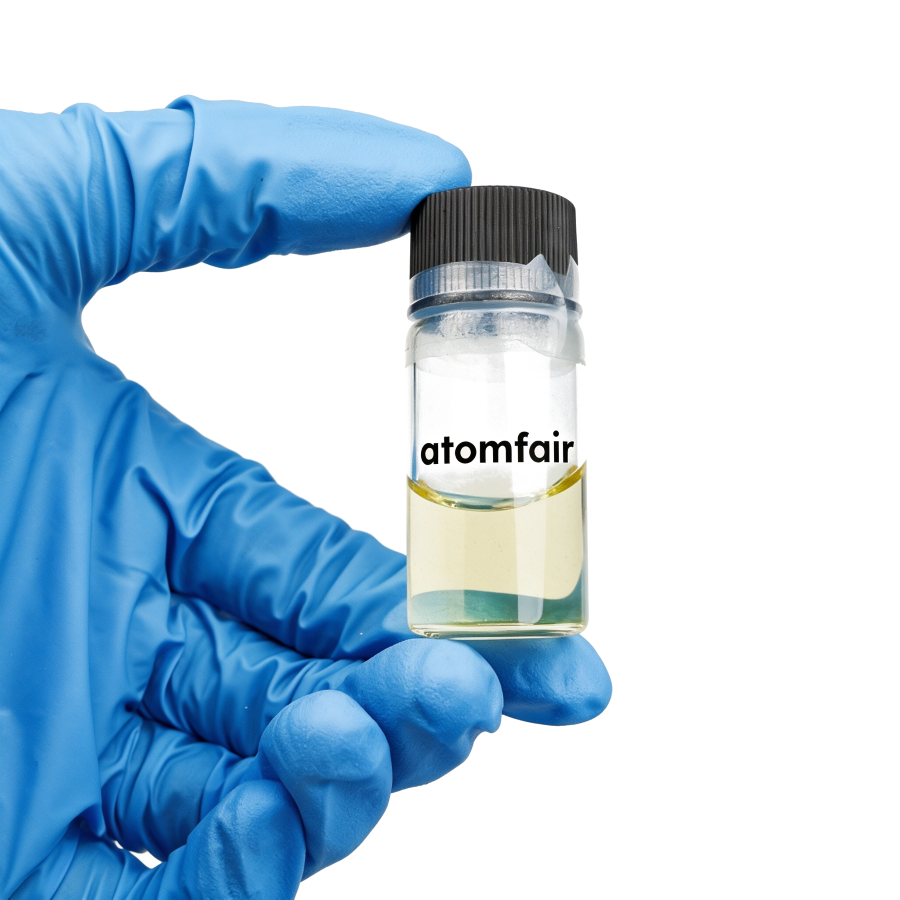
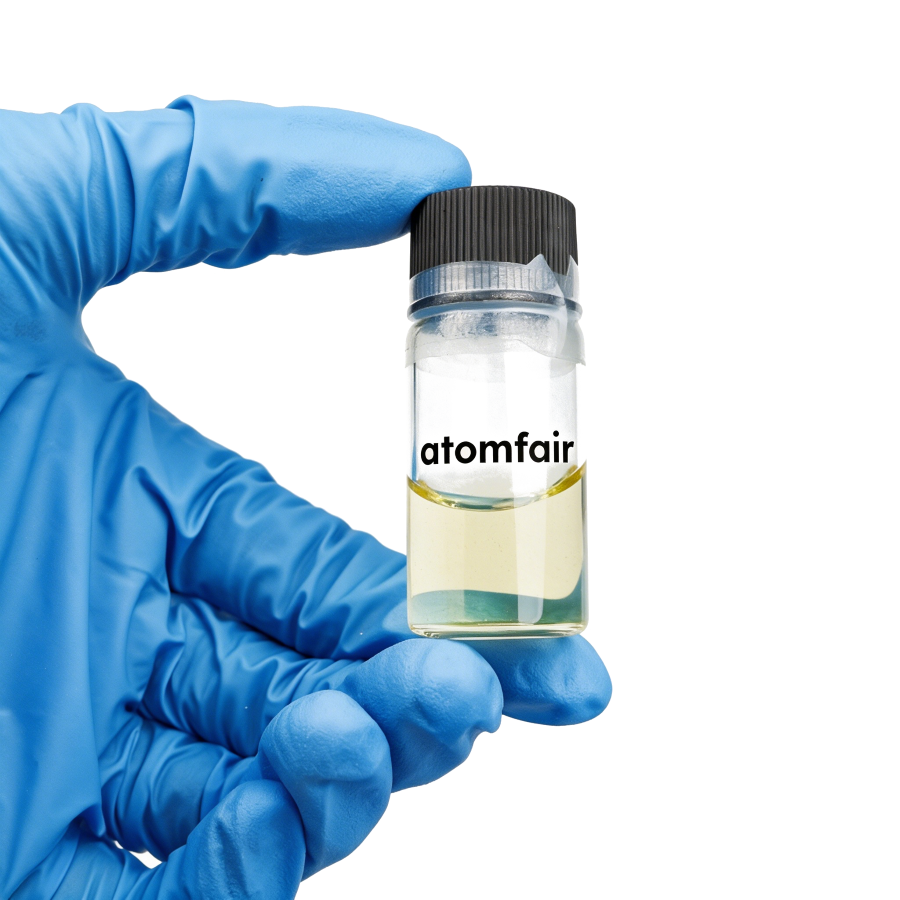
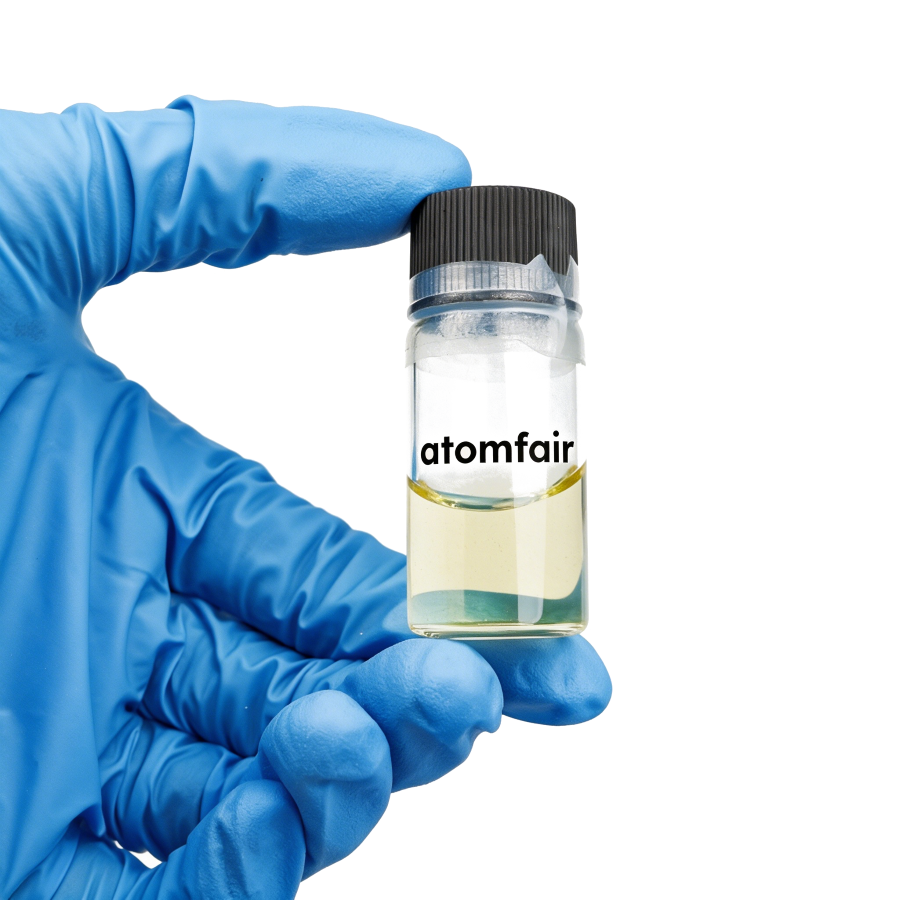
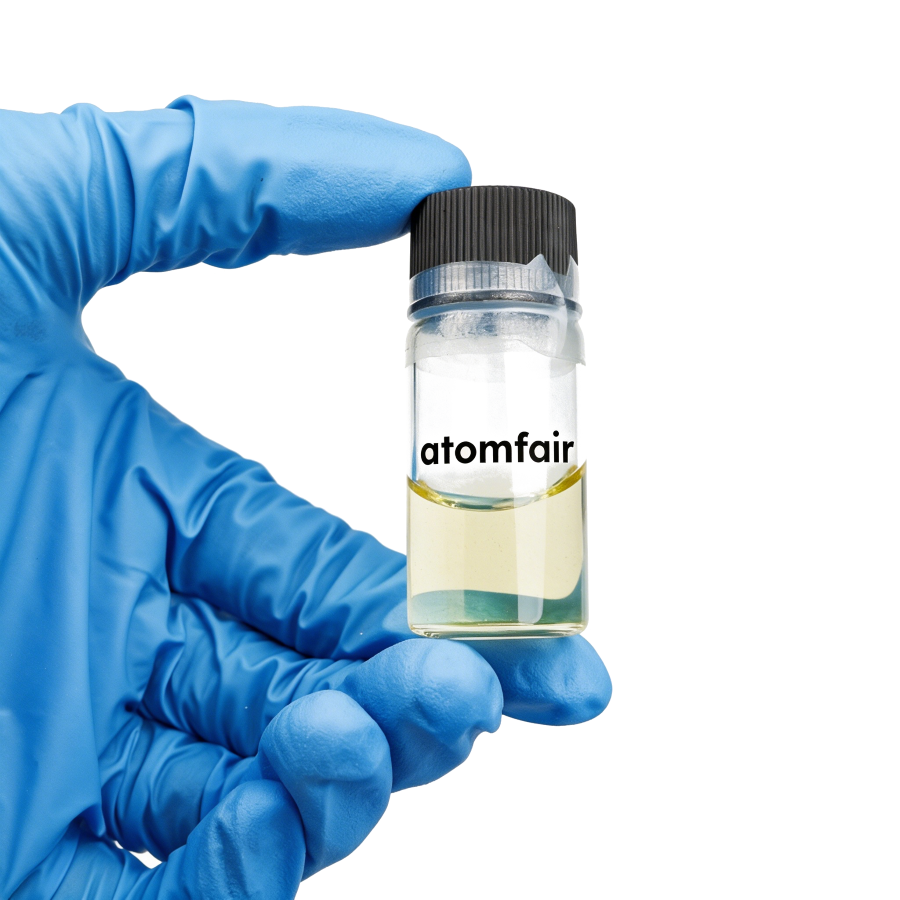
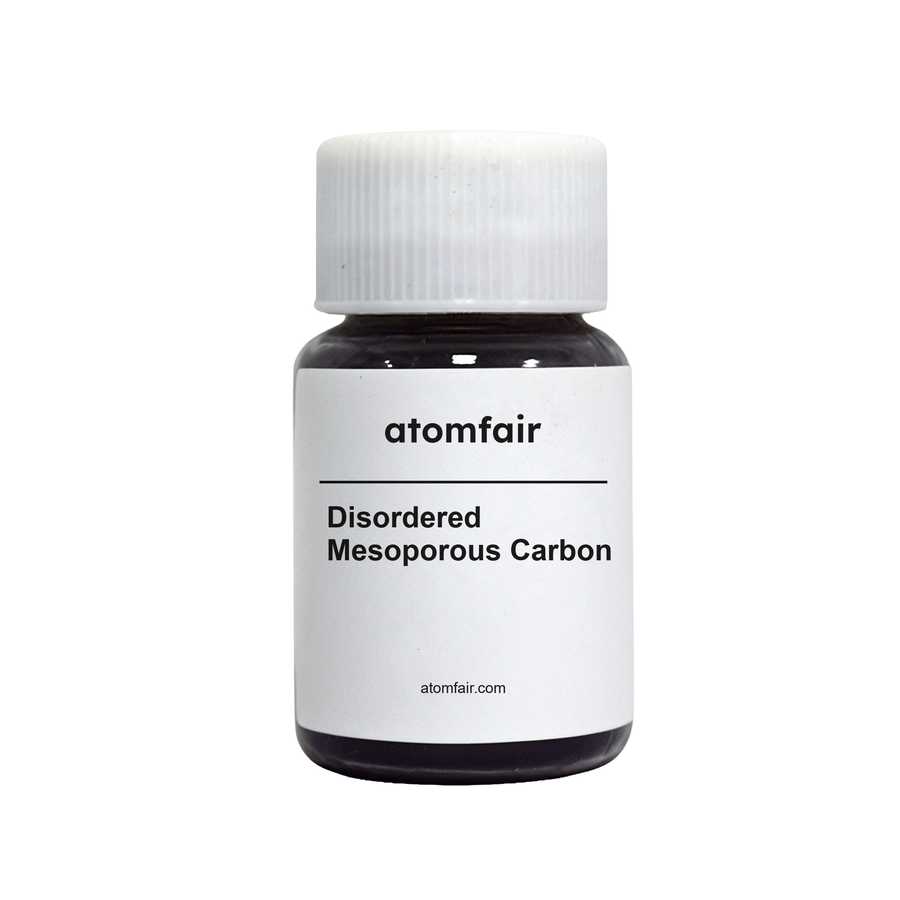
Disordered Mesoporous Carbon – 10 g Package
Product Type: Mesoporous Carbon Powder
Research-grade laboratory product
|
|||||||||||||||||||||
|
|||||||||||||||||||||
|
LABORATORY PROCUREMENT SUPPORT
For material selection, package selection and specification confirmation, contact our technical sales team.
E-MAIL: inquiry@atomfair.com
|
Manufacturer: Atomfair LLC
Brand: ATOMFAIR®
How does the 50 nm pore size affect the ion transport kinetics compared to microporous carbons?
The 50 nm mesopores provide low-resistance pathways for electrolyte ions, improving rate capability, but the moderate specific surface area of approximately 600 m²/g limits the total charge storage capacity compared to microporous carbons that typically have higher SSA but slower ion transport.
Can this disordered mesoporous carbon be used directly as a supercapacitor electrode material without further processing?
Yes, it can serve as the active material after blending with a binder and conductive additive. The 1–2 µm particle size is suitable for standard slurry coating techniques, and the 50 nm pores facilitate electrolyte access, enabling double-layer capacitance formation.
What is the recommended storage condition to preserve the high surface area of approximately 600 m²/g?
Store the powder in a tightly sealed container under dry, inert conditions to minimize moisture and contaminant adsorption. The high specific surface area (~600 m²/g) makes the material hygroscopic; exposure to ambient humidity can reduce effective surface area over time.
This disordered mesoporous carbon powder offers a high specific surface area of ~600 m²/g and a uniform pore size of 50 nm, making it suitable for adsorption, catalysis, and energy storage applications. The 1-2 µm particle size and disordered pore network require careful dispersion and may limit performance in applications demanding ordered mesostructures.
Positive
- High specific surface area: With ~600 m²/g SSA, this material provides abundant active sites for adsorption, catalysis, and electrochemical reactions, enhancing performance in energy storage and conversion devices.
- Well-defined mesopore size: The 50 nm pore size offers consistent mesoporosity, facilitating mass transport of larger molecules and ions while maintaining structural integrity for repeated cycling.
Trade-offs
- Dispersion challenges from fine particles: The 1-2 µm particle size range may require additional processing steps such as sonication or milling to achieve homogeneous dispersion in solvents or composite matrices.
- Disordered pore structure limitations: The disordered mesoporous architecture, while providing high surface area, may result in less predictable mass transport and reduced performance in applications that rely on long-range ordered pore networks.
Every advanced material, component, equipment, and instrument in our catalog is backed by rigorous testing. We maintain strict internal quality management frameworks and align with CE conformity metrics to deliver transparent, reproducible performance data via our public open-science repository.
To request raw batch performance data, submit formal vendor registration paperwork, or execute a fast-turnaround R&D manufacturing loop, contact us at inquiry@atomfair.com.
Item is dispatched under the Atomfair Shipping & Delivery Framework (Free worldwide shipping on orders over $59 USD excl. heavy equipment). Return is governed by the Atomfair Return & Refund Policy (7-day technical return window).