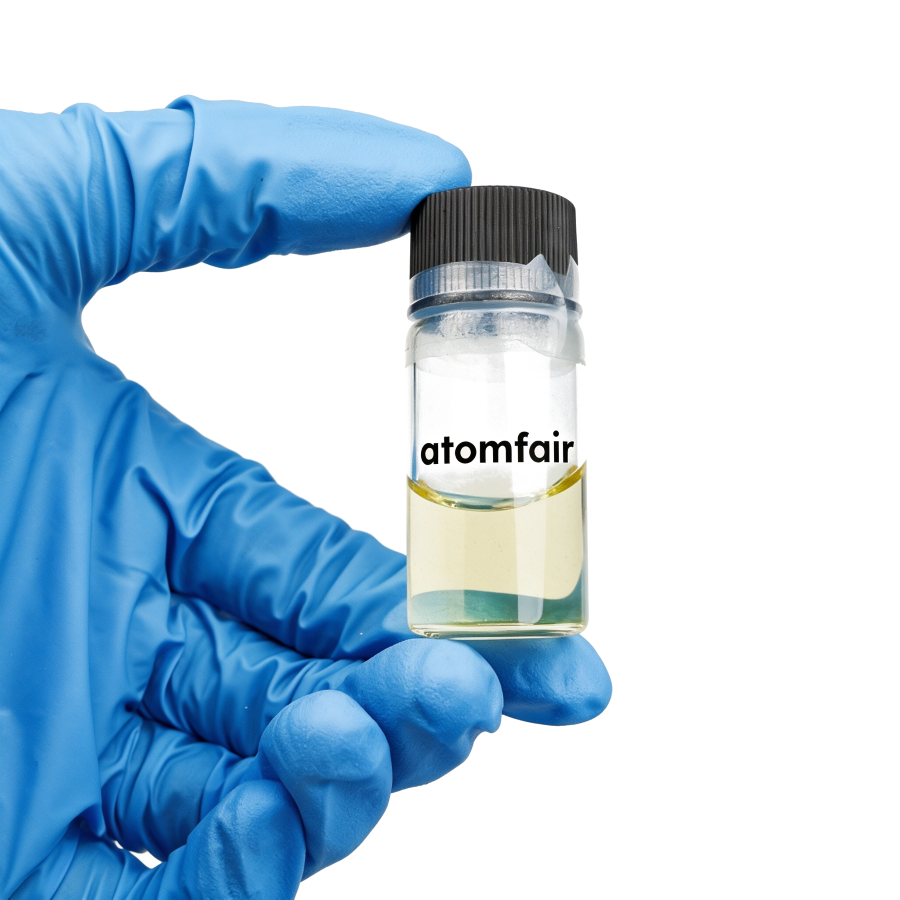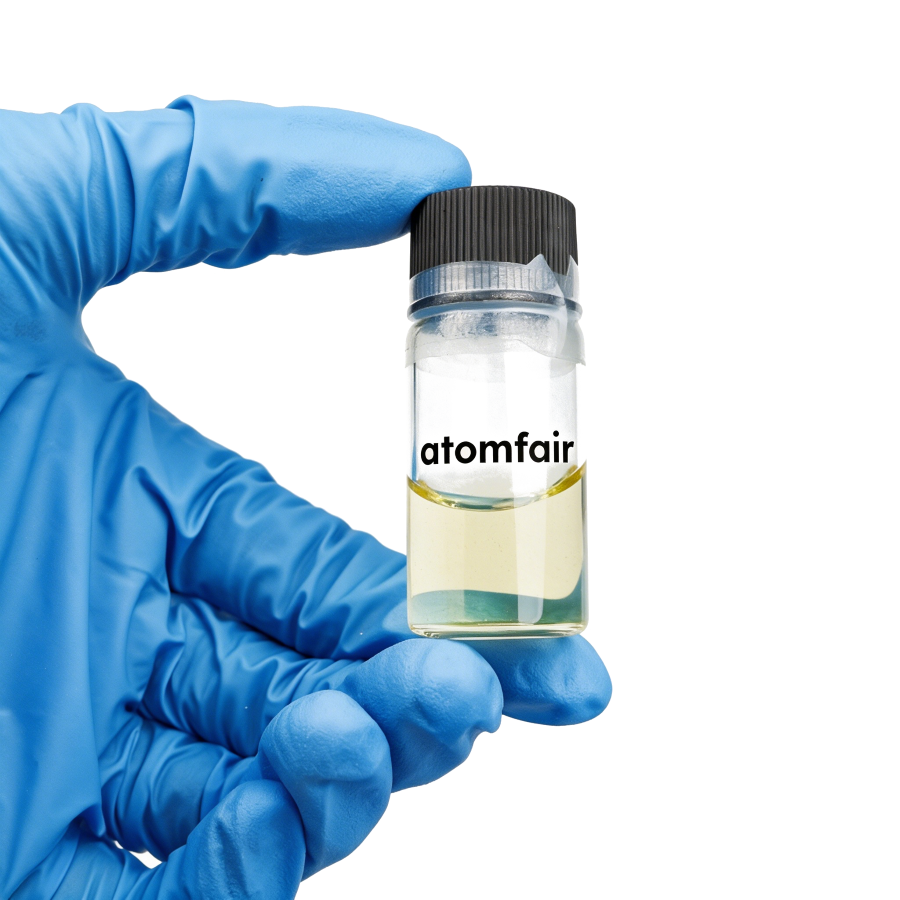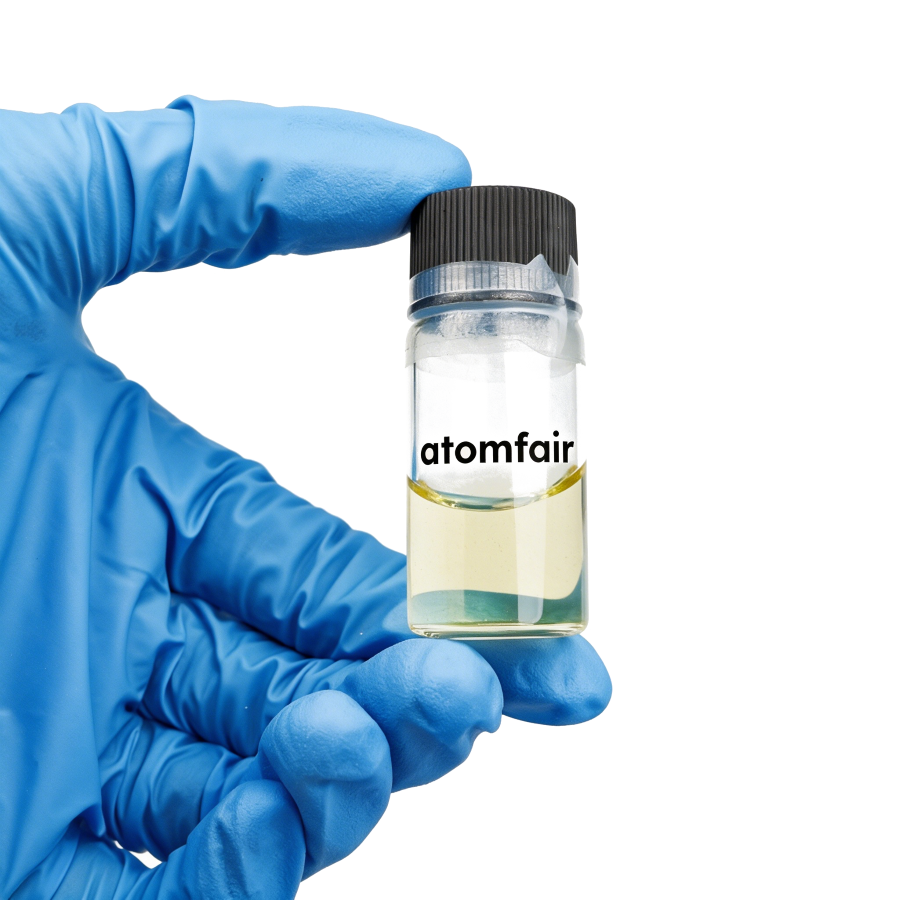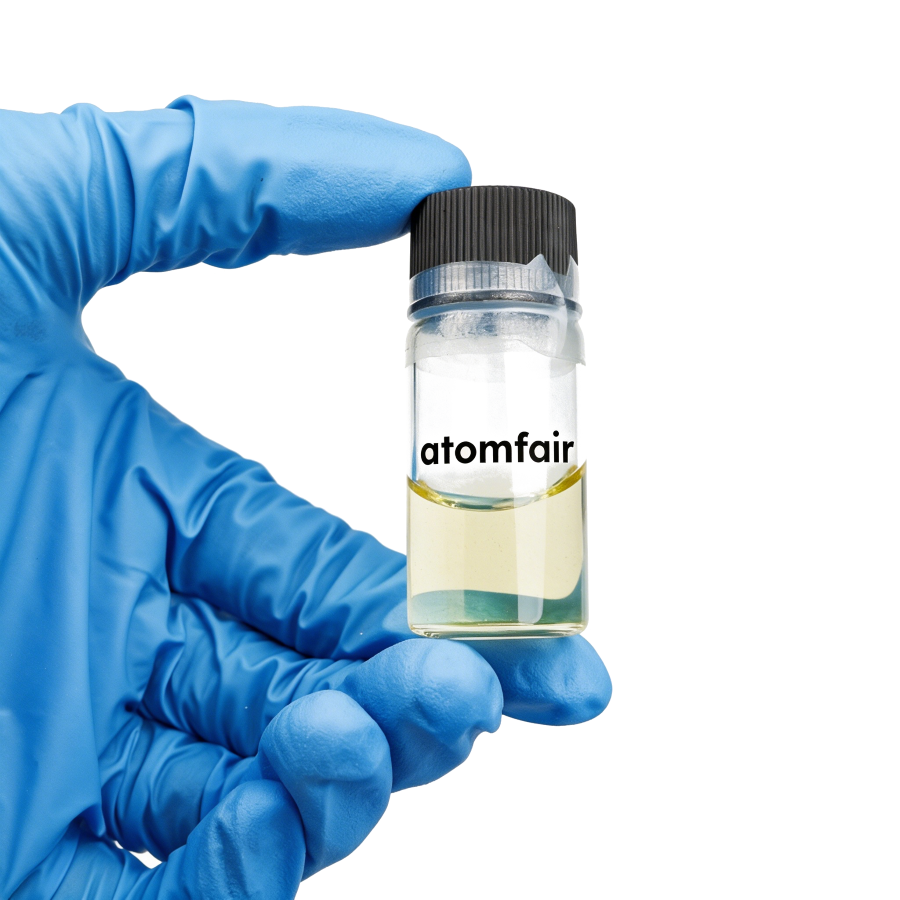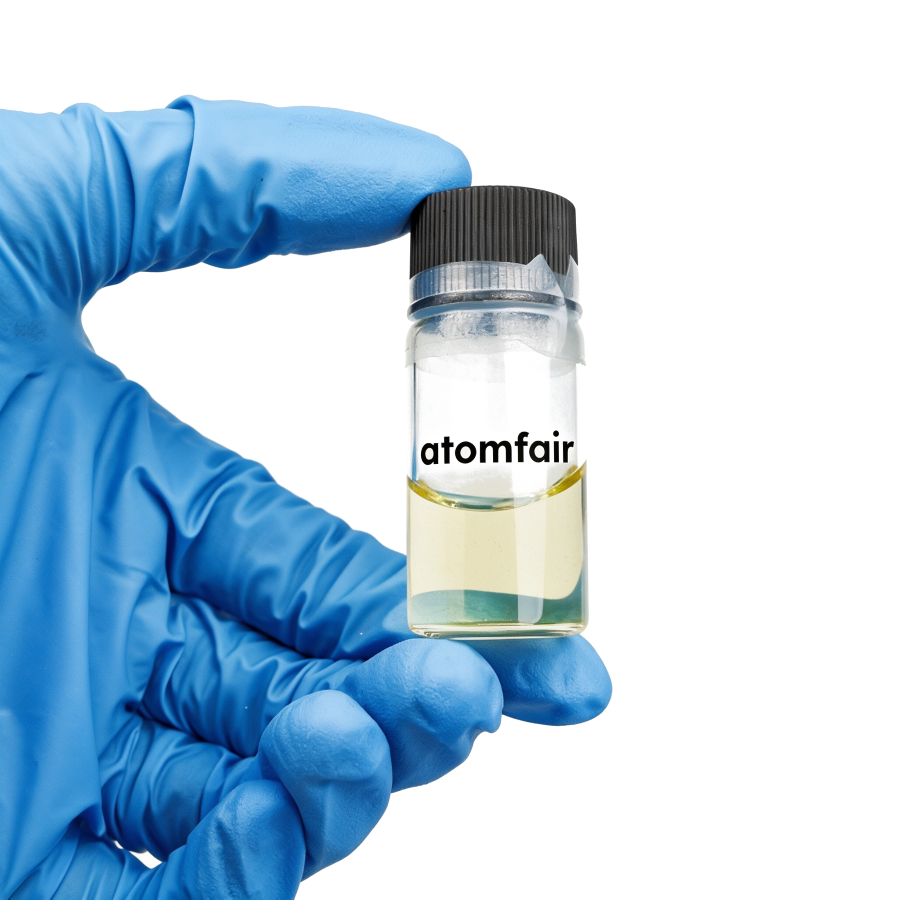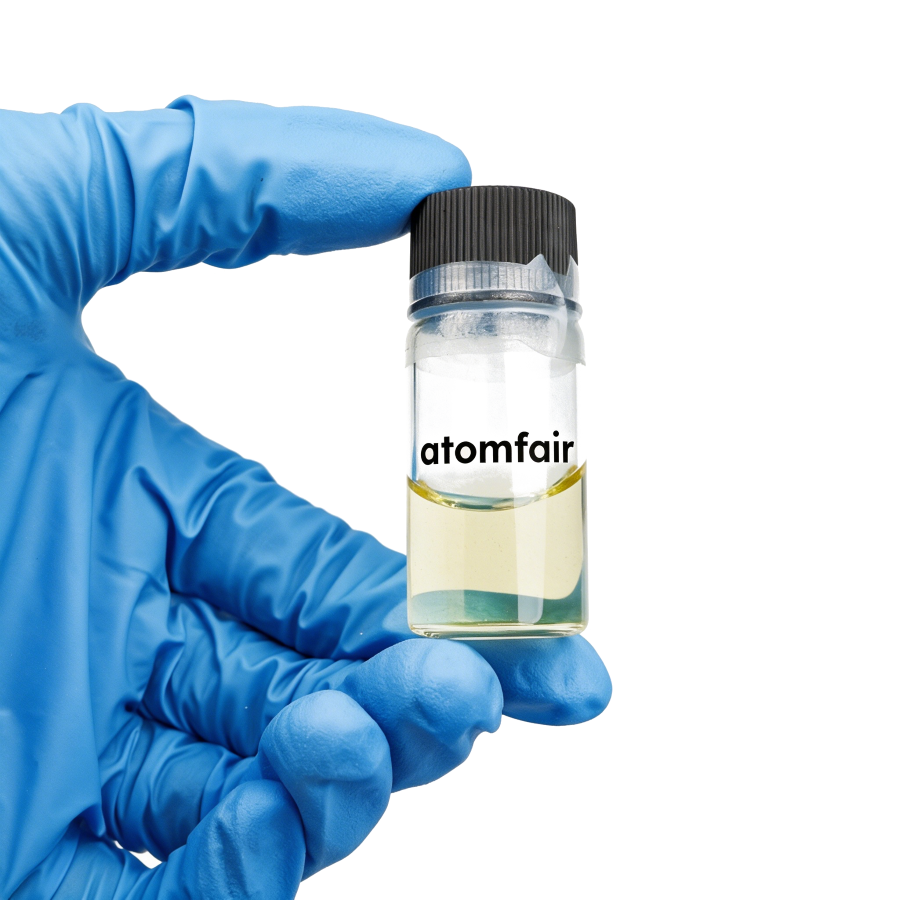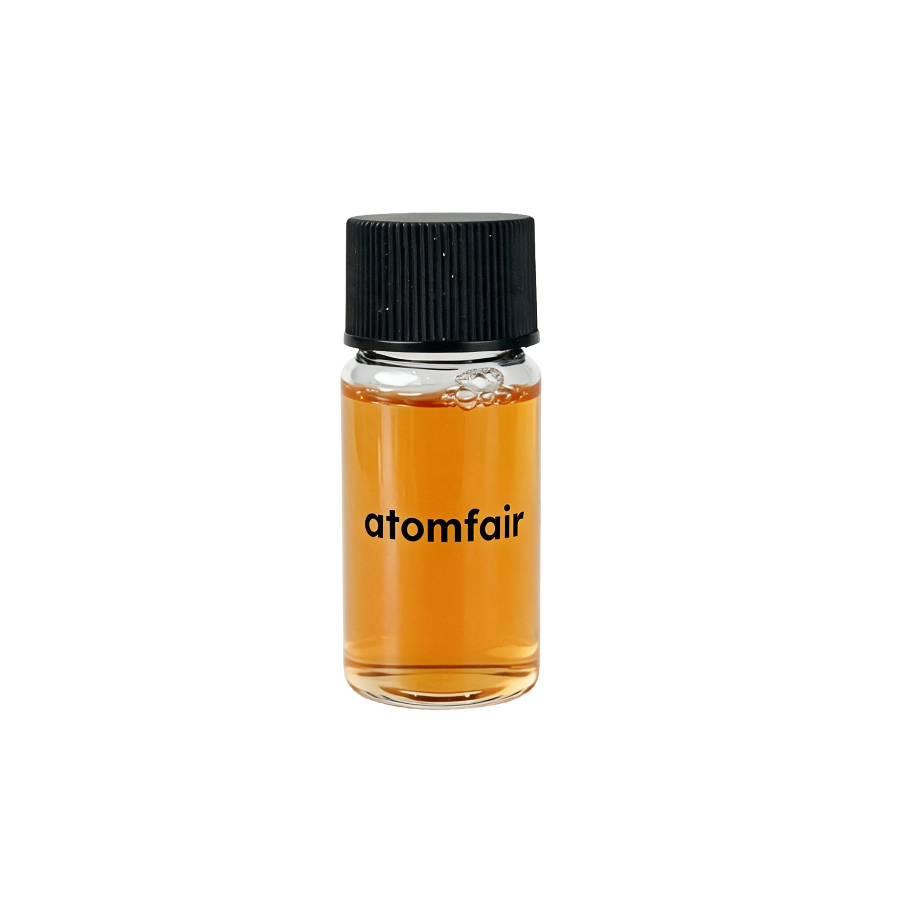
CdSe/Zn S, 3 mg/mL, 10 mLProduct Type: Quantum dot material
Research-grade laboratory product
|
|||||||||||||||||||||||||||||||
|
|||||||||||||||||||||||||||||||
|
LABORATORY PROCUREMENT SUPPORT
For model selection, material format, solvent, concentration or configuration confirmation, contact our technical sales team.
E-MAIL: inquiry@atomfair.com
|
|||||||||||||||||||||||||||||||
|
Manufacturer: Atomfair LLC
Brand: ATOMFAIR®
|
Manufacturer: Atomfair LLC
Brand: ATOMFAIR®
What is the emission wavelength range for CdSe/ZnS quantum dots at 3 mg/mL in toluene, and how does concentration affect spectral output?
The emission range is 520–630 nm under excitation of 365–460 nm. At a fixed concentration of 3 mg/mL, the spectral peak position is determined by the CdSe core size and ZnS shell thickness, not by concentration. However, concentration uniformity is critical for reproducible photoluminescence intensity in solution-phase assays.
Can this CdSe/ZnS quantum dot solution be directly mixed with aqueous biological buffers or must it be used in organic solvents only?
This product is supplied in toluene and n-heptane, making it incompatible with aqueous buffers without phase-transfer or ligand-exchange procedures. The solvent system is organic, so direct mixing with water-based media will cause aggregation and loss of optical properties. Researchers must plan for surface modification if aqueous dispersion is required.
What are the recommended storage conditions and handling precautions for CdSe/ZnS quantum dots in toluene to prevent degradation or safety hazards?
Store the 10 mL solution in a sealed, light-protected container under inert atmosphere to prevent photo-oxidation and solvent evaporation. Toluene is flammable and toxic; handle in a fume hood with appropriate PPE. Avoid freeze-thaw cycles as they may cause precipitation of the quantum dots.
This CdSe/ZnS quantum dot material at 3 mg/mL in a 10 mL package offers a broad excitation range of 365-460 nm and tunable emission from 520-630 nm, suitable for fluorescence-based assays and imaging. The toluene/n-heptane solvent system requires careful handling and storage to maintain colloidal stability and prevent aggregation.
Positive
- Broad excitation and tunable emission: Excitation range of 365-460 nm and emission range of 520-630 nm enable flexible use with common UV/blue light sources and allow selection of specific fluorescence wavelengths for multiplexing or spectral matching.
- Standardized concentration for reproducibility: Fixed concentration of 3 mg/mL in a 10 mL package simplifies experimental replication and reduces preparation variability across batches.
Trade-offs
- Organic solvent handling requirements: Solvent system includes toluene and n-heptane, which are volatile organic compounds requiring fume hood use, proper ventilation, and compatible storage to avoid evaporation or contamination.
- Limited solvent compatibility for workflows: Specified solvent (cyclohexane) and primary solvents (toluene, n-heptane) may not be compatible with aqueous-phase assays or biological systems without additional surface modification or phase-transfer steps.
Every advanced material, component, equipment, and instrument in our catalog is backed by rigorous testing. We maintain strict internal quality management frameworks and align with CE conformity metrics to deliver transparent, reproducible performance data via our public open-science repository.
To request raw batch performance data, submit formal vendor registration paperwork, or execute a fast-turnaround R&D manufacturing loop, contact us at inquiry@atomfair.com.
Item is dispatched under the Atomfair Shipping & Delivery Framework (Free worldwide shipping on orders over $59 USD excl. heavy equipment). Return is governed by the Atomfair Return & Refund Policy (7-day technical return window).