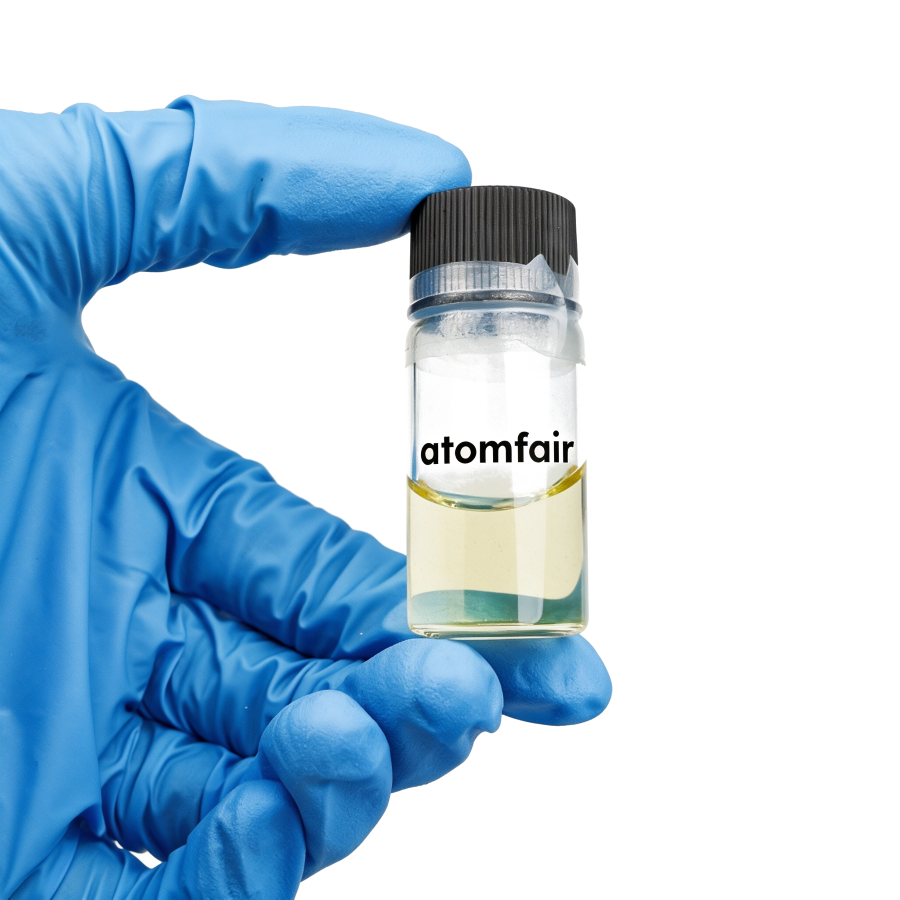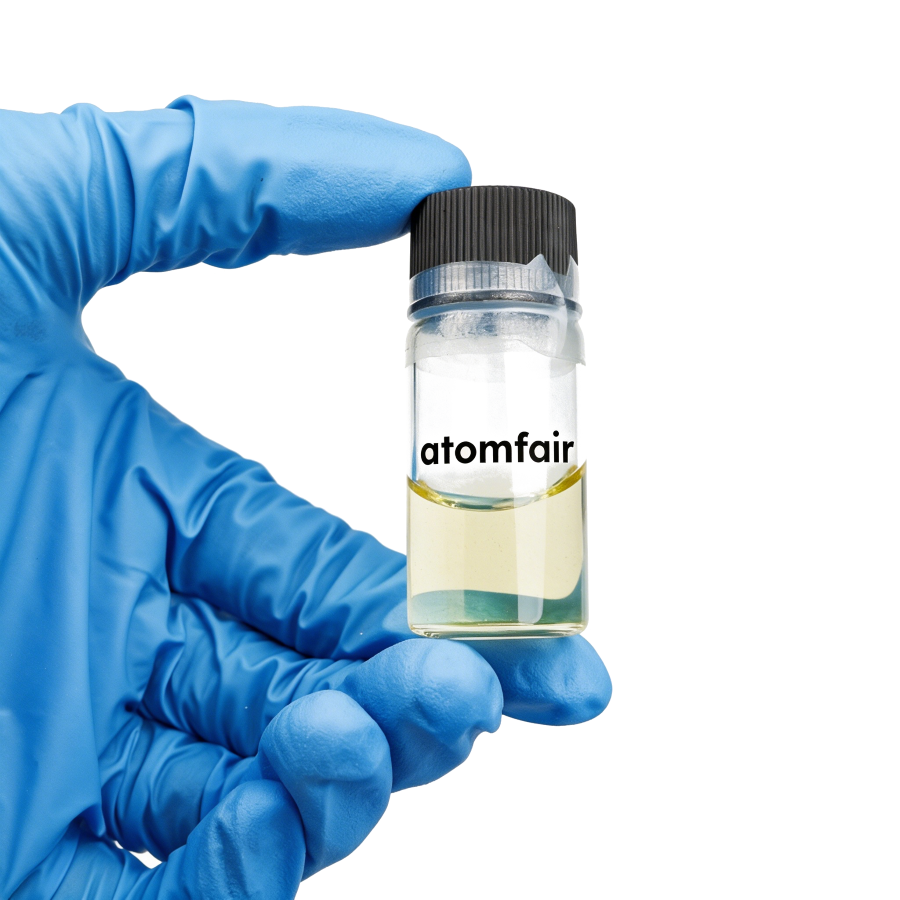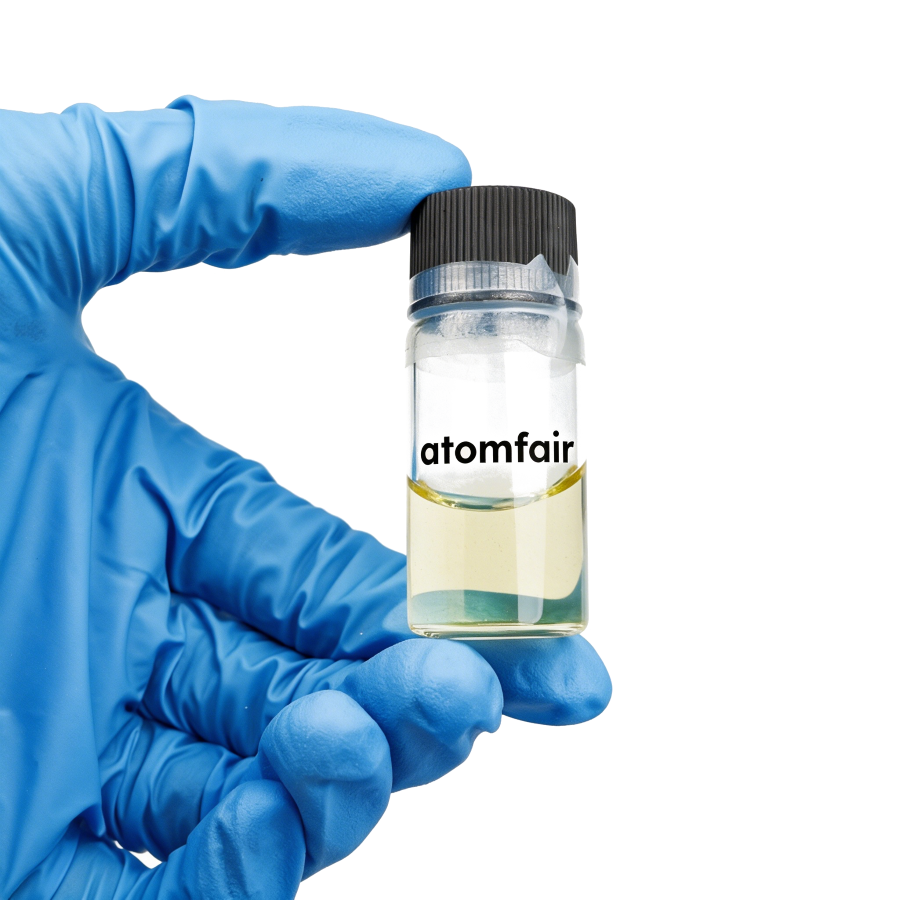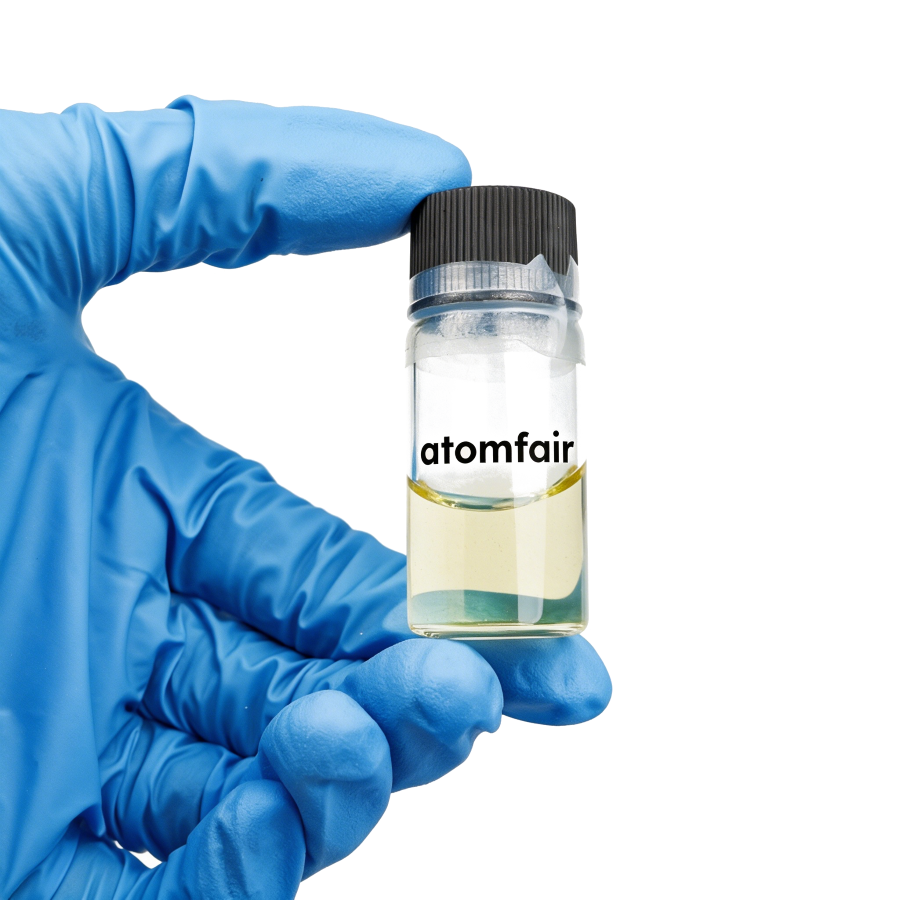
CdTe/Cd S, 3 mg/mL, 10 mLProduct Type: Quantum dot material
Research-grade laboratory product
|
|||||||||||||||||||||||||||||
|
|||||||||||||||||||||||||||||
|
LABORATORY PROCUREMENT SUPPORT
For model selection, material format, solvent, concentration or configuration confirmation, contact our technical sales team.
E-MAIL: inquiry@atomfair.com
|
|||||||||||||||||||||||||||||
|
Manufacturer: Atomfair LLC
Brand: ATOMFAIR®
|
Manufacturer: Atomfair LLC
Brand: ATOMFAIR®
How does the broad emission band from 520 to 650 nm affect color purity compared to narrower emitting QDs, and what trade-offs exist for applications requiring distinct spectral channels?
The CdTe/CdS quantum dot emits across 520–650 nm (green to red). The product description does not specify the full width at half maximum (FWHM) or quantum yield, so color purity cannot be quantified from this data. For applications requiring narrow spectral channels, this broad emission may cause overlap; the trade-off is a wider color palette versus spectral resolution.
Is this 3 mg/mL aqueous CdTe/CdS quantum dot solution compatible with standard biological imaging buffers or cell culture media?
The product is supplied in water at 3 mg/mL. The description does not include compatibility data with biological buffers, salts, or pH conditions. Researchers should verify stability under their specific buffer composition before use.
What specific storage conditions (temperature, light exposure, shelf life) are required to maintain the optical properties of this CdTe/CdS quantum dot solution?
The product description does not specify storage temperature, light sensitivity, or shelf life. It only provides the solvent (water) and concentration (3 mg/mL). No additional handling recommendations are given in the source material.
This CdTe/CdS quantum dot material at 3 mg/mL in water offers a broad emission range of 520-650 nm under 365-420 nm excitation, suitable for luminescent labeling and imaging applications, but requires careful handling due to cadmium content and water-based solvent constraints.
Positive
- Broad tunable emission range: Emission from 520 to 650 nm under 365-420 nm excitation enables flexible color tuning for multiplexed imaging or sensing applications.
- Water-based solvent compatibility: Water as solvent facilitates direct use in biological and aqueous-phase assays without organic solvent exchange or additional dispersion steps.
Trade-offs
- Cadmium content toxicity concern: CdTe/CdS quantum dots contain cadmium, a regulated toxic heavy metal, requiring specialized waste disposal and handling protocols in laboratory environments.
- Limited shelf life in solution: The 3 mg/mL aqueous dispersion may exhibit aggregation or photoluminescence degradation over time, necessitating storage under controlled conditions and verification before use.
Every advanced material, component, equipment, and instrument in our catalog is backed by rigorous testing. We maintain strict internal quality management frameworks and align with CE conformity metrics to deliver transparent, reproducible performance data via our public open-science repository.
To request raw batch performance data, submit formal vendor registration paperwork, or execute a fast-turnaround R&D manufacturing loop, contact us at inquiry@atomfair.com.
Item is dispatched under the Atomfair Shipping & Delivery Framework (Free worldwide shipping on orders over $59 USD excl. heavy equipment). Return is governed by the Atomfair Return & Refund Policy (7-day technical return window).