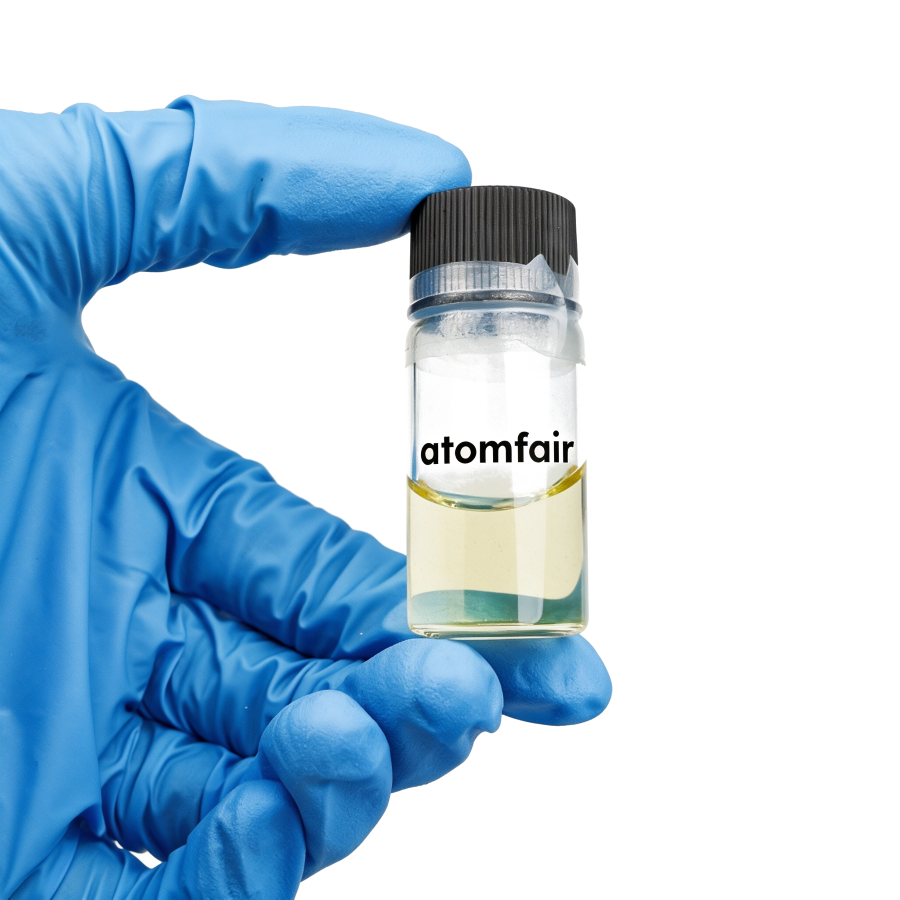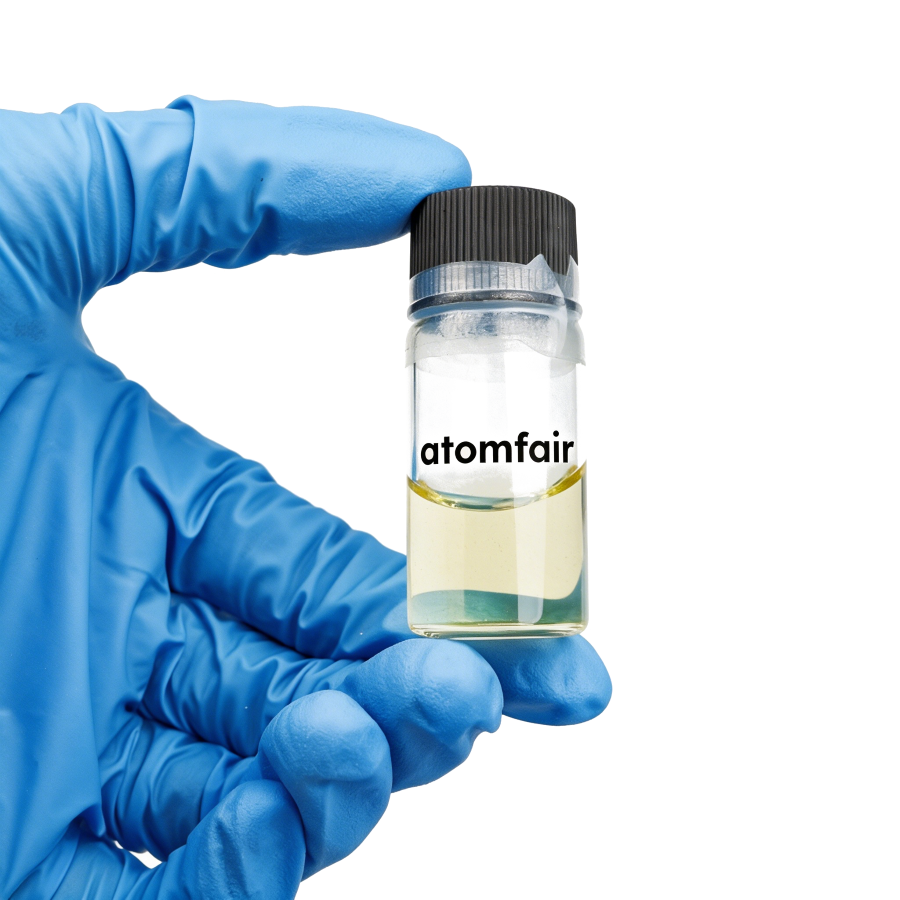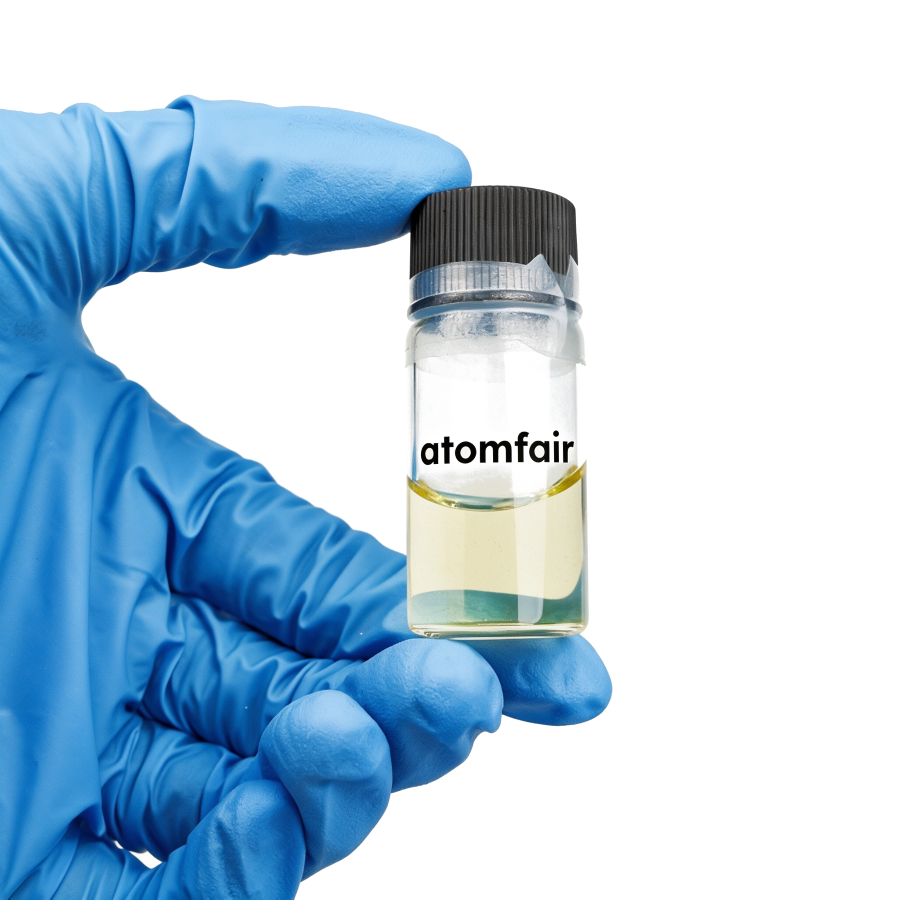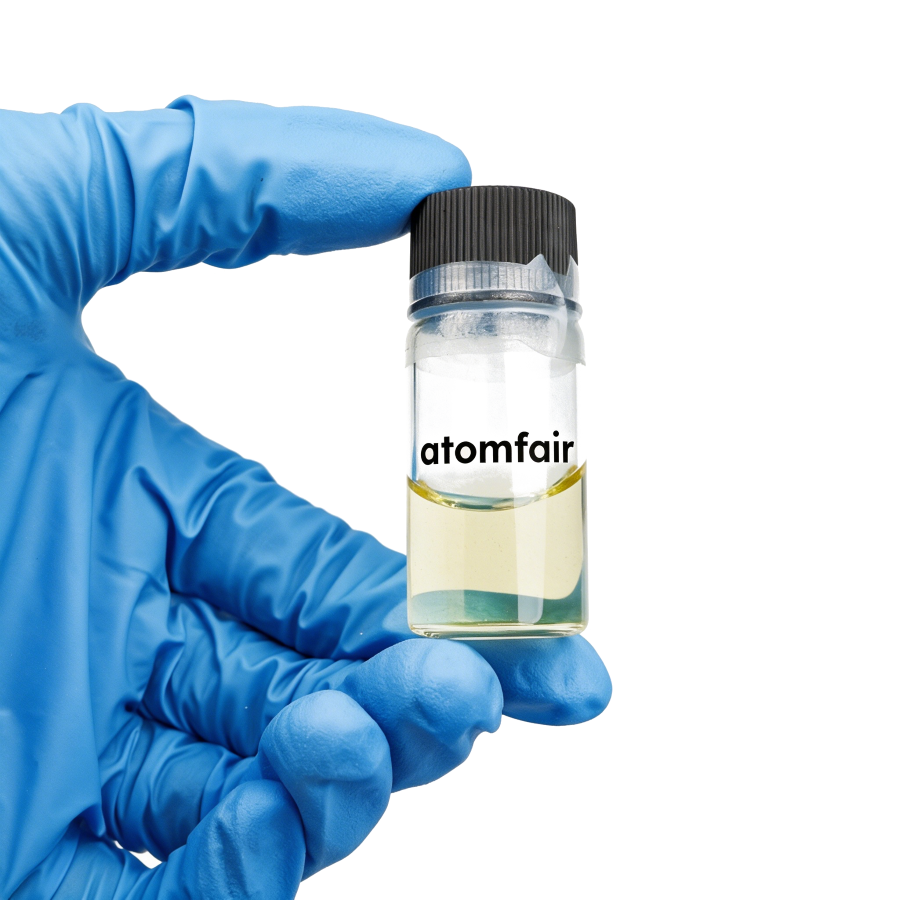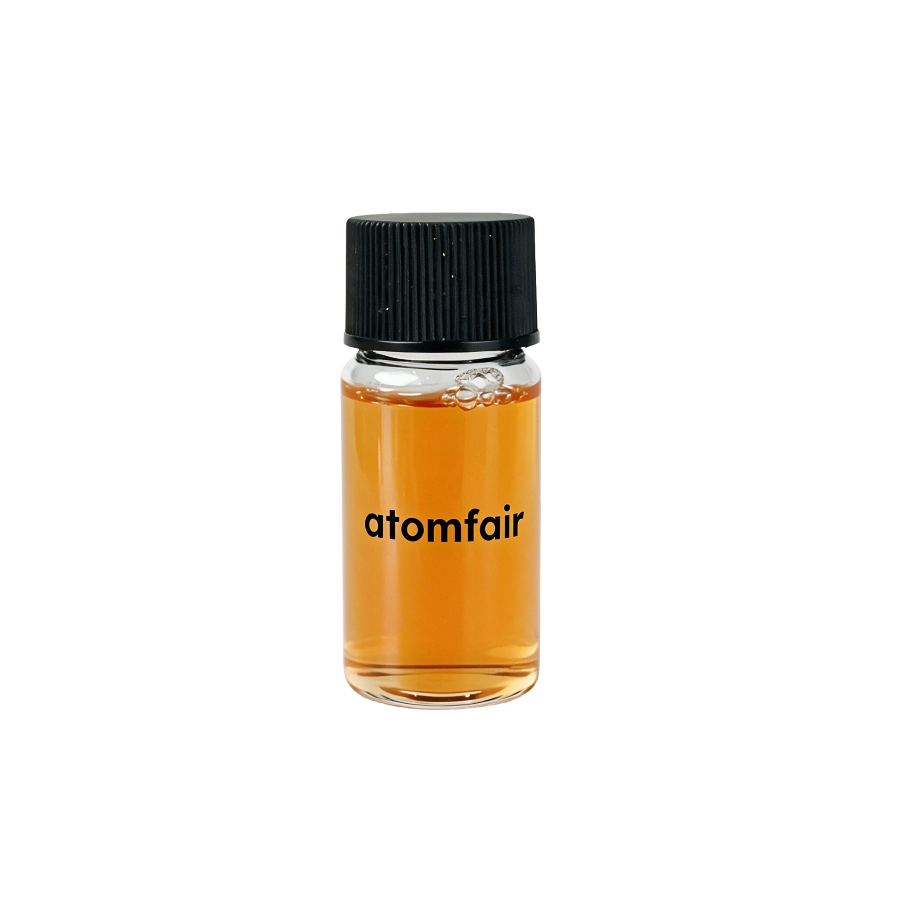
CdSe, 3 mg/mL, 10 mLProduct Type: Quantum dot material
Research-grade laboratory product
|
|||||||||||||||||||||||||||||||
|
|||||||||||||||||||||||||||||||
|
LABORATORY PROCUREMENT SUPPORT
For model selection, material format, solvent, concentration or configuration confirmation, contact our technical sales team.
E-MAIL: inquiry@atomfair.com
|
|||||||||||||||||||||||||||||||
|
Manufacturer: Atomfair LLC
Brand: ATOMFAIR®
|
Manufacturer: Atomfair LLC
Brand: ATOMFAIR®
What is the emission wavelength tolerance for CdSe quantum dots at 3 mg/mL in toluene or n-heptane?
The emission is specified as approximately 600 nm, with no stated tolerance range. The product description lists emission as '600nmapproximately' without a numerical tolerance, so users should expect batch-to-batch variation typical of quantum dot synthesis and verify the exact peak via their own photoluminescence spectroscopy upon receipt.
Can this CdSe quantum dot solution be directly mixed with polar solvents for device fabrication?
No, this product is supplied in non-polar solvents (toluene, n-heptane) and is specified with cyclohexane as a reference solvent. Direct mixing with polar solvents such as water, alcohols, or DMSO will likely cause aggregation or precipitation of the quantum dots. Users must perform a ligand exchange or phase transfer protocol if a polar solvent system is required for their application.
What storage and handling precautions are required for CdSe quantum dots in toluene at 3 mg/mL?
The product is supplied as a solution in toluene and n-heptane, both flammable and volatile organic solvents. Storage should be in a sealed container under inert atmosphere (e.g., argon or nitrogen) in the dark at 4°C to prevent oxidation and photodegradation. Avoid exposure to air and light for extended periods, as CdSe quantum dots are susceptible to photo-oxidation which can quench fluorescence and alter emission properties.
This CdSe quantum dot product at 3 mg/mL in toluene/n-heptane offers a broad excitation range (365-420 nm) and emission near 600 nm, suitable for general luminescence applications. However, the approximate emission specification and hazardous solvent system require careful handling and validation for precision workflows.
Positive
- Broad excitation range: Excitation from 365 to 420 nm allows compatibility with common UV LED and laser sources, simplifying integration into existing optical setups.
- Standardized concentration in organic solvent: Supplied at 3 mg/mL in toluene/n-heptane, providing a consistent, ready-to-use dispersion for reproducible experimental workflows.
Trade-offs
- Hazardous solvent system: Toluene and n-heptane are toxic and flammable, requiring use in a fume hood with appropriate personal protective equipment and proper waste disposal.
- Approximate emission wavelength: Emission is specified as approximately 600 nm without tolerance or full-width at half-maximum, which may limit reproducibility in applications requiring narrow spectral precision.
Every advanced material, component, equipment, and instrument in our catalog is backed by rigorous testing. We maintain strict internal quality management frameworks and align with CE conformity metrics to deliver transparent, reproducible performance data via our public open-science repository.
To request raw batch performance data, submit formal vendor registration paperwork, or execute a fast-turnaround R&D manufacturing loop, contact us at inquiry@atomfair.com.
Item is dispatched under the Atomfair Shipping & Delivery Framework (Free worldwide shipping on orders over $59 USD excl. heavy equipment). Return is governed by the Atomfair Return & Refund Policy (7-day technical return window).