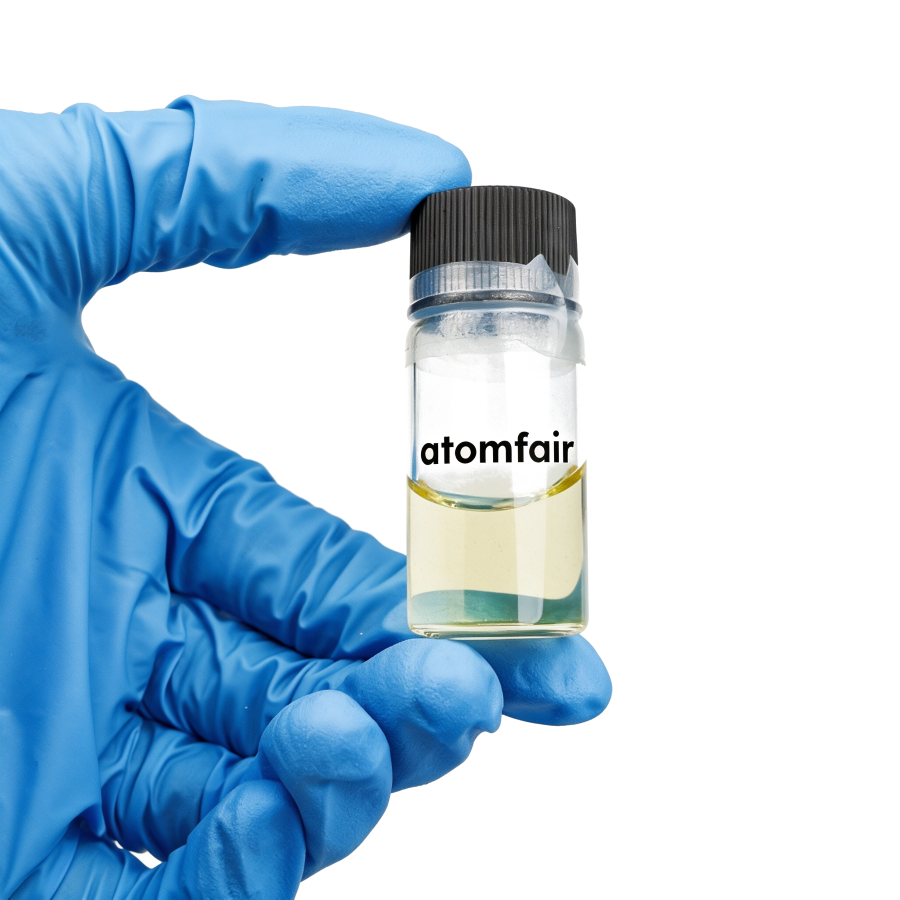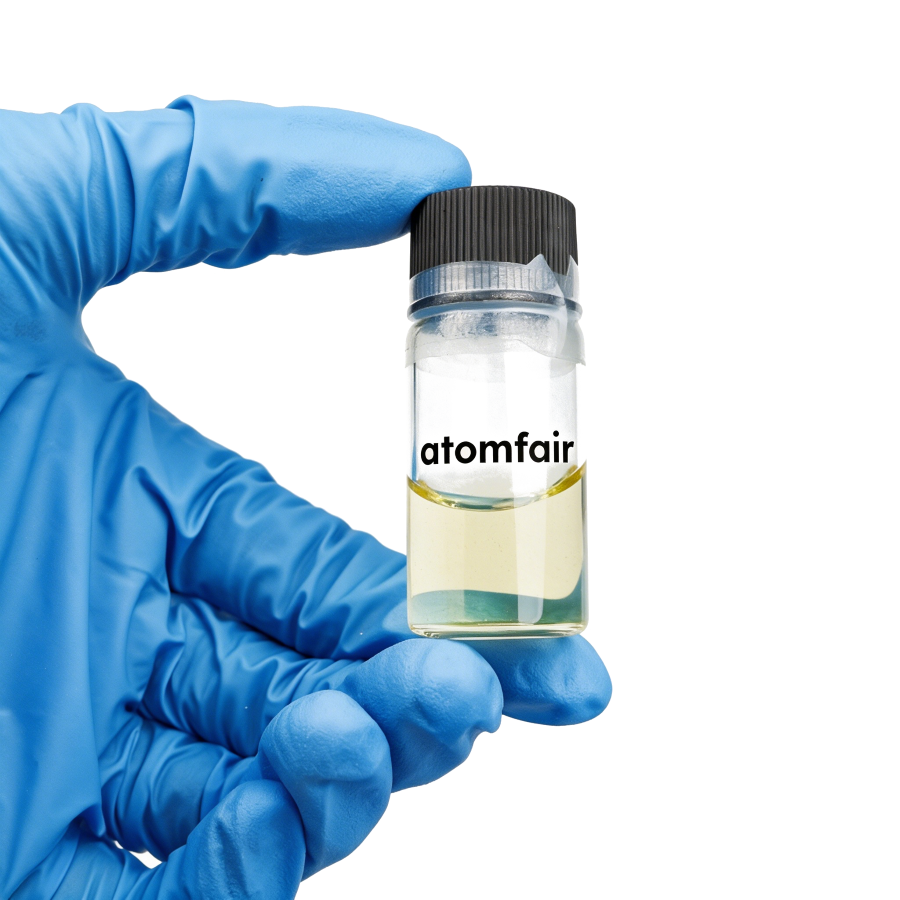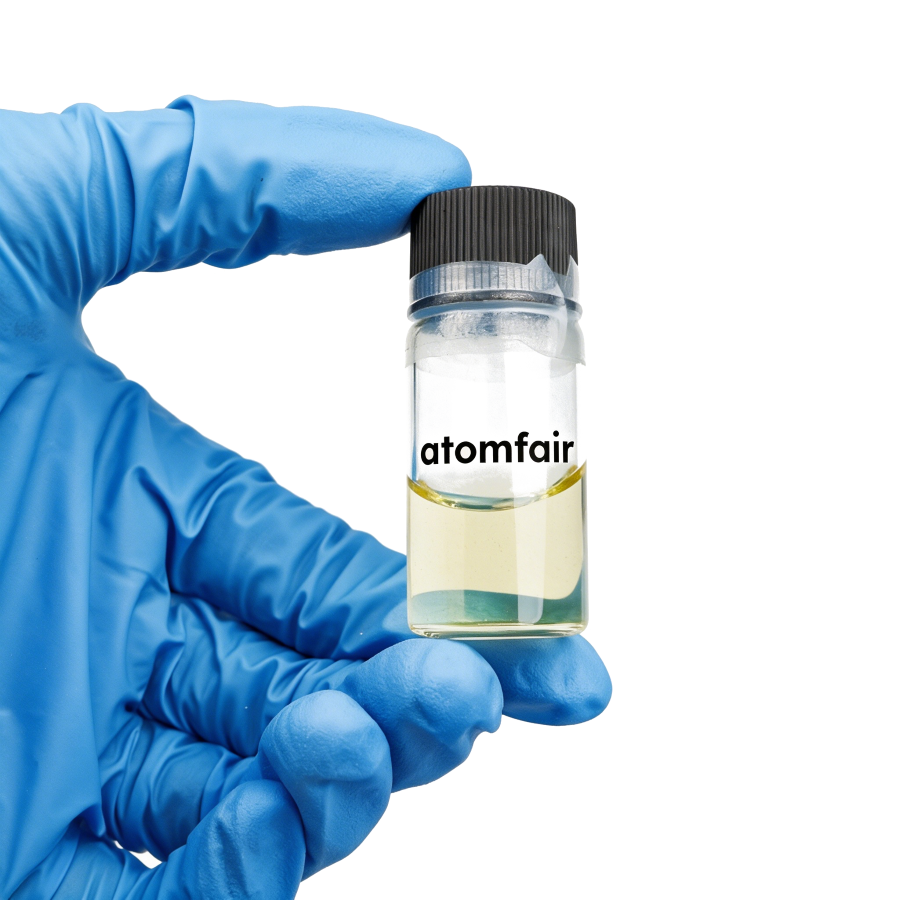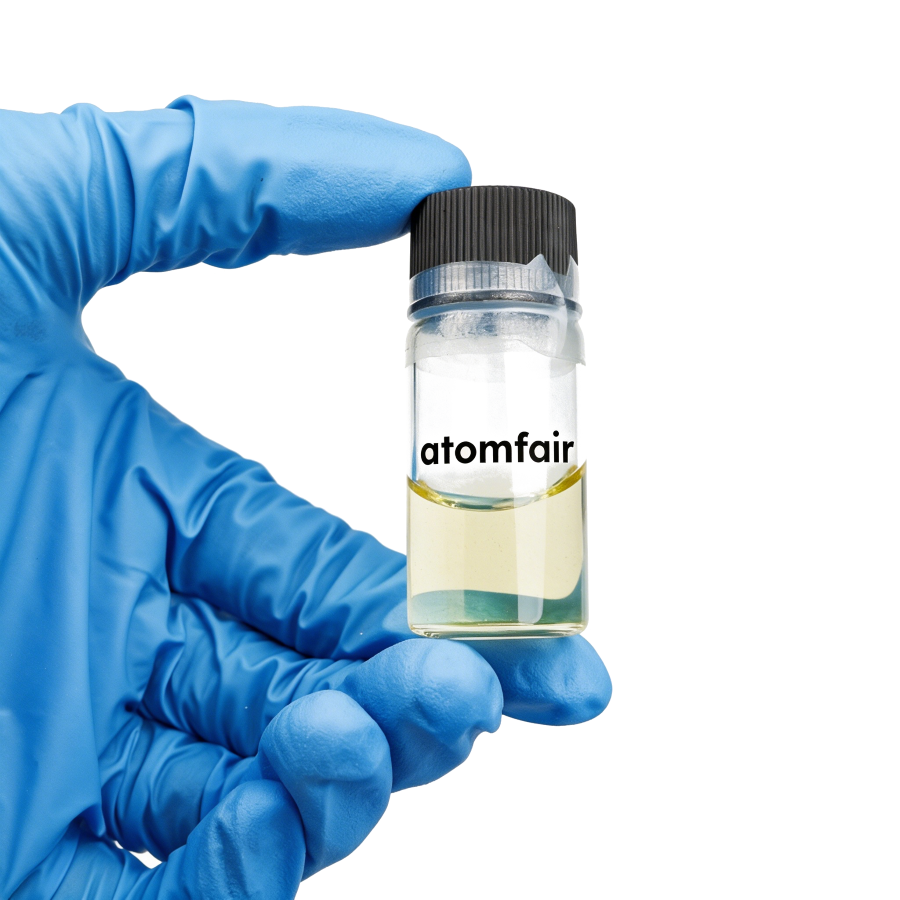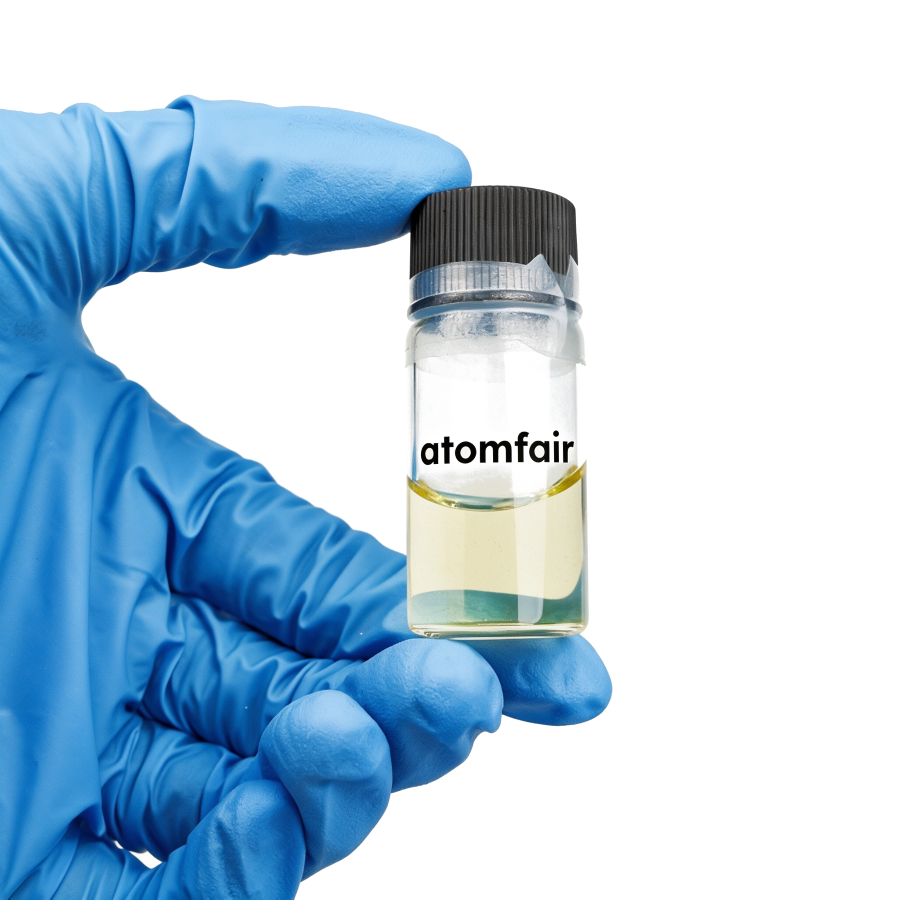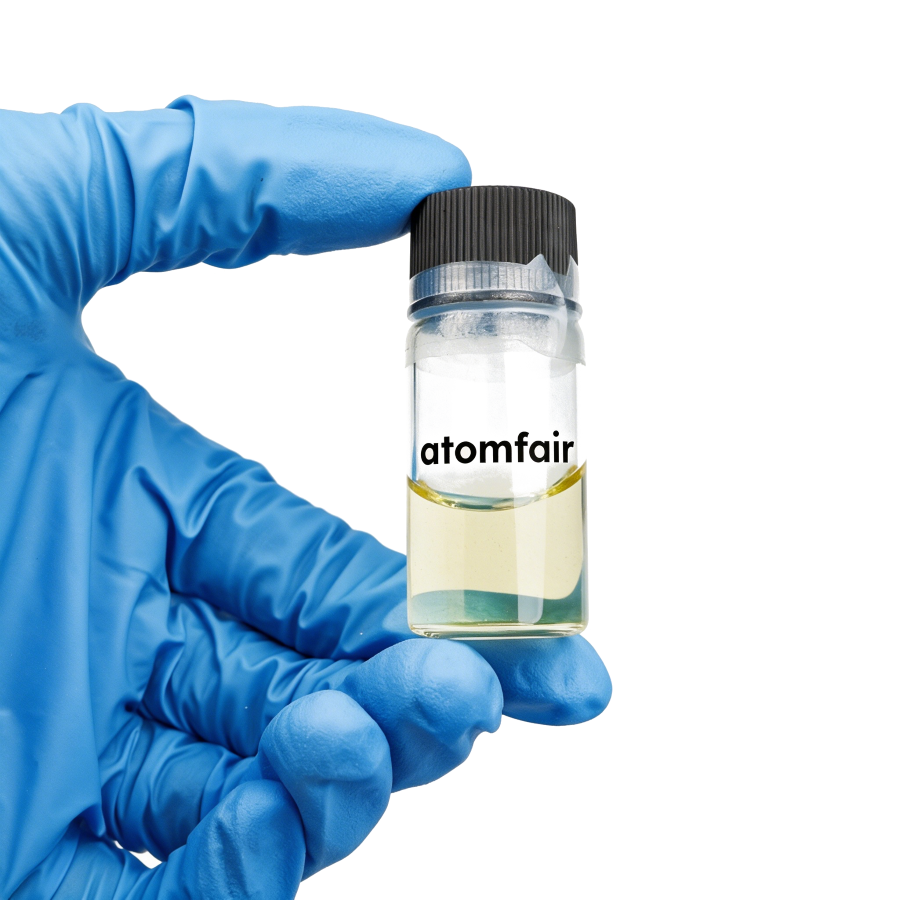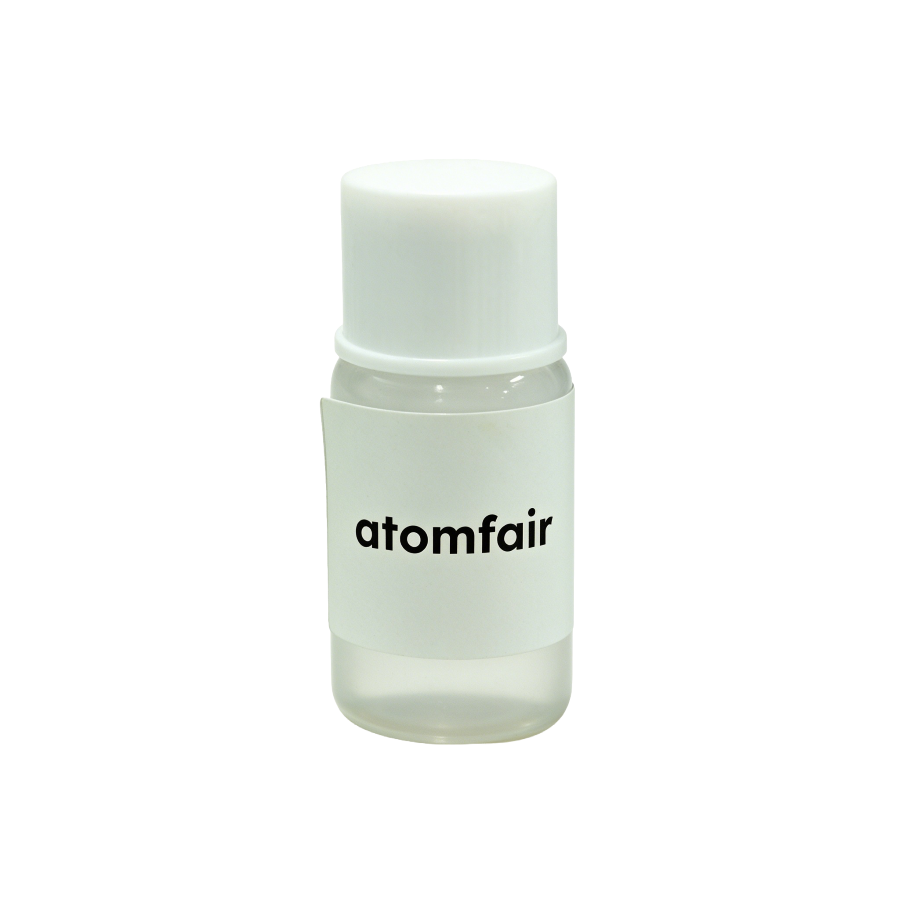
PEG-COOH-modified upconverting nanoparticles(hyacinthineligh t), 20 mgProduct Type: Upconverting nanoparticle
Research-grade laboratory product
|
|||||||||||||||||||||||||||||||
|
|||||||||||||||||||||||||||||||
|
LABORATORY PROCUREMENT SUPPORT
For model selection, material format, solvent, concentration or configuration confirmation, contact our technical sales team.
E-MAIL: inquiry@atomfair.com
|
|||||||||||||||||||||||||||||||
|
Manufacturer: Atomfair LLC
Brand: ATOMFAIR®
|
Manufacturer: Atomfair LLC
Brand: ATOMFAIR®
What is the significance of the dual emission peaks at 365 nm and 475 nm for PEG-COOH-modified upconverting nanoparticles in fluorescence imaging?
The product exhibits two distinct emission peaks at 365 nm and 475 nm under near-infrared excitation, enabling dual-wavelength detection. This allows ratiometric imaging or multiplexed signal discrimination, which can reduce background autofluorescence and improve specificity in biological detection and photodynamic therapy applications.
Are these PEG-COOH-modified upconverting nanoparticles compatible with aqueous biological buffers and cell culture media for bioconjugation?
Yes, the nanoparticles are supplied in water as the solvent, indicating direct aqueous compatibility. The PEG-COOH surface modification provides carboxylic acid groups for covalent bioconjugation with antibodies, peptides, or targeting ligands, and the product is listed for applications including fluorescence imaging, biological detection, and photodynamic therapy.
What solvent and physical form are the PEG-COOH-modified upconverting nanoparticles supplied in for laboratory handling?
The product is specified with water as the solvent, indicating it is supplied as a dispersion. The 20 mg package size refers to the mass of nanoparticles. For laboratory use, gentle vortexing or brief sonication before use is recommended to ensure homogeneous dispersion, leveraging the PEG-COOH stabilization for colloidal stability.
This PEG-COOH-modified upconverting nanoparticle (NaYREF4, 35 nm) emits dual peaks at 365/475 nm in aqueous dispersion, enabling multiplexed detection and bioconjugation via carboxyl groups for fluorescence imaging and photodynamic therapy research.
Positive
- Dual emission peaks enable multiplexing: Two distinct emission wavelengths at 365 nm and 475 nm allow simultaneous detection of multiple targets or combined UV/visible excitation pathways in biological imaging and photodynamic therapy workflows.
- PEG-COOH surface for bioconjugation: Carboxyl-terminated PEG coating provides colloidal stability in water and reactive functional groups for covalent attachment of antibodies, peptides, or other biomolecules, facilitating targeted delivery and assay development.
Trade-offs
- UV emission requires specialized optics: The 365 nm emission peak falls in the ultraviolet range, necessitating quartz or UV-grade optical components in imaging systems to avoid absorption losses and ensure accurate detection.
Every advanced material, component, equipment, and instrument in our catalog is backed by rigorous testing. We maintain strict internal quality management frameworks and align with CE conformity metrics to deliver transparent, reproducible performance data via our public open-science repository.
To request raw batch performance data, submit formal vendor registration paperwork, or execute a fast-turnaround R&D manufacturing loop, contact us at inquiry@atomfair.com.
Item is dispatched under the Atomfair Shipping & Delivery Framework (Free worldwide shipping on orders over $59 USD excl. heavy equipment). Return is governed by the Atomfair Return & Refund Policy (7-day technical return window).