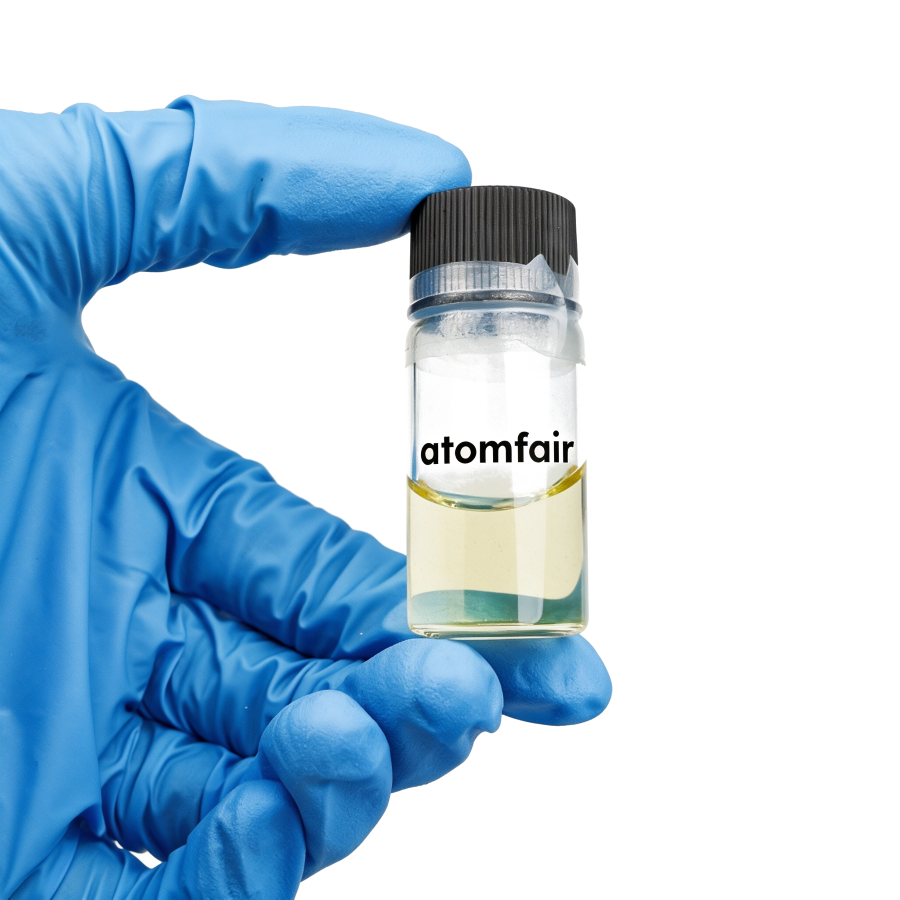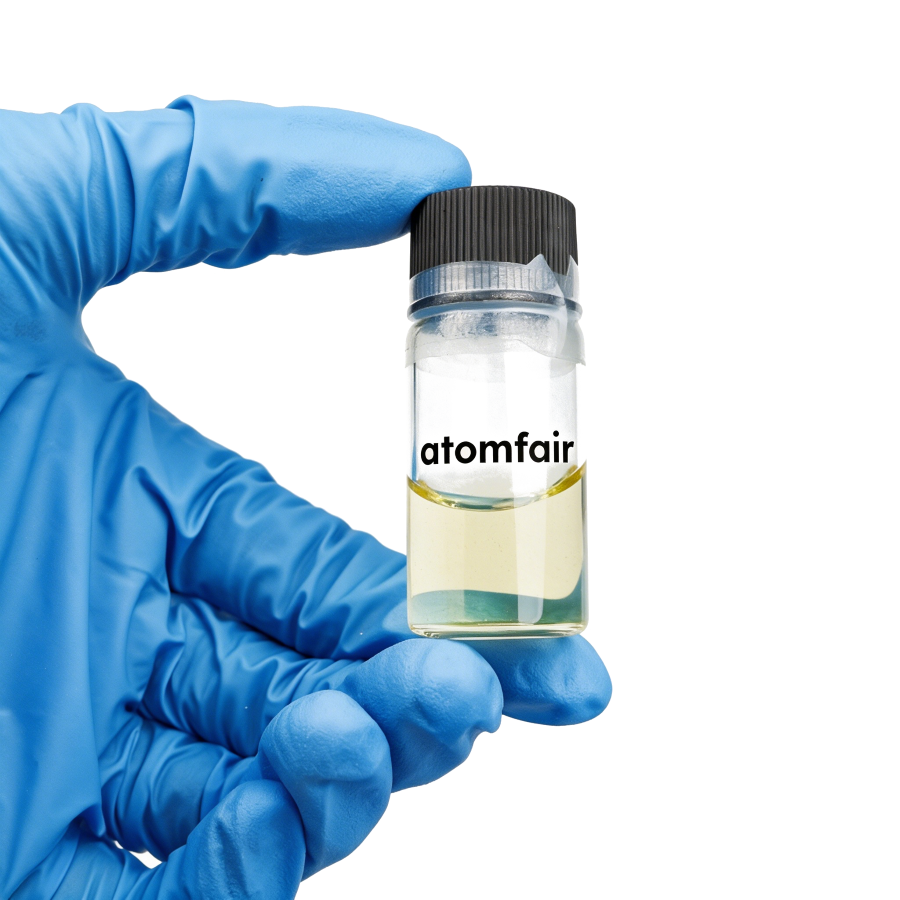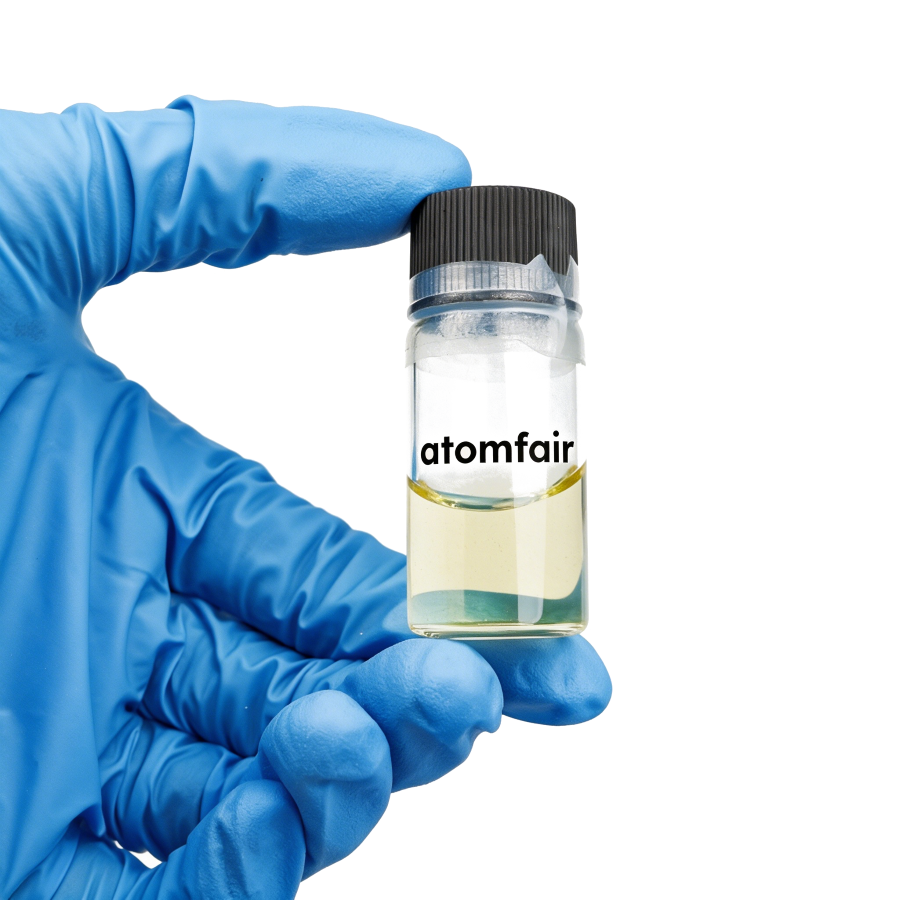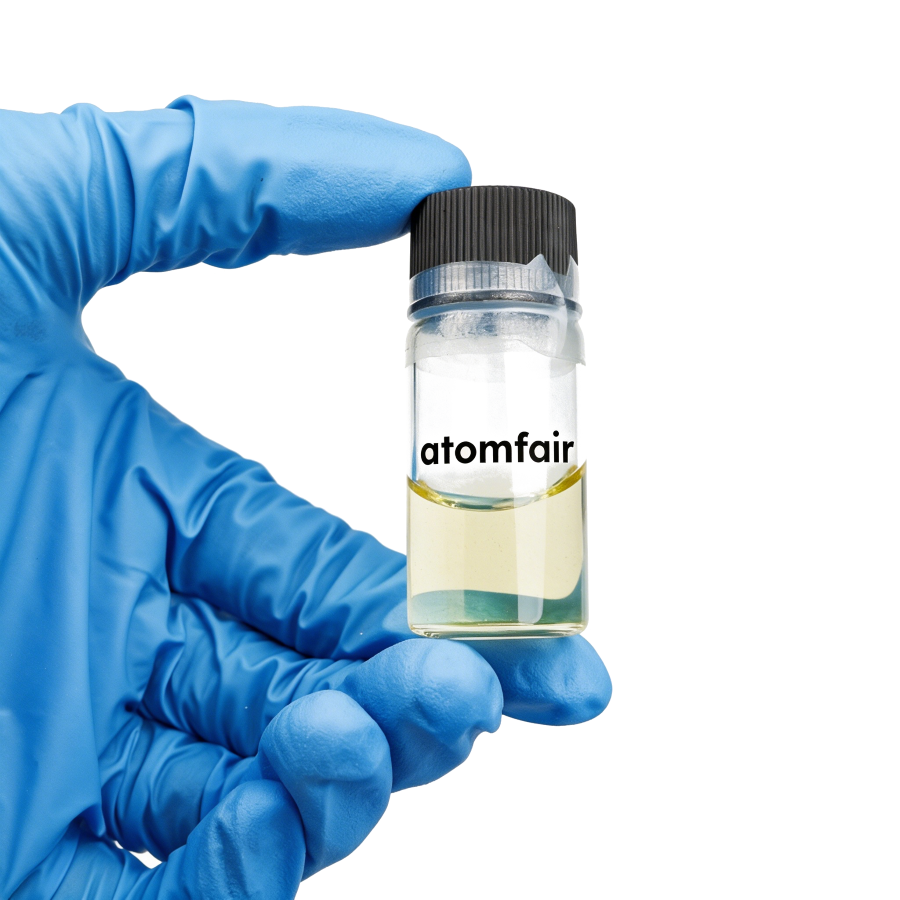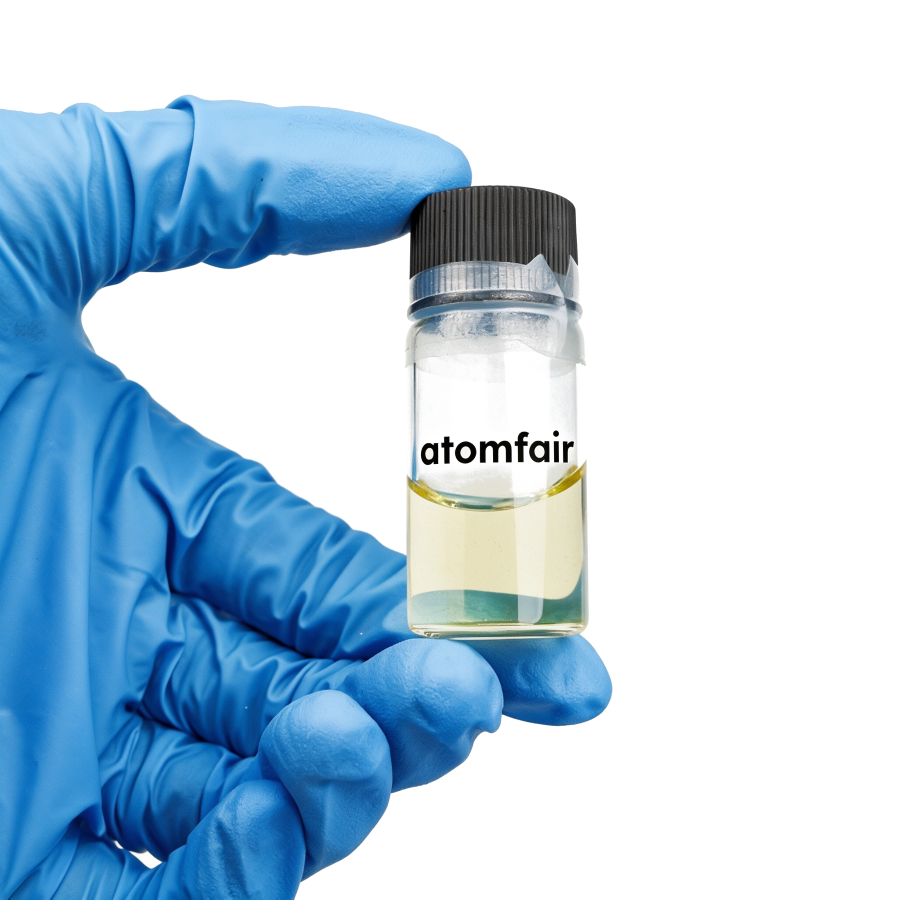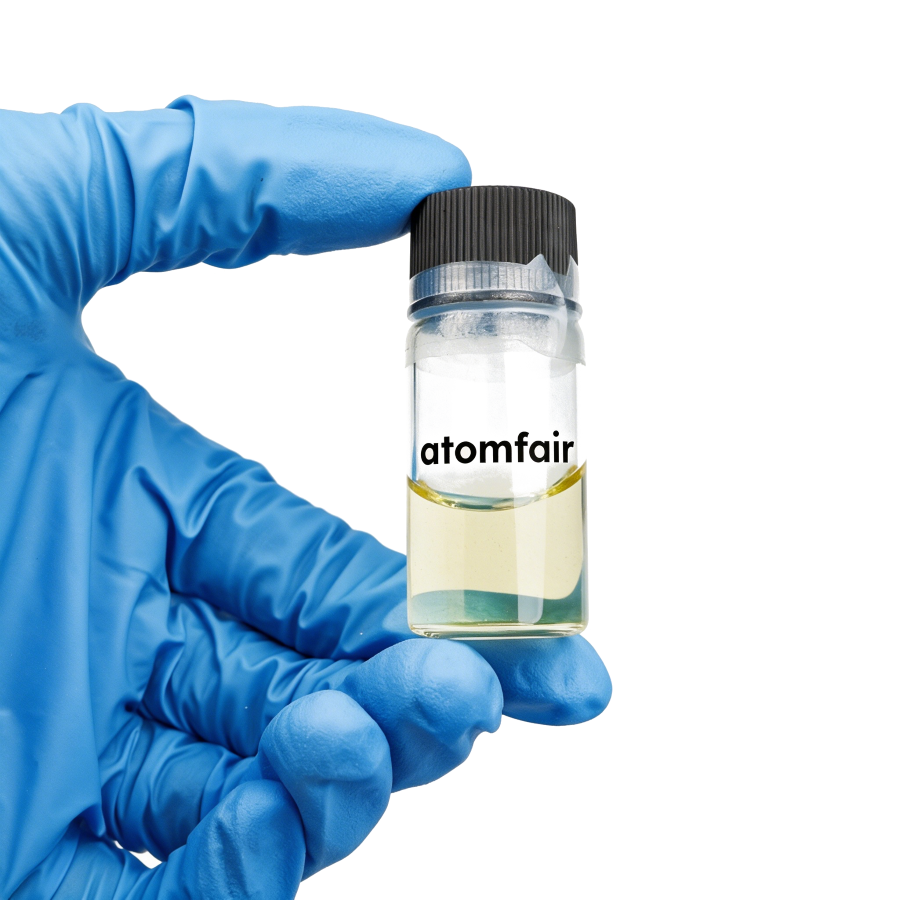
COOH-modified upconverting nanoparticles(near-infrared light), 10 mgProduct Type: Upconverting nanoparticle
Research-grade laboratory product
|
|||||||||||||||||||||||||||||||
|
|||||||||||||||||||||||||||||||
|
LABORATORY PROCUREMENT SUPPORT
For model selection, material format, solvent, concentration or configuration confirmation, contact our technical sales team.
E-MAIL: inquiry@atomfair.com
|
|||||||||||||||||||||||||||||||
|
Manufacturer: Atomfair LLC
Brand: ATOMFAIR®
|
Manufacturer: Atomfair LLC
Brand: ATOMFAIR®
How does the 804 nm emission wavelength of these COOH-modified upconverting nanoparticles compare to visible-emitting upconverting nanoparticles for in vivo imaging?
The 804 nm emission is in the near-infrared window, enabling deeper tissue penetration and reduced background autofluorescence compared to visible emission. The product is classified as near-infrared light upconverting nanoparticles, with an emission wavelength of 804 nm specified in the technical specifications.
What surface functionalization is available on these nanoparticles for bioconjugation to targeting ligands?
The nanoparticles are COOH-modified, providing carboxyl groups on the surface that can be activated for covalent conjugation to antibodies, peptides, or other biomolecules as indicated by the product name and specifications. The solvent is water, making them suitable for aqueous bioconjugation protocols.
What is the physical form of the supplied product: powder, dispersion, or solution?
Based on the technical specifications, the solvent is listed as water, indicating the product is supplied as a dispersion in water. The package size is 10 mg, and the product type is upconverting nanoparticle, consistent with a dispersion format for immediate use.
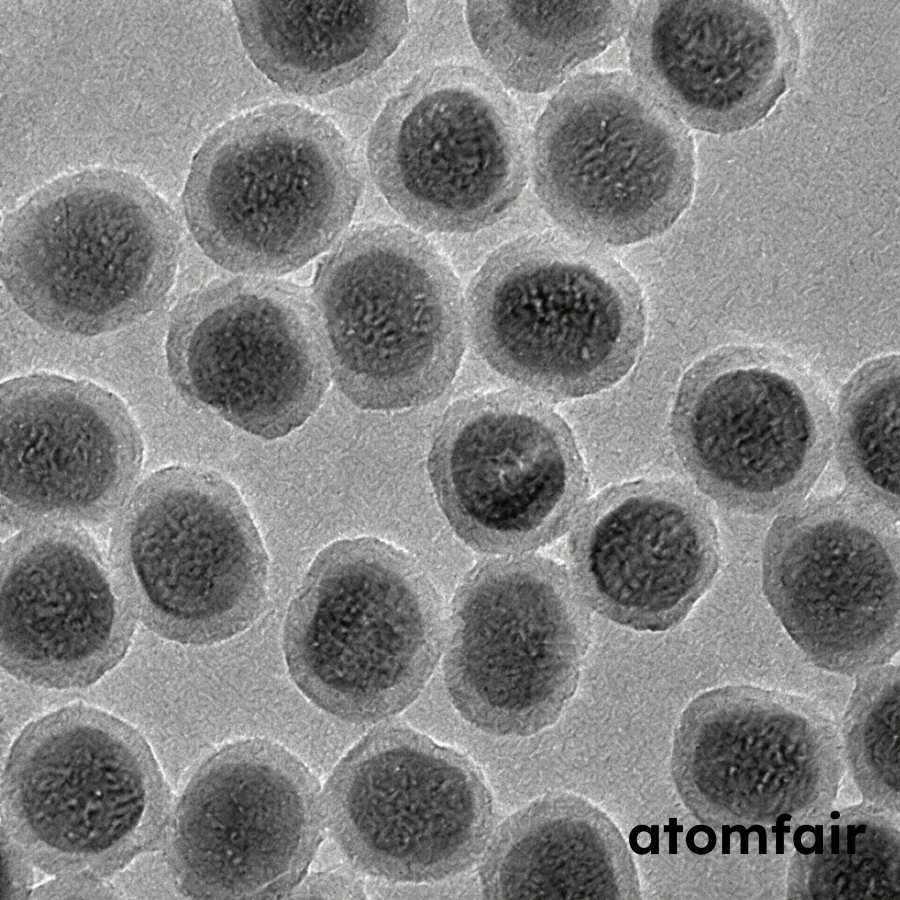
This COOH-modified upconverting nanoparticle (NaYREF4) with 35 nm diameter emits at 804 nm under NIR excitation and is supplied as a 10 mg aqueous dispersion. The carboxyl surface groups enable bioconjugation while the NIR emission reduces background autofluorescence; however the particle size limits renal clearance and the aqueous solvent may require phase transfer for non-polar applications.
Positive
- Carboxyl surface functionalization: COOH groups enable covalent bioconjugation with amine-containing biomolecules for targeted imaging or sensing applications.
- Near-infrared emission at 804 nm: Emission wavelength in the NIR biological window reduces tissue autofluorescence and scattering compared to visible-emitting probes.
Trade-offs
- Particle size limits renal clearance: At 35 nm diameter, these nanoparticles exceed the renal filtration threshold (~5.5 nm), potentially leading to prolonged retention in liver and spleen.
- Aqueous dispersion compatibility: Supplied in water; integration into organic-phase synthesis or hydrophobic environments may require additional surface ligand exchange or phase transfer steps.
Every advanced material, component, equipment, and instrument in our catalog is backed by rigorous testing. We maintain strict internal quality management frameworks and align with CE conformity metrics to deliver transparent, reproducible performance data via our public open-science repository.
To request raw batch performance data, submit formal vendor registration paperwork, or execute a fast-turnaround R&D manufacturing loop, contact us at inquiry@atomfair.com.
Item is dispatched under the Atomfair Shipping & Delivery Framework (Free worldwide shipping on orders over $59 USD excl. heavy equipment). Return is governed by the Atomfair Return & Refund Policy (7-day technical return window).