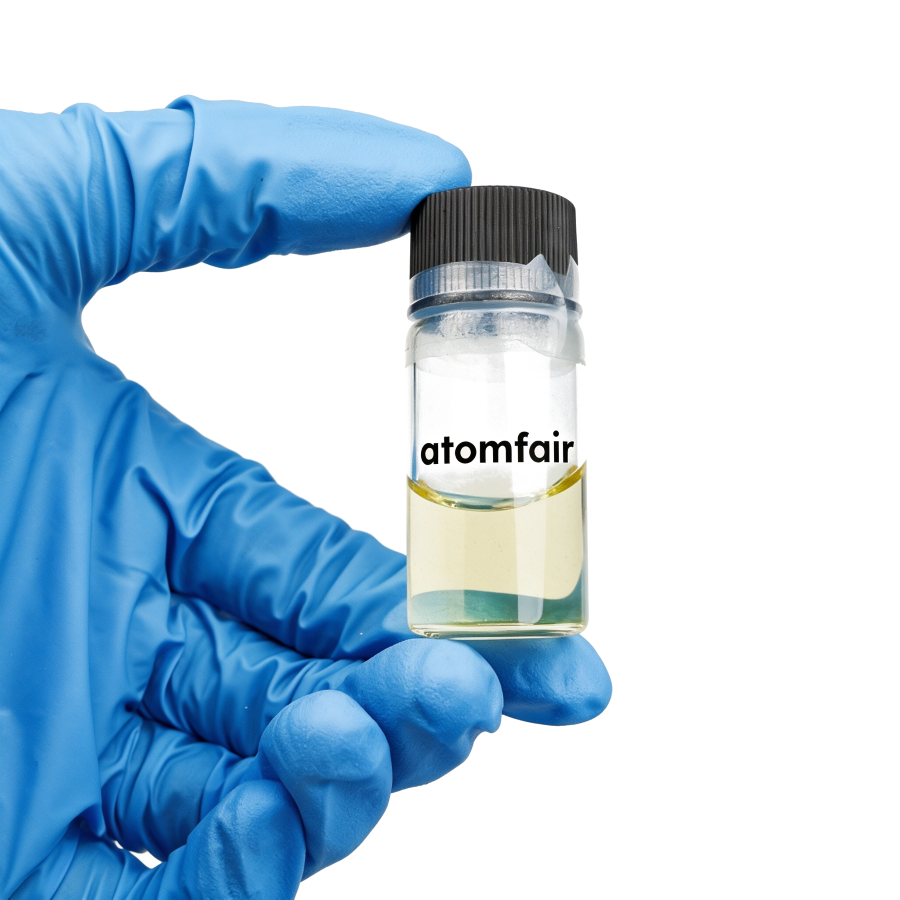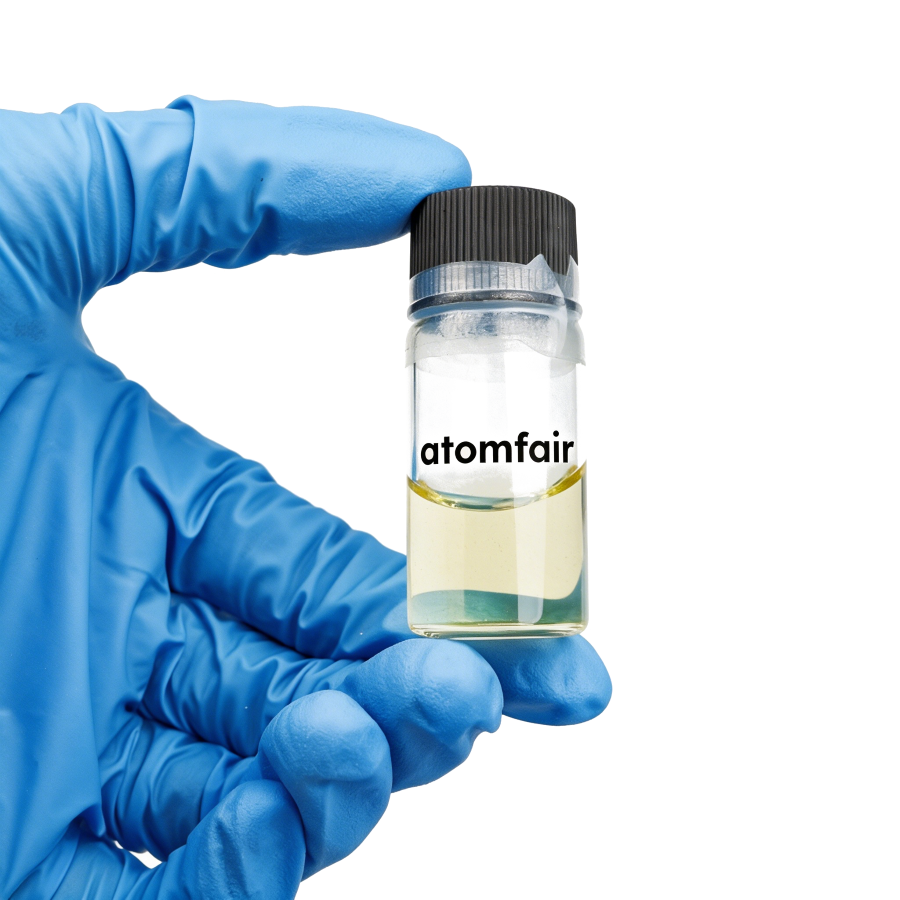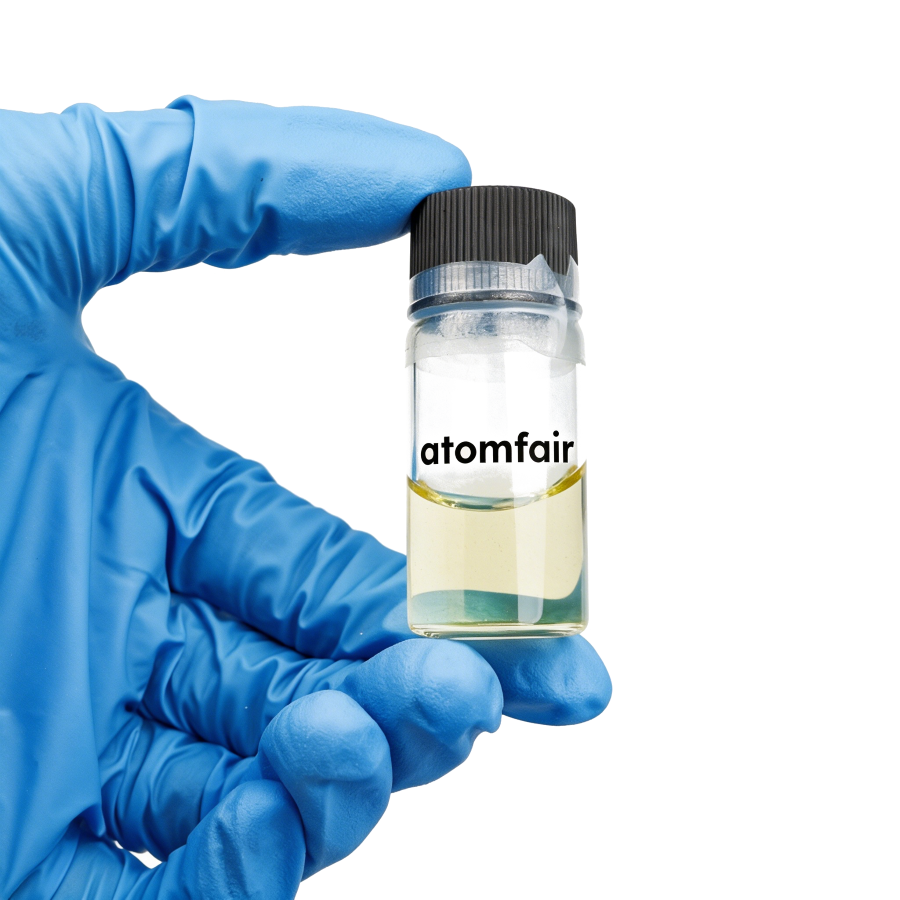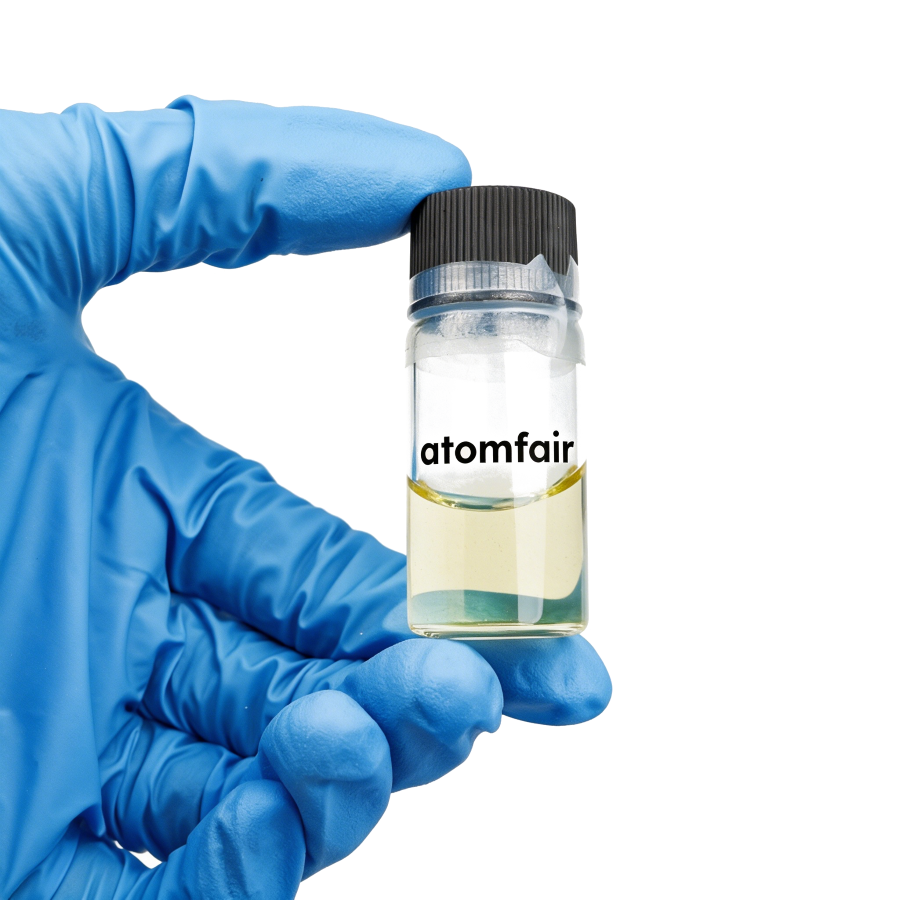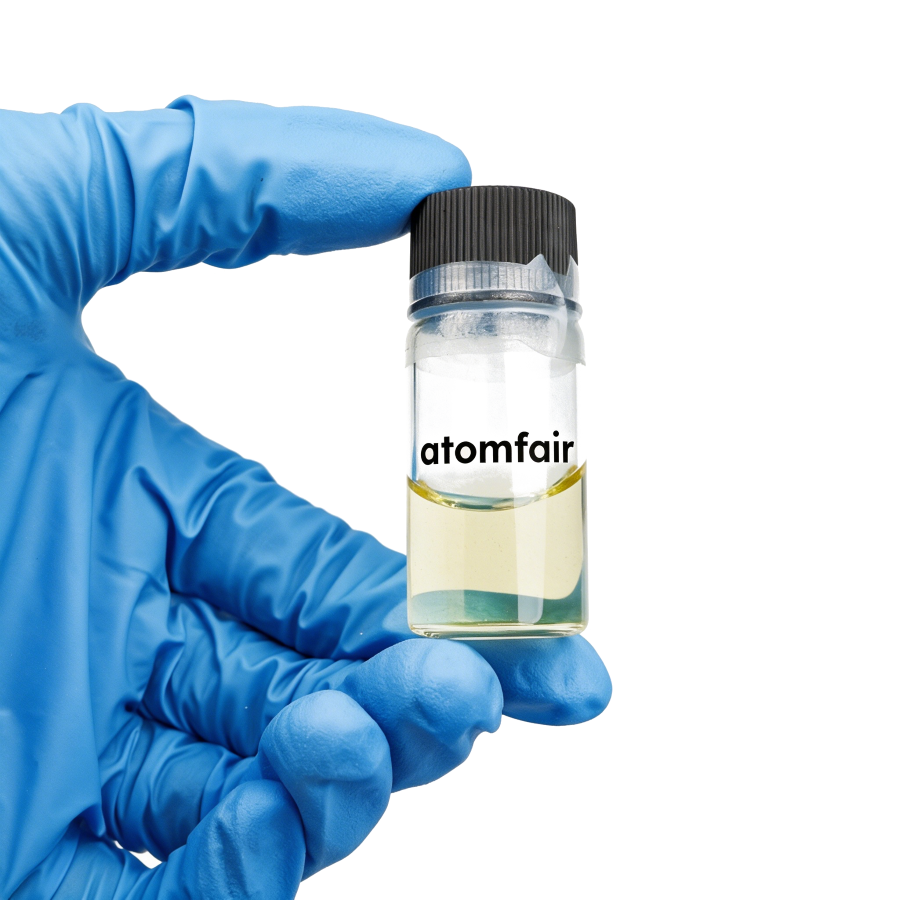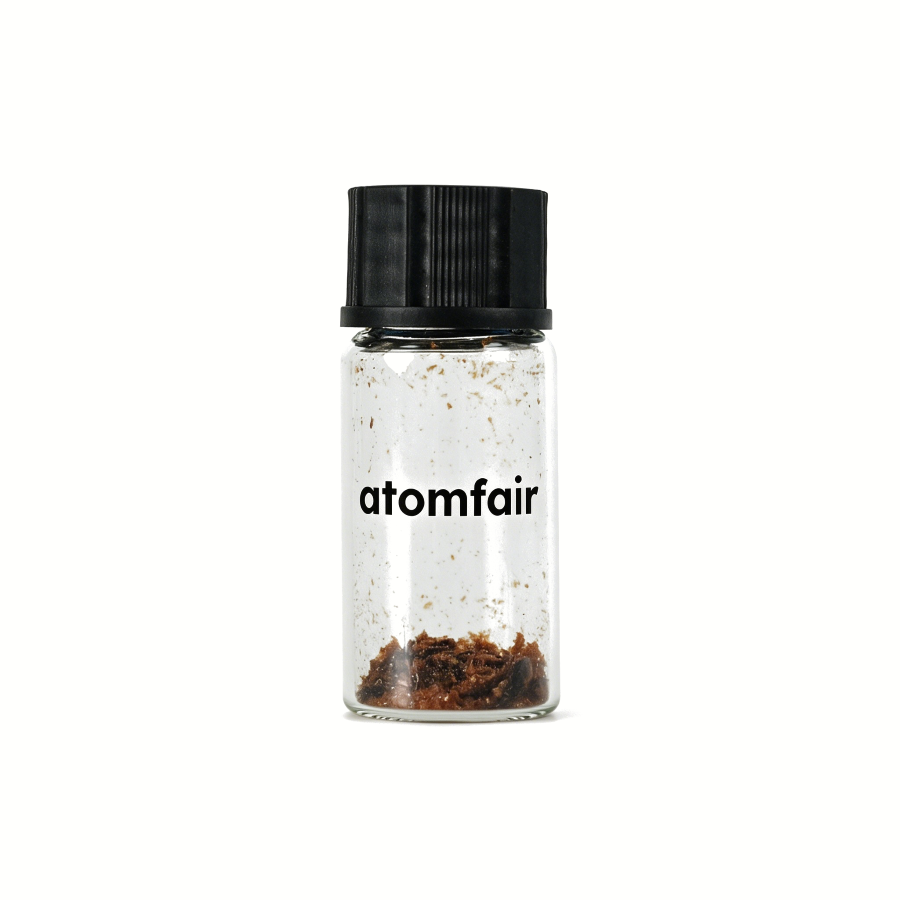
COOH-modified upconverting nanoparticles(hyacinthine light), 20 mgProduct Type: Upconverting nanoparticle
Research-grade laboratory product
|
|||||||||||||||||||||||||||||||
|
|||||||||||||||||||||||||||||||
|
LABORATORY PROCUREMENT SUPPORT
For model selection, material format, solvent, concentration or configuration confirmation, contact our technical sales team.
E-MAIL: inquiry@atomfair.com
|
|||||||||||||||||||||||||||||||
|
Manufacturer: Atomfair LLC
Brand: ATOMFAIR®
|
Manufacturer: Atomfair LLC
Brand: ATOMFAIR®
What is the optimal dispersion solvent for COOH-modified upconverting nanoparticles with hyacinthine light emission, and what are the storage implications for the 20 mg configuration?
The nanoparticles are supplied in water as the solvent, as specified in the product description. For the 20 mg powder format, researchers must confirm the intended preparation workflow and storage practice before use, as the product page advises matching powder or dispersion format to storage conditions. This water-based dispersion is suitable for biological detection and imaging workflows, but users should validate colloidal stability for their specific buffer or media before long-term storage.
How do the dual emission peaks at 365 nm and 475 nm affect detection filter selection for fluorescence imaging with this NaYREF4 nanoparticle?
The product's upconverting nanoparticle emits two distinct peaks at 365 nm and 475 nm, as stated in the specifications. Researchers designing fluorescence imaging or detection setups must select optical filters that isolate each emission band without crosstalk, particularly since 365 nm is in the UV region and 475 nm is in the visible blue. This dual-wavelength output can enable ratiometric sensing or multiplexed detection, but the excitation source (typically NIR) must be blocked with a suitable long-pass or band-pass filter to avoid saturating detectors.
What are the particle size and surface functionalization constraints for conjugating biomolecules to these 35 nm COOH-modified upconverting nanoparticles?
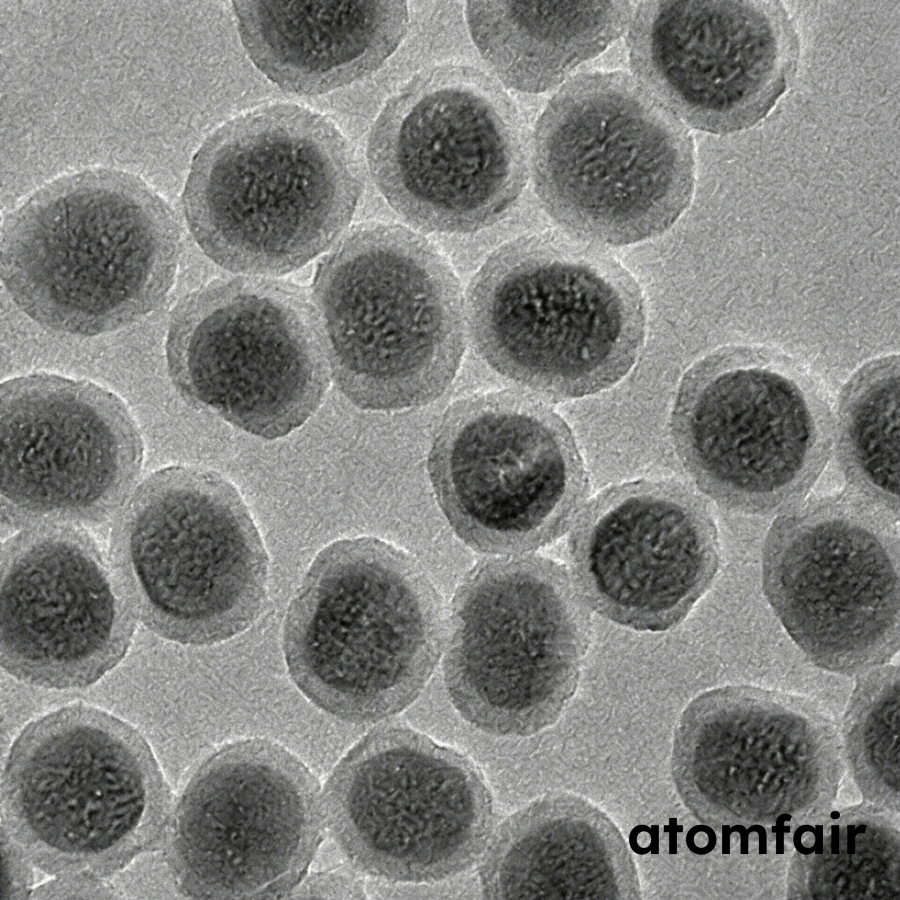
The nanoparticles have a particle size of 35 nm and are surface-modified with carboxyl (COOH) groups, as indicated in the product data. The COOH functionalization enables carbodiimide-mediated bioconjugation to amines on antibodies, peptides, or nucleic acids for targeted biological detection or photodynamic therapy. Researchers should note that the 35 nm size may influence cellular uptake kinetics and circulation half-life compared to smaller or larger upconverting nanoparticles, and the water solubility of the NaYREF4 matrix must be considered when optimizing coupling buffer pH and ionic strength.
Atomfair COOH-modified upconverting nanoparticles (hyacinthine light) with 35 nm diameter, dual emission at 365/475 nm, and carboxyl surface groups provide a versatile platform for bioimaging and photodynamic therapy, but the 35 nm size and water-only dispersion impose constraints on in vivo clearance and solvent compatibility.
Positive
- Dual emission peaks: The nanocrystals exhibit two distinct emission peaks at 365 nm and 475 nm under single-wavelength excitation, enabling ratiometric detection or dual-channel imaging without additional fluorophores.
- COOH surface functionalization: Carboxyl groups on the nanoparticle surface allow covalent bioconjugation via carbodiimide chemistry for targeted imaging or therapeutic applications.
Trade-offs
- 35 nm particle size: The 35 nm diameter may limit renal clearance and deep tissue penetration for in vivo applications compared to smaller nanoparticles.
- Water-only dispersion solvent: The nanoparticles are dispersed in water, restricting compatibility with non-aqueous formulations and requiring solvent exchange for use in organic-phase reactions or polymer composites.
Every advanced material, component, equipment, and instrument in our catalog is backed by rigorous testing. We maintain strict internal quality management frameworks and align with CE conformity metrics to deliver transparent, reproducible performance data via our public open-science repository.
To request raw batch performance data, submit formal vendor registration paperwork, or execute a fast-turnaround R&D manufacturing loop, contact us at inquiry@atomfair.com.
Item is dispatched under the Atomfair Shipping & Delivery Framework (Free worldwide shipping on orders over $59 USD excl. heavy equipment). Return is governed by the Atomfair Return & Refund Policy (7-day technical return window).