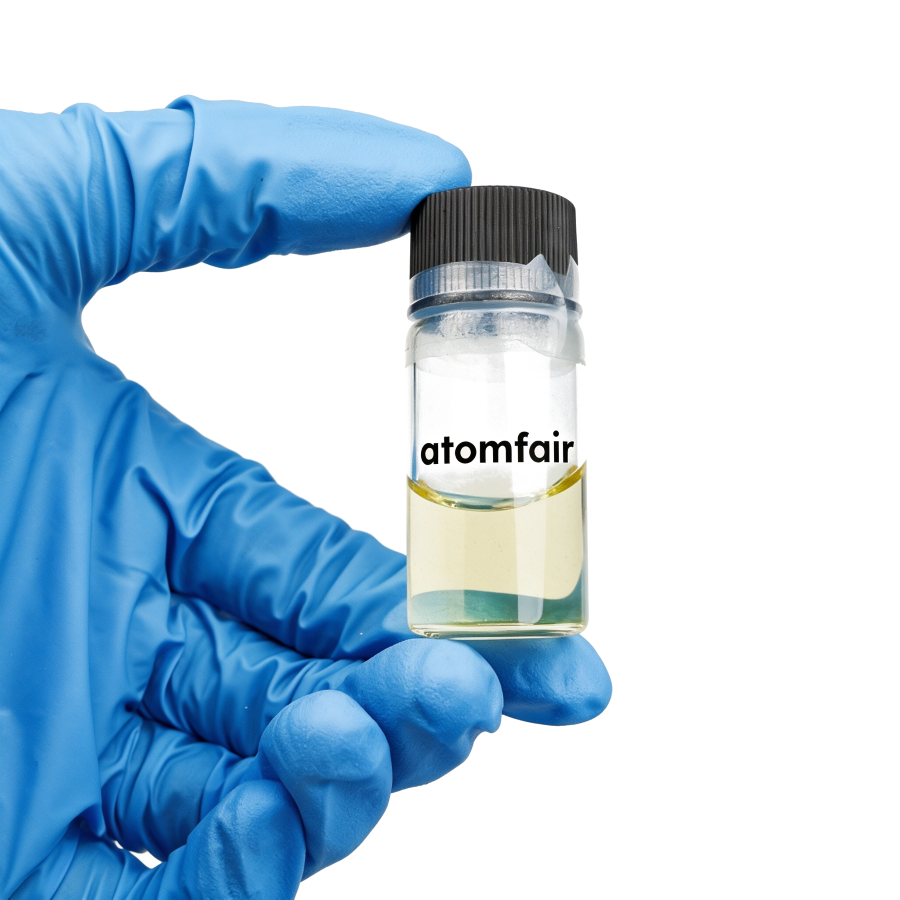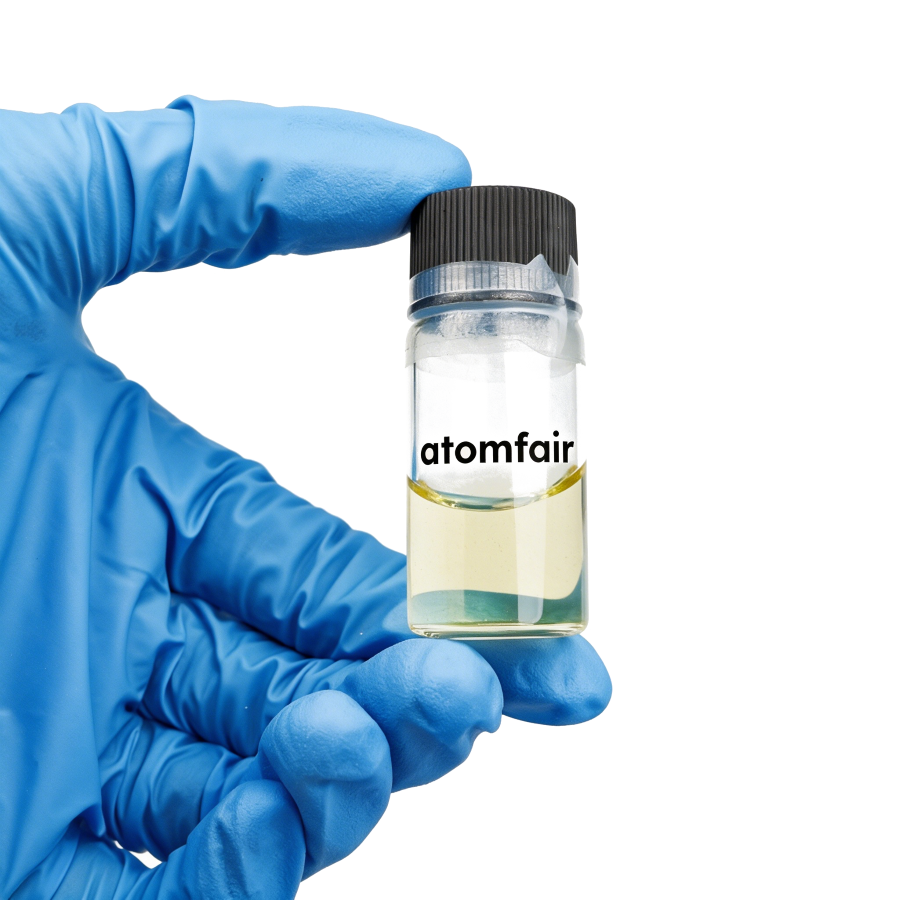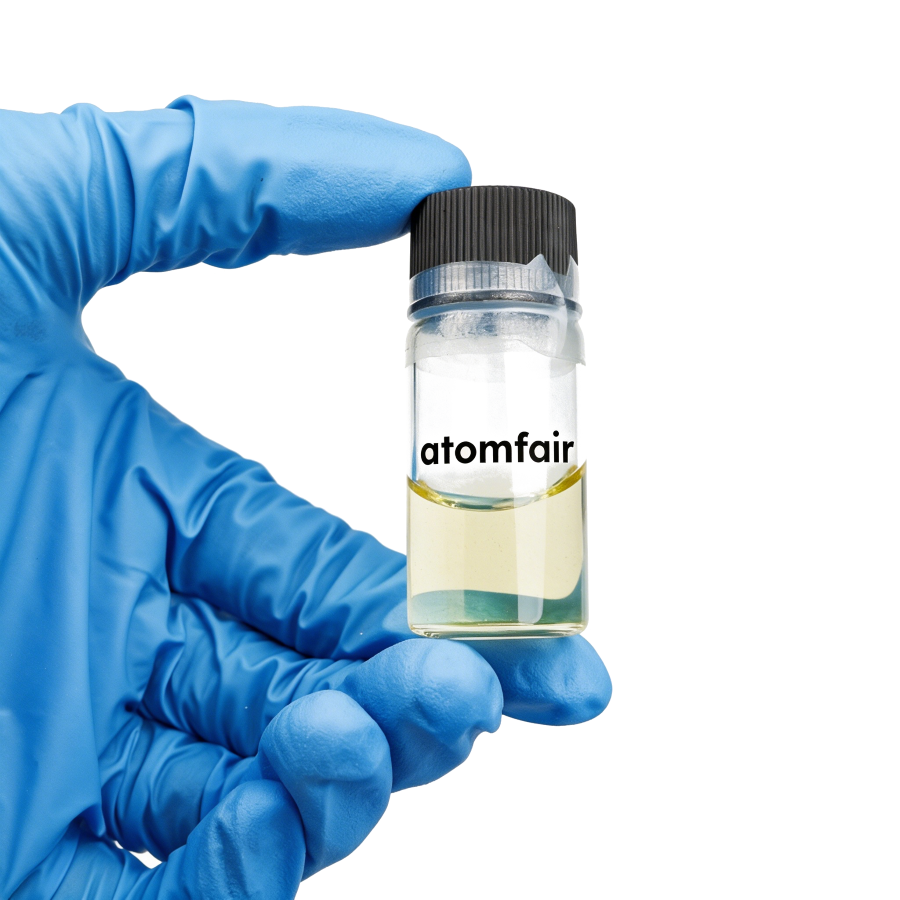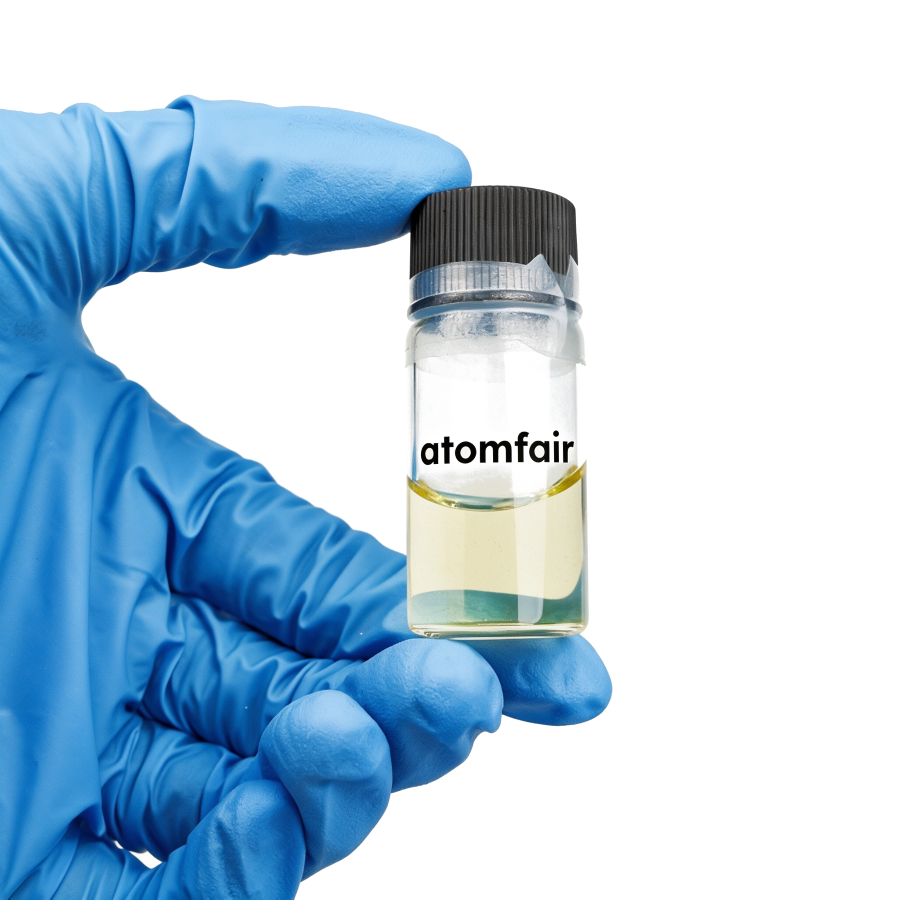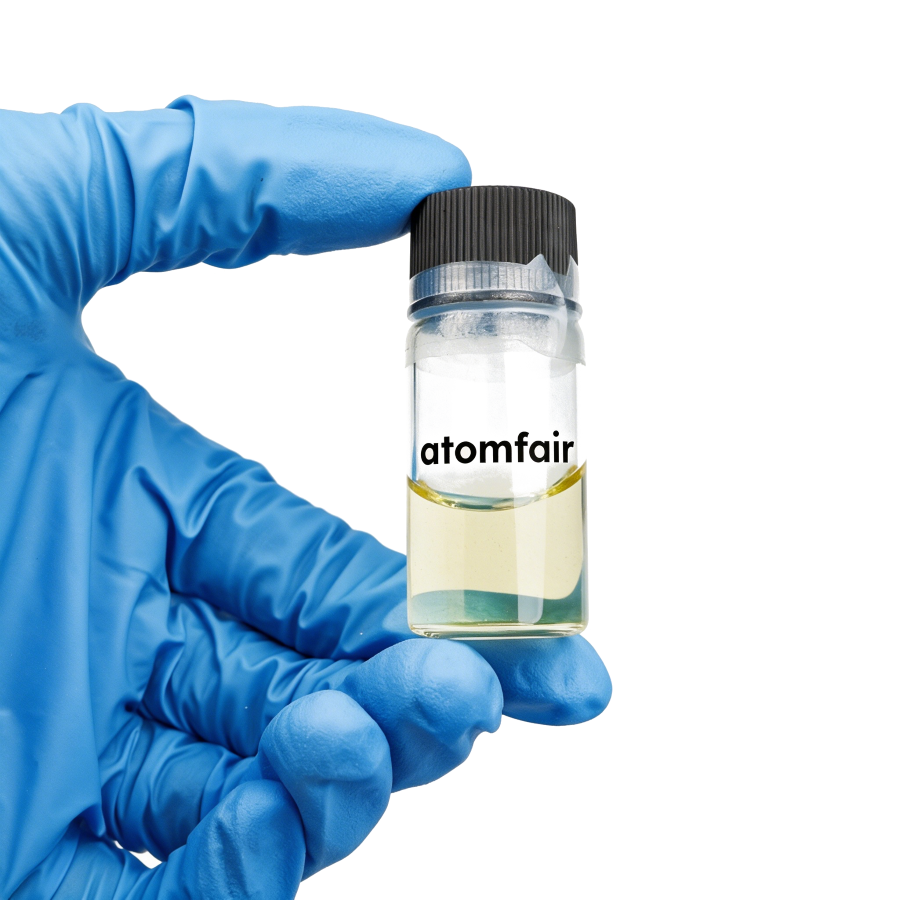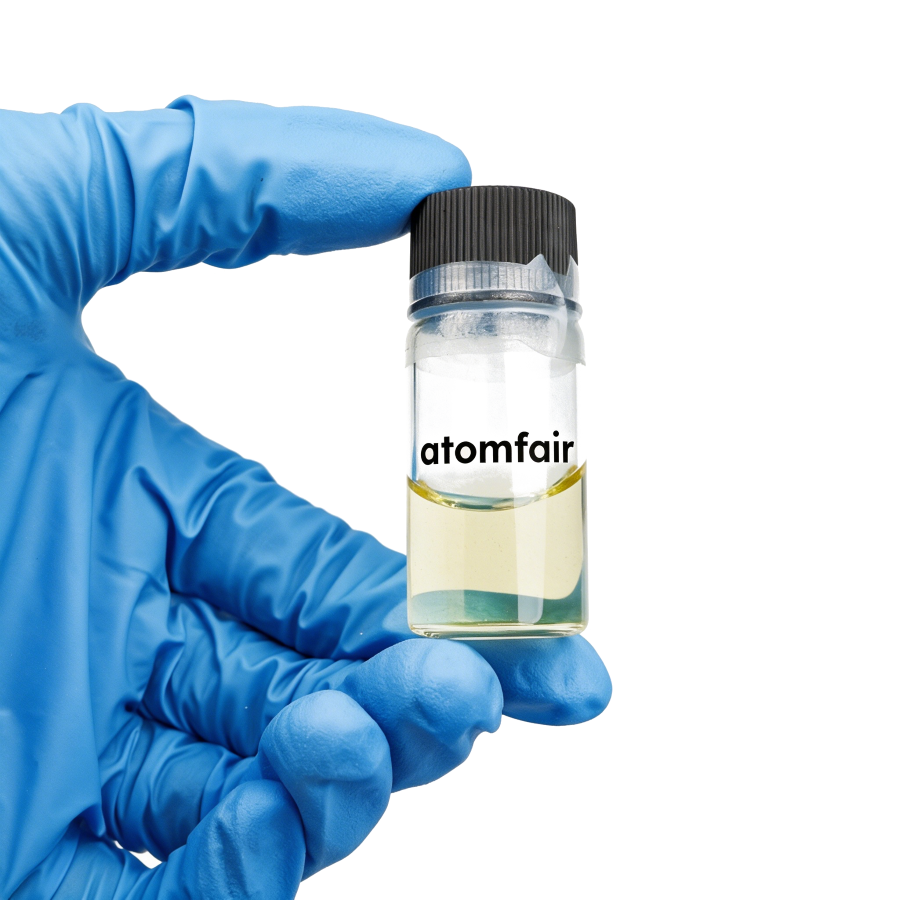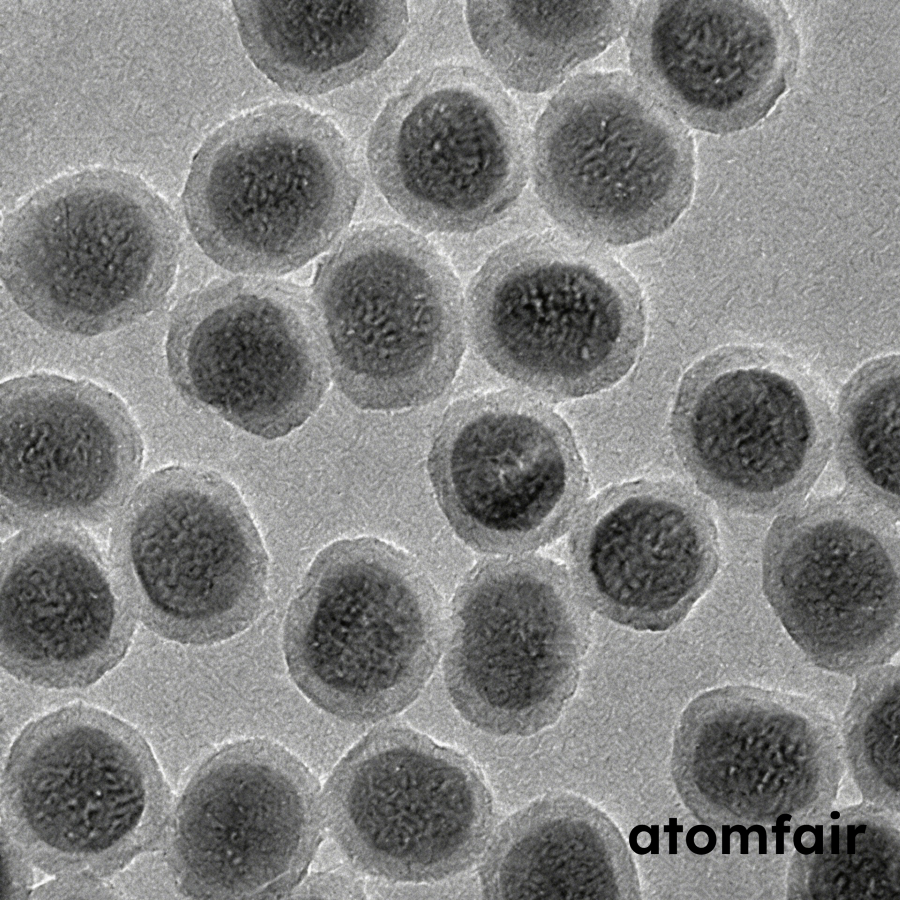
COOH-modified upconverting nanoparticles(hyacinthine light), 10 mgProduct Type: Upconverting nanoparticle
Research-grade laboratory product
|
|||||||||||||||||||||||||||||||
|
|||||||||||||||||||||||||||||||
|
LABORATORY PROCUREMENT SUPPORT
For model selection, material format, solvent, concentration or configuration confirmation, contact our technical sales team.
E-MAIL: inquiry@atomfair.com
|
|||||||||||||||||||||||||||||||
|
Manufacturer: Atomfair LLC
Brand: ATOMFAIR®
|
Manufacturer: Atomfair LLC
Brand: ATOMFAIR®
What is the emission wavelength trade-off for COOH-modified upconverting nanoparticles with hyacinthine light at 35 nm particle size?
These nanoparticles exhibit dual emission peaks at 365 nm and 475 nm, which is characteristic of the NaYREF4 host material. The 35 nm particle size influences the upconversion efficiency and spectral purity, with smaller particles typically reducing luminescence intensity due to increased surface quenching, but enabling better cellular uptake for biological applications.
Can COOH-modified upconverting nanoparticles be directly integrated into aqueous biological assays without additional surface functionalization?
Yes, these nanoparticles are supplied in water as the solvent, making them compatible with aqueous biological workflows. The COOH (carboxyl) surface modification enables direct bioconjugation to antibodies, proteins, or DNA via EDC/NHS coupling, eliminating the need for additional surface coating steps for fluorescence imaging or photodynamic therapy applications.
What storage and handling precautions are required for 10 mg of COOH-modified upconverting nanoparticles in water dispersion?
The product is supplied as a water dispersion at 10 mg package size, requiring storage away from direct light to prevent photodegradation of the upconversion luminescence. Users should confirm the concentration and solvent before use, and avoid freeze-thaw cycles to maintain colloidal stability of the 35 nm particles.
This COOH-modified upconverting nanoparticle (NaYREF4, 35 nm) provides dual emission at 365/475 nm for multiplexed bioimaging, but its fixed aqueous dispersion and particle size impose constraints on solvent compatibility and cellular uptake.
Positive
- Dual emission at 365 and 475 nm: The nanoparticles exhibit two distinct emission peaks at 365 nm and 475 nm under upconversion excitation, enabling ratiometric sensing or multi-channel imaging without spectral overlap.
- Carboxyl surface functionalization: COOH modification provides reactive sites for covalent bioconjugation with antibodies, peptides, or nucleic acids, facilitating targeted bioimaging and therapeutic applications.
Trade-offs
- Fixed particle size of 35 nm: The specified 35 nm particle diameter may limit cellular uptake efficiency and influence biodistribution in vivo, requiring careful consideration for intracellular delivery applications.
- Aqueous dispersion only: Supplied in water as the solvent; users requiring organic-phase processing or hydrophobic environments must perform additional surface modification or solvent exchange steps.
Every advanced material, component, equipment, and instrument in our catalog is backed by rigorous testing. We maintain strict internal quality management frameworks and align with CE conformity metrics to deliver transparent, reproducible performance data via our public open-science repository.
To request raw batch performance data, submit formal vendor registration paperwork, or execute a fast-turnaround R&D manufacturing loop, contact us at inquiry@atomfair.com.
Item is dispatched under the Atomfair Shipping & Delivery Framework (Free worldwide shipping on orders over $59 USD excl. heavy equipment). Return is governed by the Atomfair Return & Refund Policy (7-day technical return window).