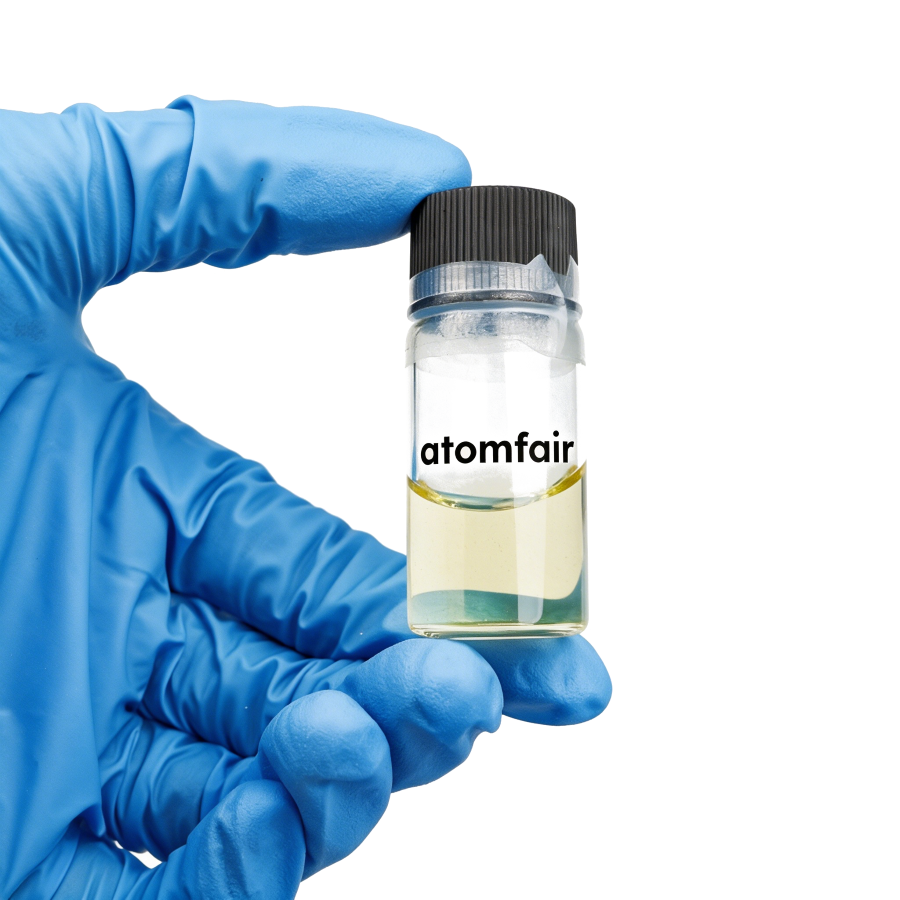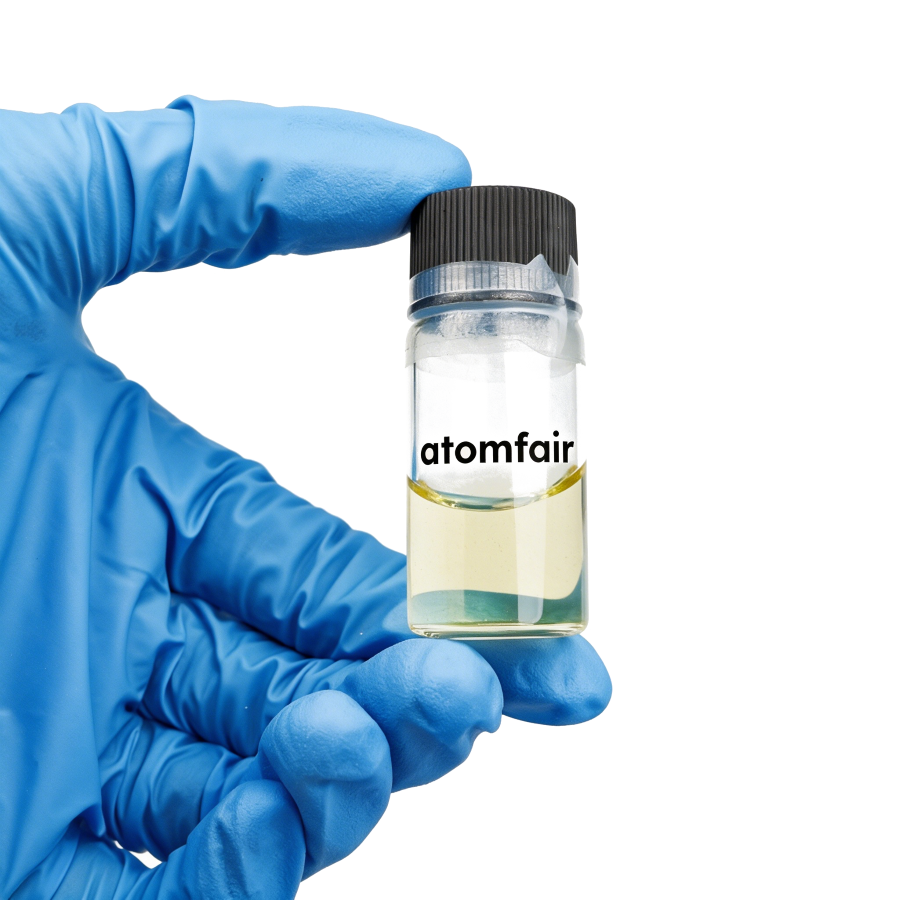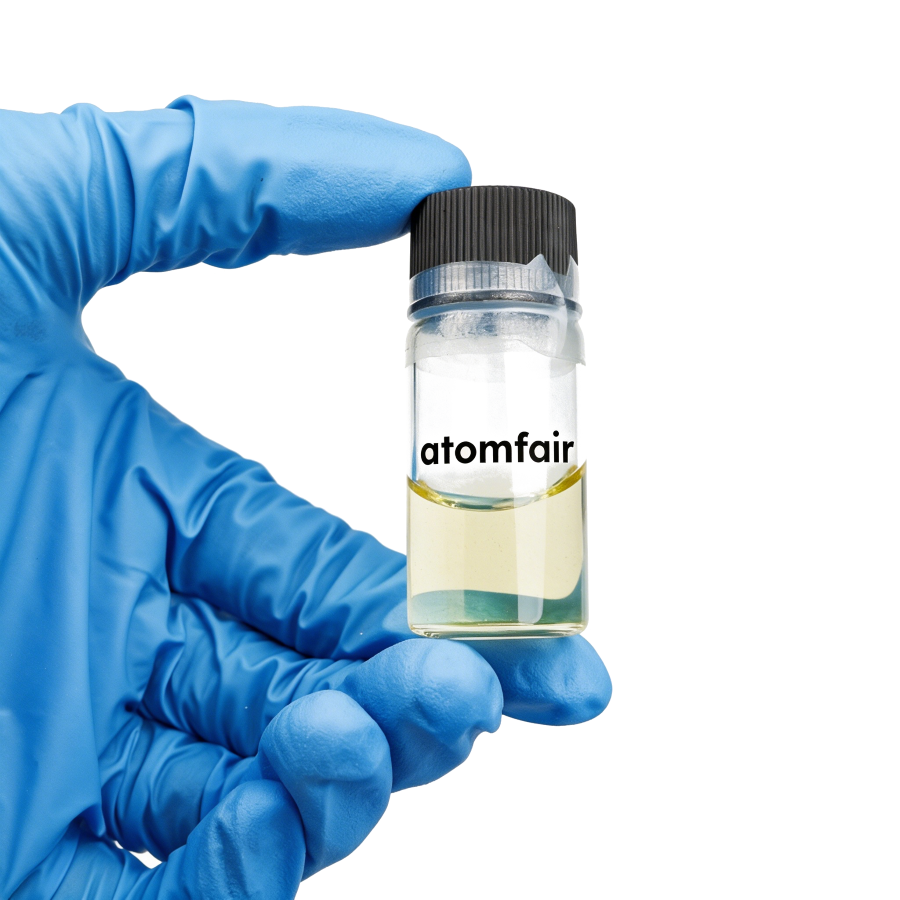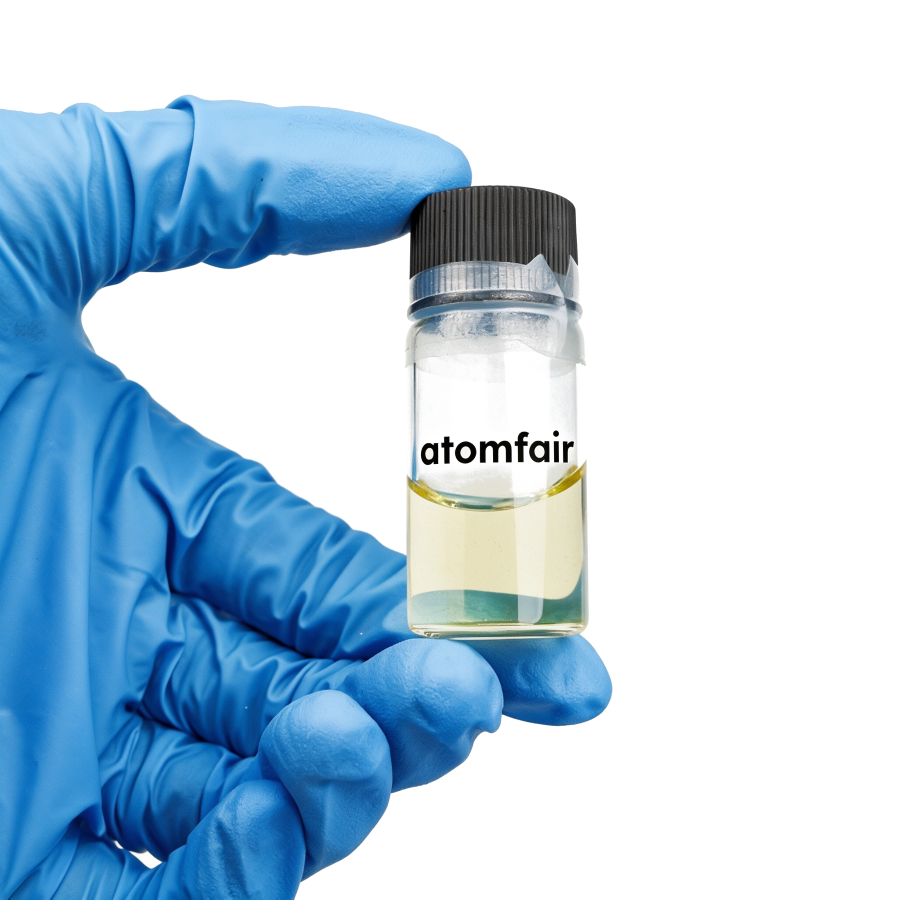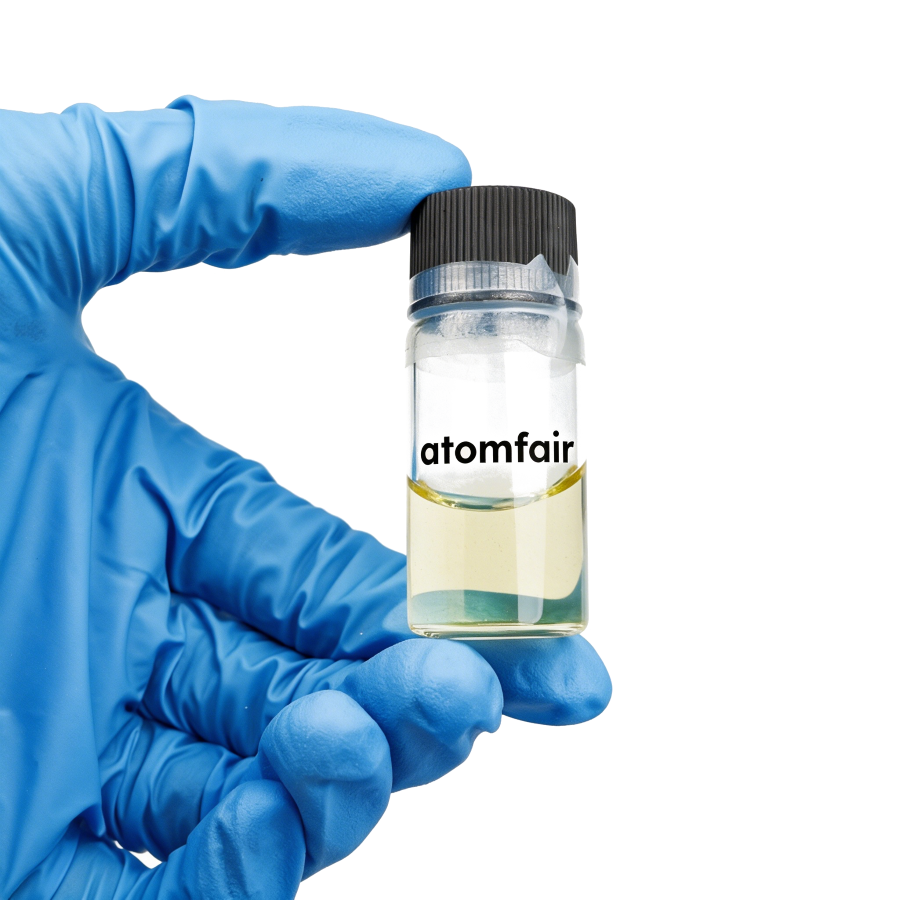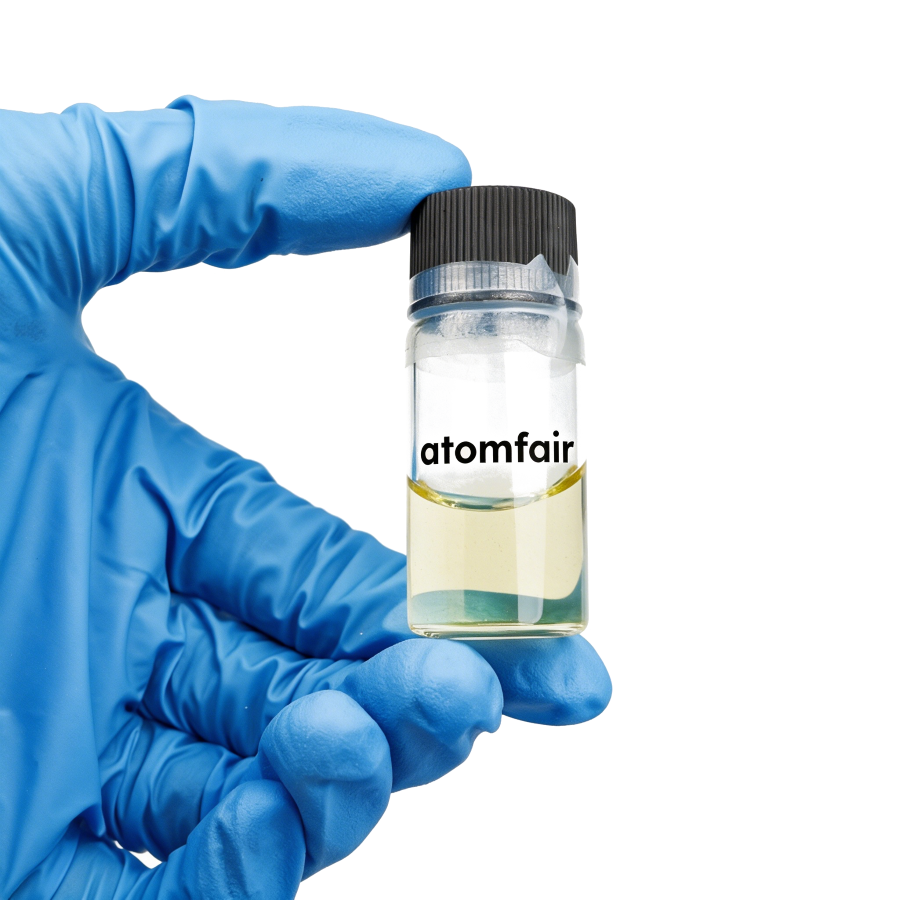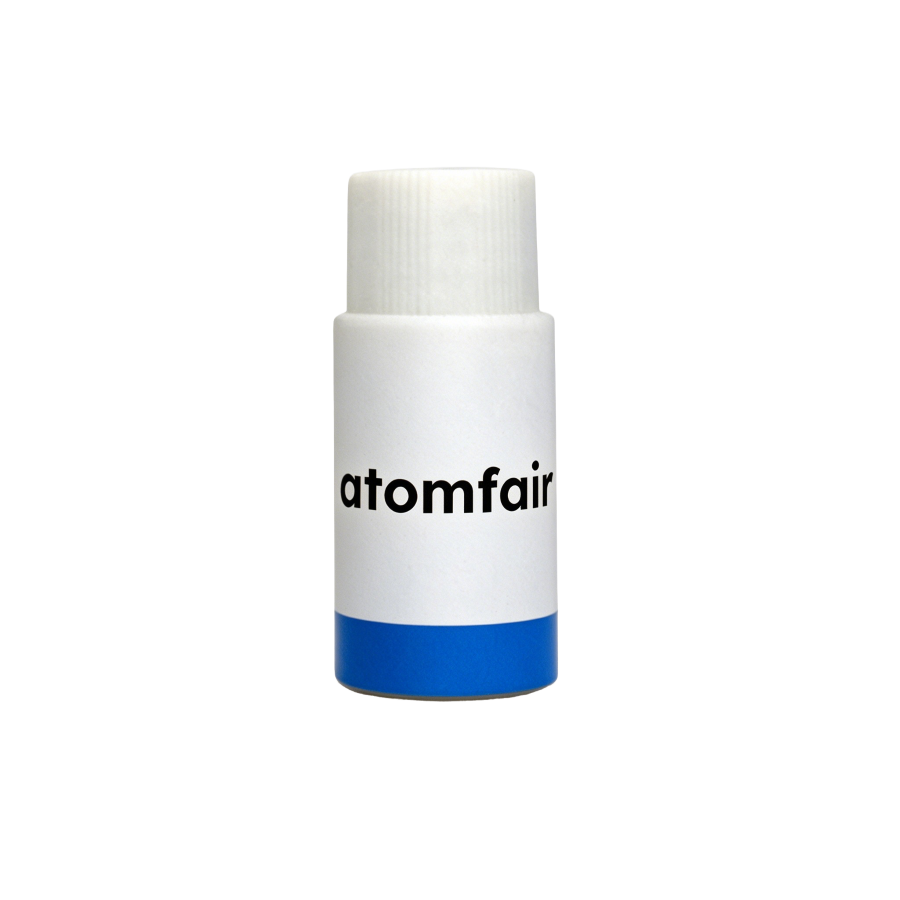
NH 2-modified upconverting nanoparticles(near-infrared light), 10 mgProduct Type: Upconverting nanoparticle
Research-grade laboratory product
|
|||||||||||||||||||||||||||||||
|
|||||||||||||||||||||||||||||||
|
LABORATORY PROCUREMENT SUPPORT
For model selection, material format, solvent, concentration or configuration confirmation, contact our technical sales team.
E-MAIL: inquiry@atomfair.com
|
|||||||||||||||||||||||||||||||
|
Manufacturer: Atomfair LLC
Brand: ATOMFAIR®
|
Manufacturer: Atomfair LLC
Brand: ATOMFAIR®
How does the NH2 surface modification on these upconverting nanoparticles affect their luminescence performance compared to unmodified particles?
The NH2 modification provides amine functional groups for bioconjugation, which can introduce surface defects that may slightly reduce upconversion efficiency compared to bare particles. However, the product is optimized for biological labeling, where the 35 nm particle size and NaYREF4 host composition still yield detectable emission at 804 nm under near-infrared excitation. The trade-off between functionalizability and luminescence is typical for surface-modified upconverting nanoparticles.
Are these NH2-modified upconverting nanoparticles suitable for use in aqueous biological environments?
Yes, these nanoparticles are dispersed in water and have NH2 surface groups that enable conjugation to biomolecules, making them directly compatible with aqueous biological assays. The emission wavelength of 804 nm falls within the near-infrared biological window, minimizing interference from biological samples.
What is the physical form of these upconverting nanoparticles and what handling considerations are needed for laboratory use?
The product is supplied as a dispersion in water with a package size of 10 mg. As a research-grade laboratory product, it should be handled using standard nanomaterial safety protocols, including gloves and eye protection, and stored in a cool, dark environment to maintain stability. The NH2 surface groups are reactive and may require immediate use after opening to preserve functionality.
This NH2-modified upconverting nanoparticle (NaYREF4, 35 nm, 804 nm emission) is supplied as a 10 mg powder in water, suitable for NIR-to-NIR luminescence applications requiring amine surface functionality for bioconjugation.
Positive
- NIR excitation and emission: Excitation and emission both in the near-infrared region (804 nm) minimizes autofluorescence background in biological imaging and enables deeper tissue penetration compared to visible-light emitters.
- Amine surface modification: NH2 functionalization provides a reactive handle for covalent conjugation to biomolecules, antibodies, or targeting ligands without requiring additional surface activation steps.
Trade-offs
- Small batch size constraint: Supplied as 10 mg powder, which limits experimental scale to small-volume assays or proof-of-concept studies; larger syntheses would require multiple units or custom orders.
- Water-based dispersion stability: Dispersed in water, the nanoparticles may require sonication or surfactant addition to prevent aggregation over time, and storage conditions must be controlled to maintain colloidal stability.
Every advanced material, component, equipment, and instrument in our catalog is backed by rigorous testing. We maintain strict internal quality management frameworks and align with CE conformity metrics to deliver transparent, reproducible performance data via our public open-science repository.
To request raw batch performance data, submit formal vendor registration paperwork, or execute a fast-turnaround R&D manufacturing loop, contact us at inquiry@atomfair.com.
Item is dispatched under the Atomfair Shipping & Delivery Framework (Free worldwide shipping on orders over $59 USD excl. heavy equipment). Return is governed by the Atomfair Return & Refund Policy (7-day technical return window).