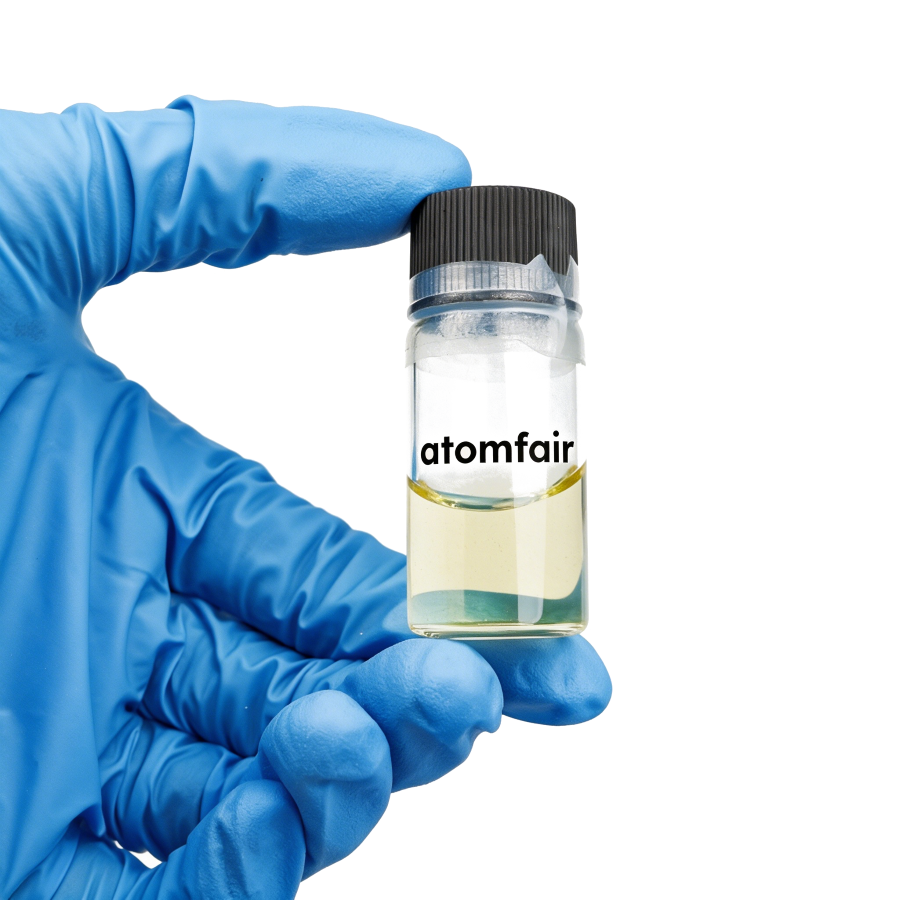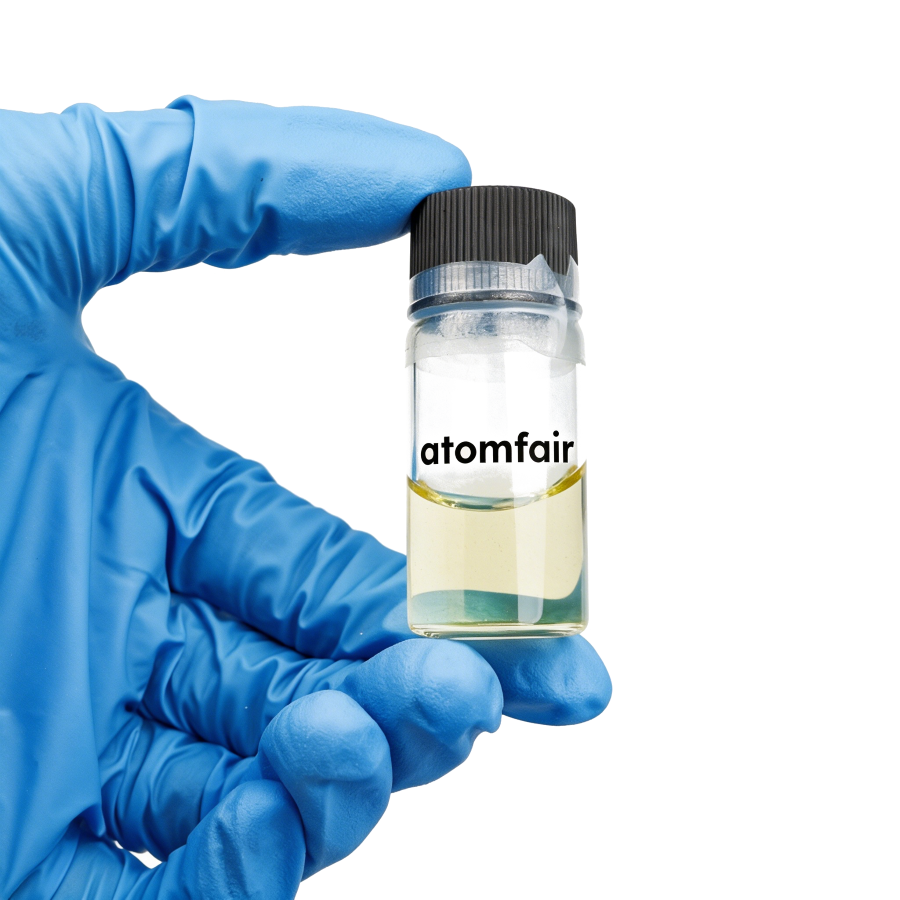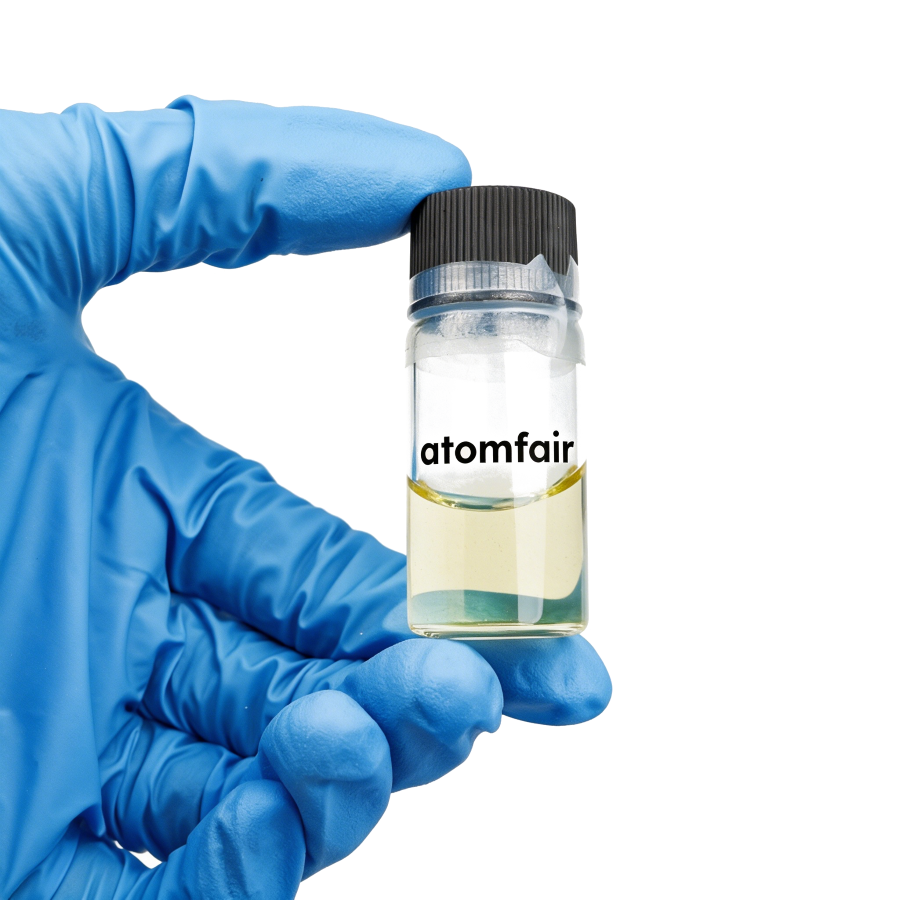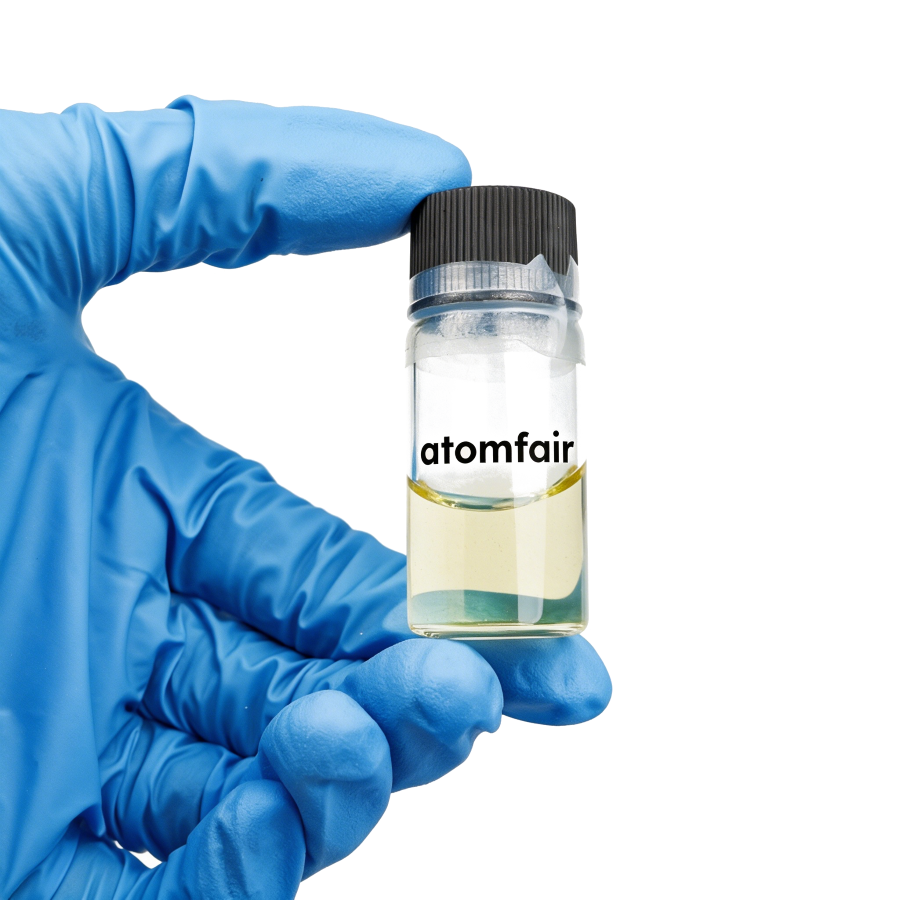
NH 2-modified upconverting nanoparticles(greenyellow light), 20 mgProduct Type: Upconverting nanoparticle
Research-grade laboratory product
|
|||||||||||||||||||||||||||||||
|
|||||||||||||||||||||||||||||||
|
LABORATORY PROCUREMENT SUPPORT
For model selection, material format, solvent, concentration or configuration confirmation, contact our technical sales team.
E-MAIL: inquiry@atomfair.com
|
|||||||||||||||||||||||||||||||
|
Manufacturer: Atomfair LLC
Brand: ATOMFAIR®
|
Manufacturer: Atomfair LLC
Brand: ATOMFAIR®
How does the dual emission at 545 nm and 660 nm affect the performance of NH2-modified upconverting nanoparticles compared to single-color upconverters for multiplexed imaging?
These upconverting nanoparticles (NaYREF4, 35 nm) emit at two distinct wavelengths, 545 nm and 660 nm, enabling dual-channel detection. The source does not provide relative intensity or quantum efficiency data, so the trade-off between multiplexing capability and per-channel brightness must be assessed experimentally under your specific excitation and detection conditions.
What are the compatibility constraints of NH2-modified upconverting nanoparticles (NaYREF4, 35 nm) with biological buffers and assays?
The nanoparticles are supplied in water as the solvent, indicating aqueous compatibility. The NH2 surface modification provides amine groups for potential bioconjugation, but the source does not specify stability in common buffers such as PBS or cell culture media. Users must validate dispersion stability and fluorescence retention under their intended assay conditions before use.
What are the recommended storage and handling conditions for NH2-modified upconverting nanoparticles (20 mg, water dispersion) to maintain optical stability?
The source does not specify storage temperature, light sensitivity, or shelf life for this product. The solvent is water and particle size is 35 nm, but no handling instructions are provided. For optimal stability, contact Atomfair technical sales (inquiry@atomfair.com) for recommended storage conditions, including temperature and light protection.
This NH2-modified upconverting nanoparticle (35 nm, 545/660 nm emission) in water provides dual-wavelength luminescence suitable for ratiometric sensing, but the unspecified dispersion concentration and colloidal sensitivity of the amine surface groups require pre-purchase confirmation and careful handling.
Positive
- Dual emission peaks at 545 nm and 660 nm: The nanoparticles emit at two distinct wavelengths (545 nm and 660 nm), enabling multicolor imaging or ratiometric luminescence measurements.
- Water-based solvent for bio-compatibility: The nanoparticles are dispersed in water, facilitating direct use in aqueous biological assays without organic solvent interference.
Trade-offs
- Concentration not specified in product listing: The exact nanoparticle concentration in the water dispersion is not provided; buyers must confirm the concentration with the supplier before ordering to ensure compatibility with their experimental design.
- Storage and handling requirements for colloidal stability: The NH2-modified surface and water dispersion may be sensitive to pH, ionic strength, and temperature; proper storage and handling protocols are necessary to prevent aggregation and maintain optical performance.
Every advanced material, component, equipment, and instrument in our catalog is backed by rigorous testing. We maintain strict internal quality management frameworks and align with CE conformity metrics to deliver transparent, reproducible performance data via our public open-science repository.
To request raw batch performance data, submit formal vendor registration paperwork, or execute a fast-turnaround R&D manufacturing loop, contact us at inquiry@atomfair.com.
Item is dispatched under the Atomfair Shipping & Delivery Framework (Free worldwide shipping on orders over $59 USD excl. heavy equipment). Return is governed by the Atomfair Return & Refund Policy (7-day technical return window).