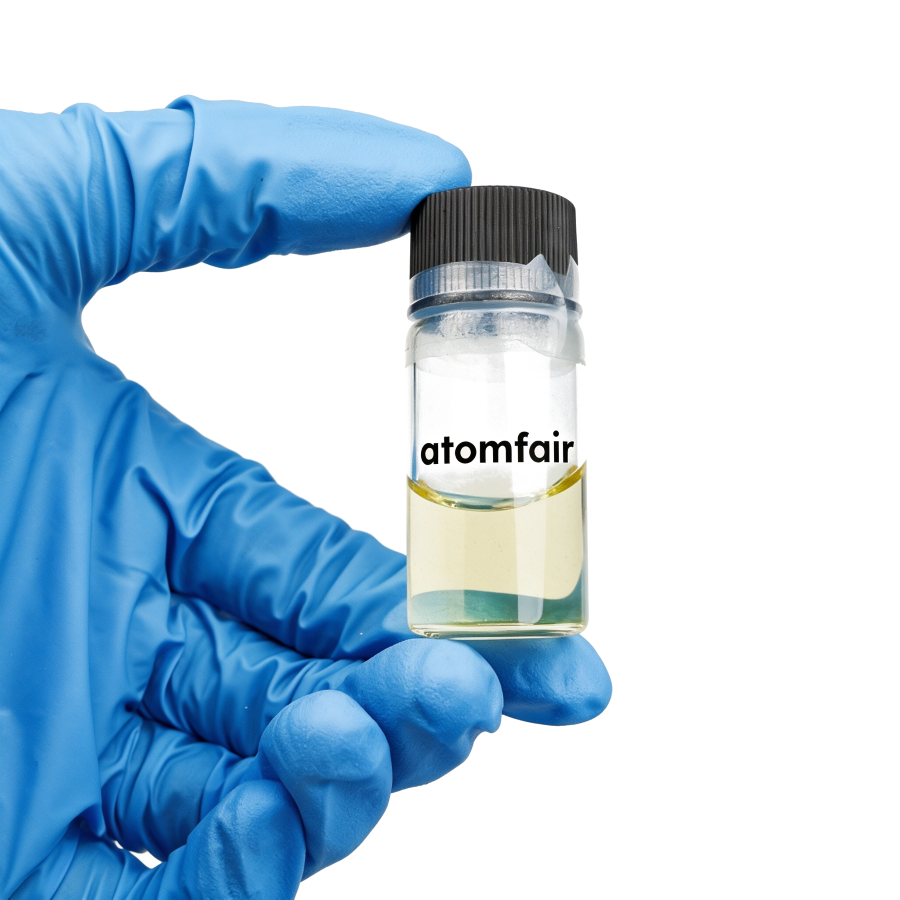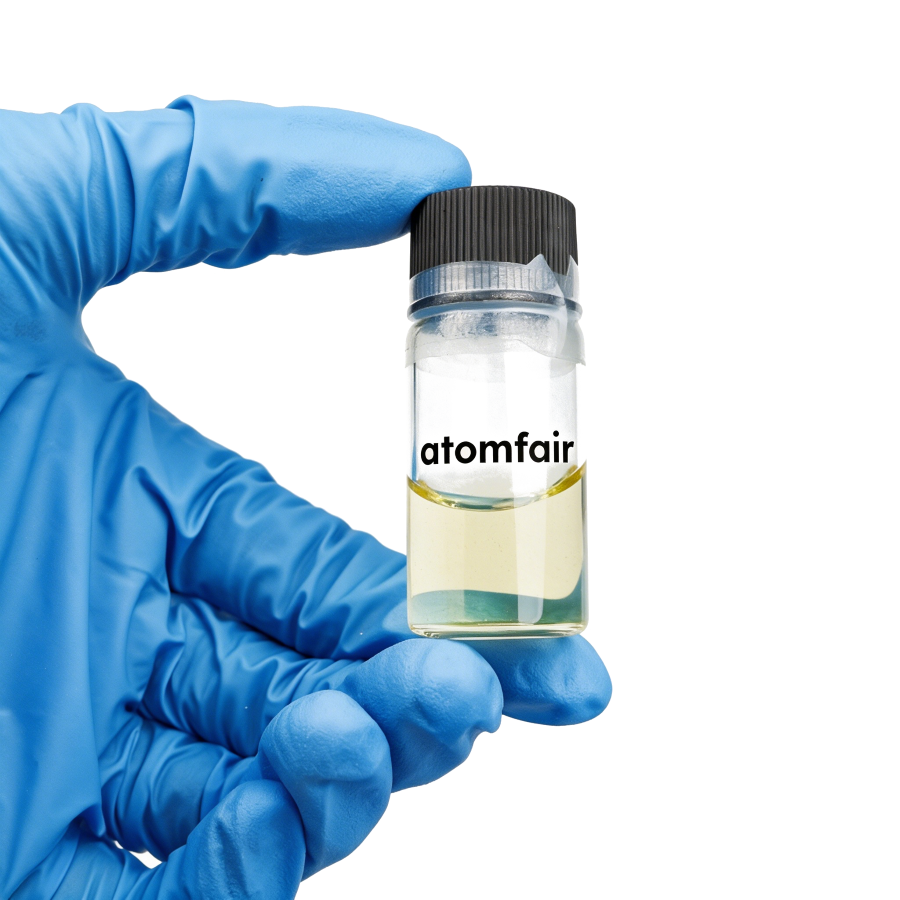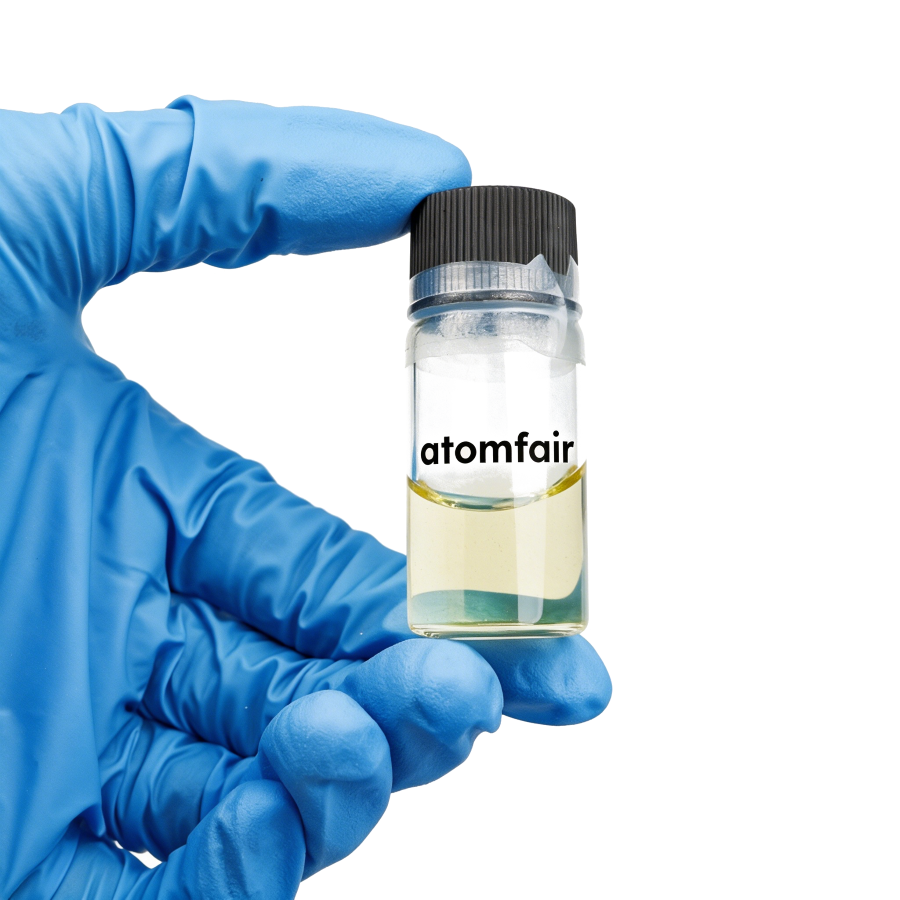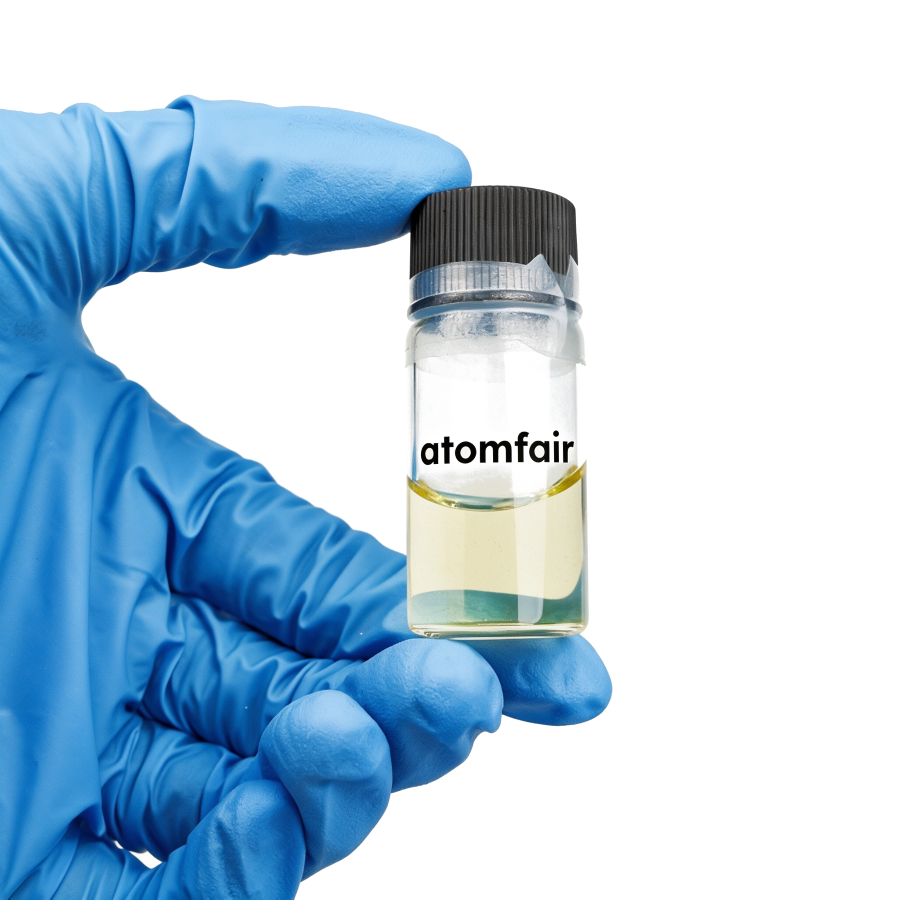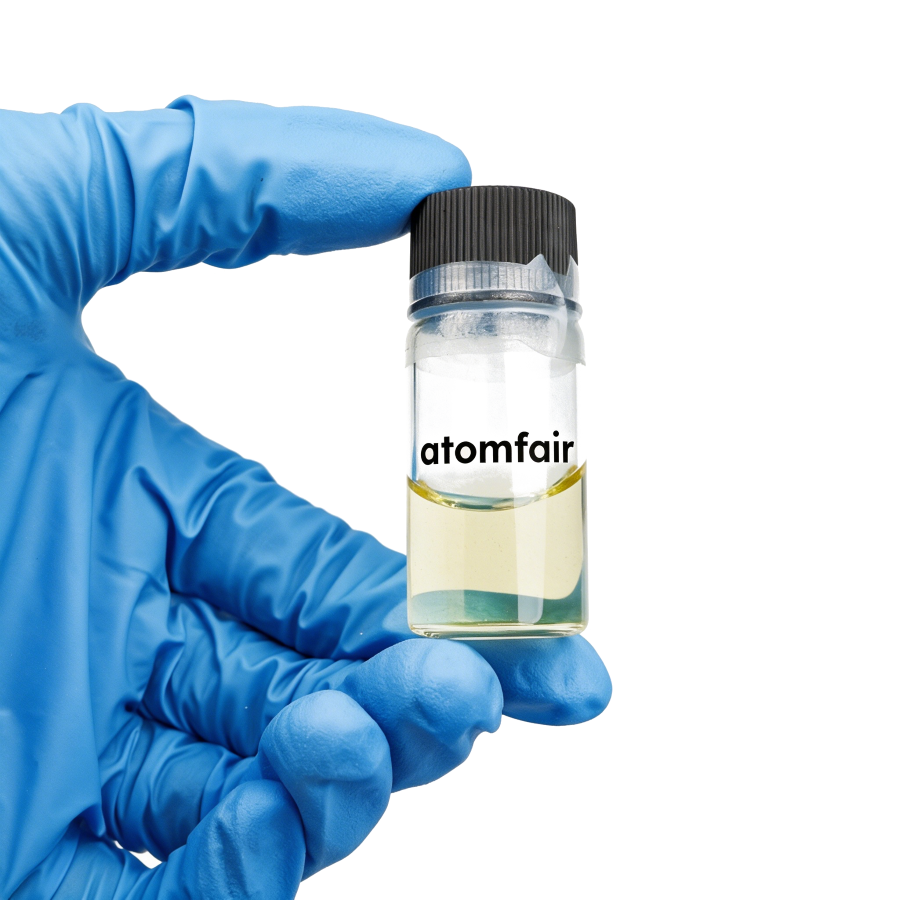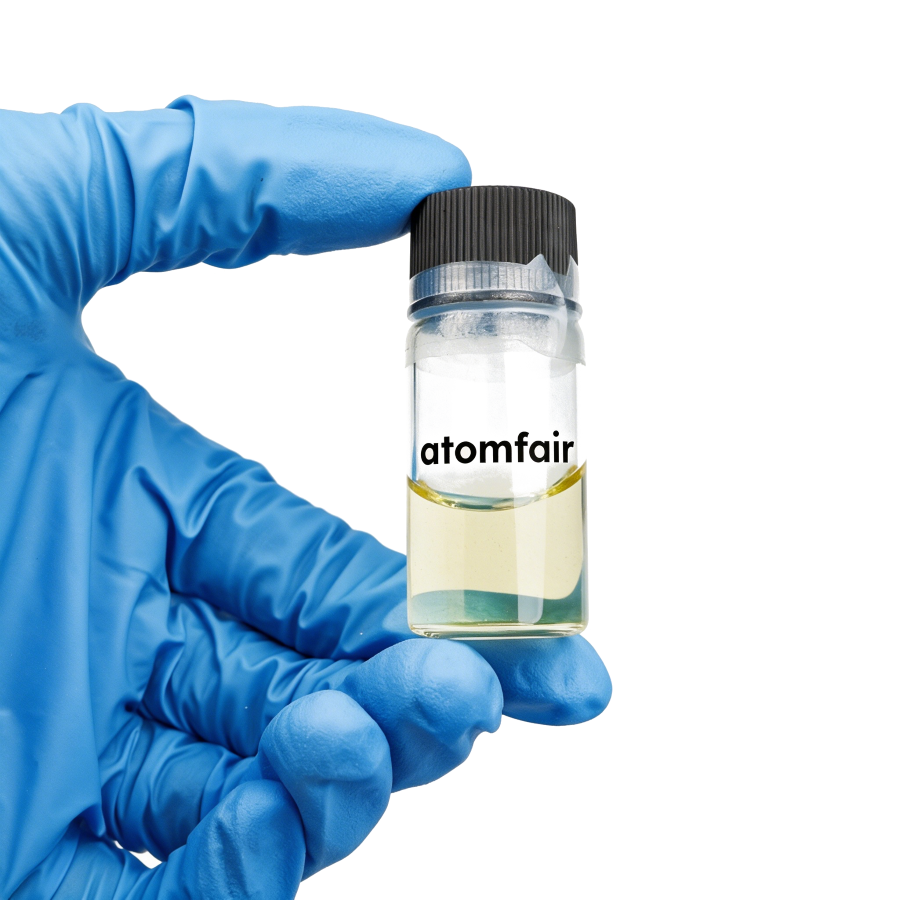
NH 2-modified upconverting nanoparticles(greenyellow light), 10 mgProduct Type: Upconverting nanoparticle
Research-grade laboratory product
|
|||||||||||||||||||||||||||||||
|
|||||||||||||||||||||||||||||||
|
LABORATORY PROCUREMENT SUPPORT
For model selection, material format, solvent, concentration or configuration confirmation, contact our technical sales team.
E-MAIL: inquiry@atomfair.com
|
|||||||||||||||||||||||||||||||
|
Manufacturer: Atomfair LLC
Brand: ATOMFAIR®
|
Manufacturer: Atomfair LLC
Brand: ATOMFAIR®
What are the emission wavelengths and particle size of these NH2-modified upconverting nanoparticles?
The NH2-modified upconverting nanoparticles have a particle size of 35 nm and exhibit two emission peaks at 545 nm and 660 nm, corresponding to green-yellow and red upconversion luminescence, as specified in the product description.
Are these NH2-modified upconverting nanoparticles compatible with aqueous biological systems?
Yes, the nanoparticles are supplied in water as the solvent, indicating compatibility with aqueous systems. The NH2 surface modification allows for further functionalization with biomolecules, though specific biocompatibility data is not provided in the product description.
What storage and handling considerations are recommended for these upconverting nanoparticles?
The product description advises confirming the format (powder or dispersion) and matching it to the intended storage practice. No specific storage conditions such as temperature or light protection are detailed, but the solvent is water, and the material is supplied as a dispersion.
This NH2-modified upconverting nanoparticle (NaYREF4, 35 nm, dual emission at 545/660 nm, 10 mg in water) offers a narrow particle size and defined optical output for luminescent labeling or imaging, but requires careful handling due to its surface chemistry and limited solvent compatibility.
Positive
- Dual-wavelength emission for multiplexing: The two emission peaks at 545 nm and 660 nm enable ratiometric sensing or multi-channel imaging within a single nanoparticle system, reducing the need for multiple probes.
- Defined 35 nm particle size: The specified 35 nm diameter provides a consistent hydrodynamic radius suitable for cellular uptake studies and minimizes batch-to-batch variability in optical performance.
Trade-offs
- Surface chemistry sensitivity: The NH2 modification introduces amine groups that may react with aldehydes or carboxylates in common buffers, requiring careful conjugation protocol design to avoid aggregation or loss of function.
- Water-only solvent limitation: Supplied in water, this nanoparticle dispersion is incompatible with organic solvents or high-salt environments without prior surface stabilization, restricting its use in non-aqueous or high-ionic-strength assays.
Every advanced material, component, equipment, and instrument in our catalog is backed by rigorous testing. We maintain strict internal quality management frameworks and align with CE conformity metrics to deliver transparent, reproducible performance data via our public open-science repository.
To request raw batch performance data, submit formal vendor registration paperwork, or execute a fast-turnaround R&D manufacturing loop, contact us at inquiry@atomfair.com.
Item is dispatched under the Atomfair Shipping & Delivery Framework (Free worldwide shipping on orders over $59 USD excl. heavy equipment). Return is governed by the Atomfair Return & Refund Policy (7-day technical return window).