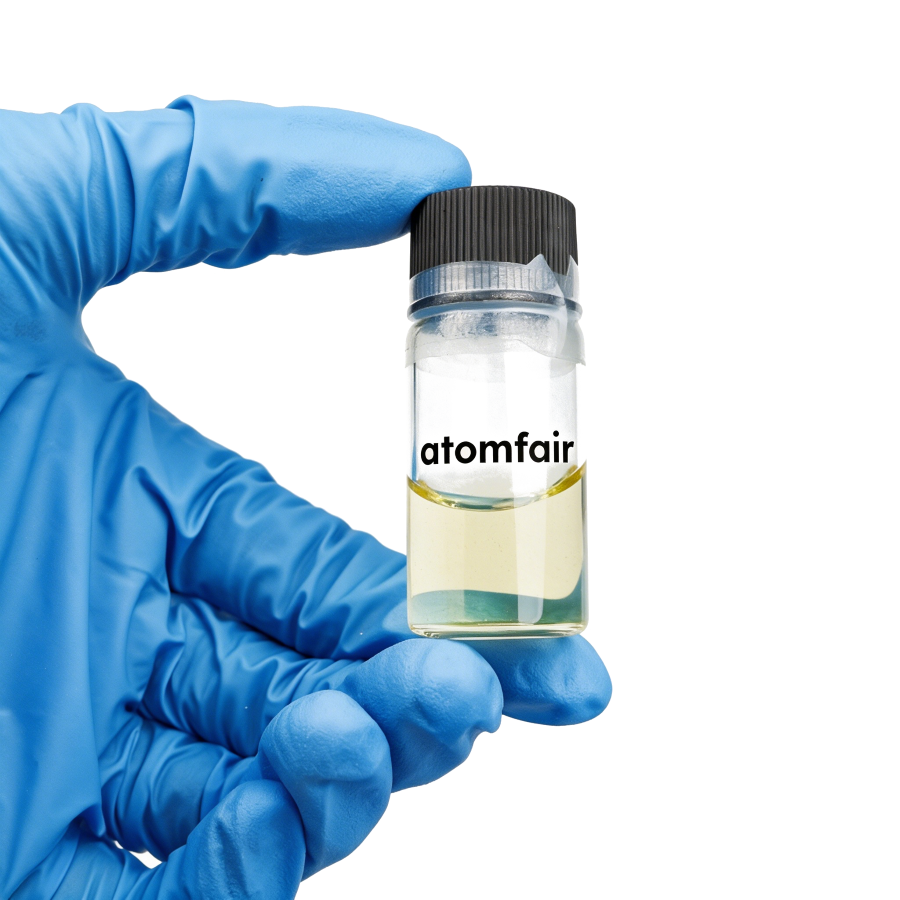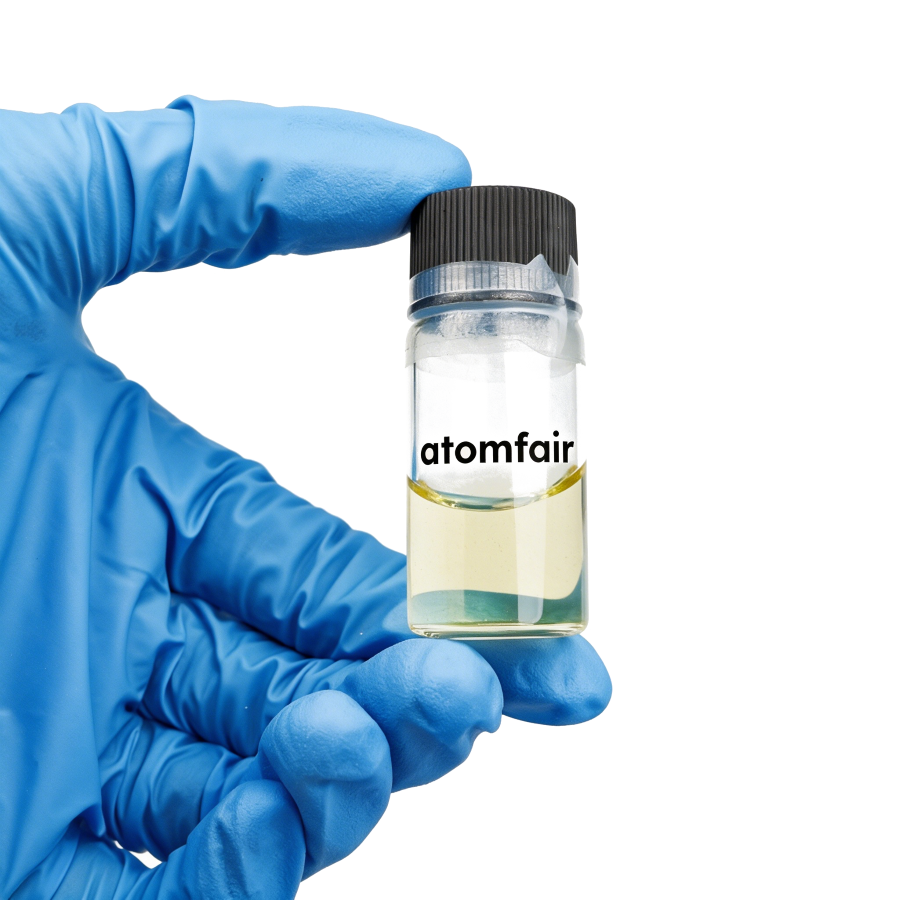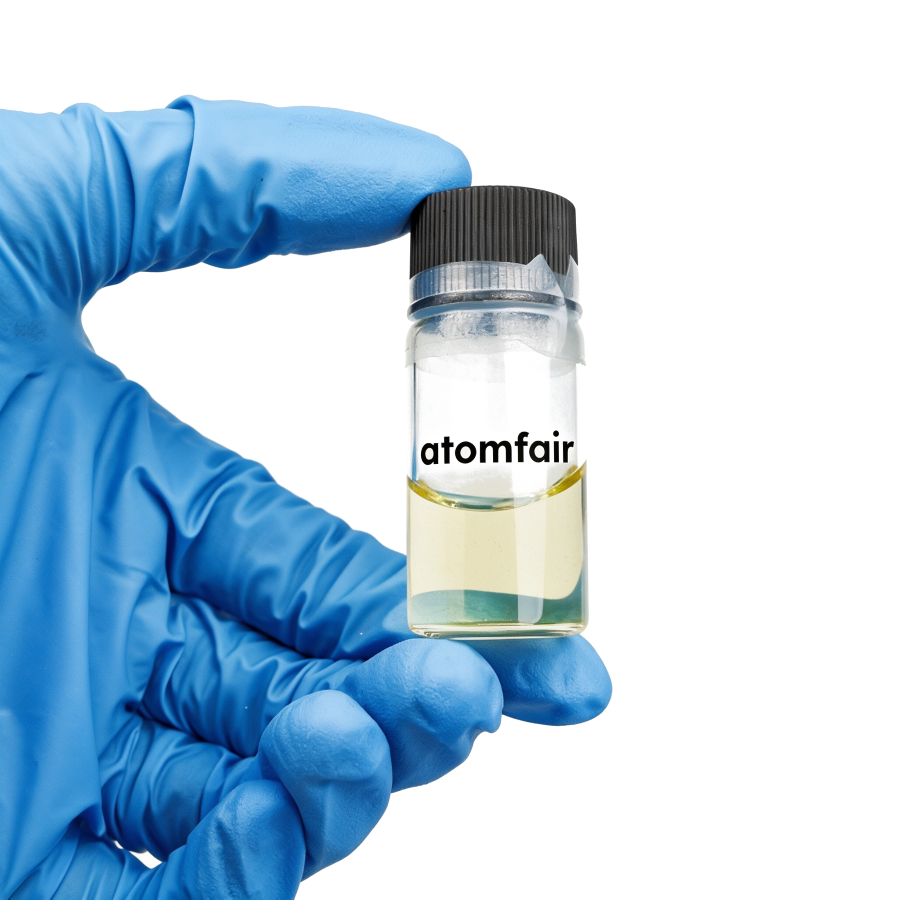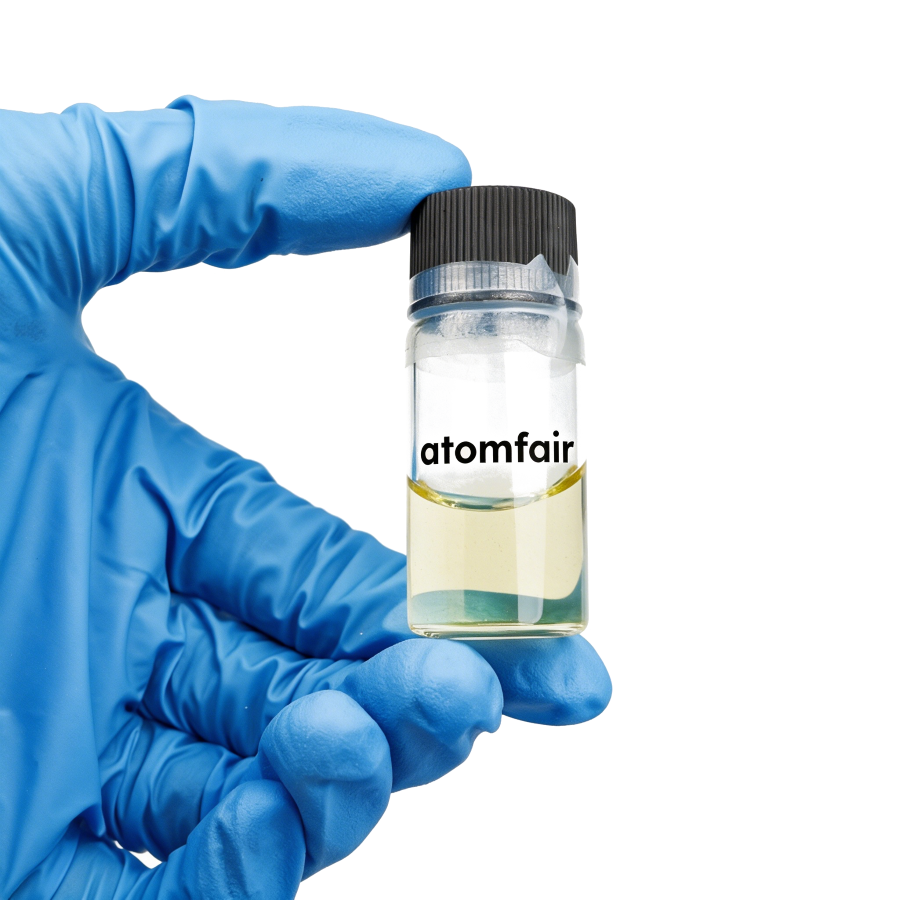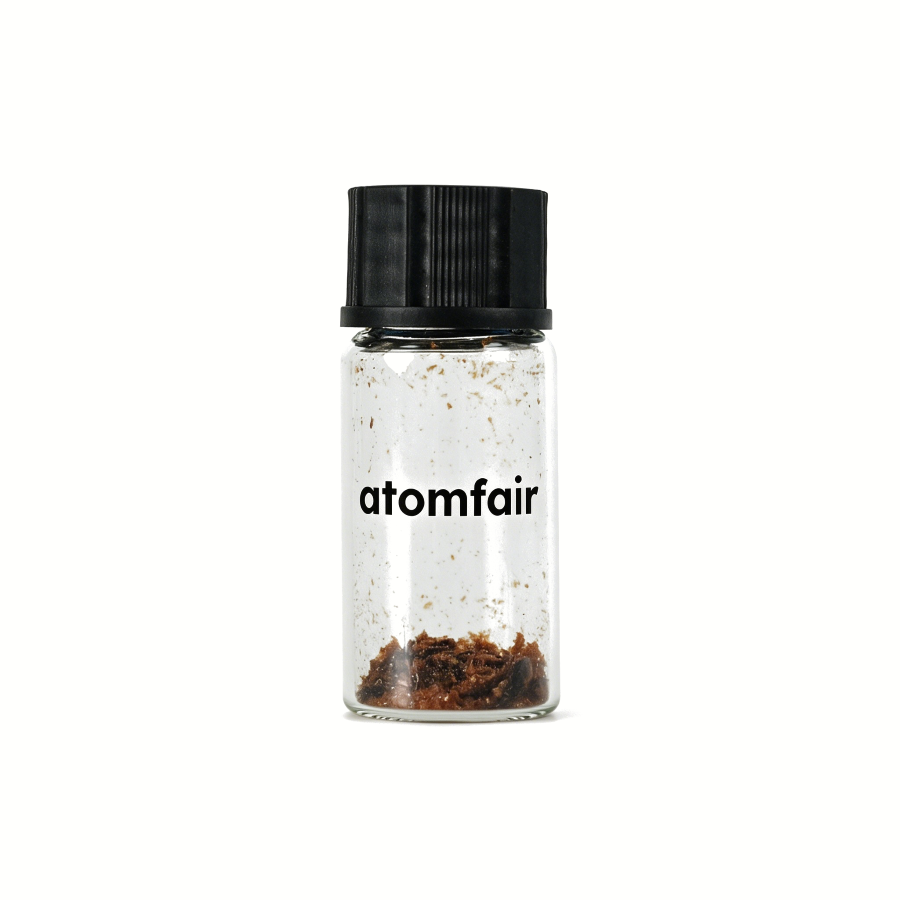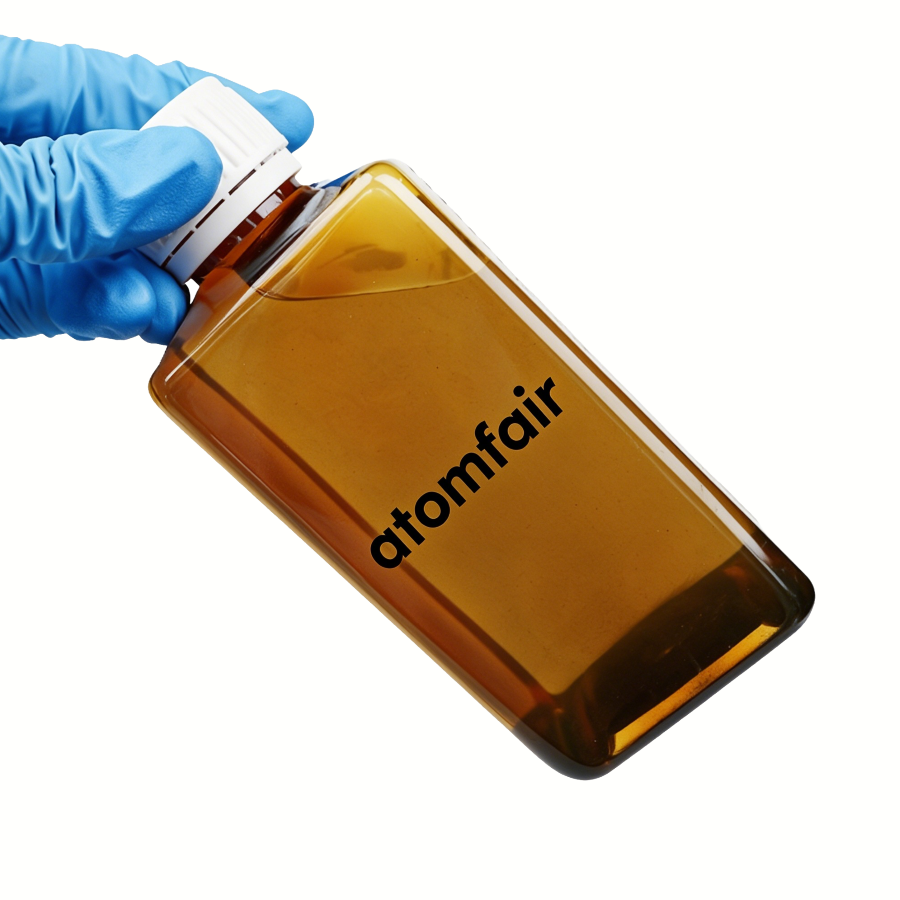
Si O 2-coated upconverting nanoparticles(near-infrared light), 20 mgProduct Type: Upconverting nanoparticle
Research-grade laboratory product
|
|||||||||||||||||||||||||||||||
|
|||||||||||||||||||||||||||||||
|
LABORATORY PROCUREMENT SUPPORT
For model selection, material format, solvent, concentration or configuration confirmation, contact our technical sales team.
E-MAIL: inquiry@atomfair.com
|
|||||||||||||||||||||||||||||||
|
Manufacturer: Atomfair LLC
Brand: ATOMFAIR®
|
Manufacturer: Atomfair LLC
Brand: ATOMFAIR®
How does the SiO2 coating on these upconverting nanoparticles affect their luminescence efficiency and photostability?
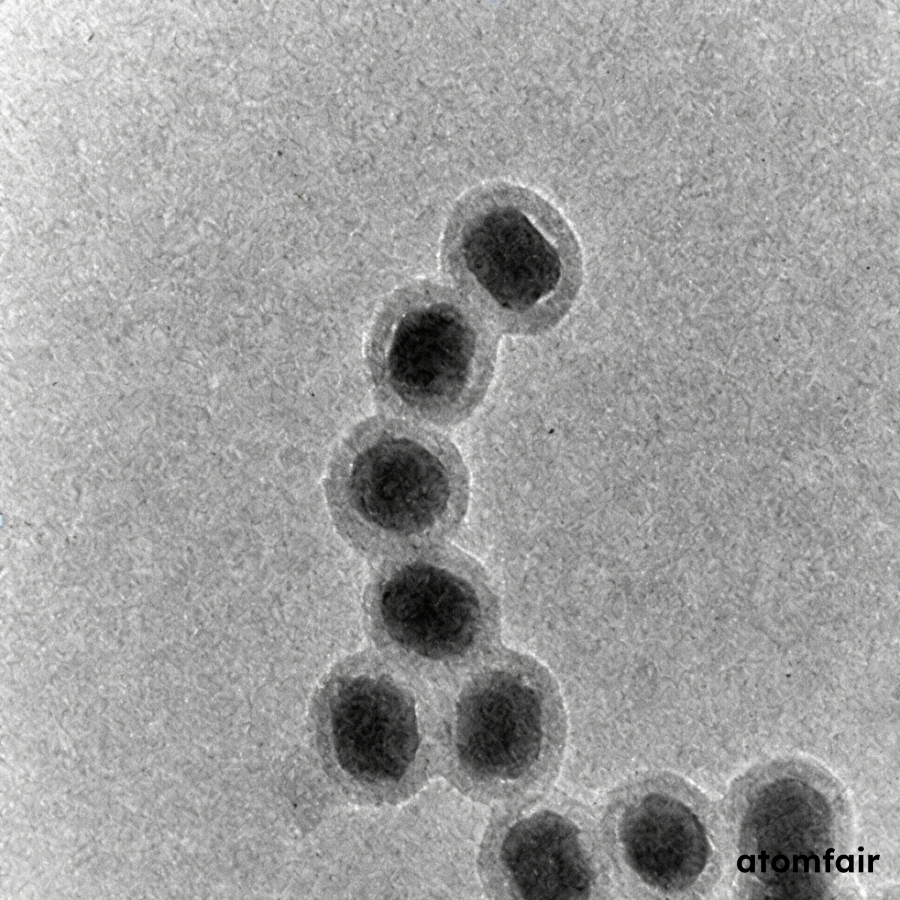
The SiO2 coating acts as a protective shell that isolates the NaYREF4 upconverting core from the aqueous solvent, reducing surface quenching and non-radiative decay. This enhances the upconversion luminescence efficiency and improves photostability, making the 804 nm emission more reliable for prolonged imaging experiments. The product is explicitly listed as SiO2-coated, confirming this design choice for performance optimization.
Can these water-dispersed SiO2-coated upconverting nanoparticles be directly integrated into biological assays without further modification?
Yes, the nanoparticles are supplied in water as the solvent (specified in the technical specifications), making them directly compatible with aqueous biological buffers and cell culture media. The SiO2 coating provides colloidal stability in physiological conditions and can be functionalized with biomolecules for targeted imaging, though the source does not explicitly list pre-conjugated options.
What storage conditions are recommended to maintain the stability and optical properties of these SiO2-coated upconverting nanoparticles?
The product description recommends matching the dispersion format to the intended storage practice, and for aqueous dispersions, storage in a cool, dark environment (e.g., 4°C, protected from light) is prudent to prevent aggregation and photodegradation. The SiO2 coating enhances colloidal stability, but the source does not specify exact shelf-life or temperature limits, so users should confirm conditions with the manufacturer for their specific workflow.
This SiO₂-coated upconverting nanoparticle (NaYREF₄, 50±10 nm) emits at 804 nm under NIR excitation and is dispersed in water, making it suitable for bioimaging and photonic applications. However, the ±10 nm particle size distribution and water-based dispersion require careful handling and batch validation to ensure consistent optical performance.
Positive
- SiO₂ coating for aqueous stability: The silica shell provides chemical and colloidal stability in water, enabling compatibility with biological buffers and reducing aggregation risks during handling.
- NIR emission at 804 nm: Emission in the near-infrared biological window minimizes tissue autofluorescence and scattering, improving signal-to-noise ratio in deep-tissue imaging.
Trade-offs
- Particle size variability ±10 nm: The specified 50±10 nm size distribution may introduce batch-to-batch variation in upconversion efficiency and emission homogeneity, requiring optical validation per lot.
- Water dispersion handling requirements: As a water-based dispersion, the product is susceptible to evaporation, microbial growth, and particle settling; proper storage and gentle agitation are necessary to maintain uniform suspension.
Every advanced material, component, equipment, and instrument in our catalog is backed by rigorous testing. We maintain strict internal quality management frameworks and align with CE conformity metrics to deliver transparent, reproducible performance data via our public open-science repository.
To request raw batch performance data, submit formal vendor registration paperwork, or execute a fast-turnaround R&D manufacturing loop, contact us at inquiry@atomfair.com.
Item is dispatched under the Atomfair Shipping & Delivery Framework (Free worldwide shipping on orders over $59 USD excl. heavy equipment). Return is governed by the Atomfair Return & Refund Policy (7-day technical return window).