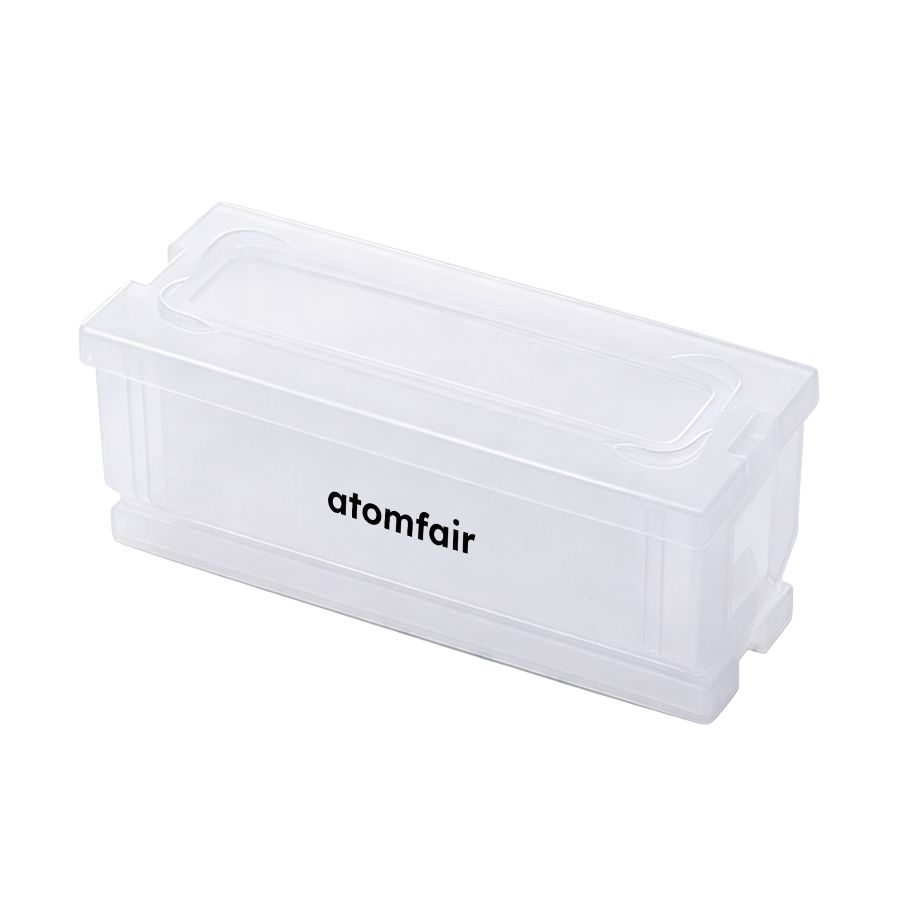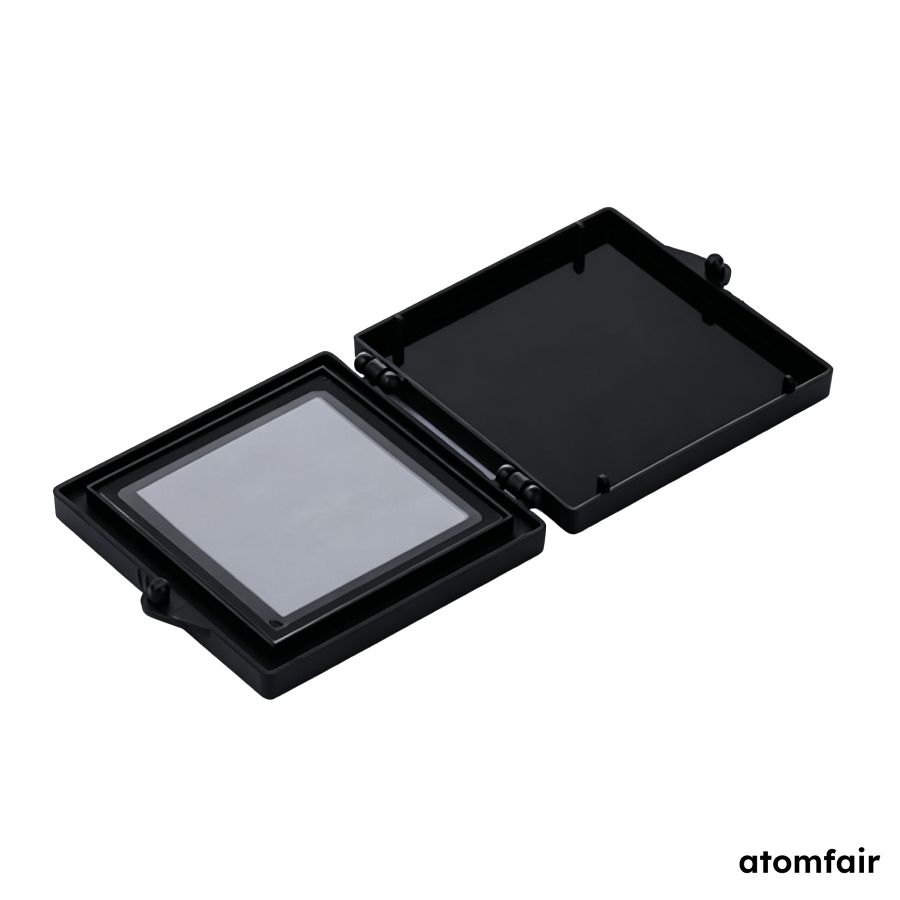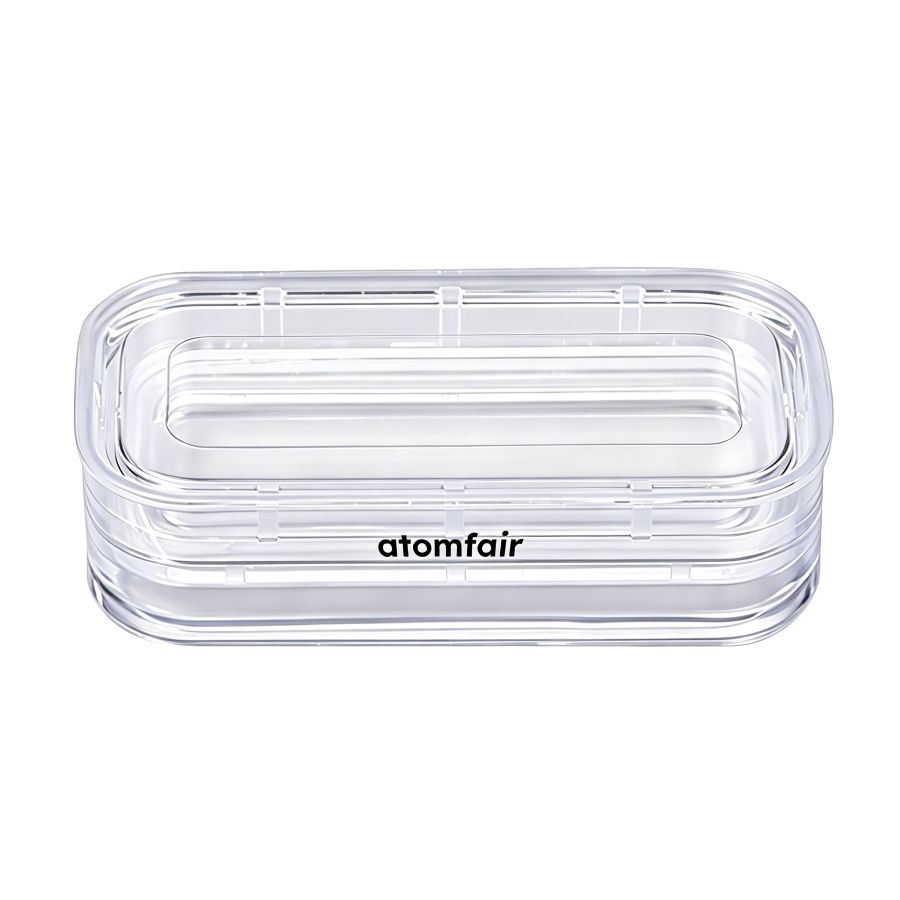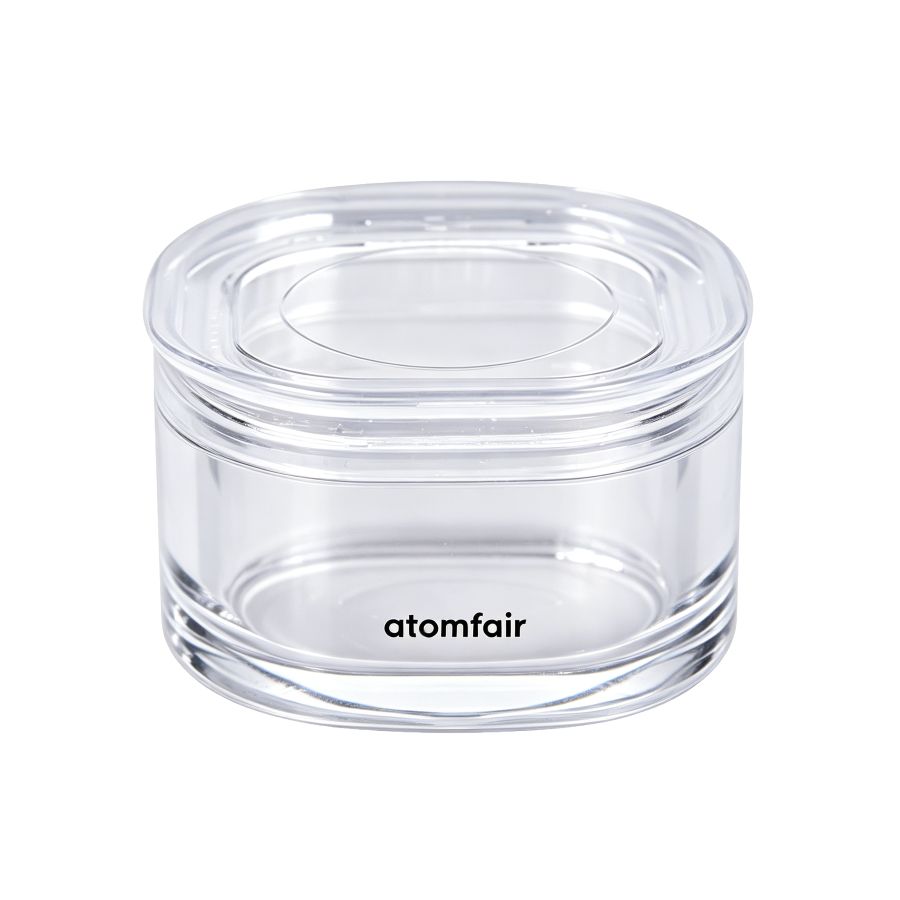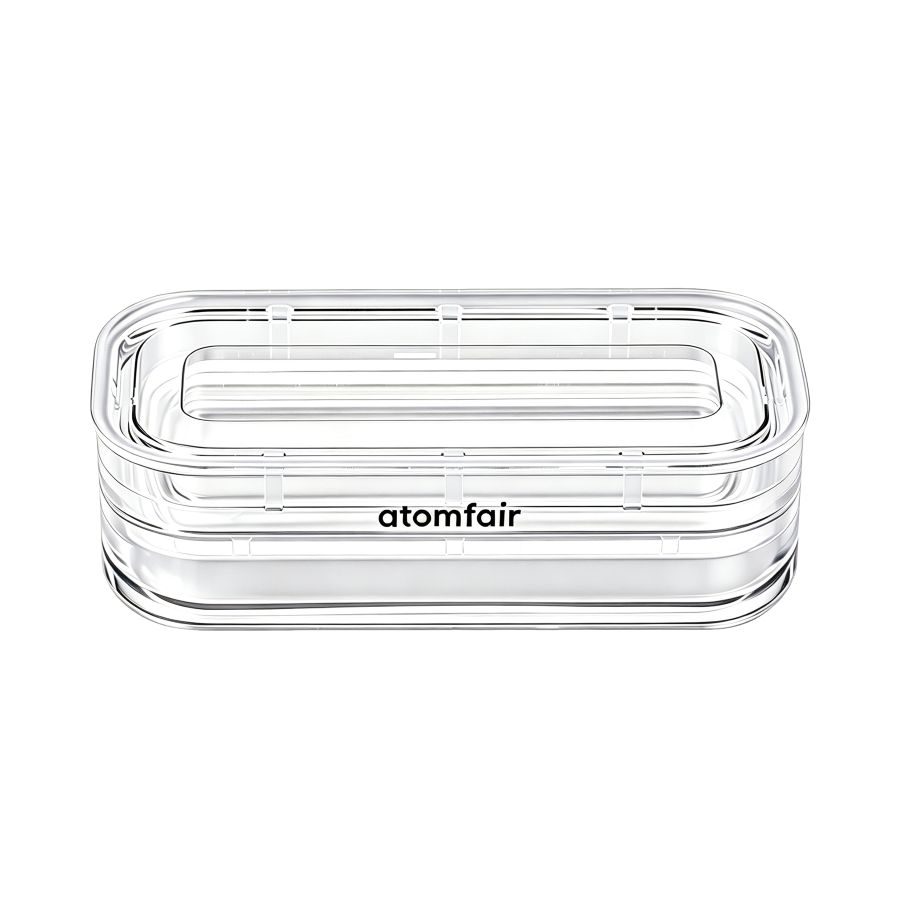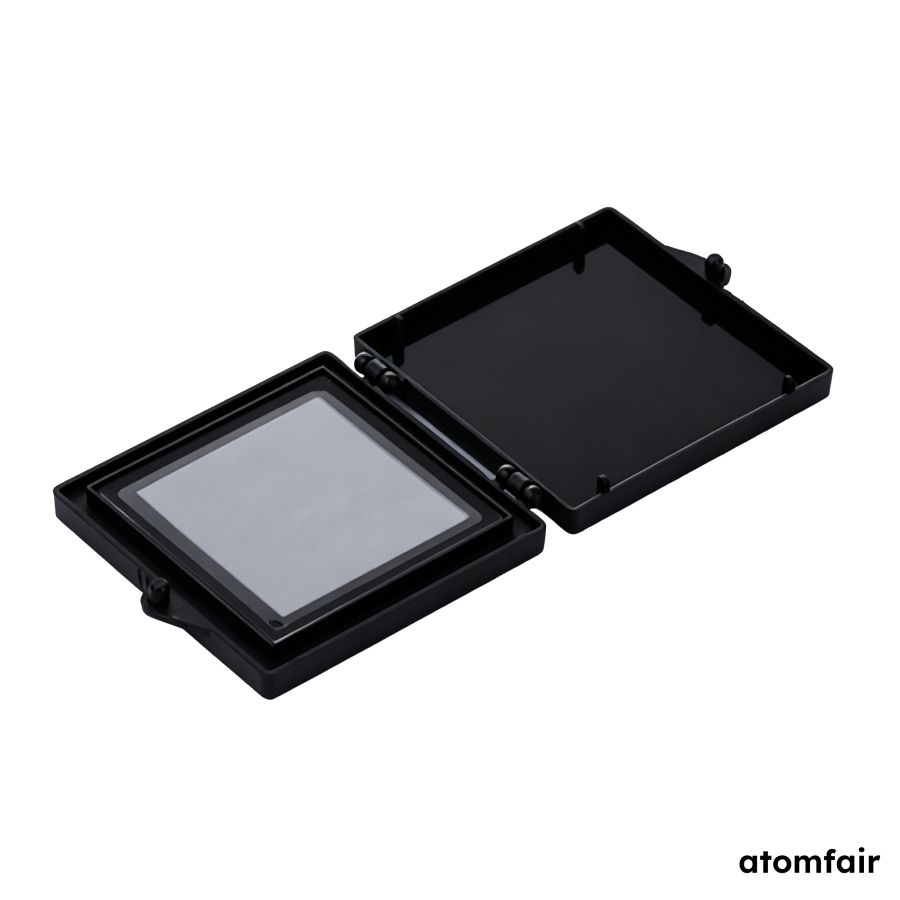
LID-TYPE VACUUM RELEASE TRAY 400 GRID HIGH ADHESION,5pcsRESEARCH GRADE MATERIAL
|
|||||||||||||||||||||||||||||||||
|
|||||||||||||||||||||||||||||||||
|
TAILORED SOLUTIONS FOR RESEARCH
Contact our engineering team for technical support or official institutional quotations.
EMAIL: inquiry@atomfair.com
|
|||||||||||||||||||||||||||||||||
|
Manufacturer: Atomfair LLC
Brand: ATOMFAIR®
|
|||||||||||||||||||||||||||||||||
This tray requires storage under dry inert nitrogen atmosphere to prevent contamination and must be used with a compatible vacuum station and pump for sample release. The ESD-safe and conductive variants demand grounding to avoid electrostatic discharge during handling in cleanroom environments.
- Storage Atmosphere: Store the double-vacuum sealed tray in a dry inert nitrogen atmosphere to maintain zero contamination until use.
- Cleanroom Integrity: Open the sealed packaging only within a certified cleanroom environment to preserve particle-free conditions.
- Vacuum System Compatibility: Operate the tray exclusively with a compatible vacuum station and vacuum pump to activate the release mode for sample detachment.
- ESD Handling Requirements: Ground the ESD-safe or conductive variants before handling to prevent electrostatic discharge damage to sensitive samples.
- Chemical Resistance: Ensure that any solvents or chemicals used in processing do not degrade the chemical-resistant polymer components of the tray.
How does the mesh density selection affect sample retention and optical accessibility for the 400-grid high adhesion vacuum release tray?
The tray ships with a default white 16 mesh, which is suitable for most standard samples. Alternative mesh densities from 33 to 195 mesh are available via special order for applications requiring finer support or enhanced airflow, though finer meshes may reduce optical clarity for inspection. The trade-off between mechanical retention and optical access must be evaluated based on sample size and imaging needs.
What vacuum station and pump system is required to operate the lid-type vacuum release tray for sample detachment?
The lid-type vacuum release tray must be used with a compatible Vacuum Station and Vacuum Pump system to activate the Release Mode for sample removal. Atomfair's laboratory precision vacuum release station and pump are specifically designed for this tray and must be purchased separately to ensure proper vacuum distribution across the 400-grid array and controlled non-destructive release.
How should the vacuum release trays be stored prior to use to maintain cleanliness and adhesive performance?
Each tray is double-vacuum bag sealed under dry inert nitrogen gas to guarantee zero contamination during transport. Trays should remain in the sealed packaging until ready for use in a cleanroom environment. Once opened, handle with cleanroom gloves and store in a low-particulate, low-humidity environment to preserve the high-adhesion surface and ESD-safe properties.
This 400-grid vacuum release tray with high-adhesion platform enables non-destructive sample retention and release for delicate materials, but requires a vacuum station and pump system. Mesh density and color must be specified at order for non-default configurations.
Positive
- Non-destructive sample detachment: High residue surface energy adhesive prevents thin-film peeling and device deformation upon release, critical for quantum device and semiconductor R&D.
- Comprehensive ESD protection: Integrated anti-static matrices and conductive polymer backings provide immediate dissipative pathways to eliminate high-voltage electrostatic field disruptions.
Trade-offs
- Requires external vacuum infrastructure: Release mode activation necessitates use of a compatible vacuum station and vacuum pump, adding equipment dependency and system integration overhead.
- Custom mesh specification for non-default configurations: Default mesh is white 16 mesh; alternative densities or yellow mesh must be explicitly stated at order, potentially requiring lead time or order remarks validation.
Every advanced material, component, equipment, and instrument in our catalog is backed by rigorous testing. We maintain strict internal quality management frameworks and align with CE conformity metrics to deliver transparent, reproducible performance data via our public open-science repository.
To request raw batch performance data, submit formal vendor registration paperwork, or execute a fast-turnaround R&D manufacturing loop, contact us at inquiry@atomfair.com.
Item is dispatched under the Atomfair Shipping & Delivery Framework (Free worldwide shipping on orders over $59 USD excl. heavy equipment). Return is governed by the Atomfair Return & Refund Policy (7-day technical return window).