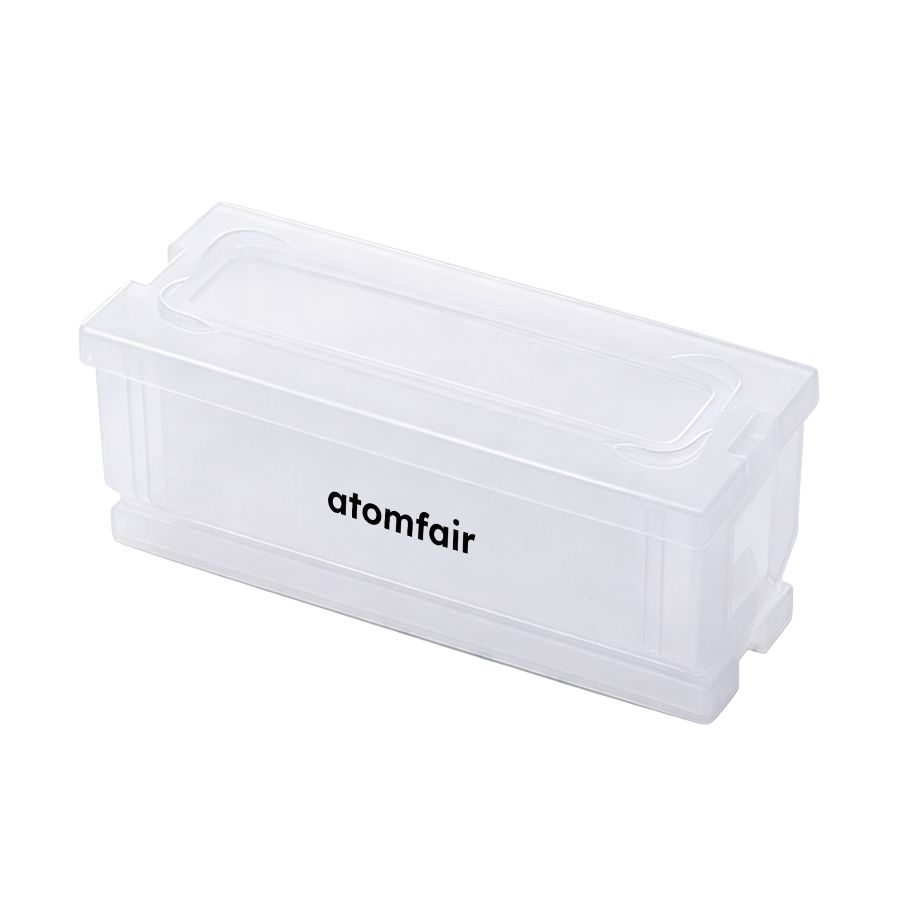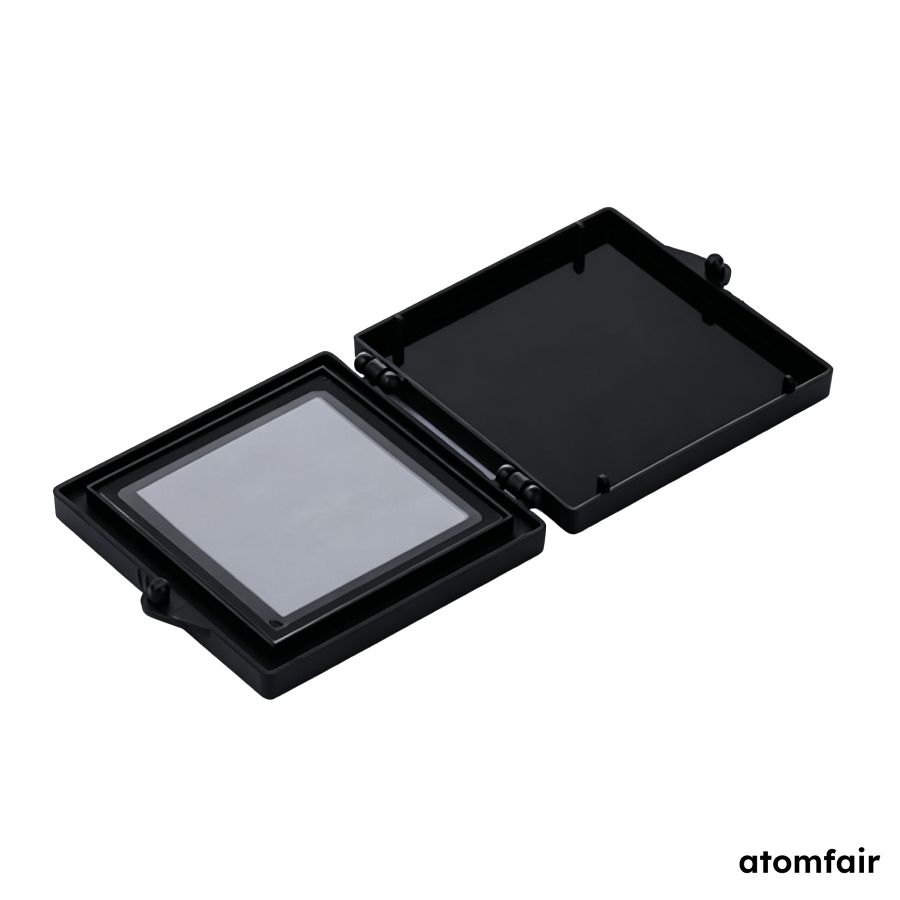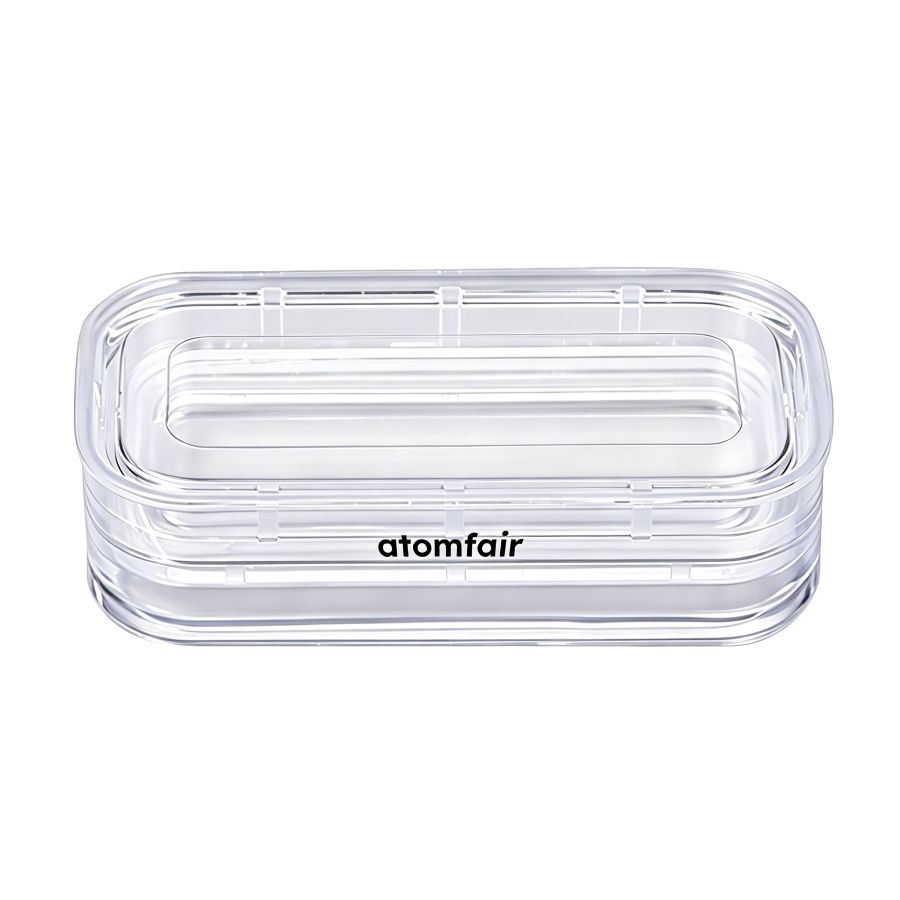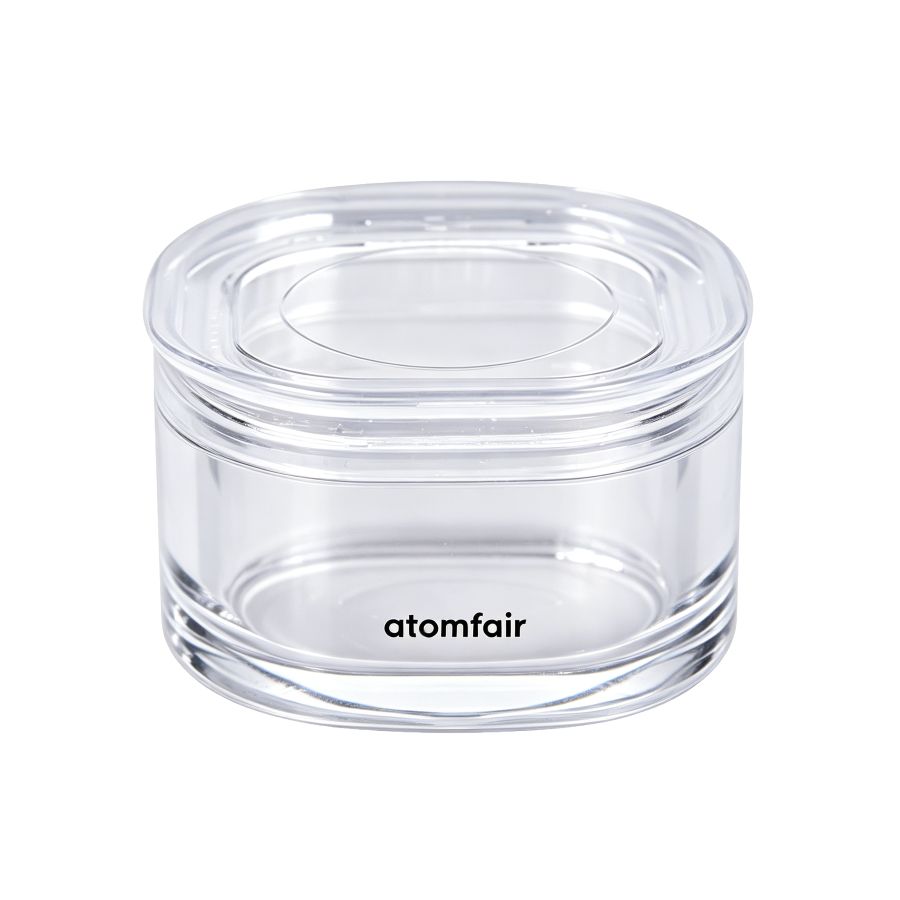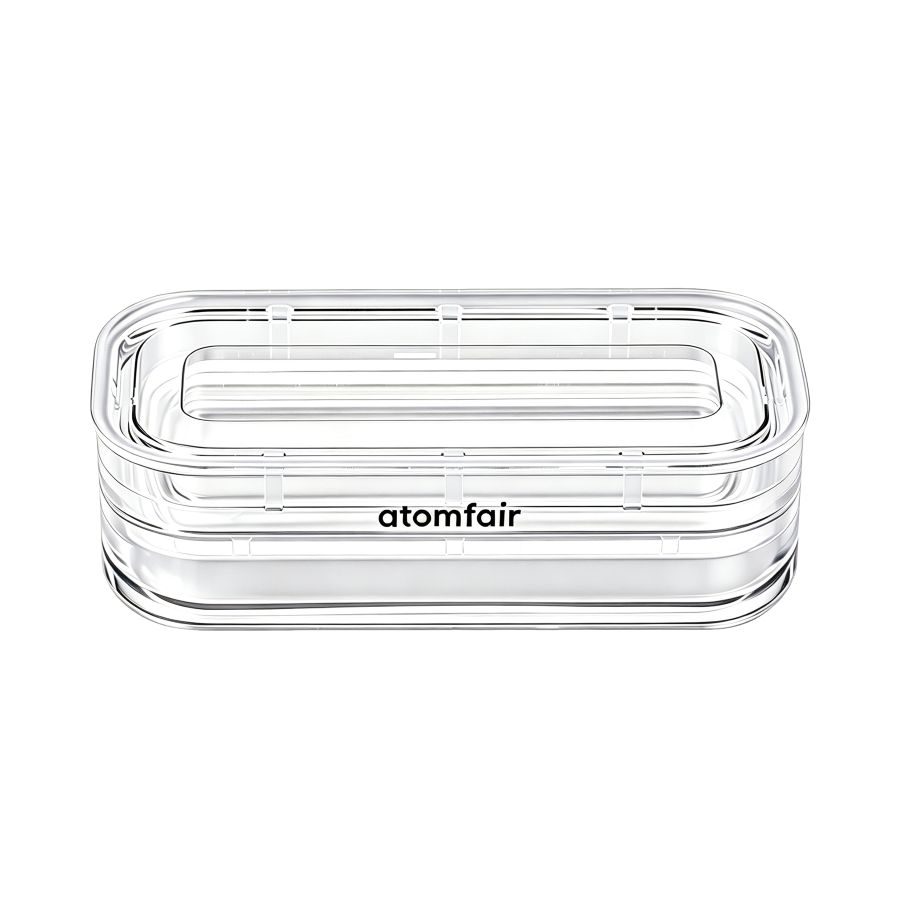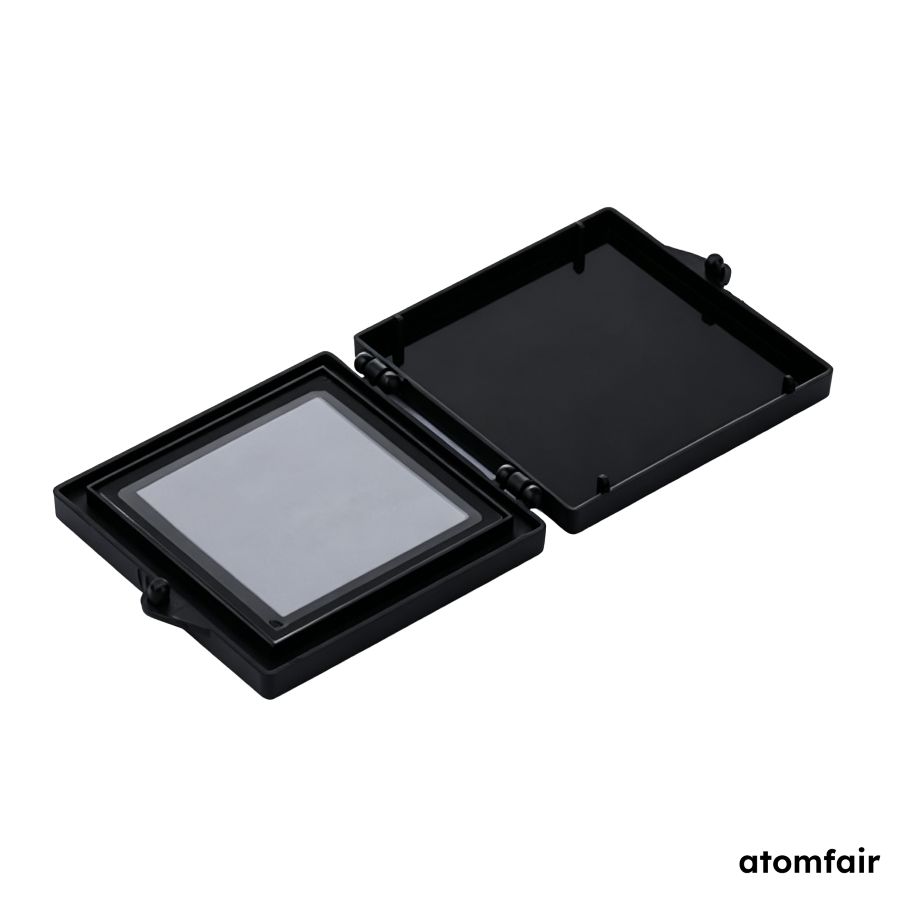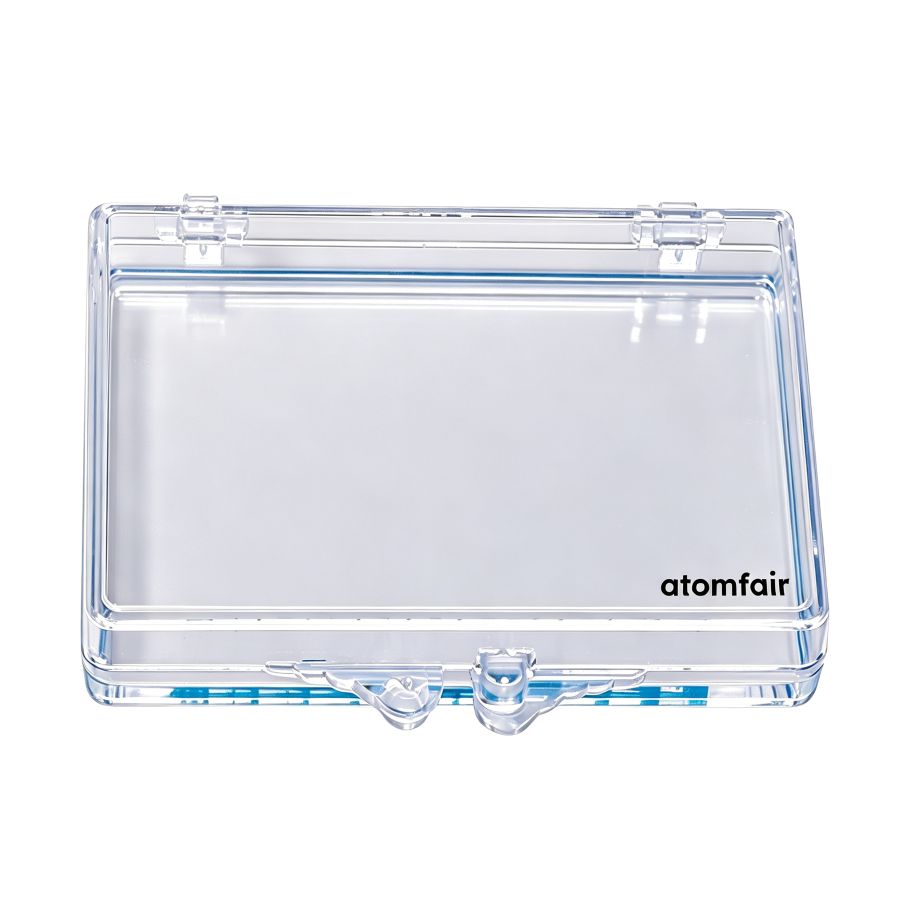
Sticky Box 67.4 x 67.4 x 29 mm,5pcsPrecision component storage and transfer
|
||||||||||||||||||||||||||||||||||||||||||||||||||||||||||||||||
|
||||||||||||||||||||||||||||||||||||||||||||||||||||||||||||||||
|
TAILORED SOLUTIONS FOR RESEARCH
For custom colors, tray layout, quantity planning or shipment support, contact our engineering sales team.
EMAIL: inquiry@atomfair.com
|
||||||||||||||||||||||||||||||||||||||||||||||||||||||||||||||||
|
Manufacturer: Atomfair LLC
Brand: ATOMFAIR®
|
||||||||||||||||||||||||||||||||||||||||||||||||||||||||||||||||
The self-adhesive surface requires cleanliness to maintain retention force. Component size, finish, and visible finish must be confirmed before ordering to ensure compatibility.
- Surface Cleanliness: Keep the adhesive surface clean before loading parts to prevent contamination and loss of retention.
- Component Compatibility: Verify that the component dimensions, surface finish, and required visible finish match the selected box configuration before use.
- Retention Verification: For sensitive parts, confirm retention and release force with actual samples before final batch selection.
This procedure describes safe loading and handling of delicate components using the self-adhesive positioning surface. The steps ensure stable retention without clamping damage during inspection and transfer.
Required Equipment: Tweezers, Vacuum pick-up tool
- Inspect adhesive surface
Inspect the adhesive surface to ensure it is clean and free of debris before loading the component. - Position component
Position the component directly onto the adhesive surface using tweezers or a vacuum tool. - Close lid
Close the lid of the sticky box to secure the component during transfer. - Verify stability
Verify that the component remains stable within the closed box before moving it.
What are the trade-offs of using an open adhesive cavity versus indexed cell separation for storing small precision parts in the Atomfair Sticky Box?
The open adhesive cavity provides flexible placement of parts without compartment indexing, accommodating deeper or irregularly shaped components that may not fit into fixed cell grids. However, it lacks organized separation, so parts are not physically isolated from each other, which requires careful placement to avoid contact. The design is intended for direct surface retention where indexed separation is not needed, as stated for optical parts, chips, and ceramic parts.
Which types of materials and components are compatible with the self-adhesive positioning surface of the Atomfair Sticky Box?
The sticky box is suitable for optical parts, chips, ceramic parts, miniature assemblies, and other small delicate precision items during inspection, transfer, and short-term storage. The adhesive surface supports retention without hard-contact damage, and the manufacturer recommends verifying retention and release force with actual samples before final batch selection, especially for sensitive parts. Compatibility with specific surface finishes or coatings is not detailed, so empirical testing is advised.
What handling and storage precautions are required to maintain the adhesive performance of the Atomfair Sticky Box?
The adhesive surface must be kept clean before loading components to ensure proper retention. The box is a closed design with a protective adhesive cavity, and parts can be retrieved and repositioned using tweezers or vacuum tools. The manufacturer advises confirming component size, surface finish, and required visible finish before ordering, and for sensitive applications, pre-verify retention and release force with actual samples. No specific shelf life or temperature requirements are provided.
Atomfair Sticky Box (model AF-SB-6828T, transparent, 5-pack) offers a rigid protective shell with a self-adhesive cavity designed for non-clamping retention of small precision items like optical parts, chips, and ceramic components. The open cavity accommodates non-indexed parts, and the adhesive surface enables tool-assisted handling, making it suitable for inspection, transfer, and short-term storage tasks.
Positive
- Pressure-free adhesive positioning: Reduces slip and hard-contact damage during short-distance transfer and bench handling, suitable for delicate components.
- Tool-compatible retention surface: Self-adhesive positioning surface supports convenient retrieval and repositioning with tweezers or vacuum tools.
Trade-offs
- Adhesive surface cleanliness requirement: The adhesive surface must be kept clean before loading parts to maintain consistent retention performance; contamination may reduce effectiveness.
- Retention force validation needed for sensitive parts: For sensitive components, retention and release force should be verified with actual samples before batch selection to avoid potential damage during removal.
Every advanced material, component, equipment, and instrument in our catalog is backed by rigorous testing. We maintain strict internal quality management frameworks and align with CE conformity metrics to deliver transparent, reproducible performance data via our public open-science repository.
To request raw batch performance data, submit formal vendor registration paperwork, or execute a fast-turnaround R&D manufacturing loop, contact us at inquiry@atomfair.com.
Item is dispatched under the Atomfair Shipping & Delivery Framework (Free worldwide shipping on orders over $59 USD excl. heavy equipment). Return is governed by the Atomfair Return & Refund Policy (7-day technical return window).