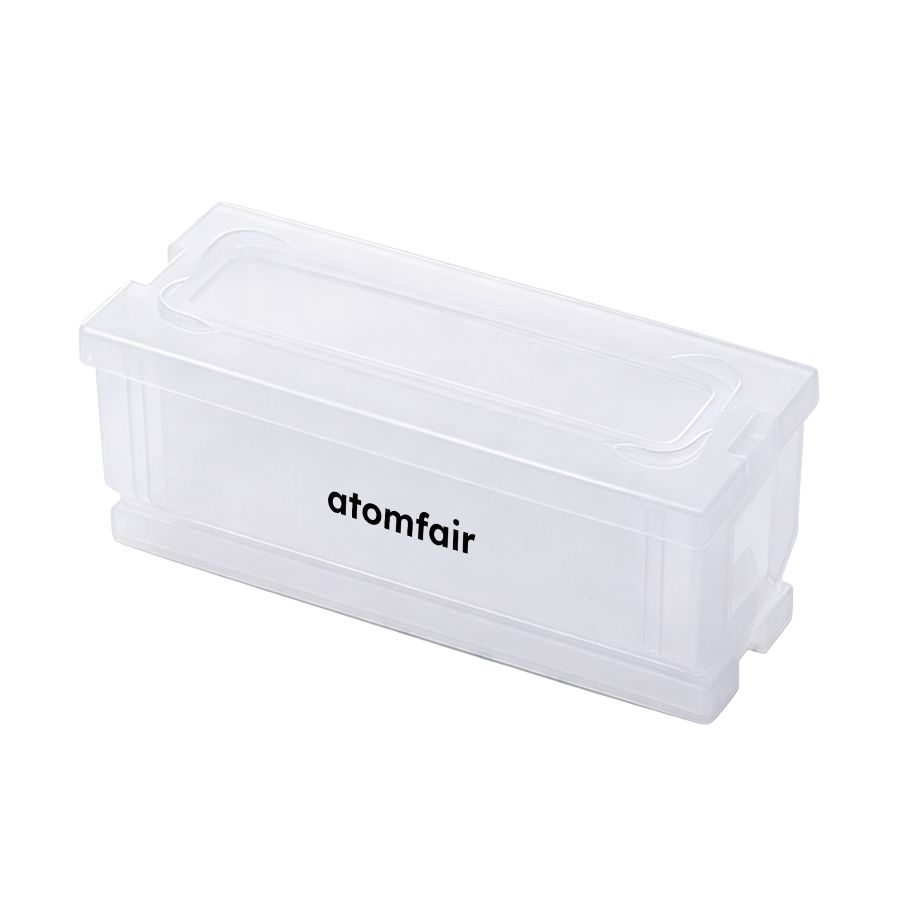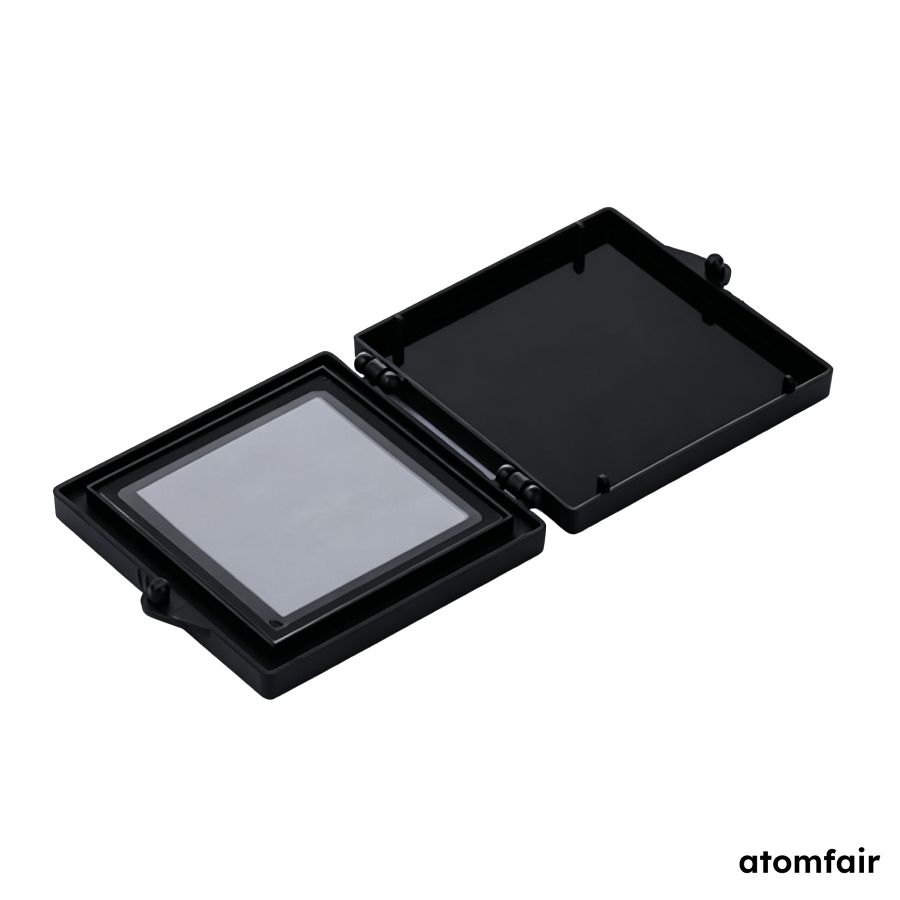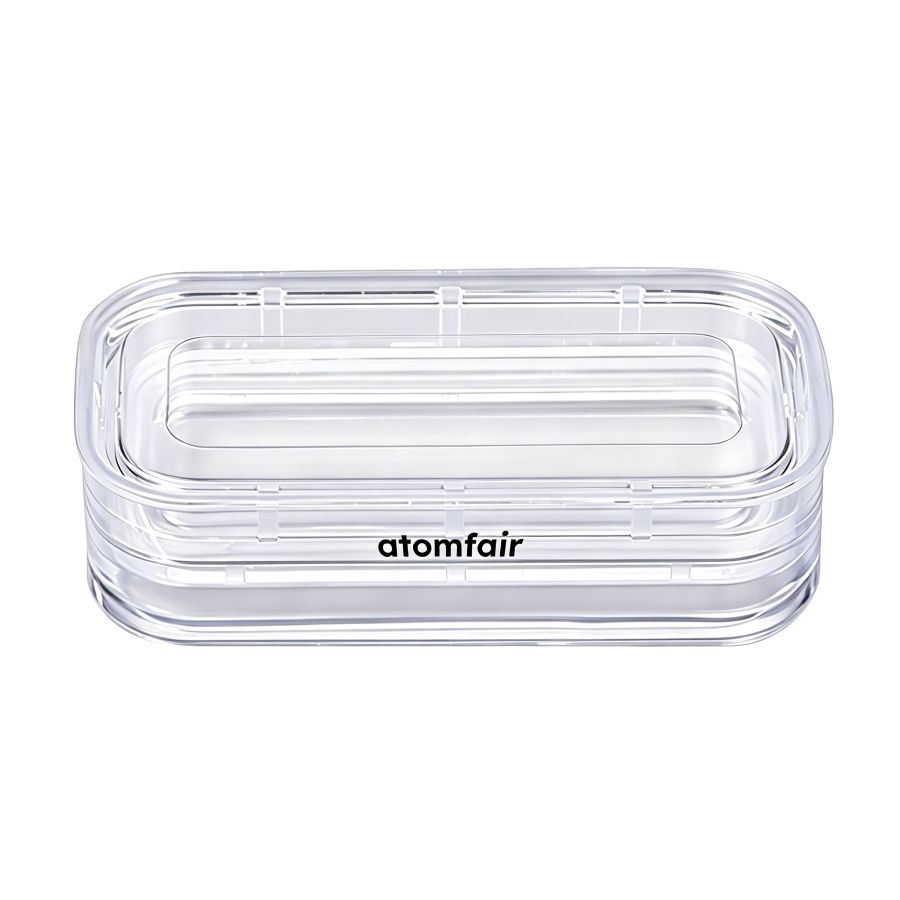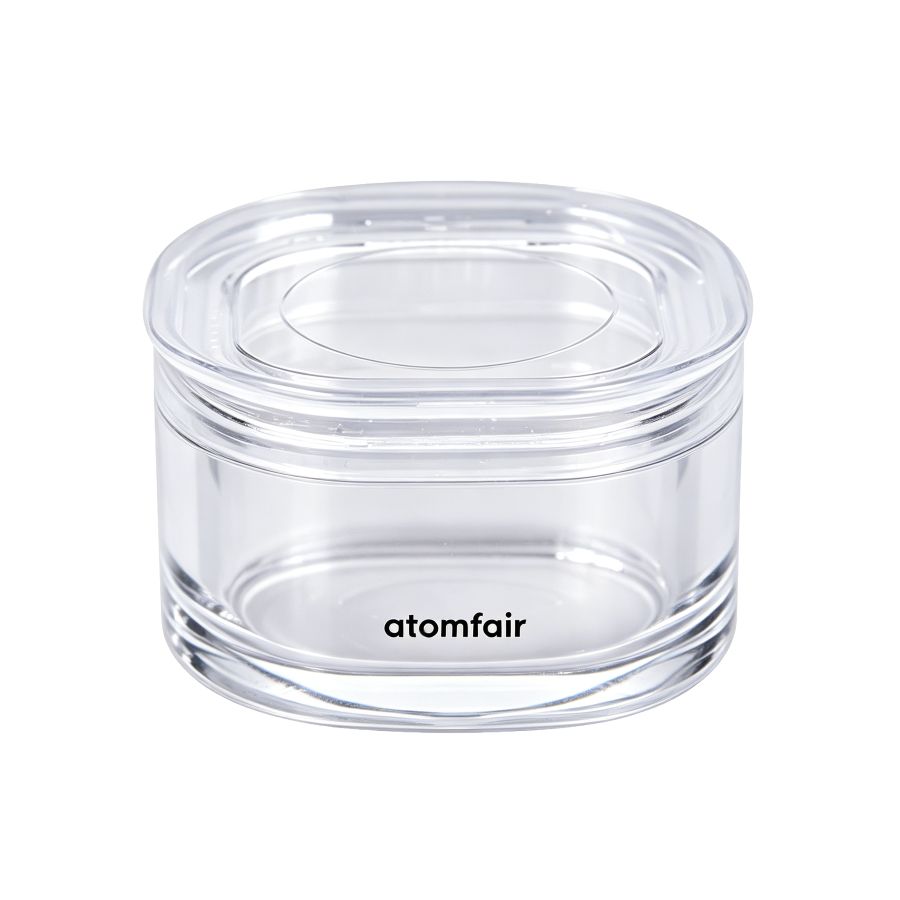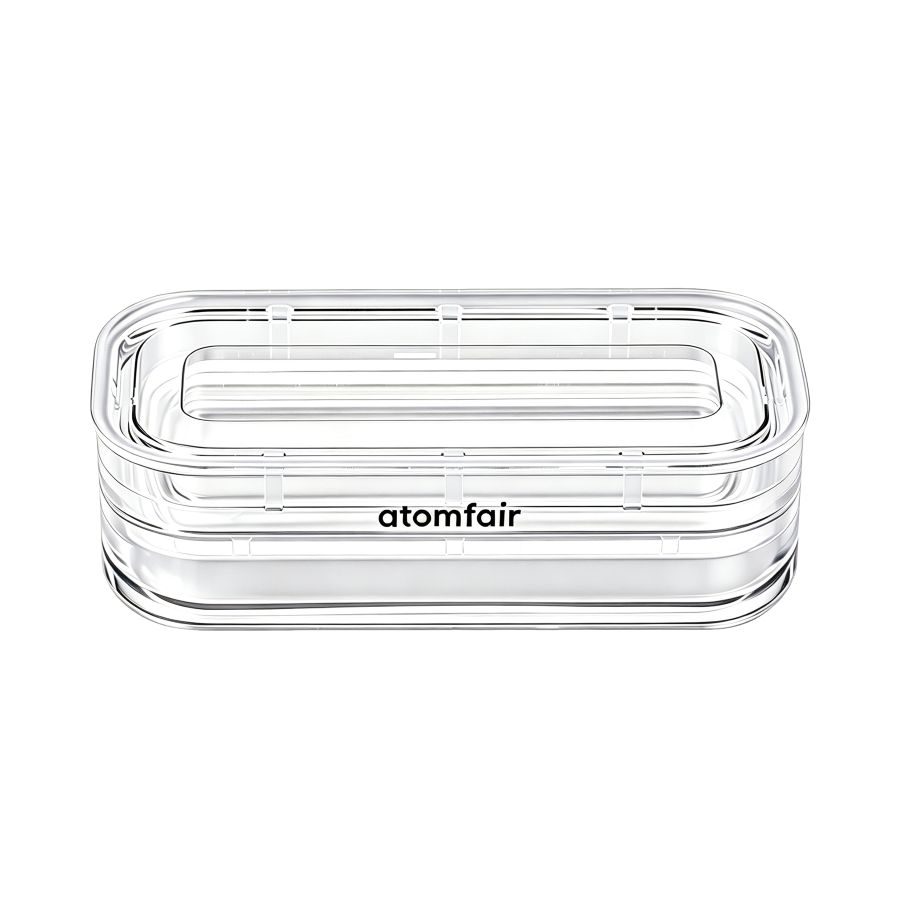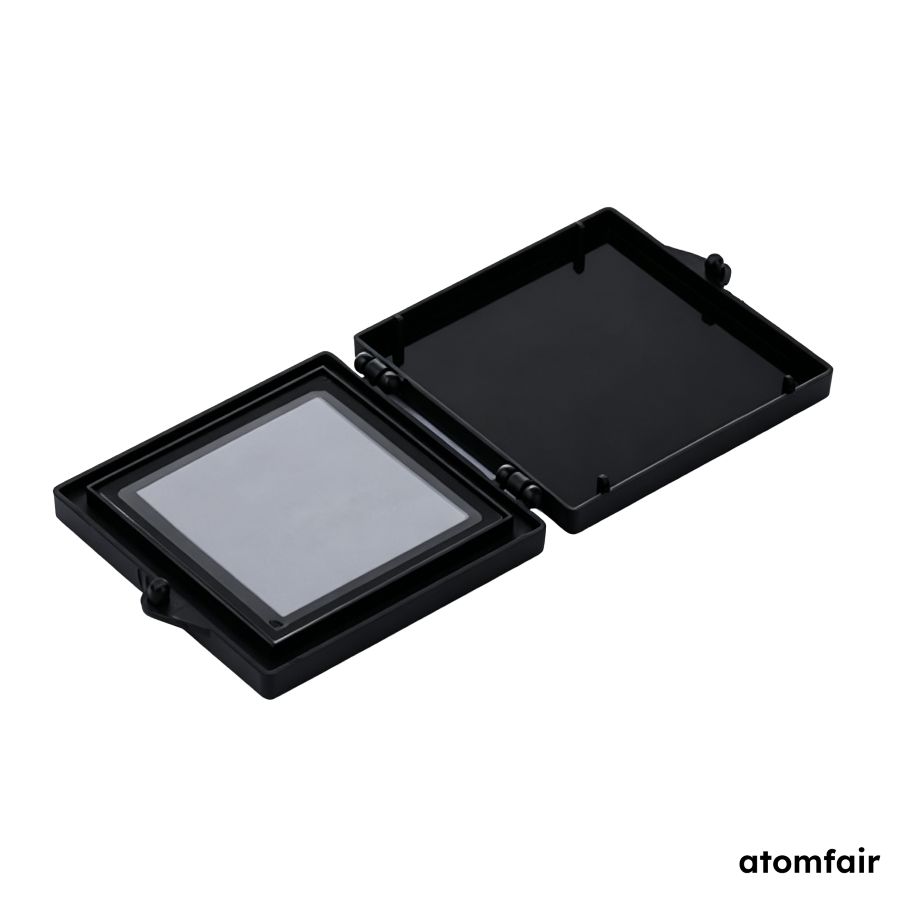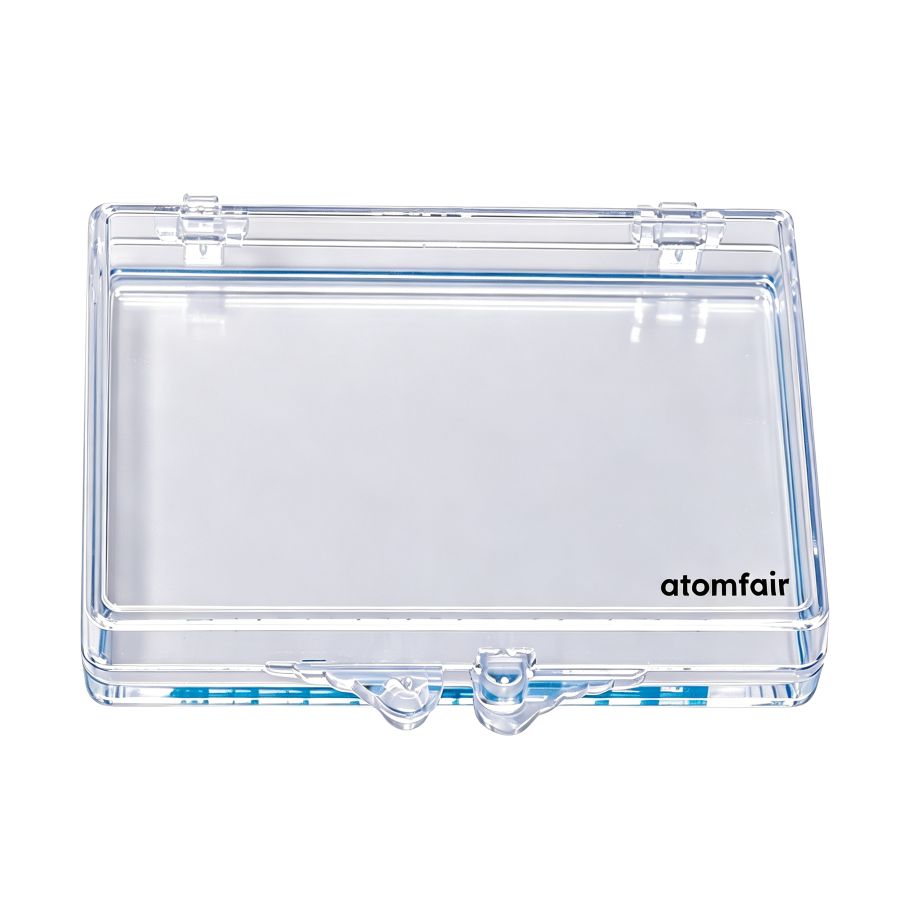
Sticky Box 68 x 68 x 22.7 mm,5pcsPrecision component storage and transfer
|
||||||||||||||||||||||||||||||||||||||||||||||||||||||||||||||||
|
||||||||||||||||||||||||||||||||||||||||||||||||||||||||||||||||
|
TAILORED SOLUTIONS FOR RESEARCH
For custom colors, tray layout, quantity planning or shipment support, contact our engineering sales team.
EMAIL: inquiry@atomfair.com
|
||||||||||||||||||||||||||||||||||||||||||||||||||||||||||||||||
|
Manufacturer: Atomfair LLC
Brand: ATOMFAIR®
|
||||||||||||||||||||||||||||||||||||||||||||||||||||||||||||||||
The adhesive surface must be kept free of contaminants prior to component loading. Component size, surface finish, and visible finish must be verified for retention and release compatibility before batch use.
- Adhesive Surface Cleanliness: Ensure the adhesive cavity is free of dust, oils, or debris to maintain consistent positioning force.
- Component Compatibility Verification: Confirm that component dimensions, surface finish, and required visible finish match the selected box configuration before ordering or loading.
- Retention and Release Force Validation: For sensitive or high-value parts, test retention and release force with actual samples to avoid damage or inadequate hold.
This procedure describes proper loading and handling of the self-adhesive sticky box for non-clamping retention of small precision parts. Follow these steps to maintain adhesive performance and prevent part damage during inspection or transfer.
Required Equipment: Tweezers
- Inspect the Adhesive Surface
Inspect the adhesive cavity for any visible contamination or damage and clean if necessary using an appropriate solvent-free method. - Verify Component Compatibility
Verify that the component dimensions, surface finish, and required visible finish are compatible with the selected sticky box configuration. - Position the Component
Using tweezers, place the component directly onto the adhesive cavity in the desired orientation without applying excessive force. - Close and Secure the Box
Close the box lid fully to protect the adhesive cavity and component during short-term storage or transfer.
What performance trade-off does the open adhesive cavity design introduce compared to indexed compartment storage boxes for small precision parts?
The open adhesive cavity provides direct surface retention without indexed cell separation, enabling placement of deeper or non-indexed parts that cannot fit into indexed compartments. However, this design sacrifices lateral part isolation, meaning multiple parts placed in the same cavity may contact each other. The source specifies the cavity format as 'open adhesive cavity without indexed cell separation' and states it is intended for components that require direct surface retention without compartment indexing.
What compatibility checks are required before using this sticky box for optical parts or chips with sensitive surface finishes?
The source explicitly requires users to 'verify retention and release force with actual samples before final batch selection' for sensitive parts, and to 'confirm component size, surface finish and required visible finish before ordering.' The adhesive surface must be kept clean prior to loading. While the box is suitable for optical parts, chips, and ceramic parts, compatibility depends on the part's sensitivity to adhesive residue and the retention force applied by the positioning surface.
What handling and storage procedures are critical to preserve the adhesive surface integrity of this sticky box before part placement?
The handling notes state to 'keep the adhesive surface clean before loading parts.' The box is a closed protective shell with an adhesive cavity, and retrieval is supported with tweezers or vacuum tools. No specific cleaning or storage procedures for the adhesive itself are provided in the source; instead, the emphasis is on maintaining cleanliness prior to first use and verifying component compatibility with actual samples before batch deployment.
This self-adhesive storage box provides pressure-free retention for small precision components like optical parts and chips, with an open cavity design that accommodates non-indexed parts. However, the adhesive surface requires cleanliness and retention force verification for sensitive samples, and the lack of cell indexing limits organized separation of multiple parts.
Positive
- Pressure-free adhesive positioning: Reduces slip and hard-contact damage during short-distance transfer and bench handling, improving yield for delicate components.
- Open cavity design flexibility: Accommodates deeper or non-indexed parts while still providing adhesive retention inside a closed box, expanding part geometry compatibility.
Trade-offs
- Adhesive surface care required: The adhesive surface must be kept clean before loading components, and retention/release force verification is recommended for sensitive parts to avoid damage.
- No indexed cell separation: The open cavity lacks compartment indexing, which limits organized separation of multiple parts and requires compatible handling with tweezers or vacuum tools.
Every advanced material, component, equipment, and instrument in our catalog is backed by rigorous testing. We maintain strict internal quality management frameworks and align with CE conformity metrics to deliver transparent, reproducible performance data via our public open-science repository.
To request raw batch performance data, submit formal vendor registration paperwork, or execute a fast-turnaround R&D manufacturing loop, contact us at inquiry@atomfair.com.
Item is dispatched under the Atomfair Shipping & Delivery Framework (Free worldwide shipping on orders over $59 USD excl. heavy equipment). Return is governed by the Atomfair Return & Refund Policy (7-day technical return window).