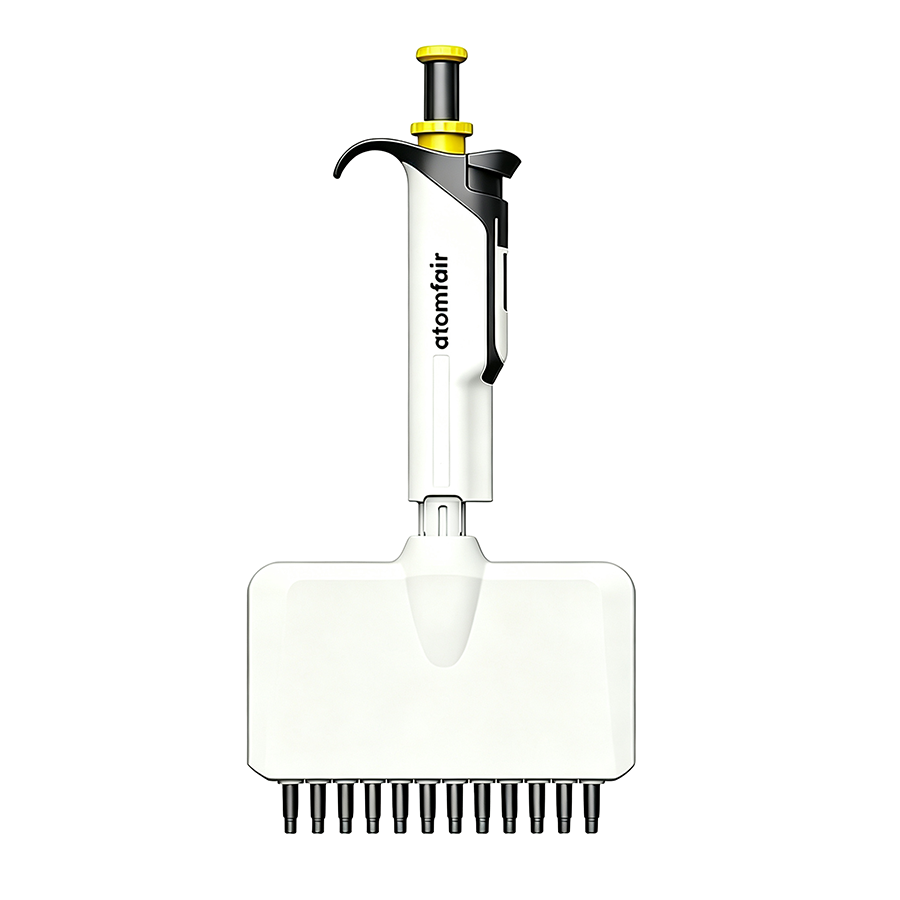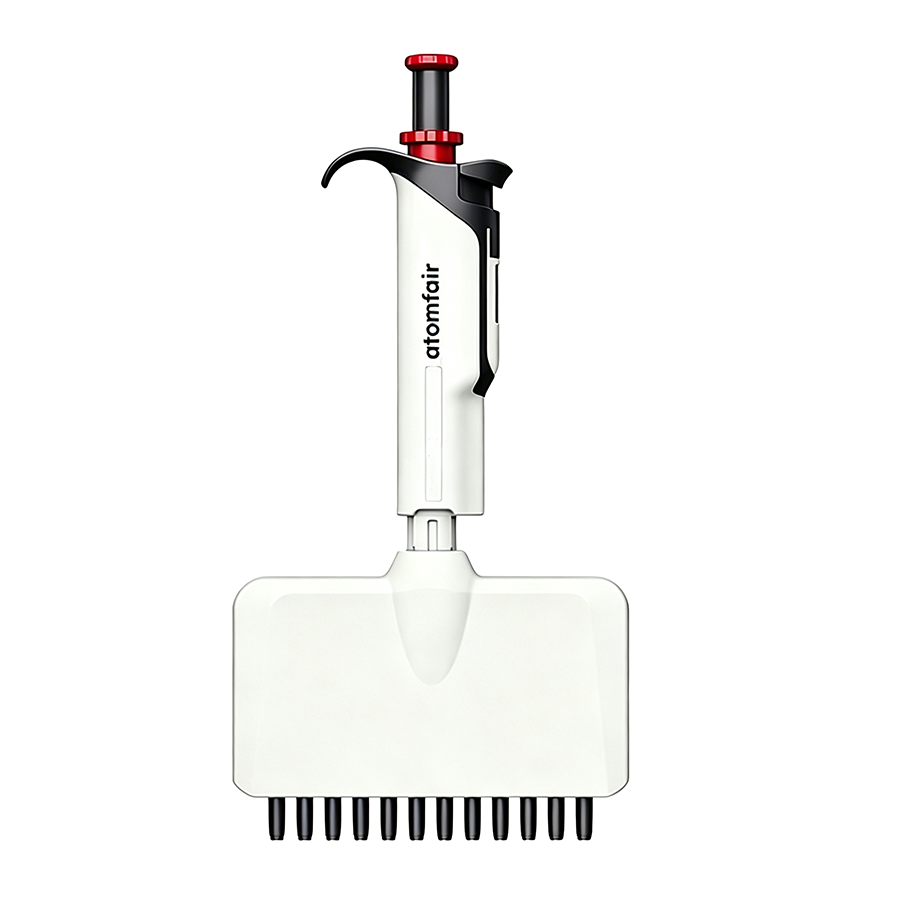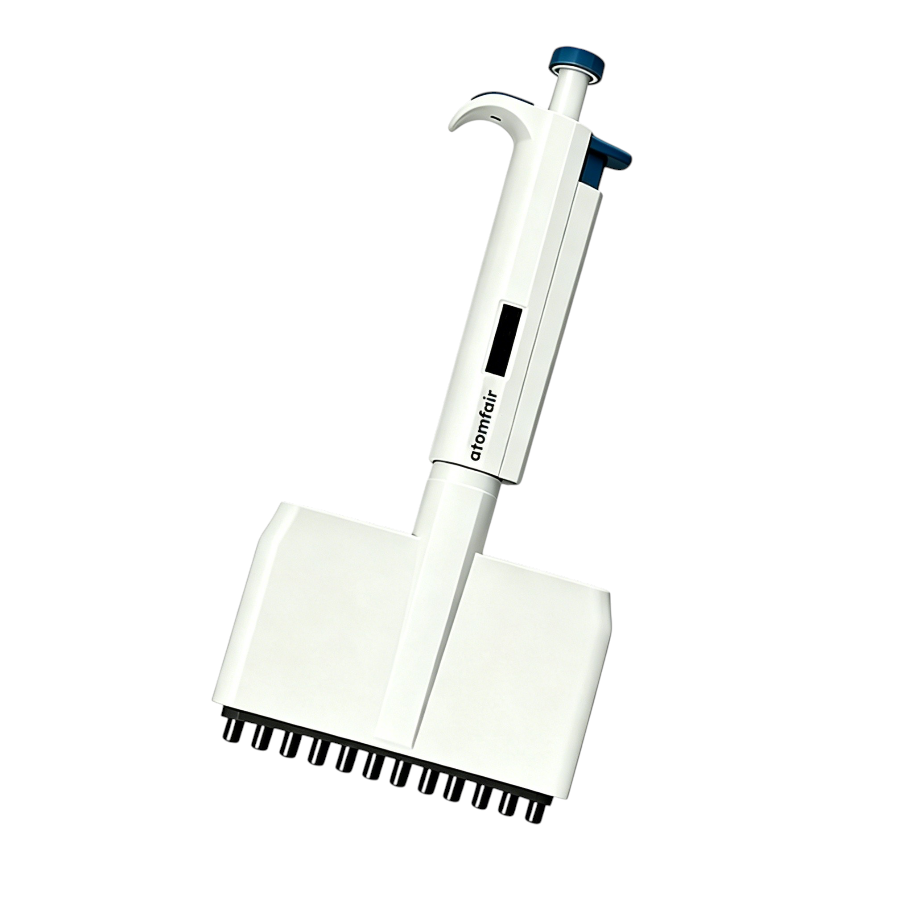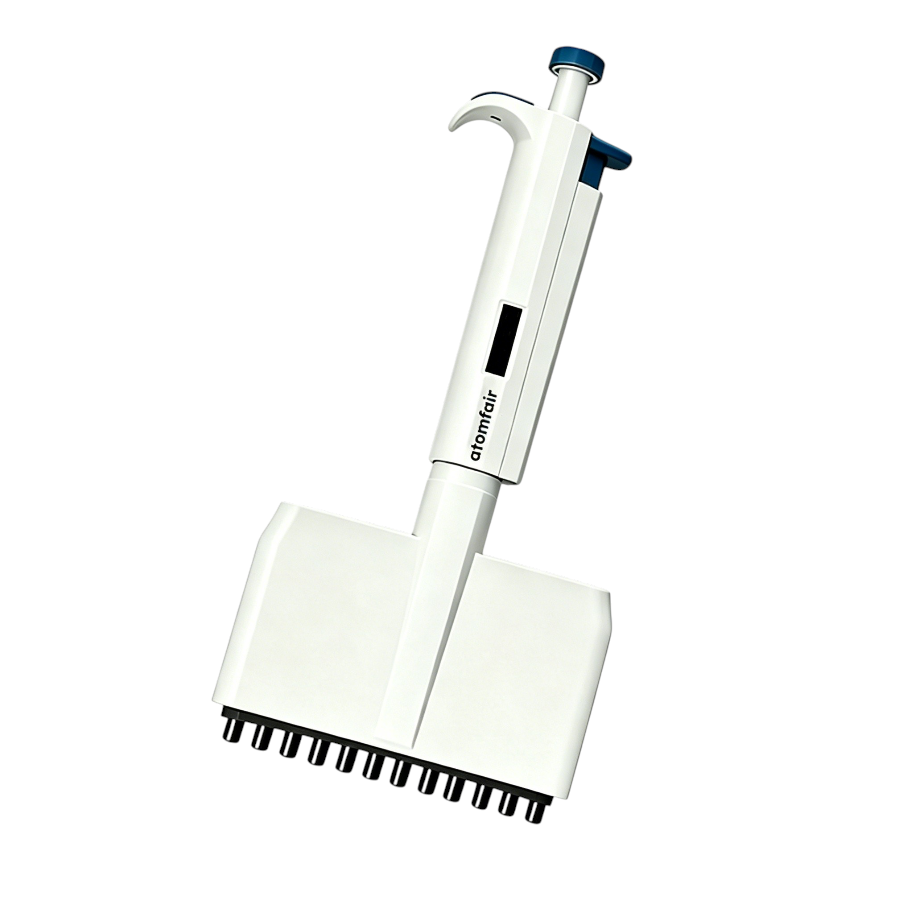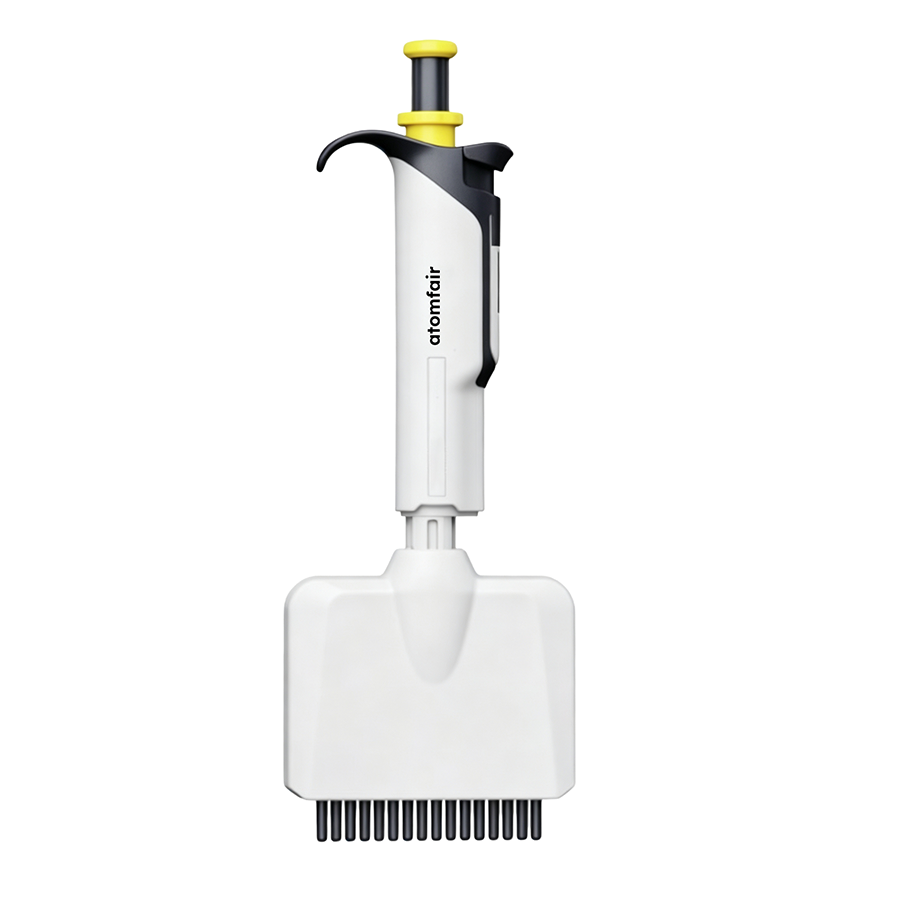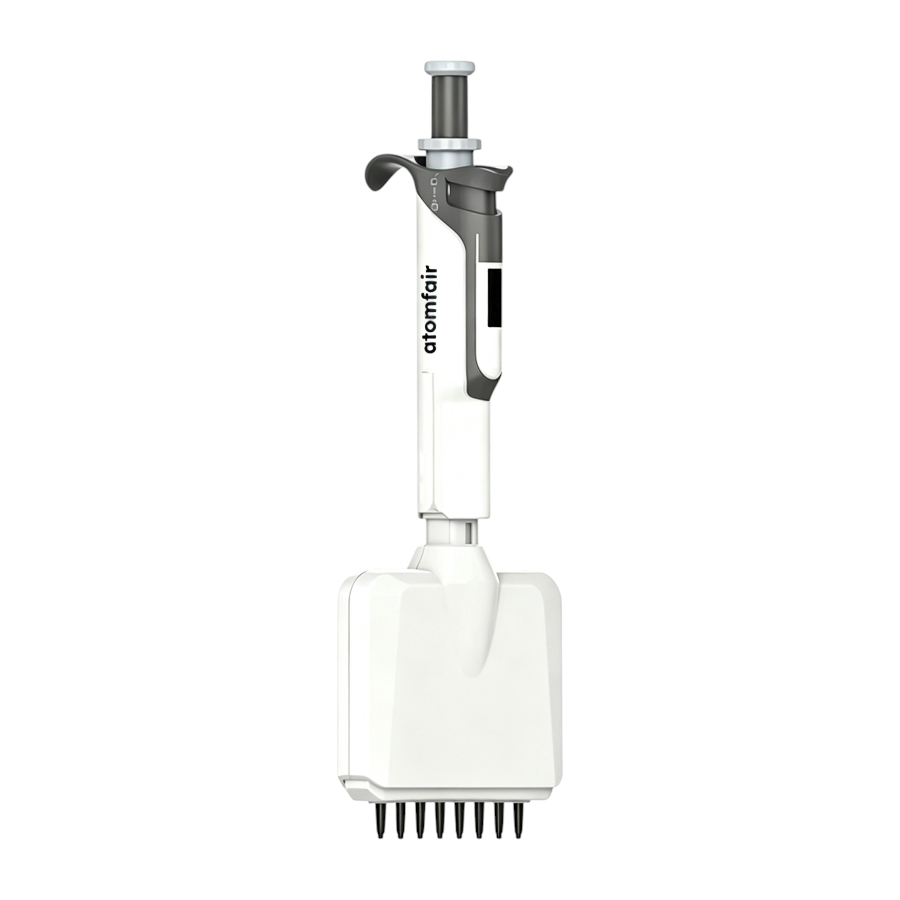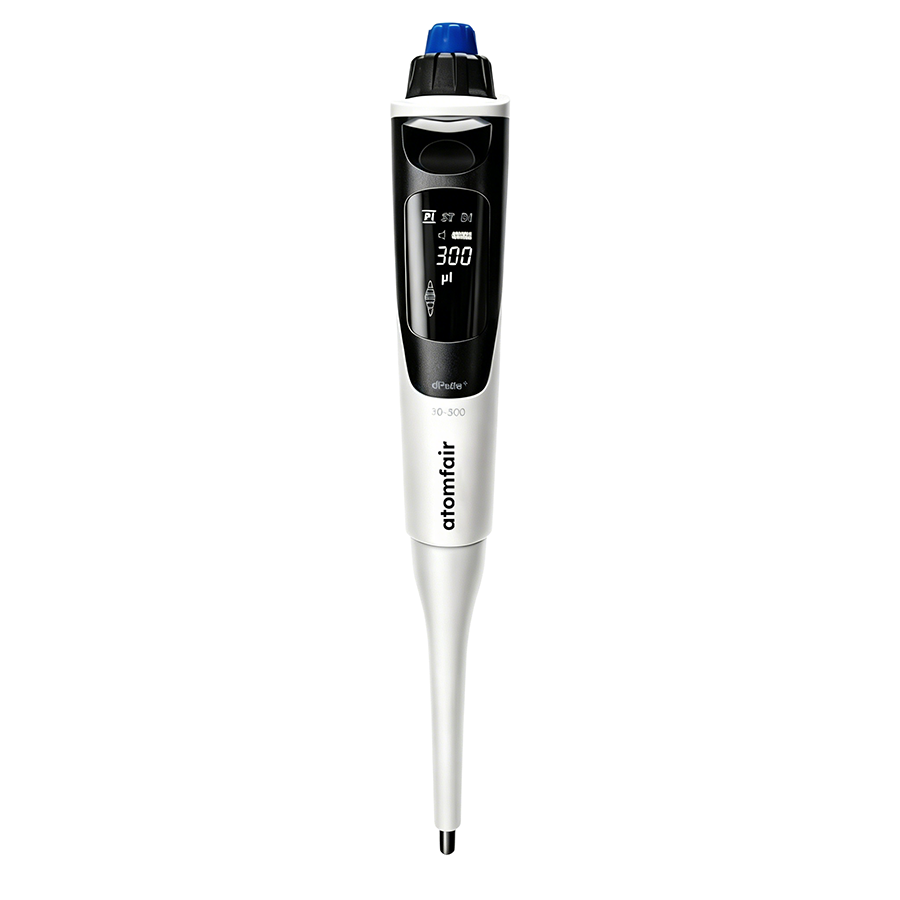
dPette+ Single-channel 0.5-10 µL PipetteProduct Type: Electronic pipette
Research-grade liquid handling platform
|
|||||||||||||||||||||||||||||||
|
|||||||||||||||||||||||||||||||
|
TAILORED SOLUTIONS FOR RESEARCH
For bulk orders, OEM requirements, accessory matching, platform selection or configuration confirmation, contact our engineering sales team.
EMAIL: inquiry@atomfair.com
|
|||||||||||||||||||||||||||||||
|
Supplier: Atomfair
Brand: ATOMFAIR®
|
The pipette's lower half is autoclavable, but the upper half must not be autoclaved. Calibration must follow ISO 8655-2 with acceptance criteria at defined test volumes.
- Sterilization Constraint: Only the lower half of the pipette is autoclavable; the upper assembly must not be subjected to autoclave cycles.
- Calibration Requirement: Calibration must be performed according to ISO 8655-2 using the stated test volumes and acceptance criteria.
- Tip Compatibility: Only tips certified for the 0.5-10 µL range and compatible with the dPette+ shaft design must be used to maintain accuracy.
- Volume Increment Precision: The 0.01 µL increment requires stable ambient conditions and properly seated tips to avoid systematic drift.
- Error Tolerance Limits: Deviations beyond the specified systematic and random errors at 10, 5, and 1 µL indicate need for recalibration or service.
How does the accuracy of the dPette+ 0.5-10 µL pipette at 1 µL compare to its performance at 10 µL, and what trade-off should be considered when using it for low-volume applications?
At 10 µL, the systematic error is ±0.10 µL (±1.00%) and random error is ±0.05 µL (±0.50%). At 1 µL, systematic error increases to ±0.05 µL (±5.00%) and random error to ±0.03 µL (±3.00%). This means relative accuracy degrades significantly at lower volumes, so the pipette is best suited for applications near its upper range or where the higher relative error at 1 µL is acceptable.
What calibration standards does the dPette+ 0.5-10 µL pipette adhere to, and how does that affect its integration into ISO-compliant laboratory workflows?
The pipette is calibrated to the ISO 8655-2 user calibration reference as indicated in the technical table. This allows integration into workflows requiring traceable calibration, but users must perform their own calibration checks according to that standard. The product description does not specify tip compatibility, so users should confirm tip requirements separately.
Can the dPette+ 0.5-10 µL pipette be fully sterilized, and what are the recommended autoclaving procedures for the autoclavable components?
Only the lower half of the pipette is autoclavable; the upper half (likely containing electronics) is not. The description does not specify temperature or cycle parameters, so users should follow standard autoclave procedures for the autoclavable components and use alternative disinfection methods for the upper half. This limitation is important for laboratories requiring full sterilization of liquid handling tools.
The dPette+ Single-channel 0.5-10 µL Pipette offers a 0.01 µL increment and ISO 8655-2 calibration reference, but accuracy degrades significantly at the lower end of its range (5% systematic error at 1 µL) and only the lower half is autoclavable, limiting full sterilization options.
Positive
- High precision at 10 µL: At 10 µL the systematic error is only ±1.00% and random error ±0.50%, delivering excellent repeatability for routine analytical transfer and PCR setup.
- Lower half autoclavable: The lower half of the pipette can be autoclaved, allowing decontamination of the tip- contacting parts without requiring full instrument sterilization.
Trade-offs
- Accuracy loss at low volumes: At 1 µL the systematic error rises to ±5.00% and random error to ±3.00%, making the pipette less reliable for sub-microliter transfers where tight tolerances are required.
- Partial autoclavability constraint: Only the lower half is autoclavable; the upper assembly must be cleaned by alternative methods, which adds complexity to full sterilization protocols.
Every advanced material, component, equipment, and instrument in our catalog is backed by rigorous testing. We maintain strict internal quality management frameworks and align with CE conformity metrics to deliver transparent, reproducible performance data via our public open-science repository.
To request raw batch performance data, submit formal vendor registration paperwork, or execute a fast-turnaround R&D manufacturing loop, contact us at inquiry@atomfair.com.
Item is dispatched under the Atomfair Shipping & Delivery Framework (Free worldwide shipping on orders over $59 USD excl. heavy equipment). Return is governed by the Atomfair Return & Refund Policy (7-day technical return window).