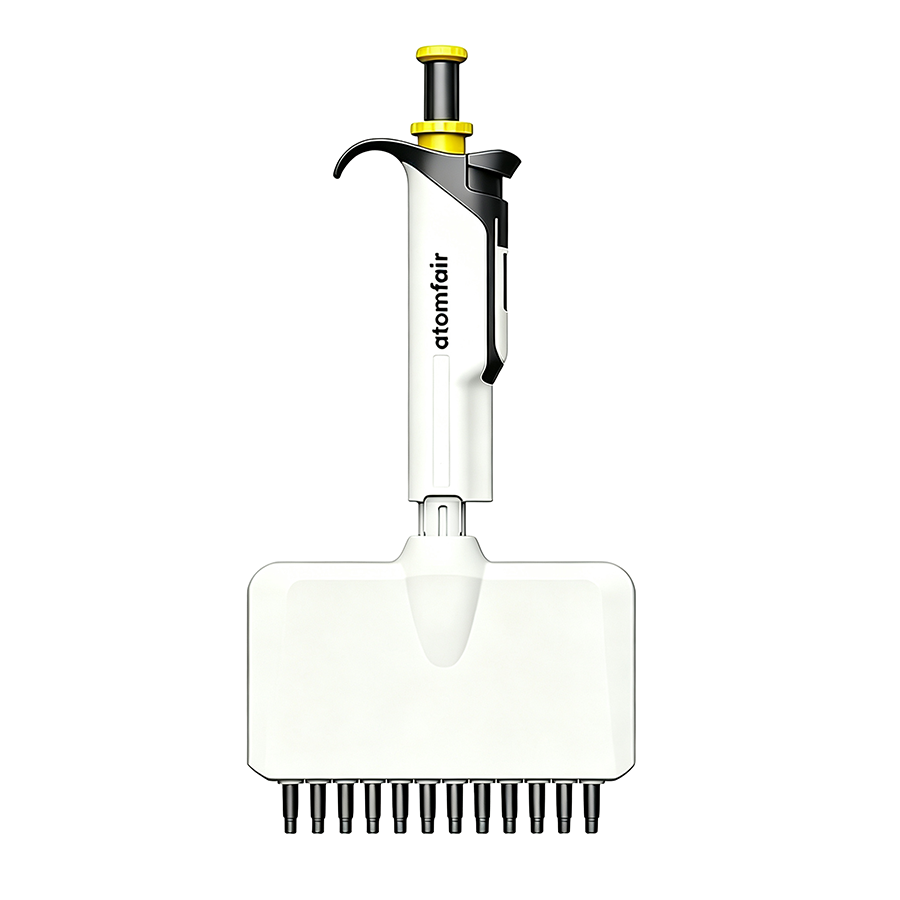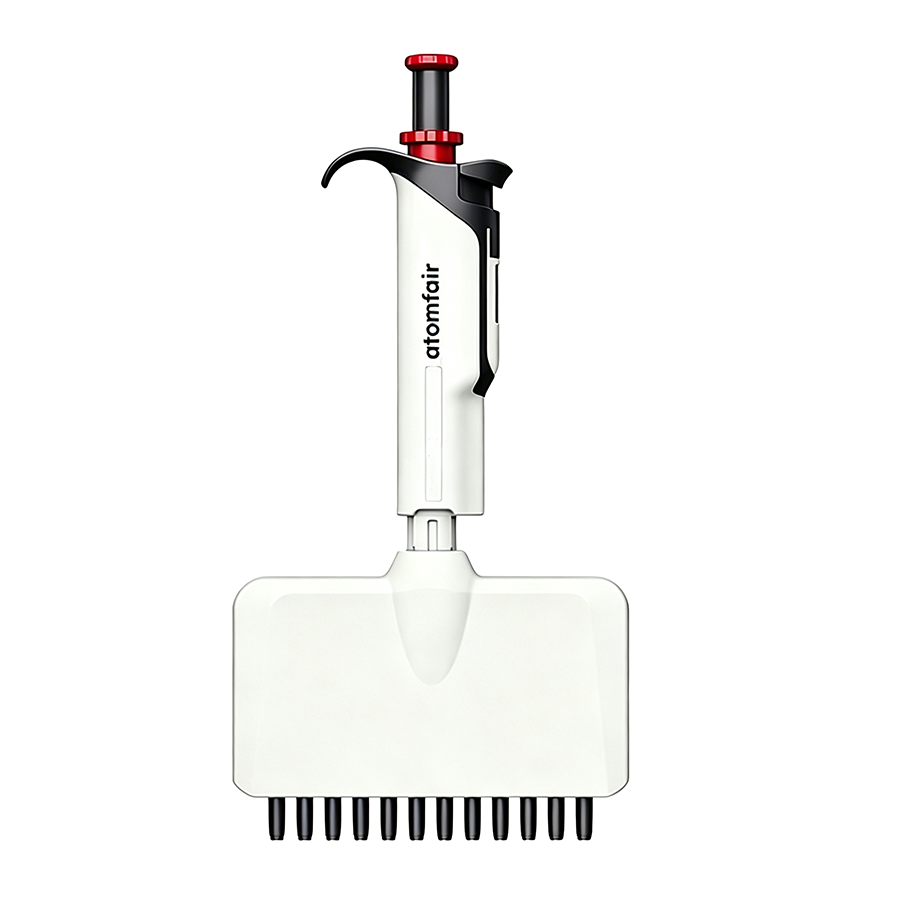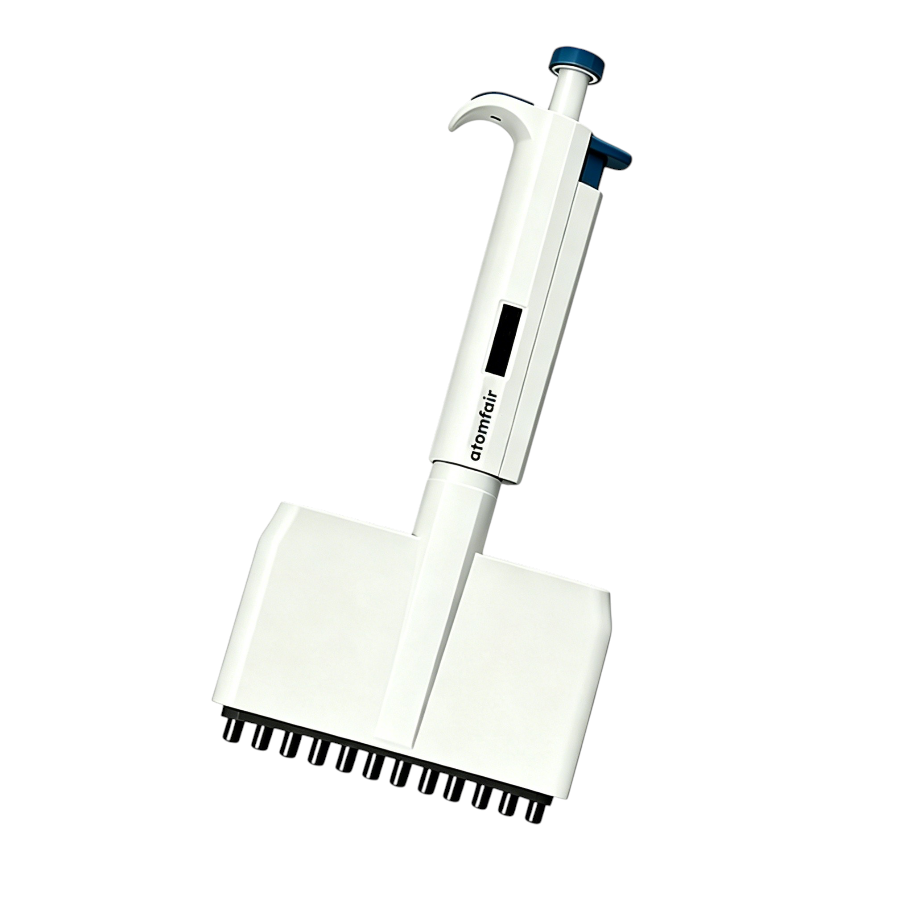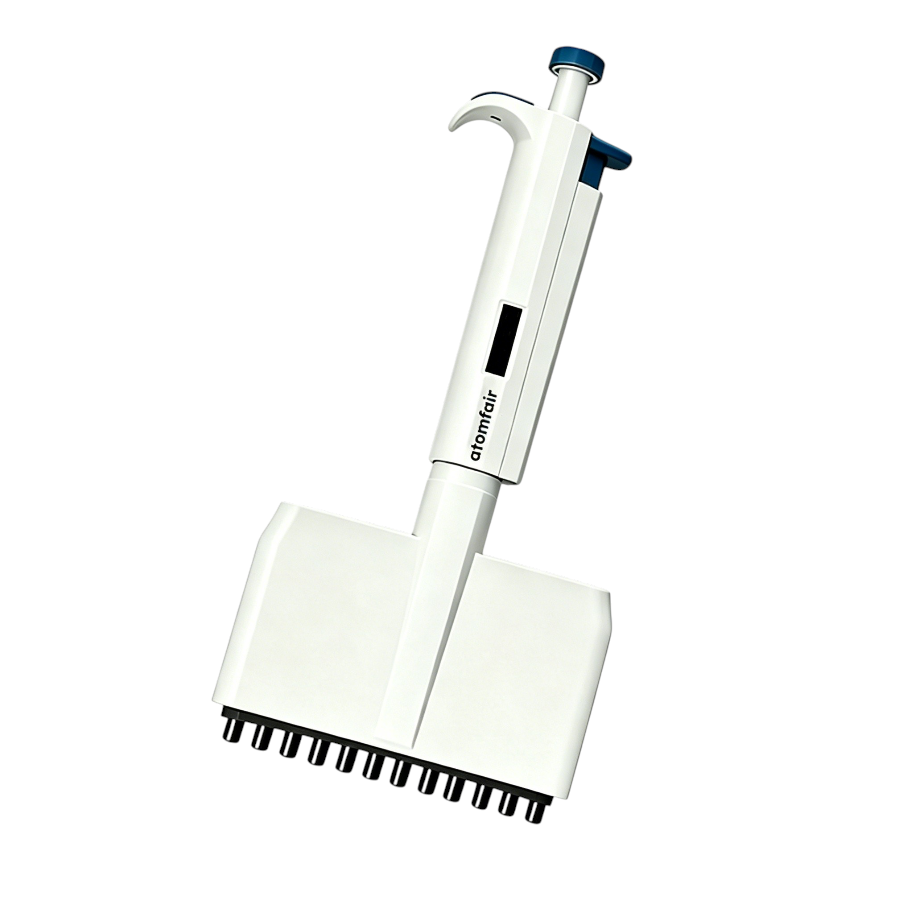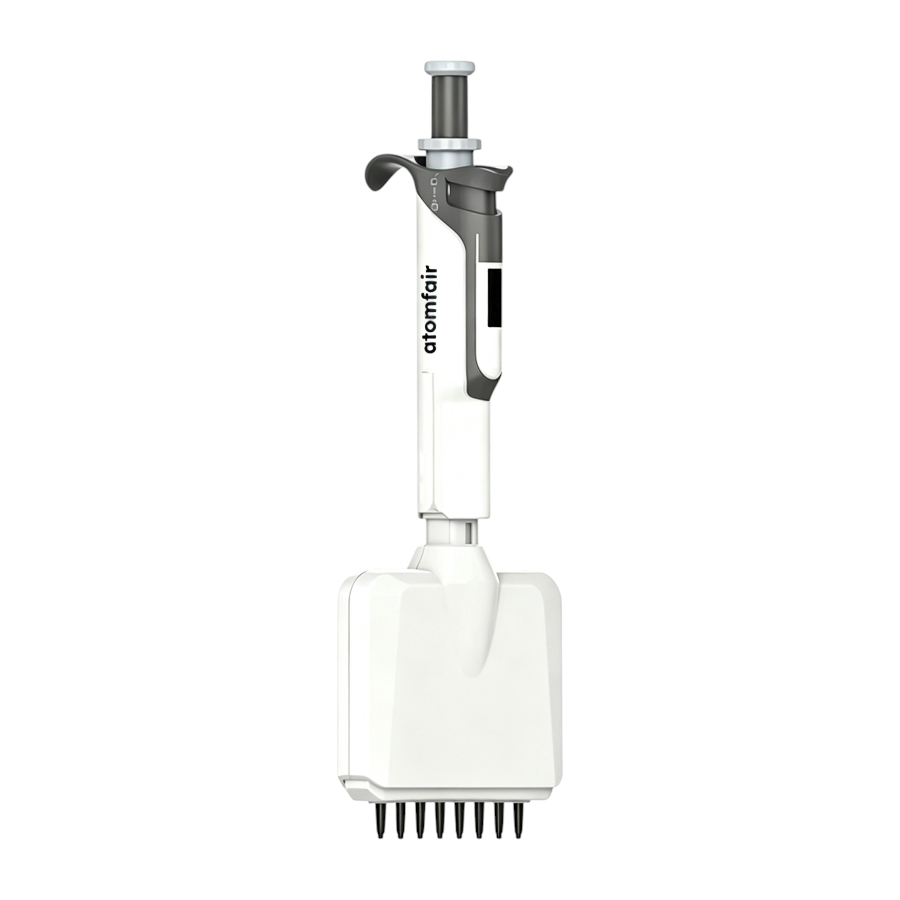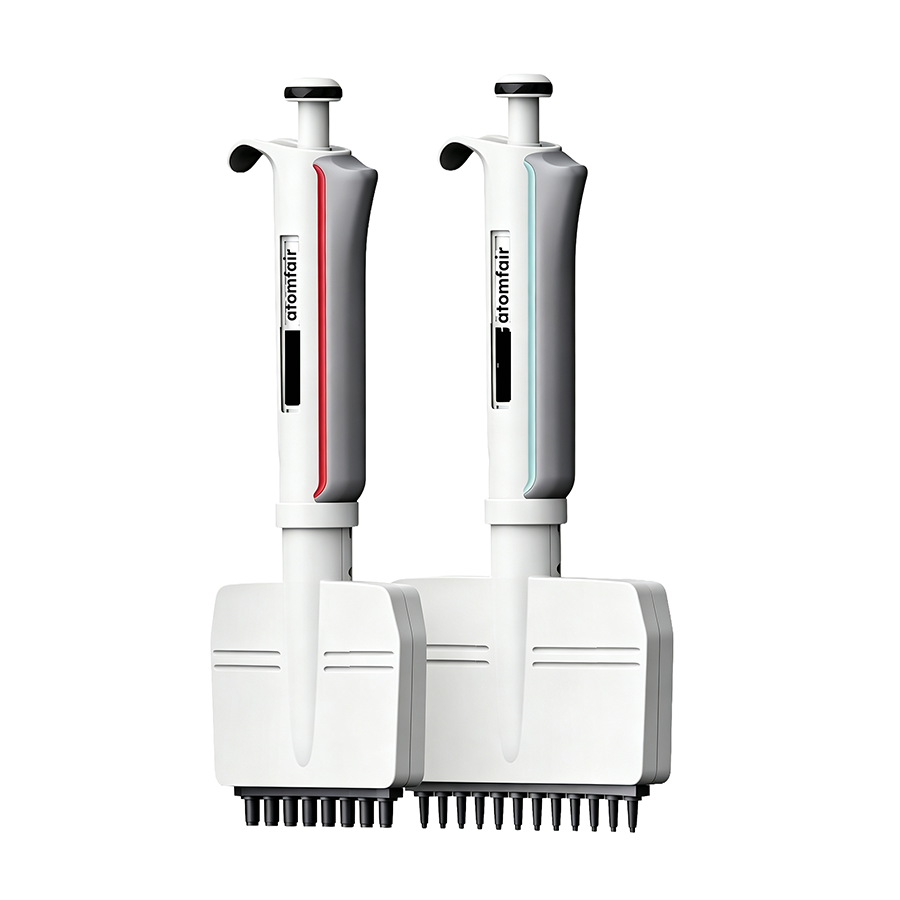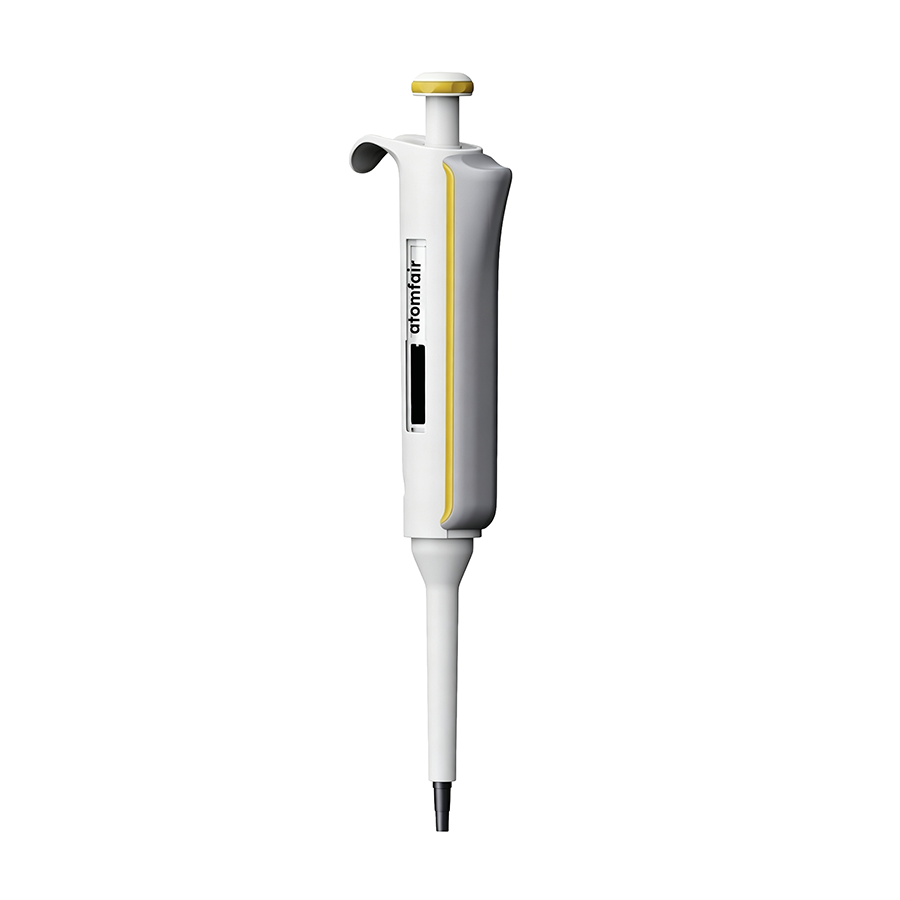
Mi-Pette Single-channel 1000-10000 µL PipetteProduct Type: Manual pipette
Research-grade liquid handling platform
|
|||||||||||||||||||||||||||||||
|
|||||||||||||||||||||||||||||||
|
TAILORED SOLUTIONS FOR RESEARCH
For bulk orders, OEM requirements, accessory matching, platform selection or configuration confirmation, contact our engineering sales team.
EMAIL: inquiry@atomfair.com
|
|||||||||||||||||||||||||||||||
|
Supplier: Atomfair
Brand: ATOMFAIR®
|
This manual pipette requires periodic calibration per ISO 8655-2 to maintain its specified accuracy and precision. High-temperature sterilization is supported but may necessitate recalibration to preserve performance.
- Calibration Requirements: The pipette must be calibrated according to ISO 8655-2 using the indicated test volumes to ensure systematic and random errors remain within tolerances.
- Sterilization Considerations: High-temperature sterilization is permissible, but repeated autoclaving may affect calibration and should be followed by verification.
- Tip Compatibility: Only compatible tips should be used to achieve proper sealing and maintain specified accuracy.
- Volume Adjustment: Volume is set in 10 µL increments across the 1000-10000 µL range using the plunger mechanism.
- Performance Verification: Accuracy and precision are verified at 1000, 5000, and 10000 µL test volumes as per the technical specifications.
How does the systematic error of the Mi-Pette 1000-10000 µL pipette change across its volume range, and what is the practical impact on accuracy when pipetting at the lower end of the range?
At 10000 µL, systematic error is ±60 µL (±0.6%), while at 1000 µL it is also ±60 µL but corresponds to ±6.0% relative error. This means the absolute error remains constant at ±60 µL, but the relative error increases significantly at lower volumes, making the pipette less accurate for precise low-volume work within its range.
What calibration standard does the Mi-Pette 1000-10000 µL pipette adhere to, and how does this affect its integration into laboratories with existing quality control protocols?
The pipette adheres to ISO 8655-2 user calibration reference. This ensures compatibility with laboratories that require traceable calibration per that standard, facilitating integration into quality control workflows that mandate ISO 8655-2 compliance.
What are the sterilization capabilities of the Mi-Pette 1000-10000 µL pipette, and what considerations should be made for maintaining calibration after repeated autoclaving?
The pipette supports high-temperature sterilization as indicated by its product family. However, the specific time and temperature parameters are not specified; users should confirm with the manufacturer. Regular recalibration per ISO 8655-2 is recommended to maintain accuracy after sterilization cycles.
The Mi-Pette Single-channel 1000–10000 µL pipette offers full autoclavability and ISO 8655-2 traceable error specifications across three test volumes, making it suitable for routine liquid handling in research and teaching labs; however, users must account for a systematic error of ±6.0% at the 1000 µL minimum volume and ensure compatible tip selection and calibration planning.
Positive
- Fully autoclavable construction: High-temperature sterilization is supported where indicated by source family, enabling decontamination between uses without disassembly.
- Volume-specific error data provided: Systematic and random error values are listed at 10000 µL, 5000 µL and 1000 µL test volumes per ISO 8655-2 for direct calibration review and method validation.
Trade-offs
- High systematic error at low volume: At the minimum test volume of 1000 µL systematic error reaches ±60 µL (±6.0%), which may limit accuracy for applications requiring precise dispensing near the lower end of the range.
- Requires compatible tips and calibration planning: Optimal performance depends on selecting appropriate tips and scheduling routine calibration; these operational dependencies must be confirmed before deployment.
Every advanced material, component, equipment, and instrument in our catalog is backed by rigorous testing. We maintain strict internal quality management frameworks and align with CE conformity metrics to deliver transparent, reproducible performance data via our public open-science repository.
To request raw batch performance data, submit formal vendor registration paperwork, or execute a fast-turnaround R&D manufacturing loop, contact us at inquiry@atomfair.com.
Item is dispatched under the Atomfair Shipping & Delivery Framework (Free worldwide shipping on orders over $59 USD excl. heavy equipment). Return is governed by the Atomfair Return & Refund Policy (7-day technical return window).