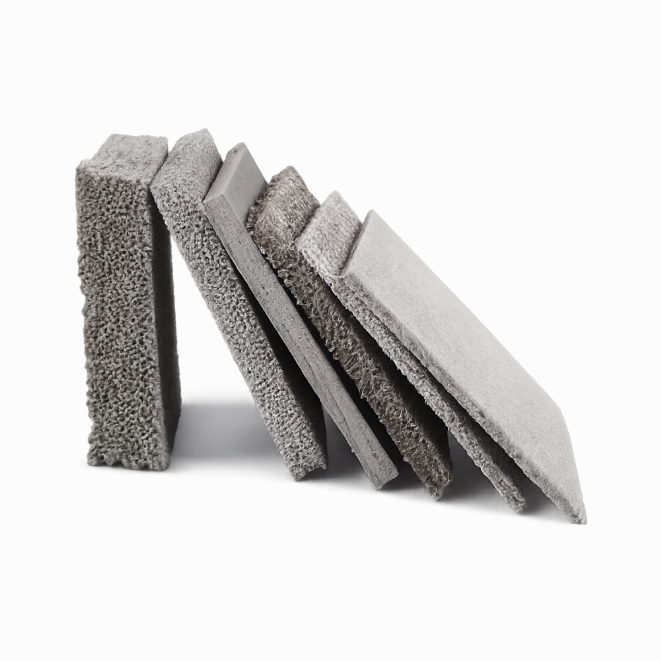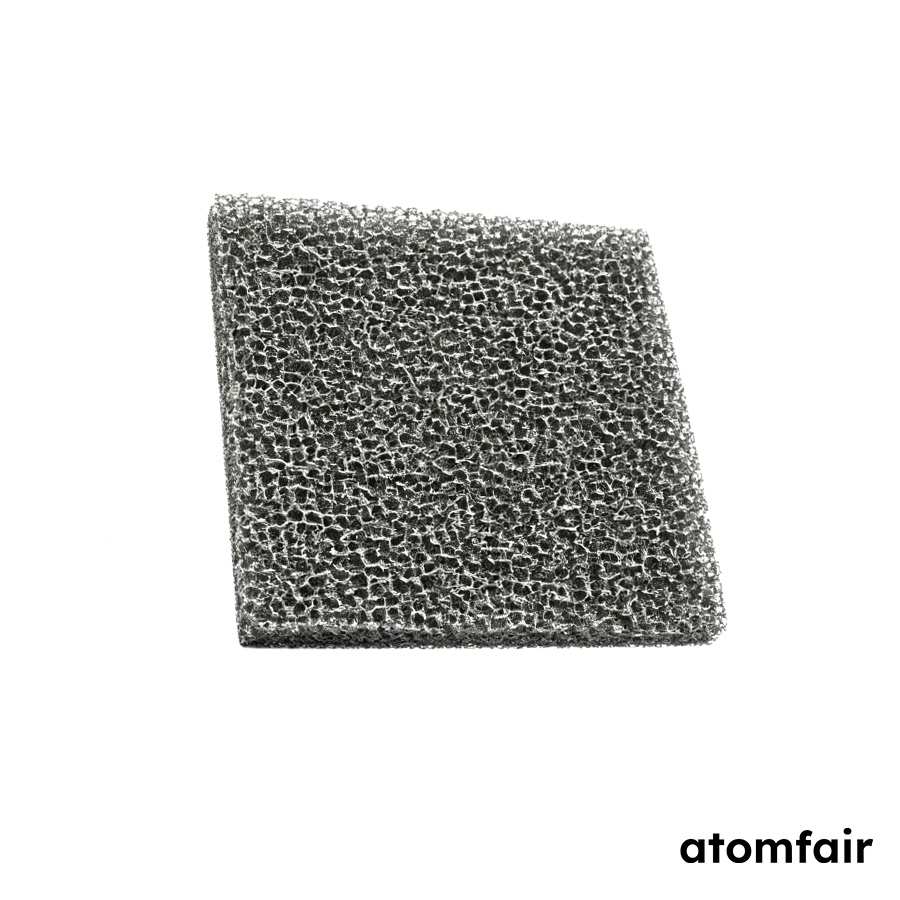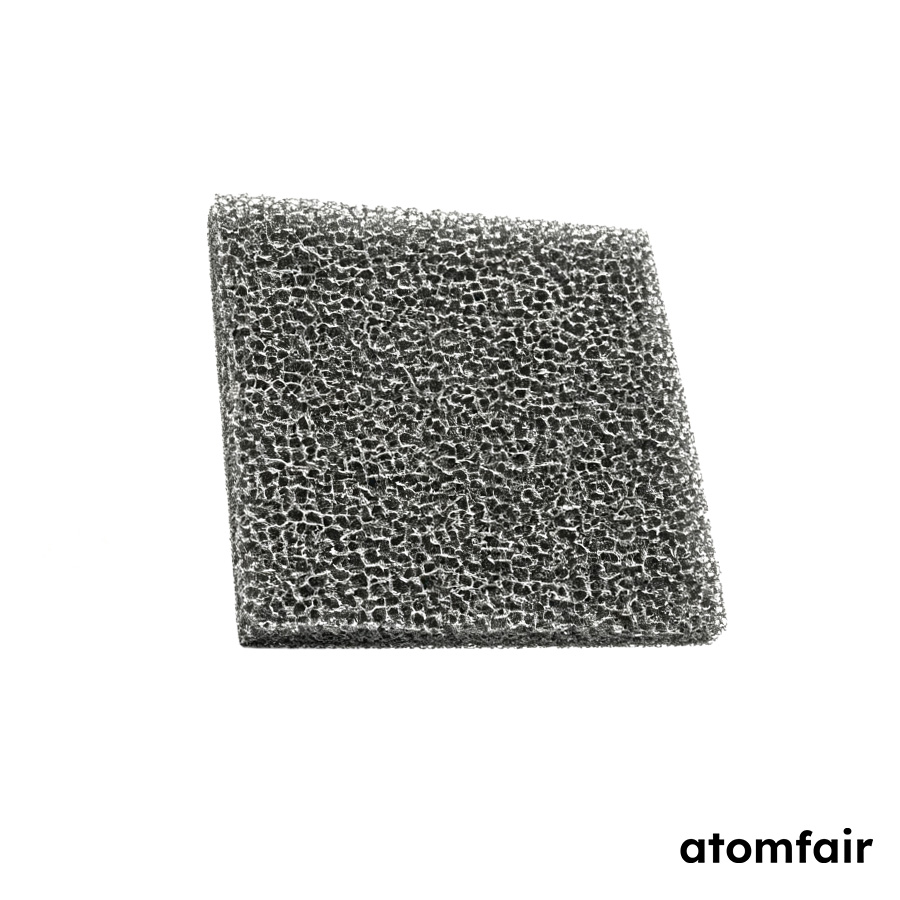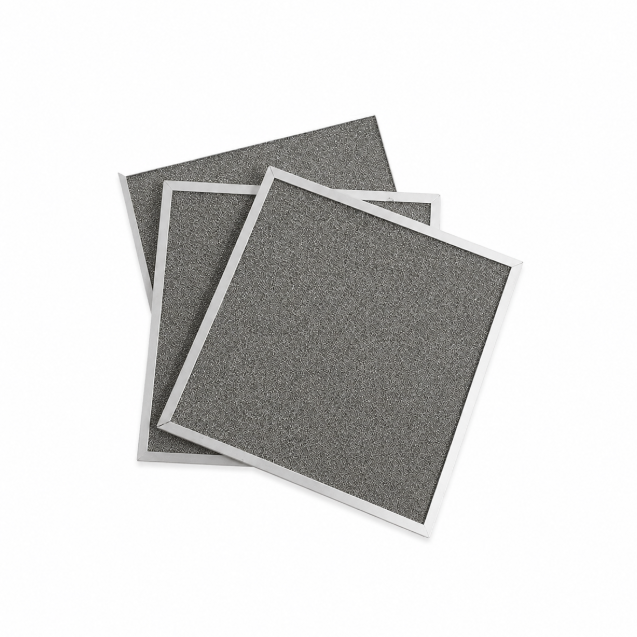
POROUS NICKEL FOAM 95% POROSITY 3D RETICULATED BATTERY ELECTRODERESEARCH GRADE MATERIAL
|
|||||||||||||||||||||||||||||||||||||||||
|
|||||||||||||||||||||||||||||||||||||||||
|
TAILORED SOLUTIONS FOR RESEARCH
Contact our engineering team for technical support or official quotations.
EMAIL: inquiry@atomfair.com
|
|||||||||||||||||||||||||||||||||||||||||
|
Manufacturer: Atomfair LLC
Brand: ATOMFAIR®
|
This porous nickel foam requires specific handling and environmental controls to maintain structural integrity and performance. Pre-conditioning in a reducing atmosphere is necessary for high-temperature oxidizing applications, and thin sheets must be handled with vacuum pickup tools to prevent pore deformation.
- High-Temperature Pre-conditioning: Pre-condition the nickel foam in a reducing environment (H2/Ar) when using at temperatures above 500°C in oxidizing atmospheres to remove surface oxide layers.
- Thin Sheet Handling: Use vacuum pickup tools when handling sheets thinner than 1 mm to prevent localized plastic deformation of the pore walls.
- Storage Conditions: Store the material in a dry, temperature-controlled environment to avoid moisture-related degradation.
- Acid Compatibility: Avoid prolonged exposure to concentrated oxidizing acids as they may cause gradual surface passivation despite the material's inherent acid-alkali resistance.
Following these steps ensures safe handling and optimal performance of the porous nickel foam in research applications. Pre-conditioning and proper handling techniques prevent damage and maintain the material's electrochemical properties.
Required Equipment: Vacuum pickup tool
- Pre-condition for high-temperature use
Pre-condition the nickel foam in a reducing environment (H2/Ar) at temperatures above 500°C in oxidizing atmospheres to remove surface oxide layers. - Handle thin sheets carefully
Use vacuum pickup tools when handling sheets thinner than 1 mm to prevent localized plastic deformation of the pore walls. - Store appropriately
Store the material in a dry, temperature-controlled environment to maintain its integrity and performance.
What is the trade-off between porosity and mechanical strength for this porous nickel foam?
The foam achieves ≥95% porosity (up to 98%) with a bulk density of 0.1–0.8 g/cm³, yet retains a tensile strength of 8–50 MPa per ISO 6892-1:2019 and compressive strength ≥250 KPa at 50% compression per ISO 844:2014. The high porosity reduces density to roughly 1/50th of solid nickel, but mechanical strength is sufficient for battery electrode and catalytic carrier applications, with the upper tensile range supporting structural integrity in thicker or lower-PPI grades.
Can this nickel foam be used directly as a current collector in lithium-ion batteries without additional surface treatment?
Yes, the open-cell 95% porosity structure is validated for use as an electrode current collector in Ni-MH, Ni-Cd, fuel cell, and lithium-ion battery systems. However, for high-temperature applications exceeding 500°C in oxidizing atmospheres, pre-conditioning in a reducing environment (H₂/Ar) is recommended to remove surface oxide layers and restore full electrical conductivity. For thin sheets under 1 mm thickness, use vacuum pickup tools to prevent localized plastic deformation of the pore walls.
What are the recommended storage and handling conditions for this porous nickel foam to prevent structural damage?
Store in a dry, temperature-controlled environment. The material is inherently acid-alkali resistant per ISO 11845:1995, but prolonged exposure to concentrated oxidizing acids may cause gradual surface passivation. The foam is supplied vacuum-sealed in low-outgassing polyethylene film with rigid protective plates; after opening, handle carefully to preserve the 3D reticulated structure. For thin sheets (<1 mm thickness), use vacuum pickup tools to avoid plastic deformation of the pore walls.
This 95% porosity nickel foam provides a 3D reticulated structure with high specific surface area for battery electrode and catalysis applications, exhibiting thermal stability up to 1100°C and corrosion resistance per ISO 11845:1995, though it requires pre-conditioning for high-temperature oxidizing environments and careful handling of thin sections.
Positive
- High Porosity 3D Reticulated Structure: 95% porosity with ≥98% through-hole ratio yields high specific surface area, enhancing active material loading and charge transfer kinetics in Ni-MH, Ni-Cd, and lithium-ion battery electrodes.
- High Temperature and Corrosion Resistance: Stable up to 1100°C and acid/alkali resistant per ISO 11845:1995, making it suitable for high-temperature electrochemical, catalytic, and thermal management applications.
Trade-offs
- Pre-conditioning Required for High-Temperature Oxidizing Use: For temperatures above 500°C in oxidizing atmospheres, pre-conditioning in an H2/Ar reducing environment is necessary to remove surface oxide layers and restore full electrical conductivity.
- Handling Sensitivity for Thin Sheets: Thin sheets under 1 mm thickness must be handled with vacuum pickup tools to prevent localized plastic deformation of the pore walls.
Every advanced material, component, equipment, and instrument in our catalog is backed by rigorous testing. We maintain strict internal quality management frameworks and align with CE conformity metrics to deliver transparent, reproducible performance data via our public open-science repository.
To request raw batch performance data, submit formal vendor registration paperwork, or execute a fast-turnaround R&D manufacturing loop, contact us at inquiry@atomfair.com.
Item is dispatched under the Atomfair Shipping & Delivery Framework (Free worldwide shipping on orders over $59 USD excl. heavy equipment). Return is governed by the Atomfair Return & Refund Policy (7-day technical return window).