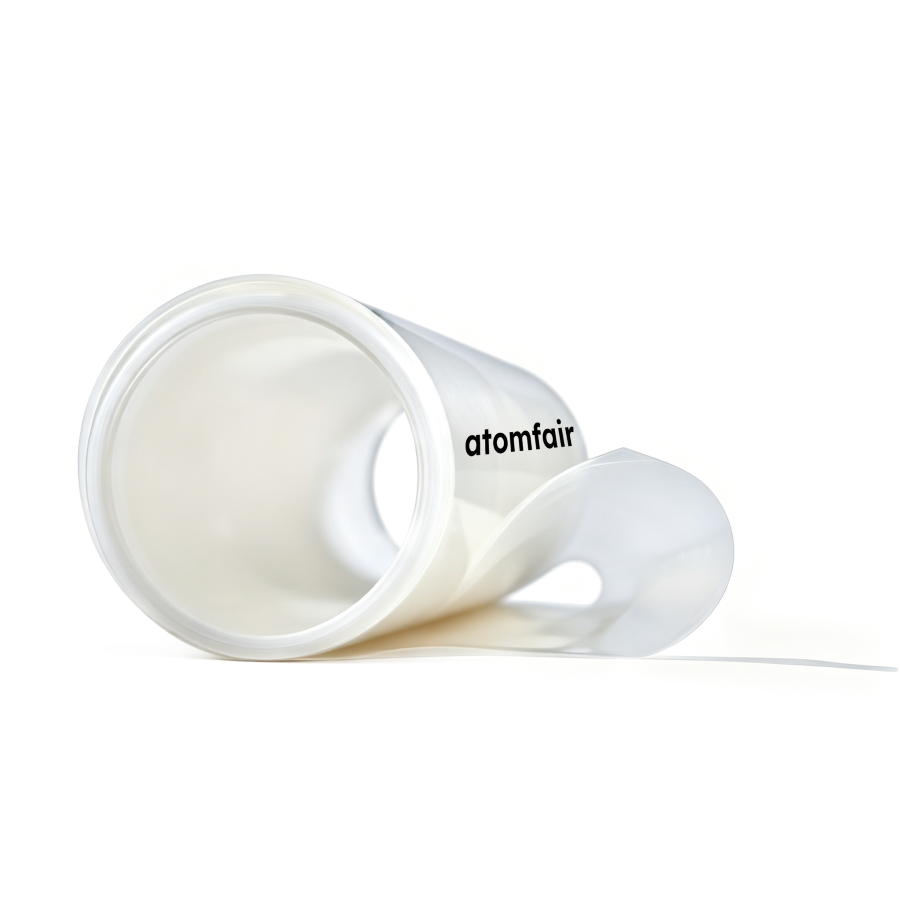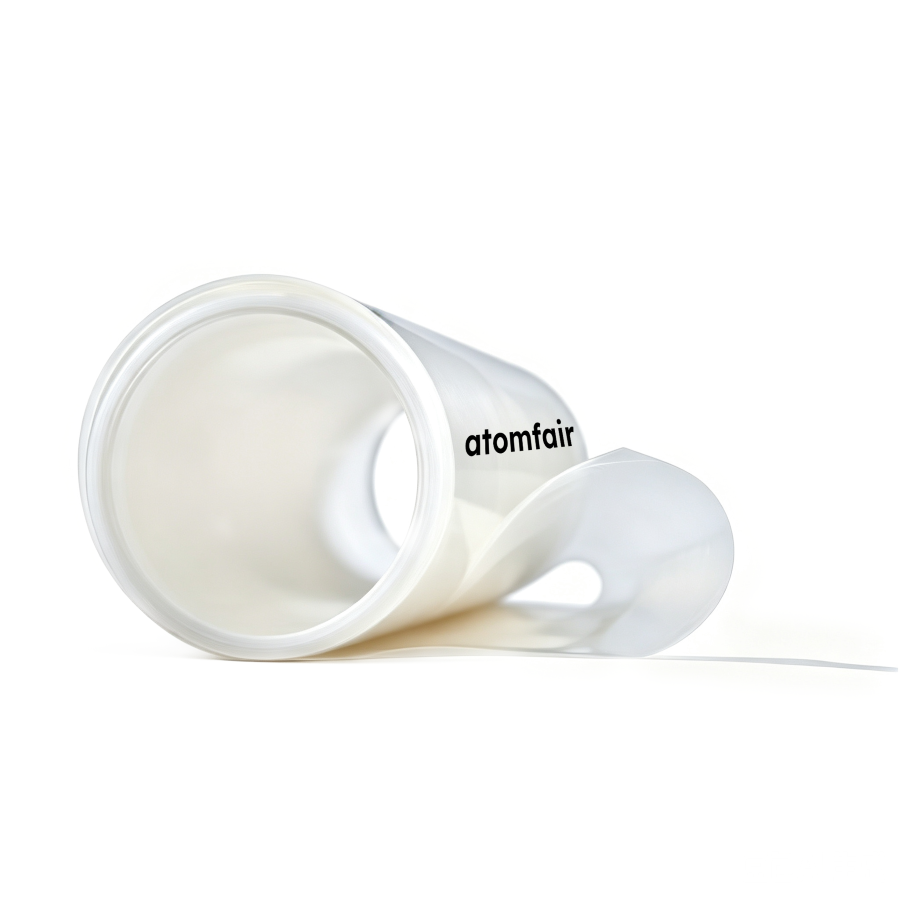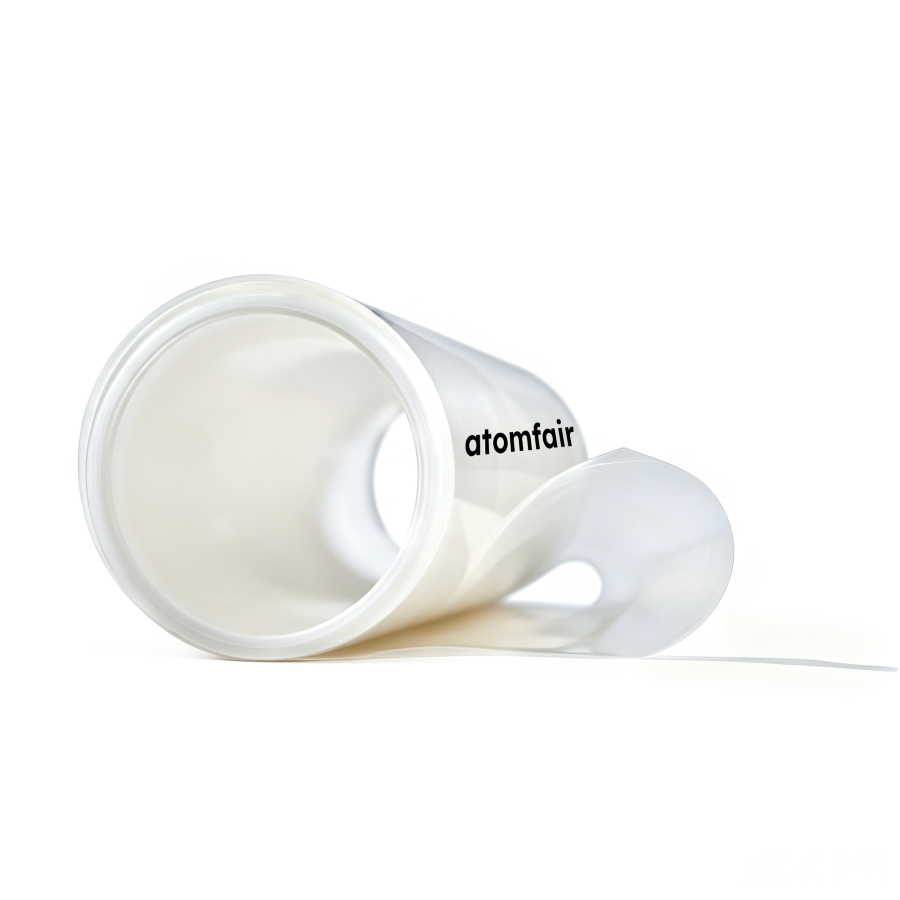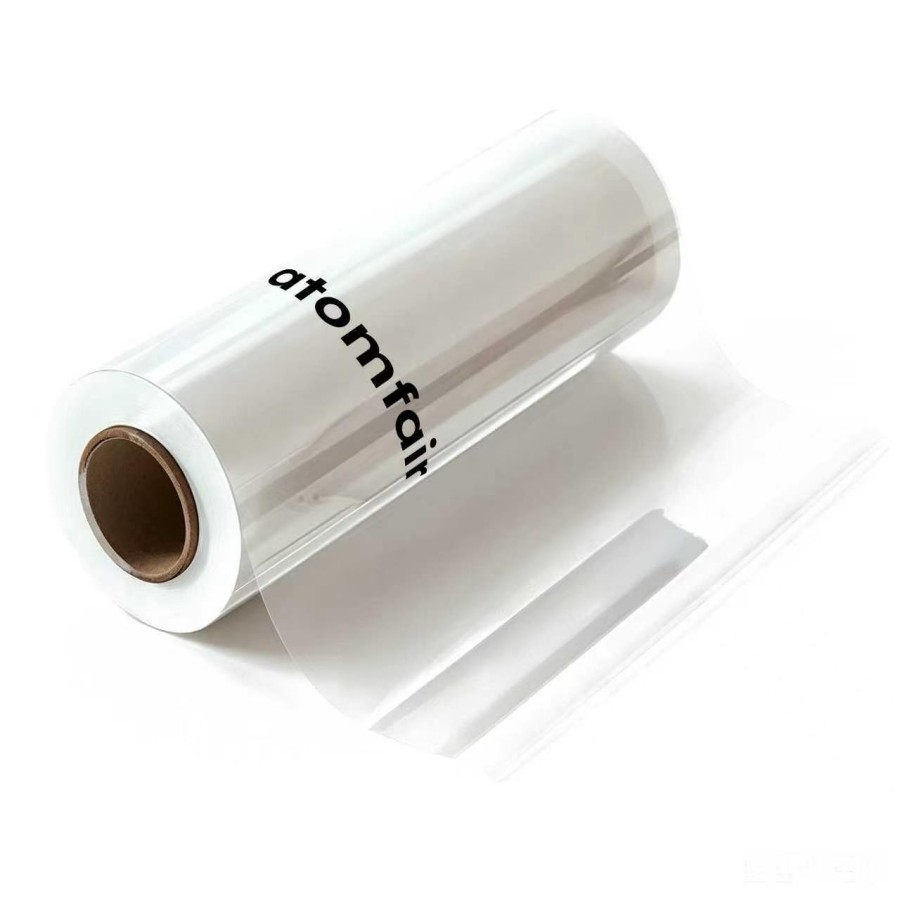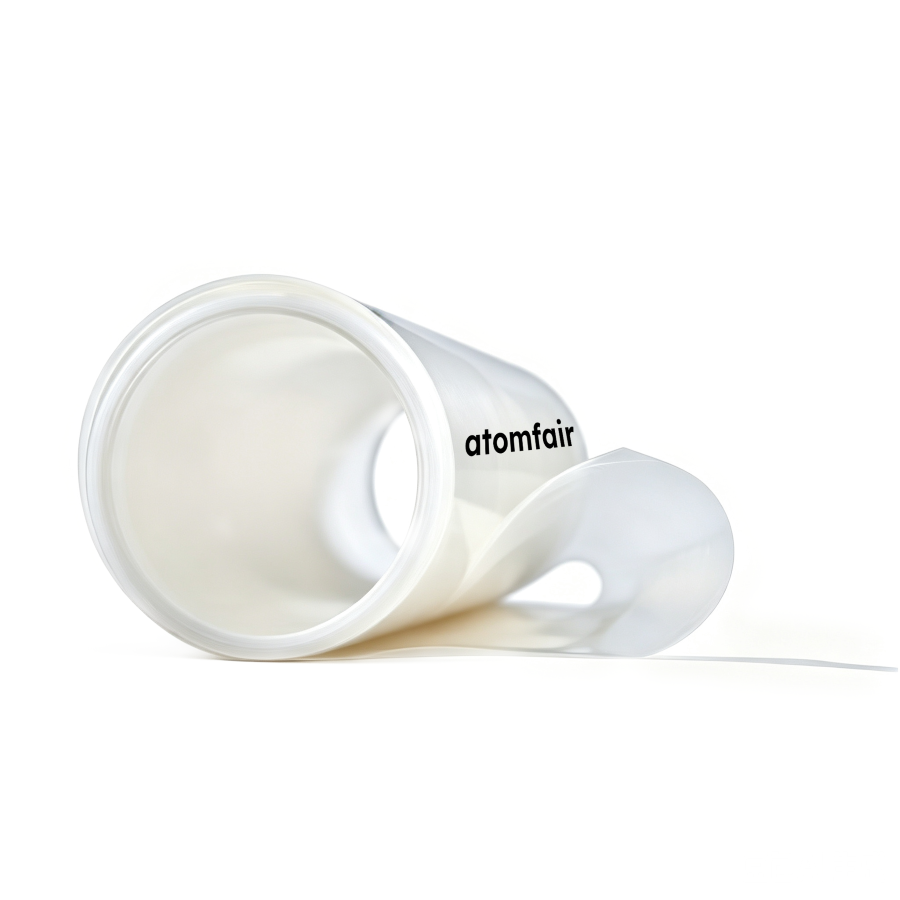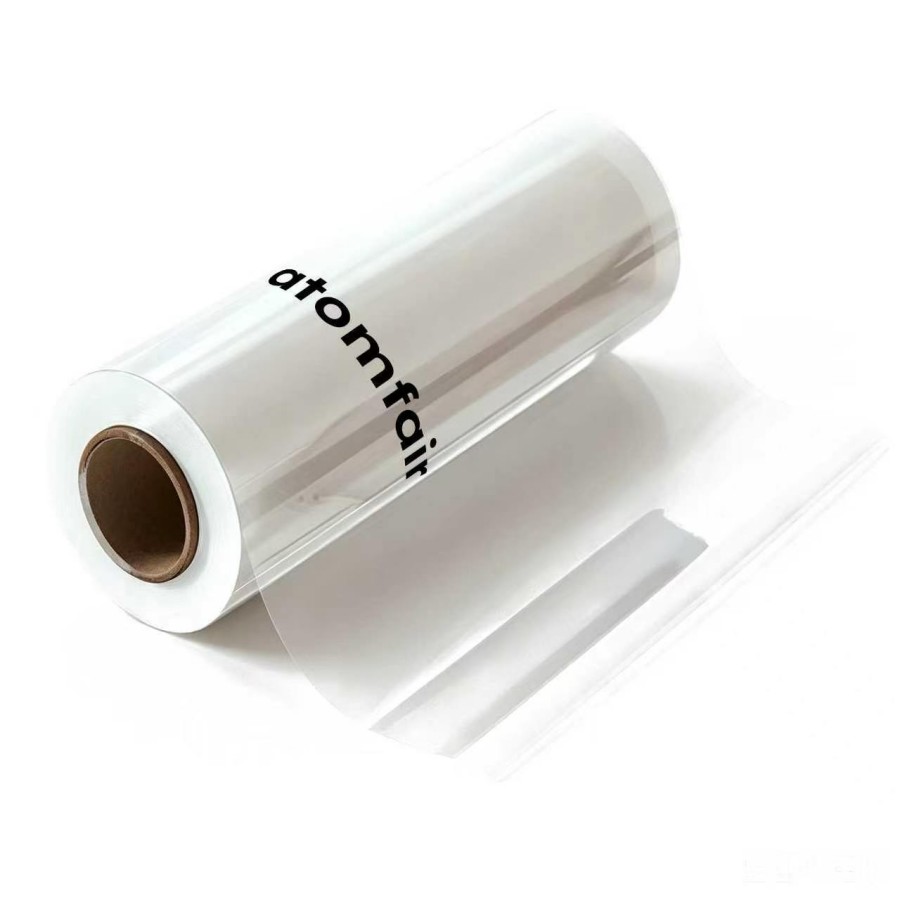
REINFORCED ELECTROLYZER PROTON EXCHANGE MEMBRANESRESEARCH GRADE MATERIAL
|
|||||||||||||||||||||||||||||||||||||||||||||||||||||||
|
|||||||||||||||||||||||||||||||||||||||||||||||||||||||
|
TAILORED SOLUTIONS FOR RESEARCH
Contact our engineering team for technical support or official quotations.
EMAIL: INQUIRY@ATOMFAIR.COM
|
|||||||||||||||||||||||||||||||||||||||||||||||||||||||
|
Manufacturer: ATOMFAIR LLC
|
|||||||||||||||||||||||||||||||||||||||||||||||||||||||
This reinforced PEM membrane requires activation pretreatment before stack integration and must be stored in humidity-monitored vacuum lockers to prevent cracking. Pre-test conditioning at 23±2°C and 50±5% RH for 24 hours is necessary to ensure dimensional stability.
- Activation Requirement: Activation pretreatment is required before operational validation.
- Storage Constraint: Unsealed substrates must be stored in humidity-monitored vacuum lockers to avoid localized cracking or dimensional warping.
- Environmental Sensitivity: Exposure to dry environments can cause structural damage to the membrane.
- Pre-test Conditioning: Specimen sheets must settle in a controlled laboratory environment (23±2°C, 50±5% RH) for 24 hours prior to testing.
- Operator Restriction: Only authorized technical personnel should handle and operate the membrane.
Proper handling and conditioning of the reinforced PEM membrane are critical to prevent damage and ensure reliable performance. Follow these steps for storage, pretreatment, and pre-test conditioning.
Required Equipment: Humidity-monitored vacuum locker
- Condition the membrane
Condition the membrane sheet in a controlled laboratory environment at 23±2°C and 50±5% RH for 24 hours before testing. - Activate the membrane
Perform activation pretreatment of the membrane before integrating it into the electrolyzer stack. - Store the membrane
Store unsealed membrane sheets in humidity-monitored vacuum lockers to prevent cracking or dimensional warping.
How does the tensile strength of the 110 μm reinforced membrane compare to the thinner 50 μm and 80 μm variants, and what is the trade-off in swelling ratio?
The 110 μm variant (ELE-S110) has a tensile strength of ≥30 MPa in both TD and MD directions, while the 50 μm (ELE-S050) and 80 μm (ELE-S080) variants achieve ≥35 MPa. The linear swelling ratio at 80°C for 1 hour is ≤6% for the 110 μm membrane, compared to ≤5% for the thinner grades. This trade-off means the thicker membrane offers slightly lower mechanical strength but accommodates higher swelling, which may be relevant for high-pressure electrolyzer designs.
What preconditioning and activation steps are required before integrating these PEM membranes into an electrolyzer stack?
The membranes require activation pretreatment prior to stack configuration. For baseline validation, specimens must be conditioned at 23±2°C (73.4±3.6°F) and 50±5% RH for 24 hours. Structural testing should use 10 mm rectangular strips at a tensile velocity of 50 mm/min. To prevent localized cracking or dimensional warping, avoid exposing unsealed substrates to dry environments and store in humidity-monitored vacuum lockers.
What are the recommended storage and packaging conditions for these reinforced perfluorosulfonic acid membranes?
The membranes are vacuum-sealed inside controlled-temperature cleanroom facilities using high-defense moisture-barrier composite film rolls with individual protective facings. They must be stored in humidity-monitored vacuum lockers and handled only by authorized technical personnel. Exposure to dry environments can cause localized cracking or dimensional warping, and the finished materials require activation pretreatment before stack configuration.
This reinforced perfluorosulfonic acid membrane series (50–110 μm) delivers ≥70 mS/cm proton conductivity and ≥35 MPa bi-directional tensile strength for PEM water electrolysis, but requires mandatory activation pretreatment and strict humidity-controlled storage to prevent dimensional instability.
Positive
- Full-spectrum thickness coverage: Standard 50–110 μm layers with available custom thicknesses allow precise matching to diverse electrolyzer cell architectures.
- Stable high proton conductivity: All grades maintain ≥70 mS/cm conductivity, ensuring consistent hydrogen conversion efficiency across the series.
Trade-offs
- Pre-test activation required: Specimens must be conditioned at 23±2°C and 50±5% RH for 24 hours before use; activation pretreatment is mandatory before stack integration.
- Strict storage and handling constraints: Unsealed substrates must not be exposed to dry environments; storage requires humidity-monitored vacuum lockers and operation by authorized personnel only.
Every advanced material, component, equipment, and instrument in our catalog is backed by rigorous testing. We maintain strict internal quality management frameworks and align with CE conformity metrics to deliver transparent, reproducible performance data via our public open-science repository.
To request raw batch performance data, submit formal vendor registration paperwork, or execute a fast-turnaround R&D manufacturing loop, contact us at inquiry@atomfair.com.
Item is dispatched under the Atomfair Shipping & Delivery Framework (Free worldwide shipping on orders over $59 USD excl. heavy equipment). Return is governed by the Atomfair Return & Refund Policy (7-day technical return window).