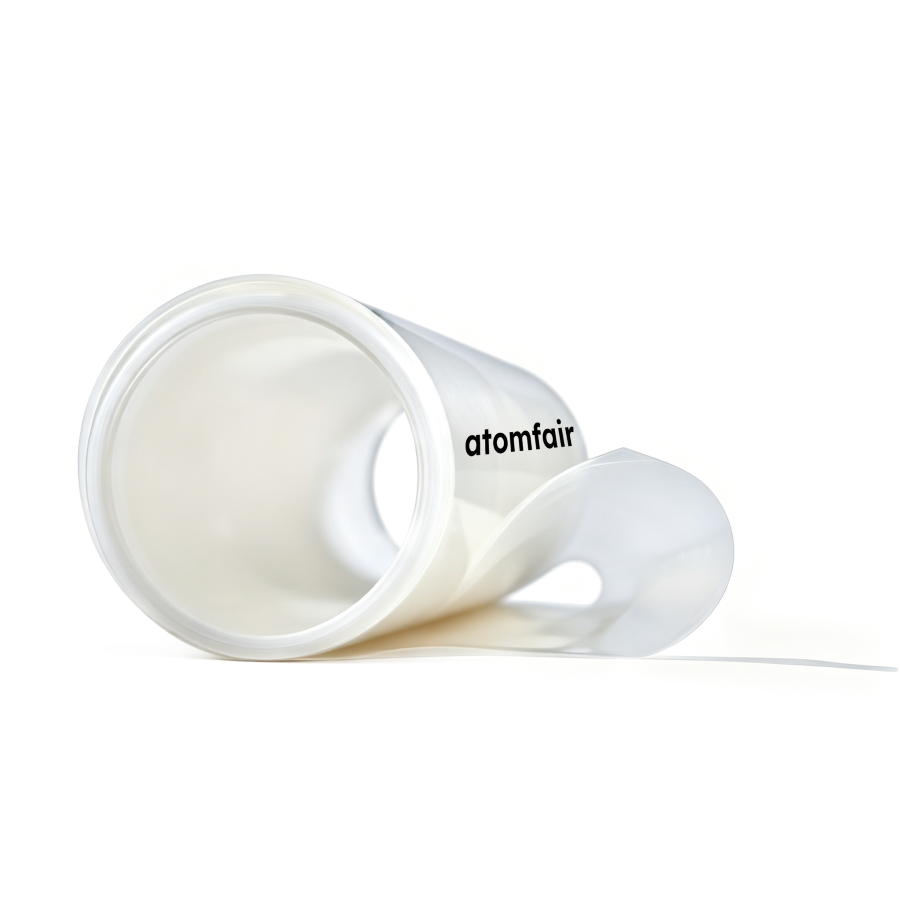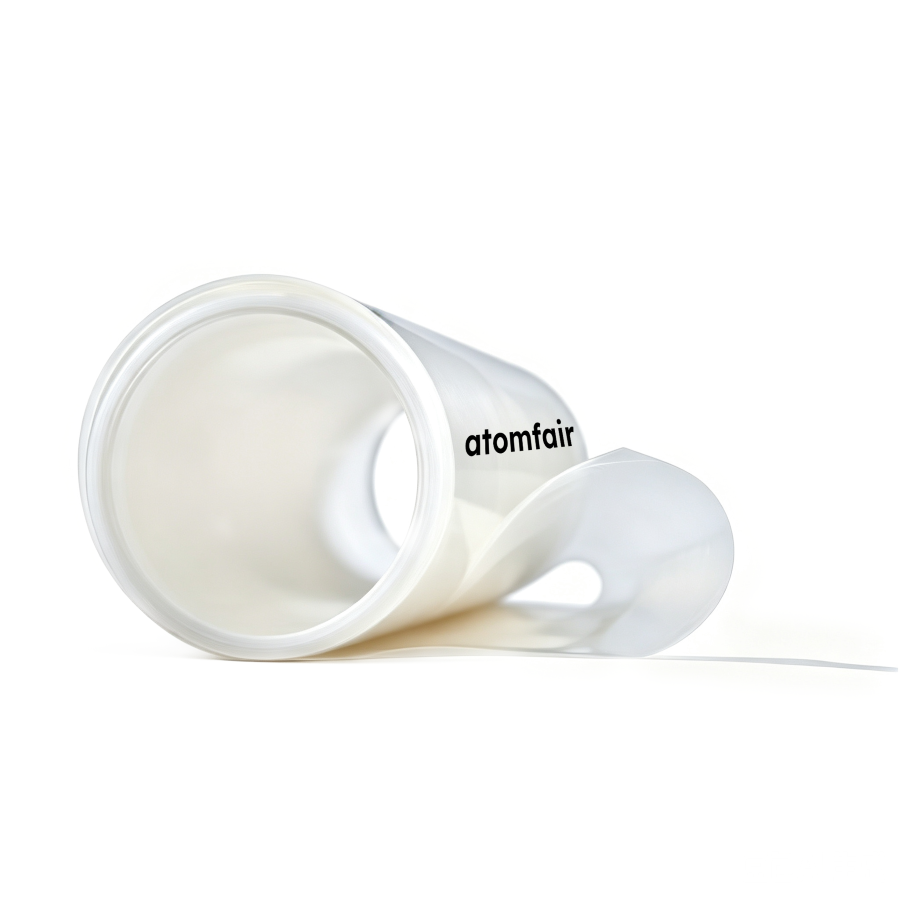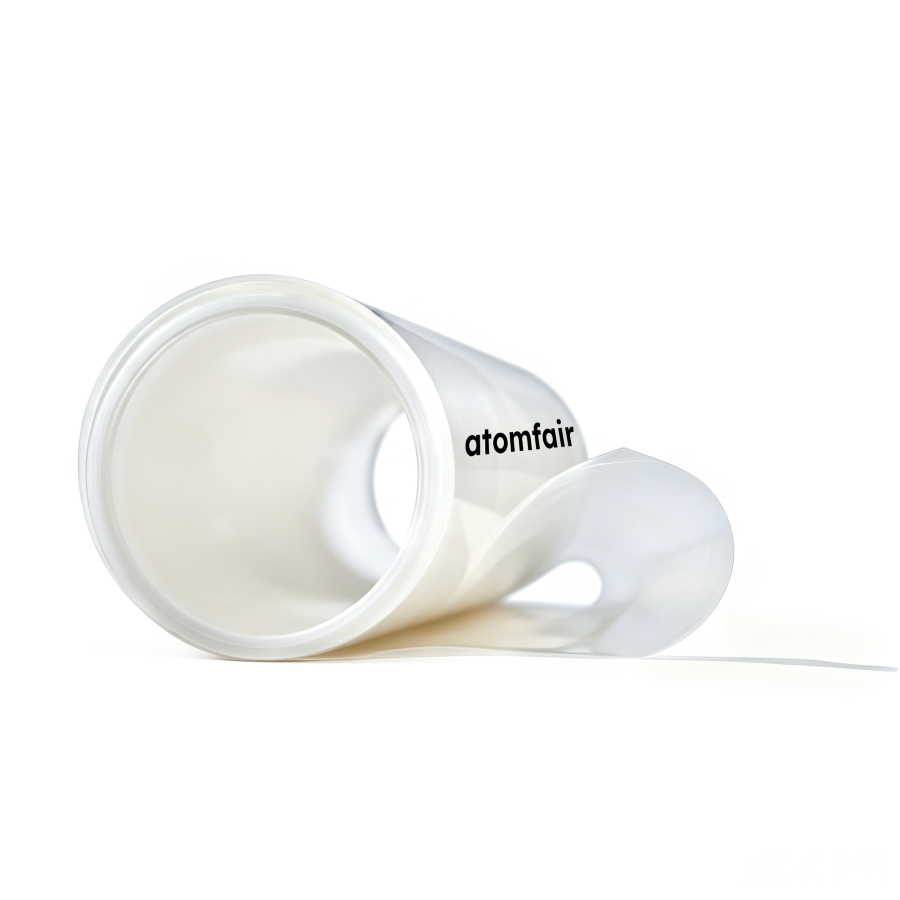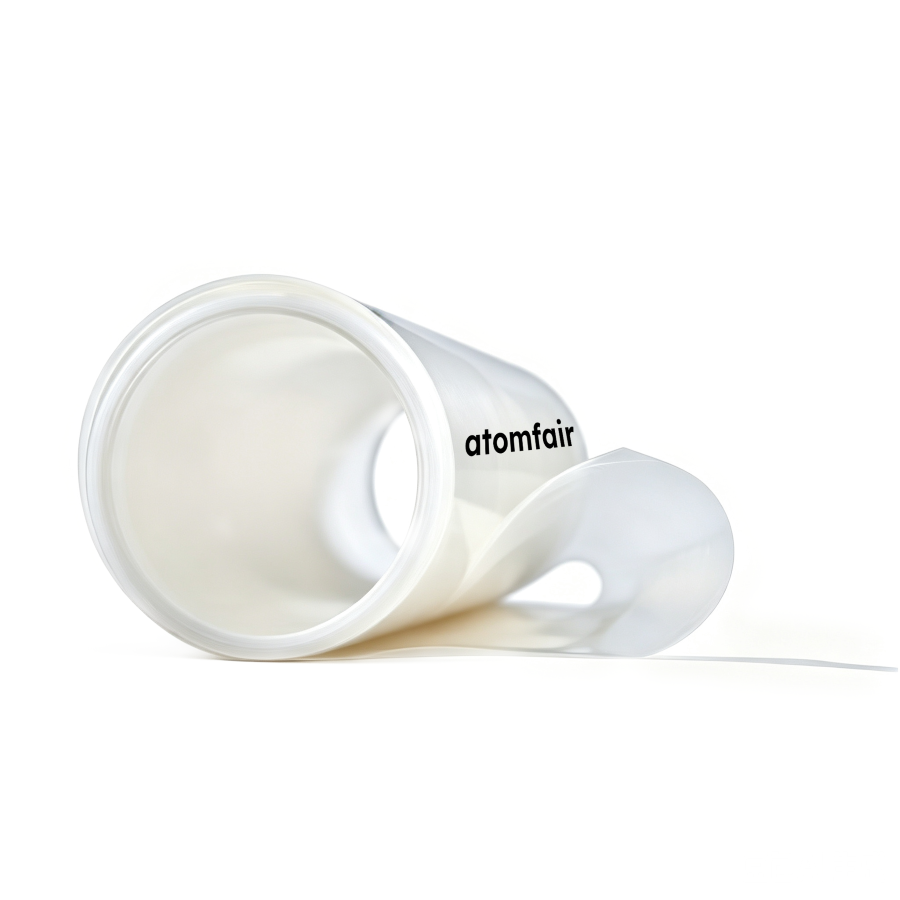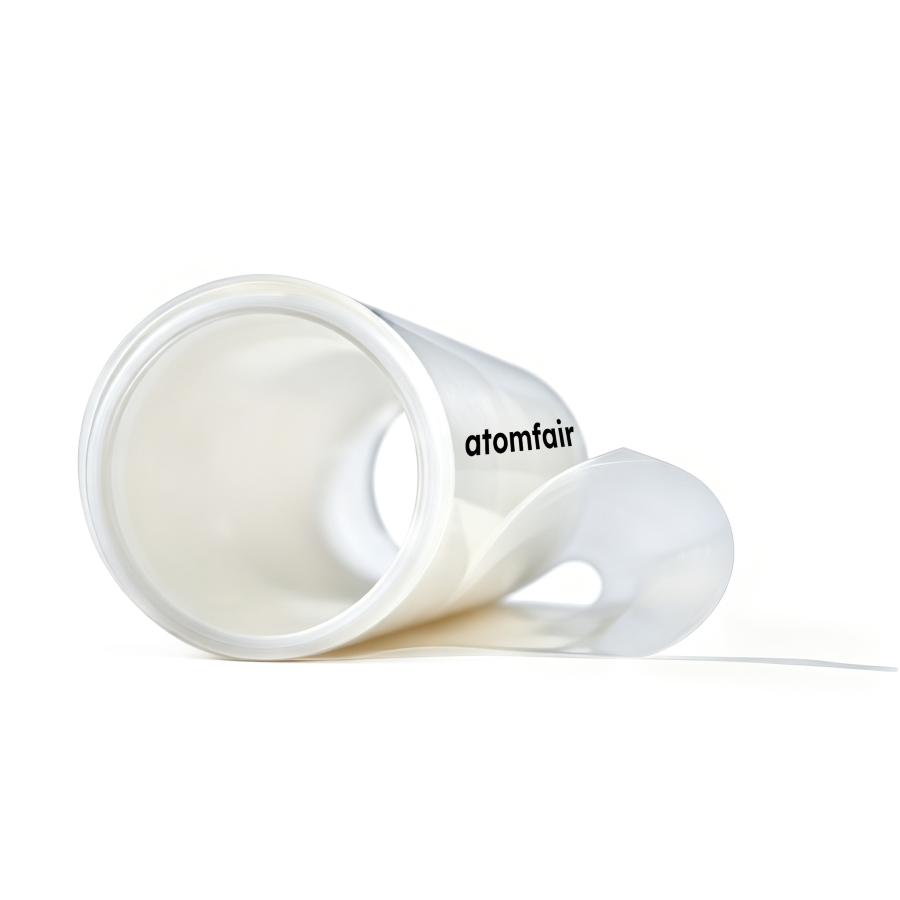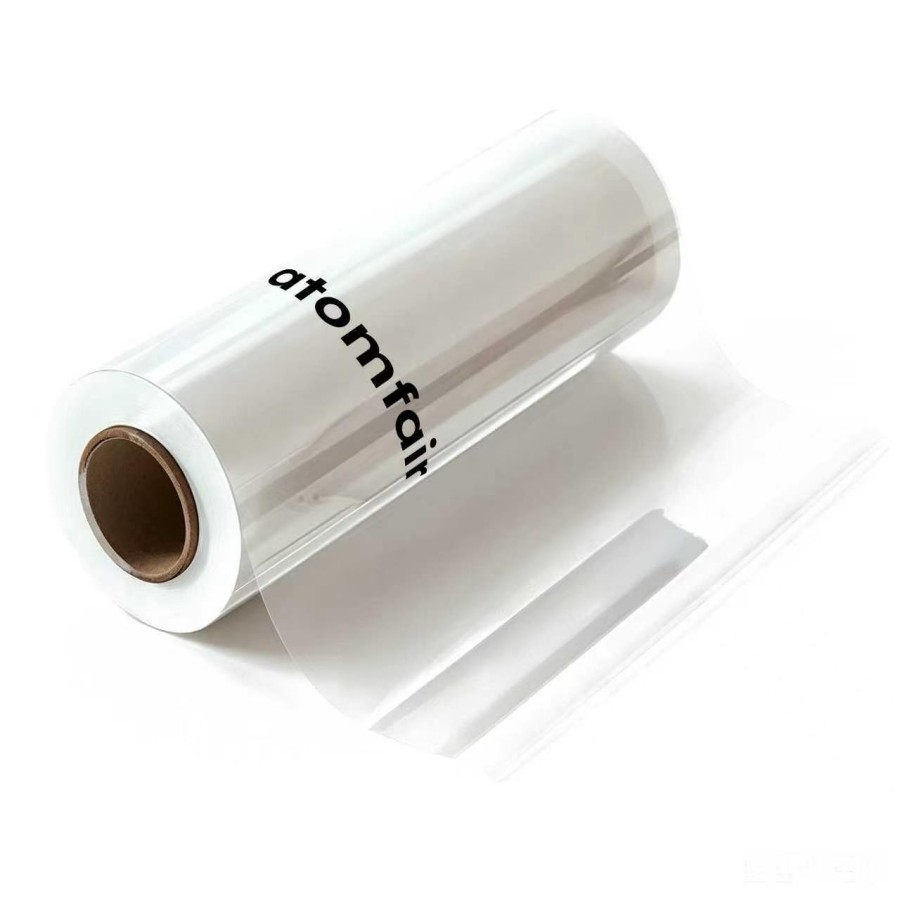
PERFLUOROSULFONIC ACID ELECTROLYZER MEMBRANESRESEARCH GRADE MATERIAL
|
|||||||||||||||||||||||||||||||||||||||||||||||
|
|||||||||||||||||||||||||||||||||||||||||||||||
|
TAILORED SOLUTIONS FOR RESEARCH
Contact our engineering team for technical support or official quotations.
EMAIL: INQUIRY@ATOMFAIR.COM
|
|||||||||||||||||||||||||||||||||||||||||||||||
|
Manufacturer: ATOMFAIR LLC
|
|||||||||||||||||||||||||||||||||||||||||||||||
This membrane requires strict humidity control to prevent dehydration-induced dimensional changes. Storage must be in vacuum-sealed, climate-stabilized environments to avoid localized deformation.
- Dehydration Protection: Prevent any extended ambient drying exposure to avoid localized membrane deformation.
- Storage Requirement: Unsealed membranes must be kept inside vacuum-locked environmental storage compartments.
- Qualified Handling: Only qualified laboratory staff may operate the membrane to ensure safe installation.
- Application Use: The membrane is engineered for high-capacity PEM water electrolysis and hydrogen generation systems.
This procedure ensures the membrane remains protected from ambient drying and maintains its dimensional integrity. Follow these steps to safely receive, store, and handle the membrane.
Required Equipment: Vacuum-locked environmental storage compartment, Climate-stabilized cleanroom zone
- Inspect Packaging
Inspect the incoming membrane packaging for any visible damage or breaches to ensure the hermetic seal remains intact. - Maintain Seal
Keep the membrane sealed in its original moisture-barrier packaging until ready for use. - Transfer Unsealed Membrane
If the membrane is unsealed, transfer it immediately to a vacuum-locked environmental storage compartment. - Verify Storage Conditions
Verify that the storage area maintains climate-stabilized conditions to prevent ambient drying exposure. - Ensure Qualified Handling
Ensure that only qualified laboratory staff handle the membrane during installation.
What performance trade-off exists between membrane thickness and dimensional stability in the ELE-H series perfluorosulfonic acid membranes?
Thinner membranes (ELE-H050 at 50 μm, ELE-H080 at 80 μm) exhibit lower in-plane dimensional change (≤15% TD/MD) but higher thickness-direction swelling (≤45% and ≤40% respectively), while thicker variants (ELE-H120, ELE-H175) show balanced but higher in-plane change (≤25% TD/MD). All variants maintain a consistent proton conductivity of ≥140 mS/cm, so the trade-off is primarily in swelling anisotropy, which impacts stack sealing and stress distribution.
Are these perfluorosulfonic acid membranes designed for use in PEM fuel cells or exclusively for electrolysis applications?
The ELE-H series is engineered specifically for high-capacity proton exchange membrane (PEM) water electrolysis systems, hydrogen generation rigs, and experimental gas production stacks. The description does not indicate optimization for fuel cell operation, so use in PEM fuel cells is not supported by the stated application scope.
What storage and handling conditions are required to prevent localized deformation of the ELE-H membranes after unsealing?
To prevent localized membrane deformation, extended ambient drying exposure must be avoided. Unsealed products should be kept inside vacuum-locked environmental storage compartments and operated only by qualified lab staff. The membranes are supplied hermetically vacuum-sealed using moisture-barrier materials and protective film interlayers.
This series of perfluorosulfonic acid membranes (50–175 μm) delivers ≥140 mS/cm proton conductivity with controlled dimensional stability, but requires strict vacuum-sealed storage and handling to prevent deformation.
Positive
- High Proton Conductivity Retention: All variants achieve ≥140 mS/cm proton conductivity, ensuring efficient hydrogen production in PEM electrolysis stacks.
- Controlled Dimensional Swelling: Dimensional change is limited to ≤25% in-plane for all variants and ≤25% thickness for thicker films, with slightly higher thickness swelling for thinner variants, protecting stack perimeter seals.
Trade-offs
- Moisture Sensitivity and Storage Requirements: Extended ambient drying exposure causes localized membrane deformation; requires vacuum-sealed storage and climate-controlled handling by qualified staff.
- High Thickness Swelling in Thinner Variants: Thinner membranes (50, 80 μm) exhibit up to 45% thickness increase upon hydration, necessitating careful stack design to accommodate expansion and maintain seal integrity.
Every advanced material, component, equipment, and instrument in our catalog is backed by rigorous testing. We maintain strict internal quality management frameworks and align with CE conformity metrics to deliver transparent, reproducible performance data via our public open-science repository.
To request raw batch performance data, submit formal vendor registration paperwork, or execute a fast-turnaround R&D manufacturing loop, contact us at inquiry@atomfair.com.
Item is dispatched under the Atomfair Shipping & Delivery Framework (Free worldwide shipping on orders over $59 USD excl. heavy equipment). Return is governed by the Atomfair Return & Refund Policy (7-day technical return window).