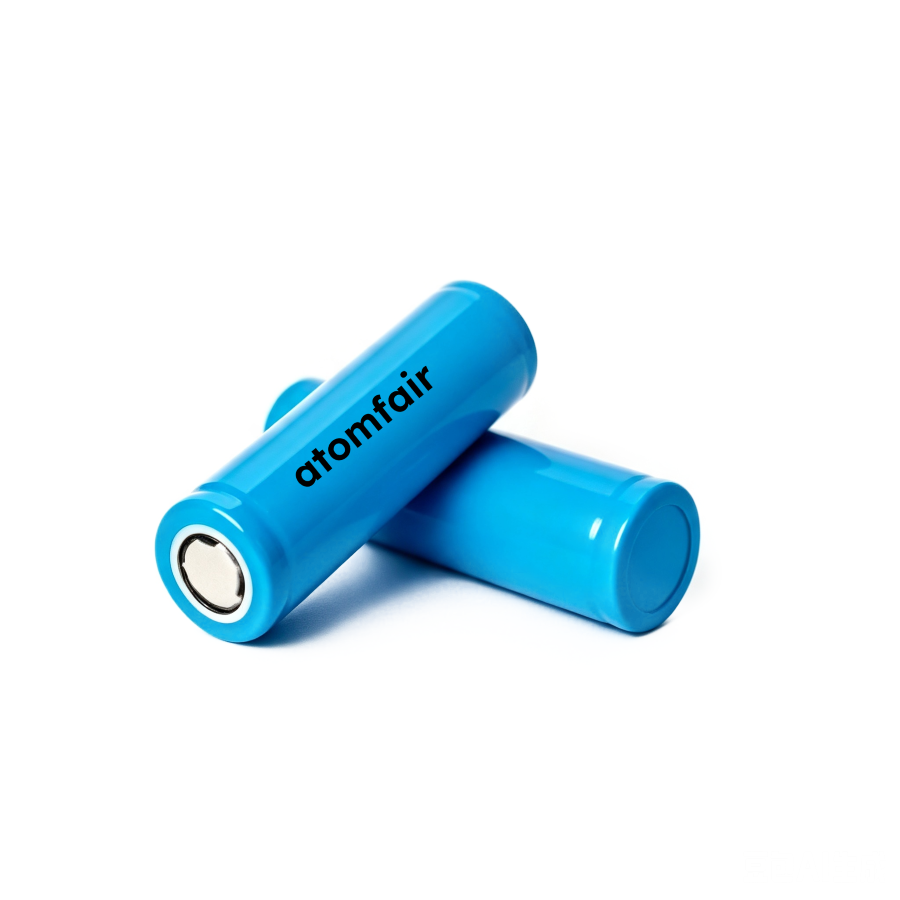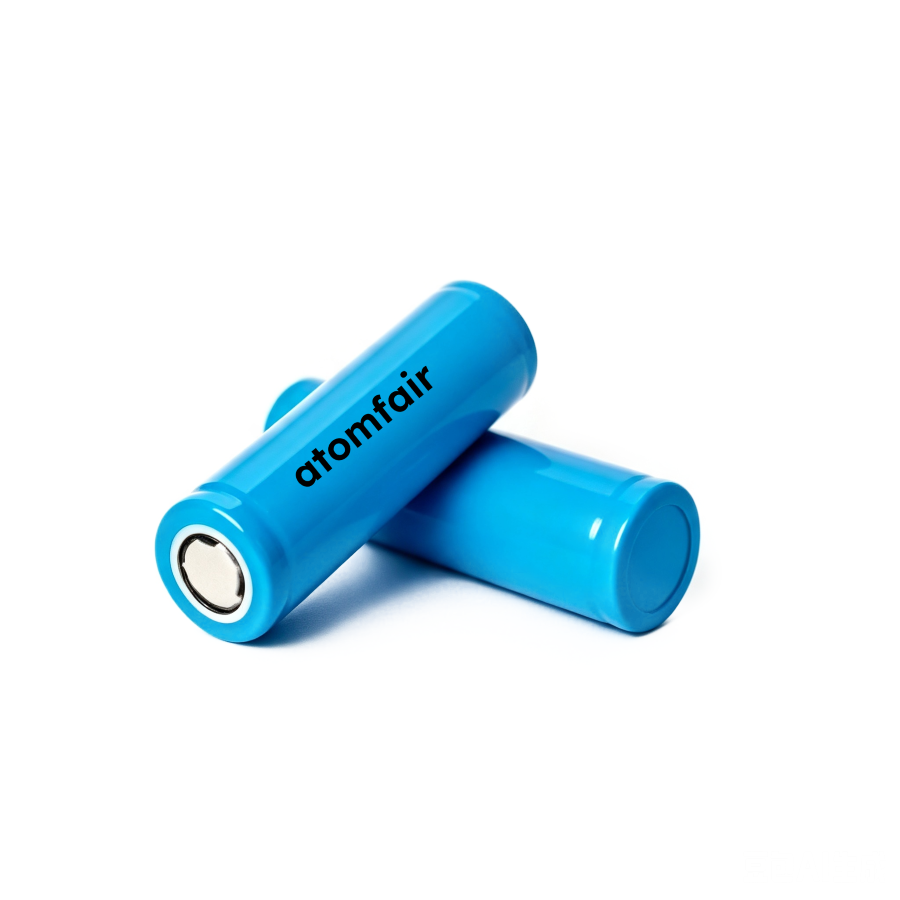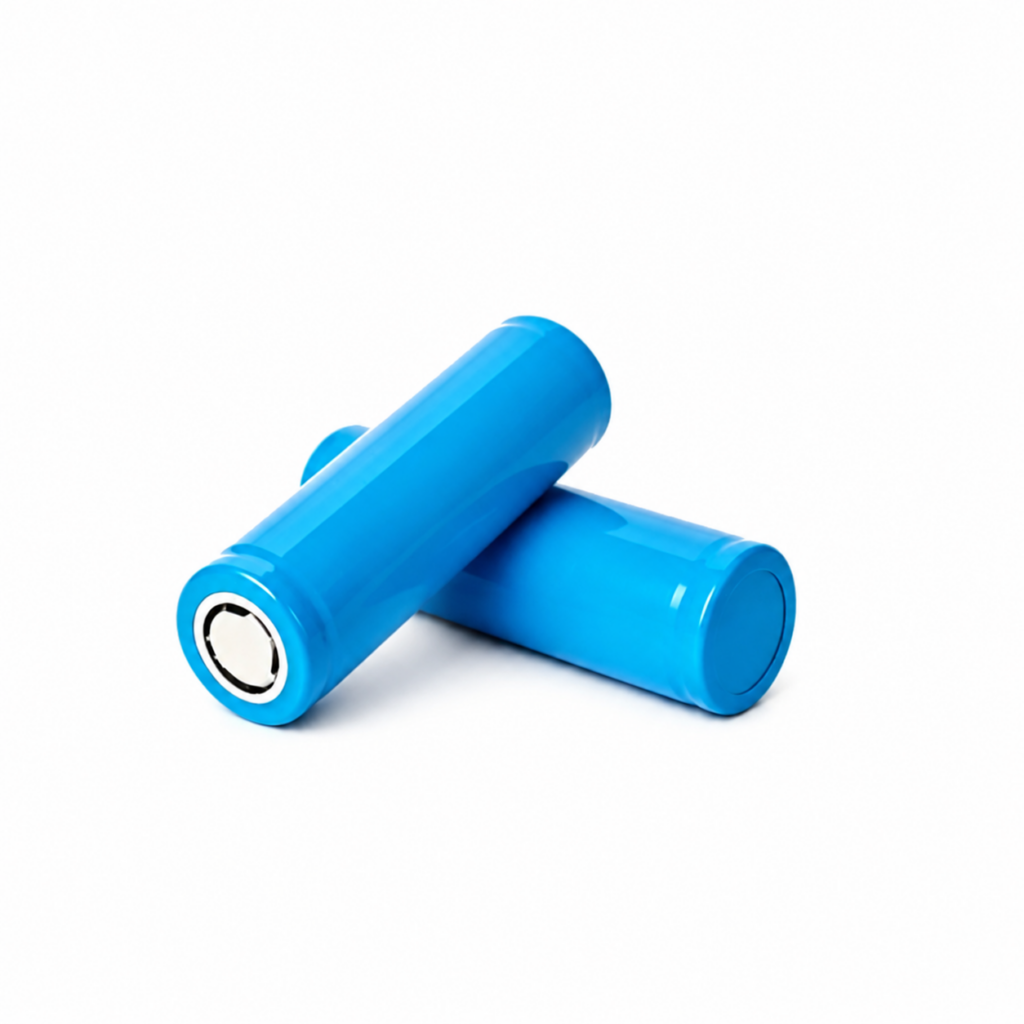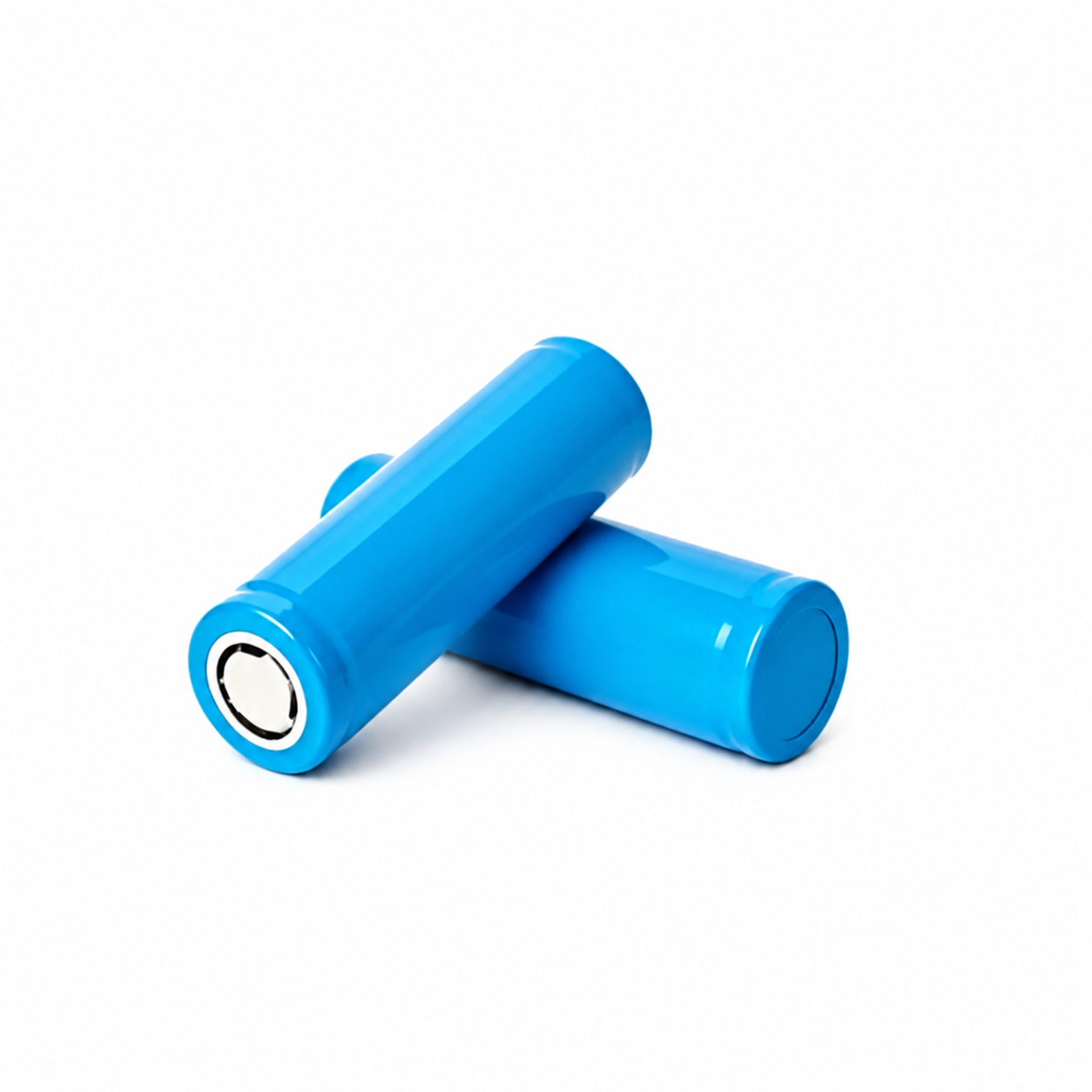
3500mAh Ultra-Low-Temperature 26650 Lithium Iron Phosphate (LFP) Cylindrical Battery (4-Pack)COMMERCIAL GRADE · PRODUCTION
|
|||||||||||||||||||||||||||||||||||||||||||||||||||
|
|||||||||||||||||||||||||||||||||||||||||||||||||||
|
TAILORED SOLUTIONS FOR RESEARCH
Contact our engineering team for technical support or official institutional quotations.
EMAIL: inquiry@atomfair.com
|
|||||||||||||||||||||||||||||||||||||||||||||||||||
|
Manufacturer: Atomfair LLC
Brand: ATOMFAIR®
|
|||||||||||||||||||||||||||||||||||||||||||||||||||
This lithium iron phosphate cell requires strict adherence to voltage and temperature limits to prevent capacity loss or thermal runaway. Charging below -20°C is not possible; a low-temperature BMS must enable charge only within safe temperature windows.
- Charge voltage limit: Do not exceed 3.65±0.03V during charging to avoid overcharge degradation.
- Discharge voltage limit: Discharge cutoff voltage must be set to 2.00V above -20°C and 1.50V at or below -20°C to prevent deep discharge.
- Charge current temperature dependence: Charge current must be reduced to 0.5C at temperatures ≤0°C and further to 0.2C at ≤-10°C to maintain cell integrity.
- Temperature operating range: Charge only between -20°C and 55°C; discharge only between -40°C and 60°C.
- BMS requirement: Always pair with a low-temperature BMS that enables charging only when cell temperature is within safe limits and disables charge below -20°C.
Follow these steps to safely deploy the cell in cold environments. Use a compatible low-temperature BMS and a CC-CV charging profile with reduced current at sub-zero temperatures.
Required Equipment: Low-temperature battery management system (BMS), CC-CV charger with adjustable current
- Inspect cell
Inspect the cell for physical damage or terminal corrosion before use. - Verify temperature
Verify the cell temperature is within the charge range of -20°C to 55°C. - Connect BMS
Connect the cell to a low-temperature BMS that enables charge only within safe temperature limits. - Set charger parameters
Set the CC-CV charger to a maximum charge voltage of 3.65V and a current of 0.2C at -20°C. - Initiate charging
Initiate charging and monitor the cell voltage and temperature throughout the cycle. - Set discharge cutoff
For discharge below -20°C, set the cutoff voltage to 1.50V to prevent deep discharge.
What is the maximum allowable charge current for this 26650 LFP cell at -20°C, and why must it be reduced?
The maximum charge current at -20°C is 0.2C (700 mA for a 3500 mAh cell) as per the specified 'Max. Charge Current: 1.0C @ T>0°C; 0.5C @ T≤0°C; 0.2C @ T≤-10°C' and the notice stating 'For charging at -20°C, use the recommended CC-CV profile with a reduced charge current (≤0.2C).' This reduction prevents lithium plating and ensures safe operation at extreme low temperatures.
What is the minimum discharge voltage threshold for this cell when operating below -20°C, and how does it affect system design?
The minimum discharge voltage is 1.50 V when the cell temperature is ≤ -20°C, compared to 2.00 V above -20°C. This lower cutoff allows the cell to deliver usable capacity in extreme cold, but requires a BMS that can accommodate a 1.50 V low-voltage disconnect to prevent over-discharge damage.
Is external pre-heating required to charge this LFP cell at -20°C, and what charging profile is recommended?
No external pre-heating is required; the cell is designed to charge directly at -20°C. The recommended charging profile is a CC-CV (constant current-constant voltage) method with a reduced charge current of ≤0.2C, and the maximum charge voltage is 3.65 ± 0.03 V. The cell will not accept charge below -20°C, so a low-temperature BMS should enable charging only when the cell temperature is within safe limits.
This 3500mAh 26650 LFP cell enables direct charge and discharge down to -20°C without external heating, providing 128 Wh/kg energy density and 1500 cycles at 80% DOD, but requires reduced charge rates (≤0.2C at -20°C) and a lower discharge voltage cutoff (1.50V) below -20°C, demanding careful BMS integration for cold-environment use.
Positive
- Sub-zero charge without pre-heating: Capable of charging at temperatures as low as -20°C and discharging at -40°C, eliminating the need for battery warmers in cold-climate applications.
- High energy density with long cycle life: Delivers 128 Wh/kg energy density and 1500 cycles at 80% DOD (25°C), offering compact, durable cold-storage performance at civilian pricing.
Trade-offs
- Reduced charge rate at low temperature: Maximum charge current is limited to 0.5C at 0°C and 0.2C at -10°C, requiring longer charging times and a temperature-aware charging profile (CC-CV) for optimal performance.
- Voltage cutoff dependency on temperature: Minimum discharge voltage shifts from 2.00V above -20°C to 1.50V below -20°C, necessitating a BMS that can dynamically adjust cutoff thresholds to avoid premature shutdown or cell damage.
Every advanced material, component, equipment, and instrument in our catalog is backed by rigorous testing. We maintain strict internal quality management frameworks and align with CE conformity metrics to deliver transparent, reproducible performance data via our public open-science repository.
To request raw batch performance data, submit formal vendor registration paperwork, or execute a fast-turnaround R&D manufacturing loop, contact us at inquiry@atomfair.com.
Item is dispatched under the Atomfair Shipping & Delivery Framework (Free worldwide shipping on orders over $59 USD excl. heavy equipment). Return is governed by the Atomfair Return & Refund Policy (7-day technical return window).