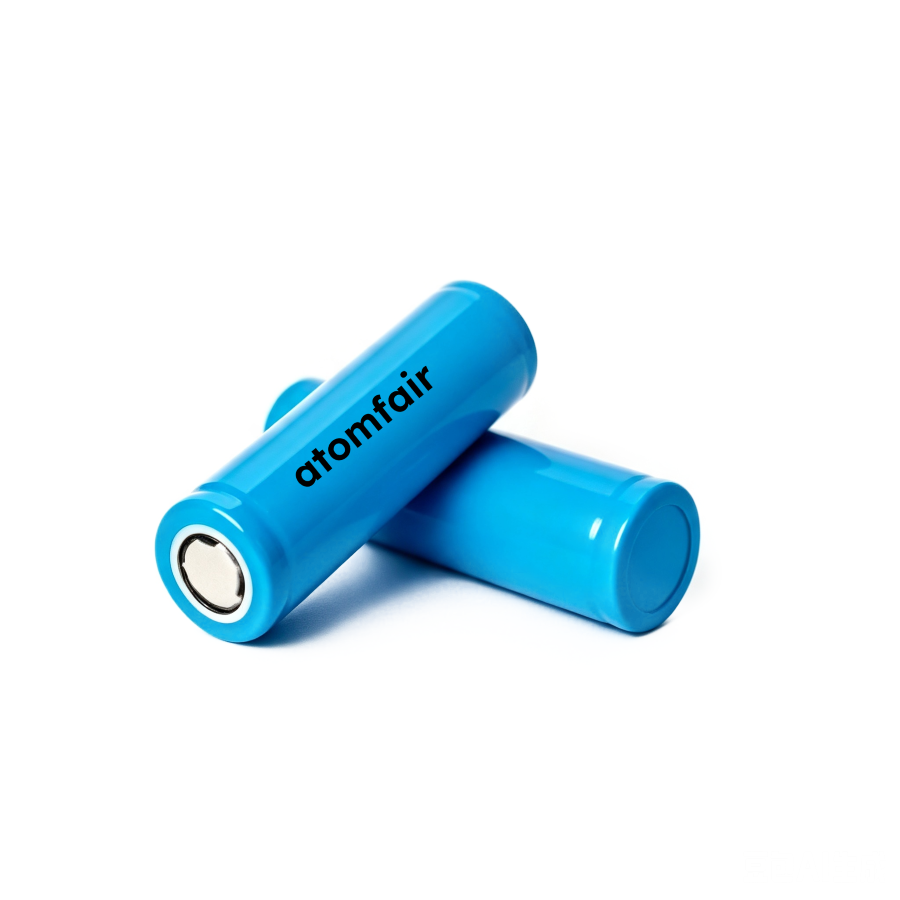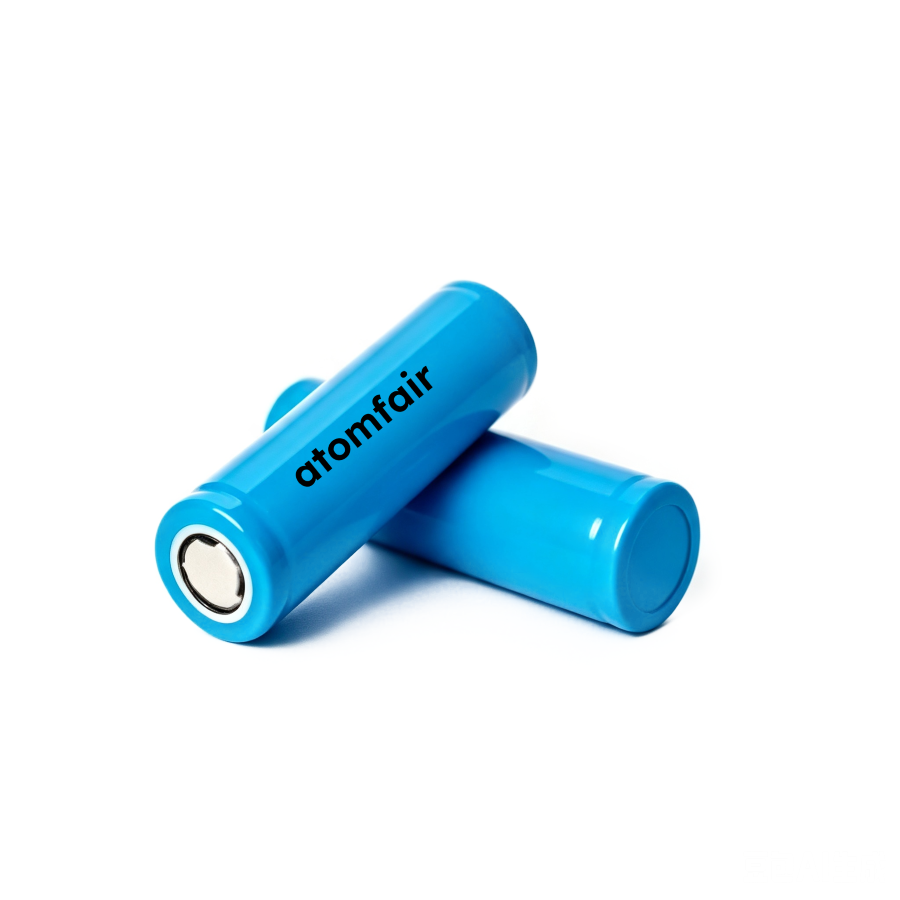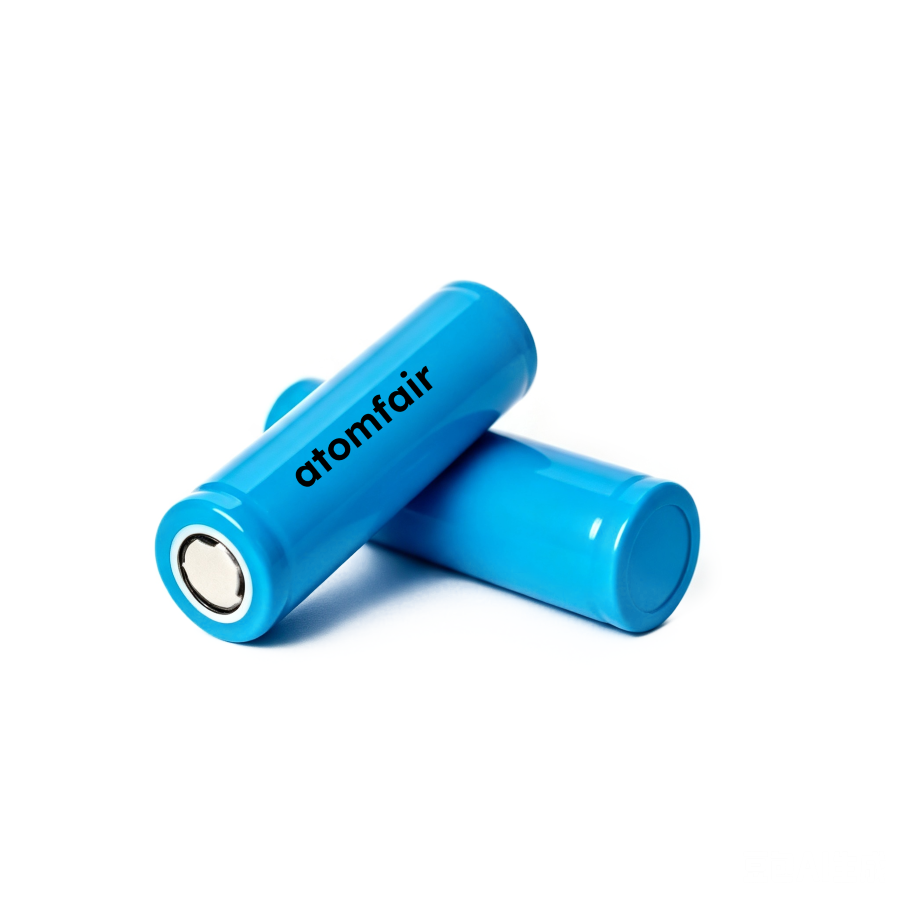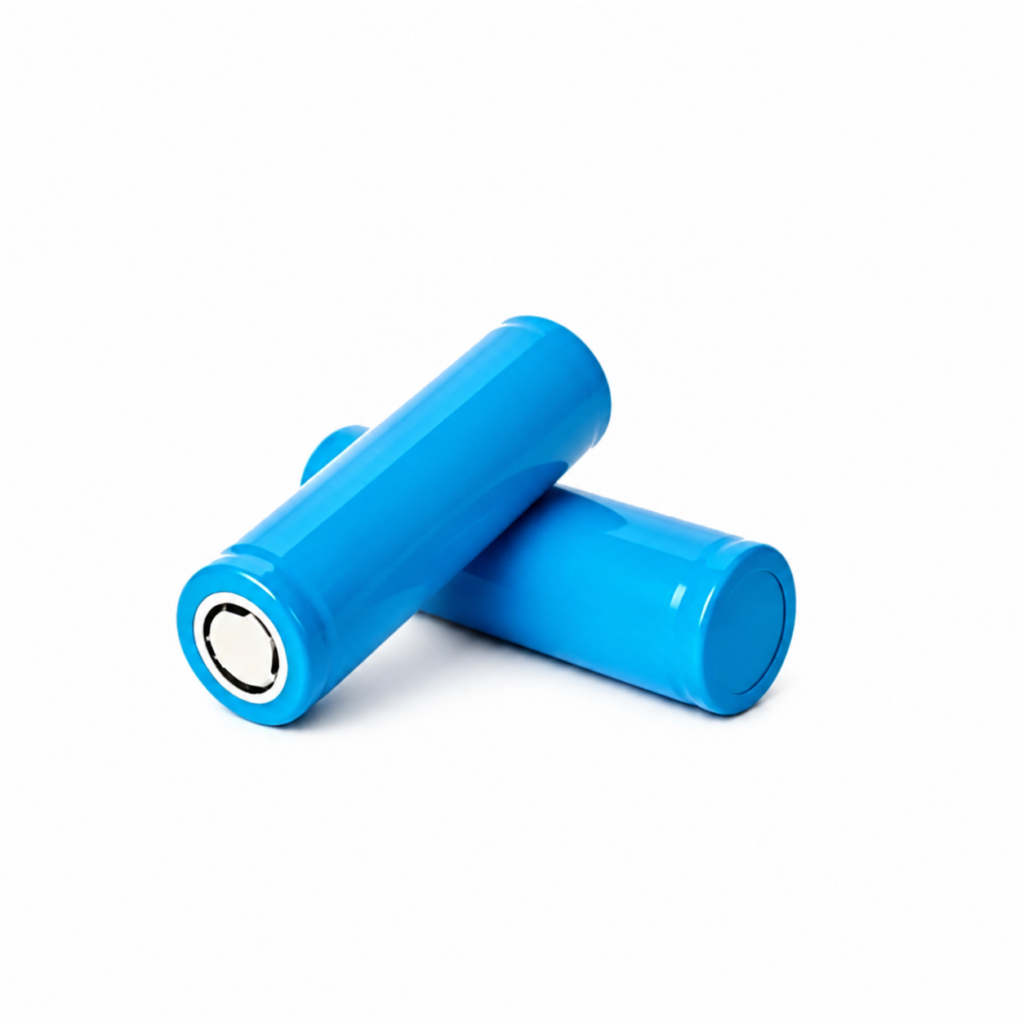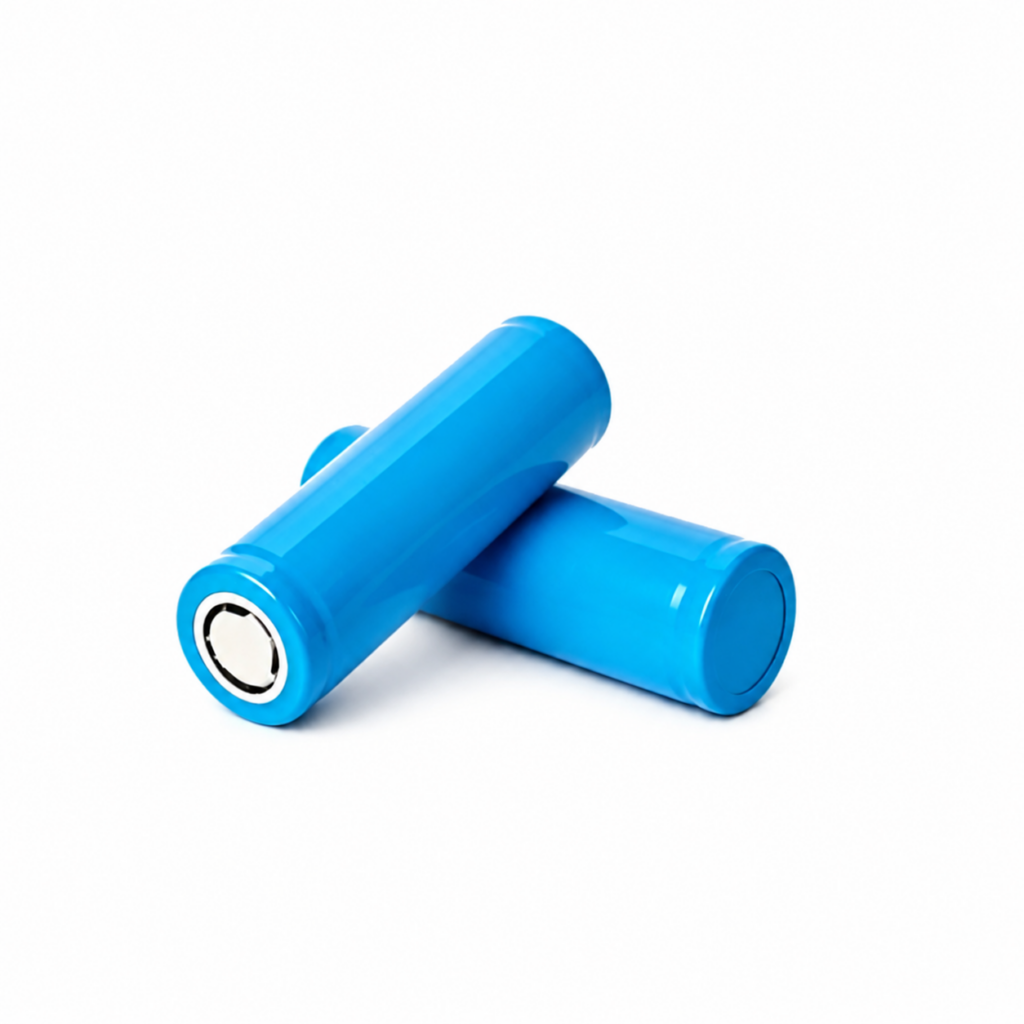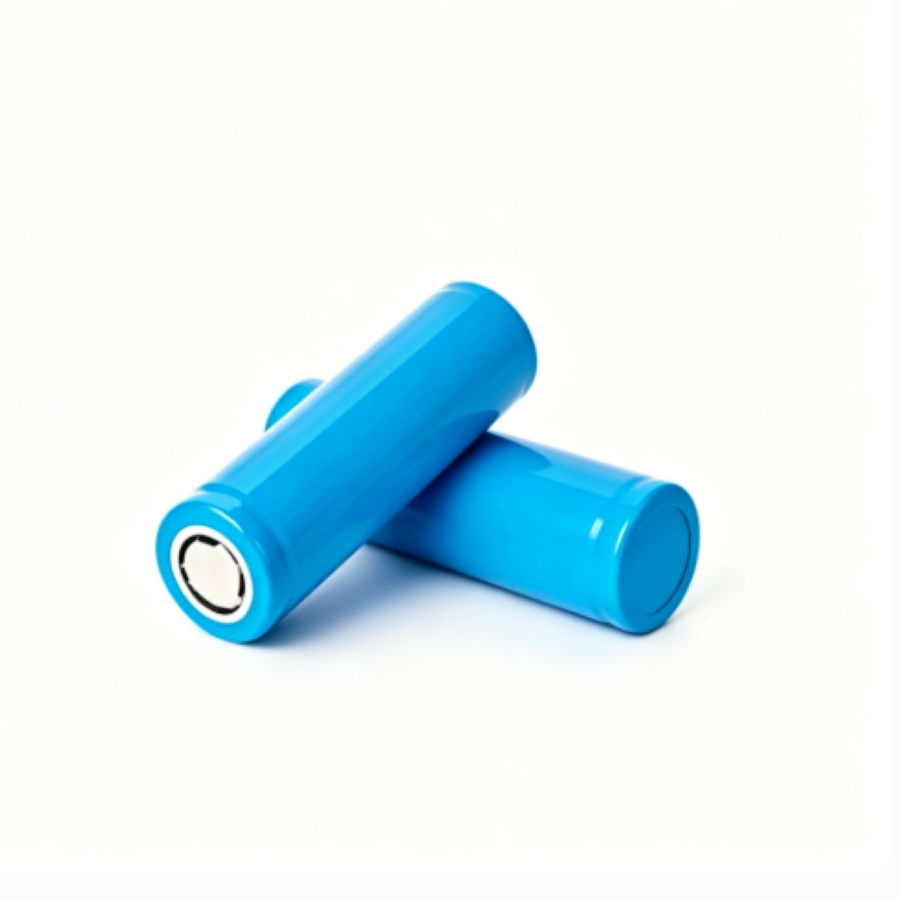
46120 SODIUM-ION Cylindrical Battery Series | ATOMFAIR (4-Pack)COMMERCIAL GRADE · PRODUCTION
|
|||||||||||||||||||||||||||||||
|
|||||||||||||||||||||||||||||||
|
TAILORED SOLUTIONS FOR RESEARCH
Contact our engineering team for technical support or official institutional quotations.
EMAIL: inquiry@atomfair.com
|
|||||||||||||||||||||||||||||||
|
Manufacturer: Atomfair LLC
Brand: ATOMFAIR®
|
|||||||||||||||||||||||||||||||
This sodium-ion cell is highly sensitive to ambient exposure and must be stored under inert gas or anhydrous dry-room conditions to prevent capacity degradation. The cell exhibits defined charge/discharge rate limits and cycle life thresholds that constrain operational parameters during experimental use.
- Environmental Storage Constraint: Store and handle the cell exclusively under inert gas glovebox conditions or anhydrous dry-room atmosphere prior to thermal validation.
- Operational Rate Limit: Do not exceed the specified charge/discharge C-rate limits to avoid compromising cycle life or inducing thermal runaway.
- Cycle Life Degradation Risk: Capacity fade accelerates beyond the rated cycle life threshold at 70% retained capacity, requiring replacement for consistent experimental data.
These sodium-ion cells require strict inert-atmosphere handling and controlled electrical initialization to prevent degradation and ensure safety. Follow these steps to transfer, connect, and validate the cells for experimental use.
Required Equipment: Inert gas glovebox or anhydrous dry-room, Cell holder or insulated fixture, Calibrated battery cycler with current-limiting capability
- Transfer cell to controlled atmosphere
Transfer the sealed cell directly into an inert gas glovebox or anhydrous dry-room without breaking the protective packaging. - Inspect cell for physical integrity
Inspect the cell casing for dents, swelling, or electrolyte leakage before any electrical connection. - Connect cell to cycler with polarity verification
Connect the cell to a calibrated battery cycler, verifying correct polarity and securing all leads to prevent short circuits. - Set initial charge parameters within rated limits
Set the initial charge current to the specified C-rate for the selected model variant and confirm voltage limits match the nominal voltage. - Monitor cell temperature during first cycle
Monitor cell surface temperature continuously during the first charge-discharge cycle to detect abnormal heating.
What are the key performance trade-offs between the AF46120NA01 high-rate and AF46120NA02 high-capacity variants?
The AF46120NA01 (12 Ah) is optimized for high-rate applications with 5C charge/15C discharge and >3000 cycles at 70% capacity, while the AF46120NA02 (16.8 Ah) prioritizes capacity with 3C charge/6C discharge and >2500 cycles. The NA01 also weighs less (347 g vs 402 g) and has a slightly lower nominal voltage (2.9 V vs 3.0 V), making it suitable for power-dense prototyping, whereas the NA02 is better for energy-dense pack validation.
What is the intended application scope of the ATOMFAIR 46120 sodium-ion cylindrical battery series?
The series is designed as a premium research baseline testing control and for sodium-ion pack prototyping, specifically to eliminate testing variables in secondary battery R&D platforms. It is not a general-purpose commercial cell but a benchmark tool for corporate advanced energy evaluation workflows and academic research requiring strict cell-to-cell consistency.
What storage and handling conditions are required for the ATOMFAIR 46120 sodium-ion cells to prevent degradation?
These cells are highly sensitive to ambient exposure and must be handled strictly under standard inert gas glovebox storage protocols or anhydrous dry-room conditions before experimental thermal validation. This requirement is critical to prevent secondary contamination and capacity degradation, as stated in the product's operational notice.
The ATOMFAIR AF46120NA series sodium-ion cylindrical cells deliver high-consistency reference cells for battery pack prototyping, with homogeneous material purity and optimized electrochemical performance, but require strict inert-atmosphere handling and are intended for research validation rather than commercial deployment.
Positive
- Homogeneous material purity: Uncompromised structural configuration with highly uniform elemental distribution across the sodium matrix crystals ensures cell-to-cell consistency for baseline testing.
- Enhanced operational efficiency: Superior electrochemical performance boosts transfer kinetics and power delivery at targeted C-rates, enabling reliable high-rate or high-capacity prototyping.
Trade-offs
- Ambient exposure sensitivity: Highly sensitive to ambient exposure; requires strict inert gas glovebox or anhydrous dry-room storage before thermal validation to prevent capacity degradation.
- Research-grade application scope: Engineered specifically for battery pack prototyping and validation platforms, not intended for commercial product integration, limiting deployment to R&D environments.
Every advanced material, component, equipment, and instrument in our catalog is backed by rigorous testing. We maintain strict internal quality management frameworks and align with CE conformity metrics to deliver transparent, reproducible performance data via our public open-science repository.
To request raw batch performance data, submit formal vendor registration paperwork, or execute a fast-turnaround R&D manufacturing loop, contact us at inquiry@atomfair.com.
Item is dispatched under the Atomfair Shipping & Delivery Framework (Free worldwide shipping on orders over $59 USD excl. heavy equipment). Return is governed by the Atomfair Return & Refund Policy (7-day technical return window).