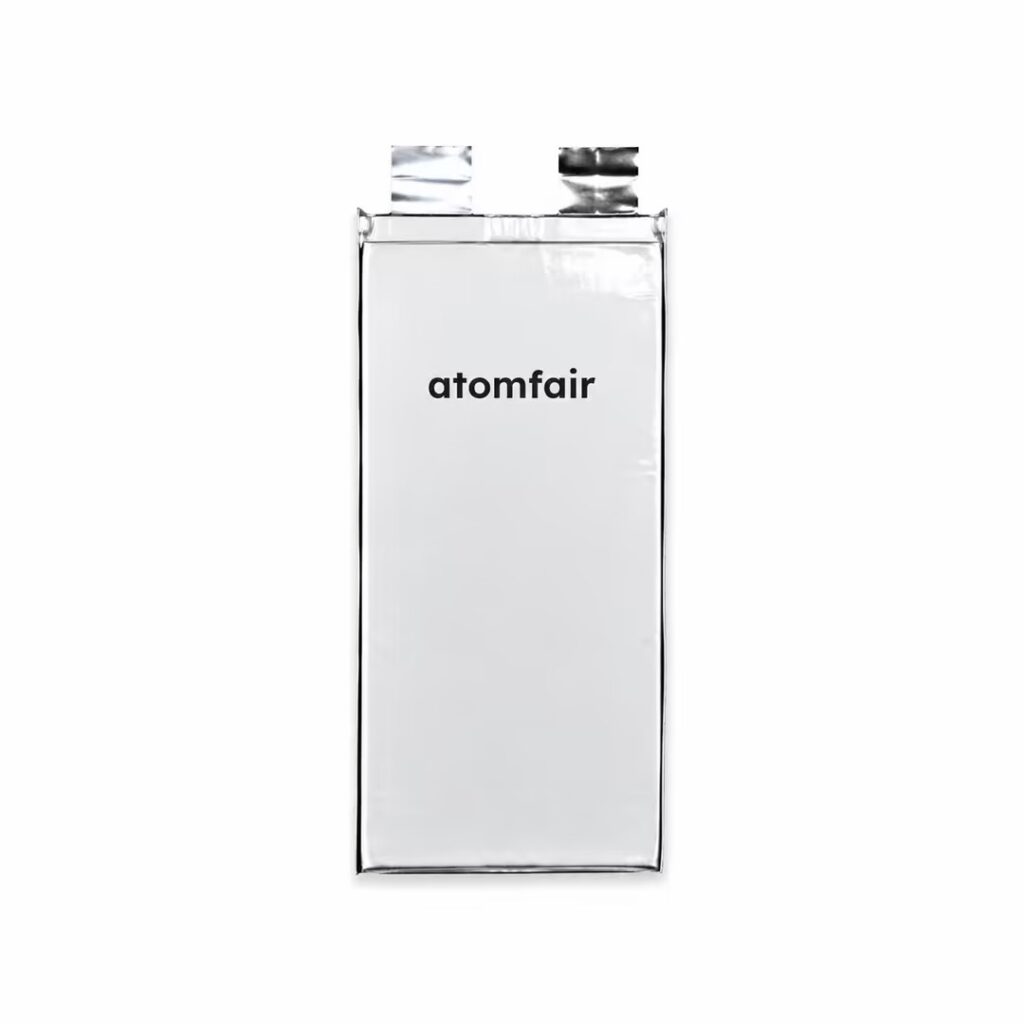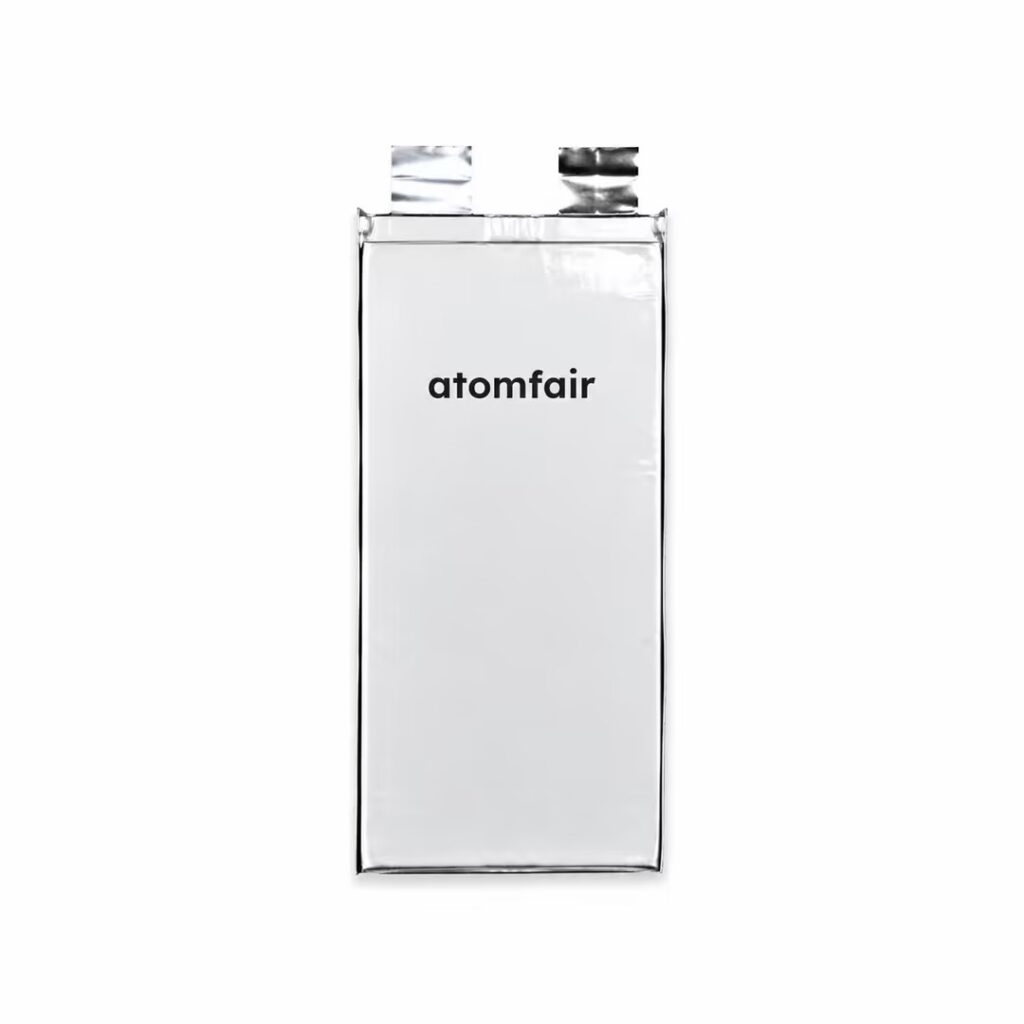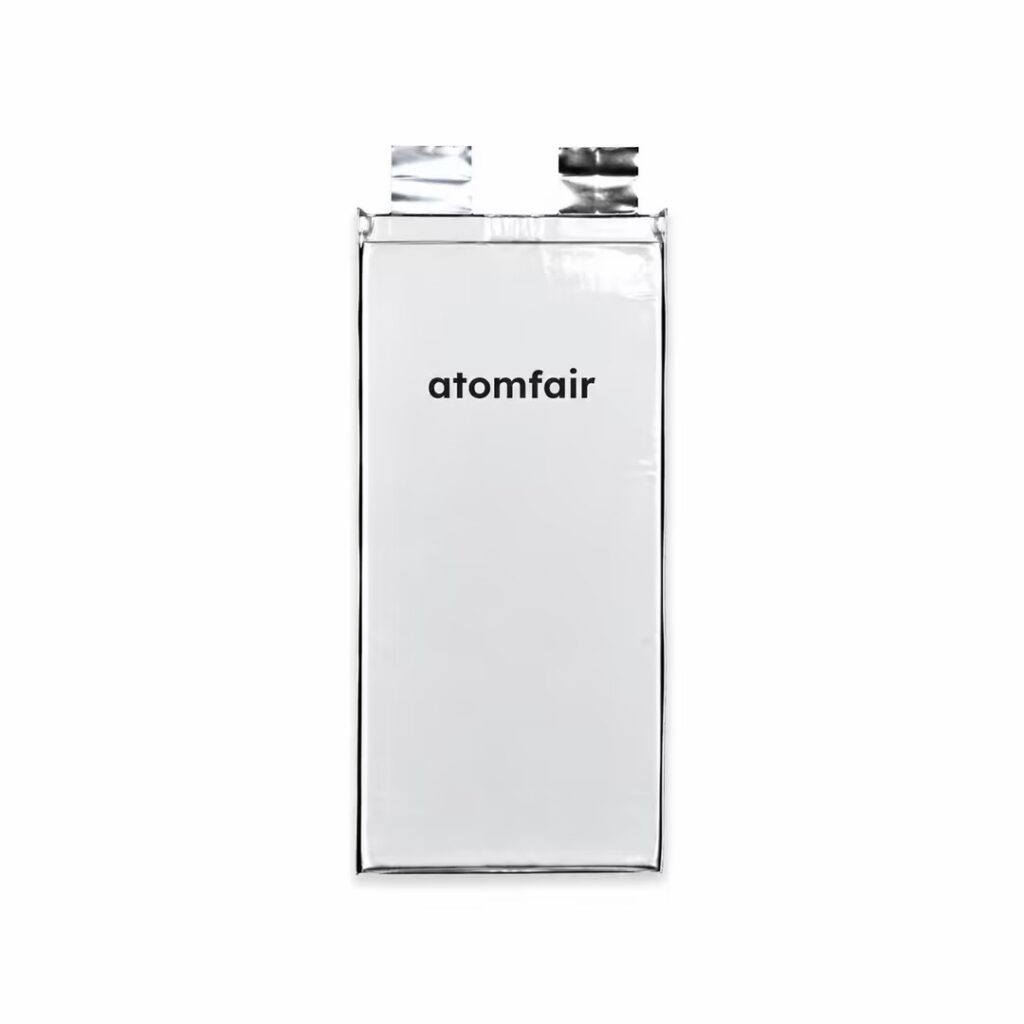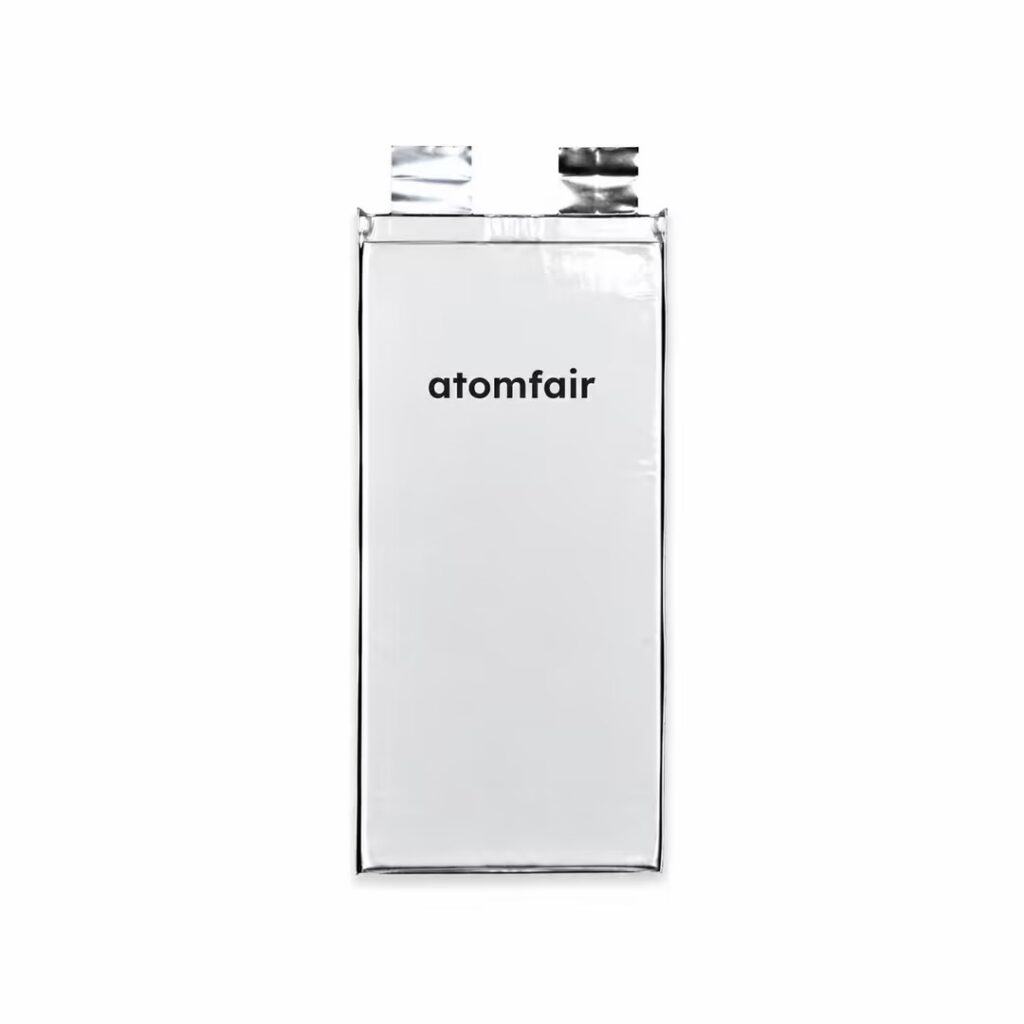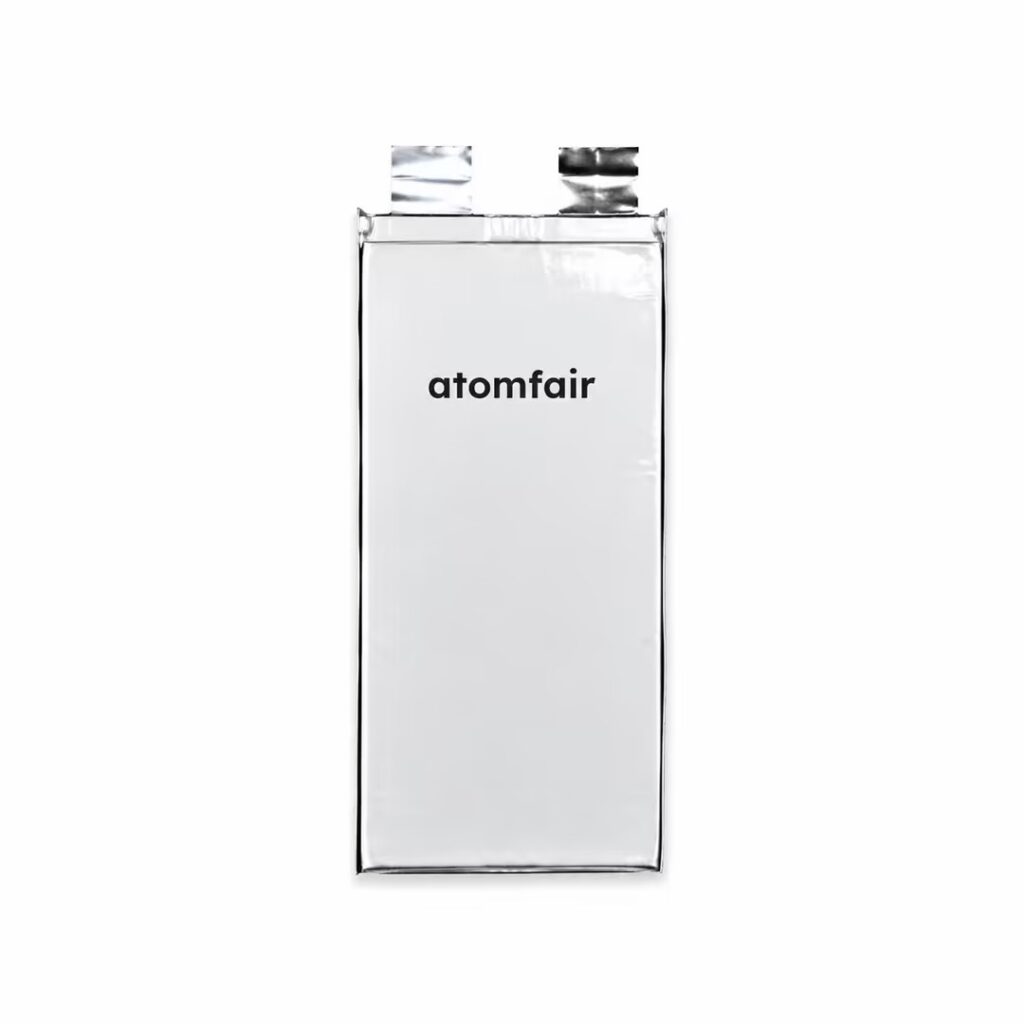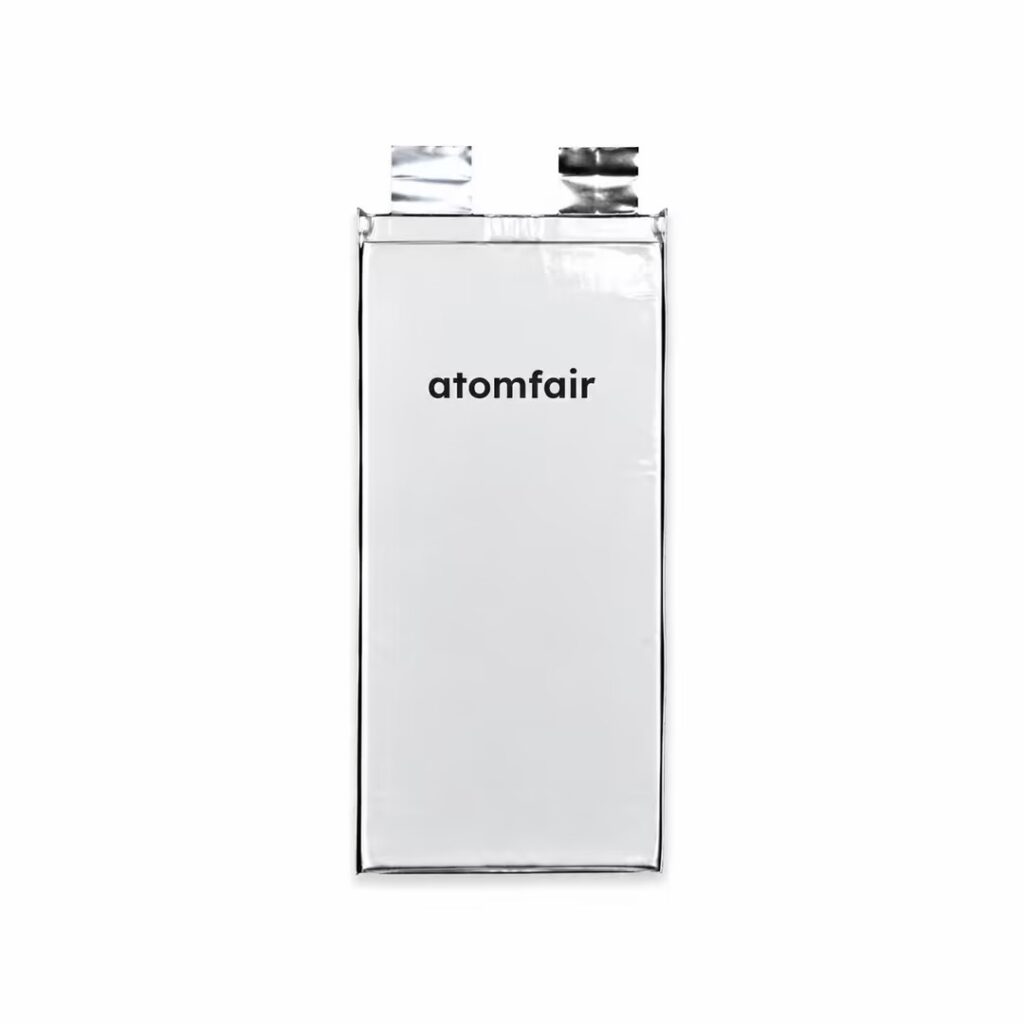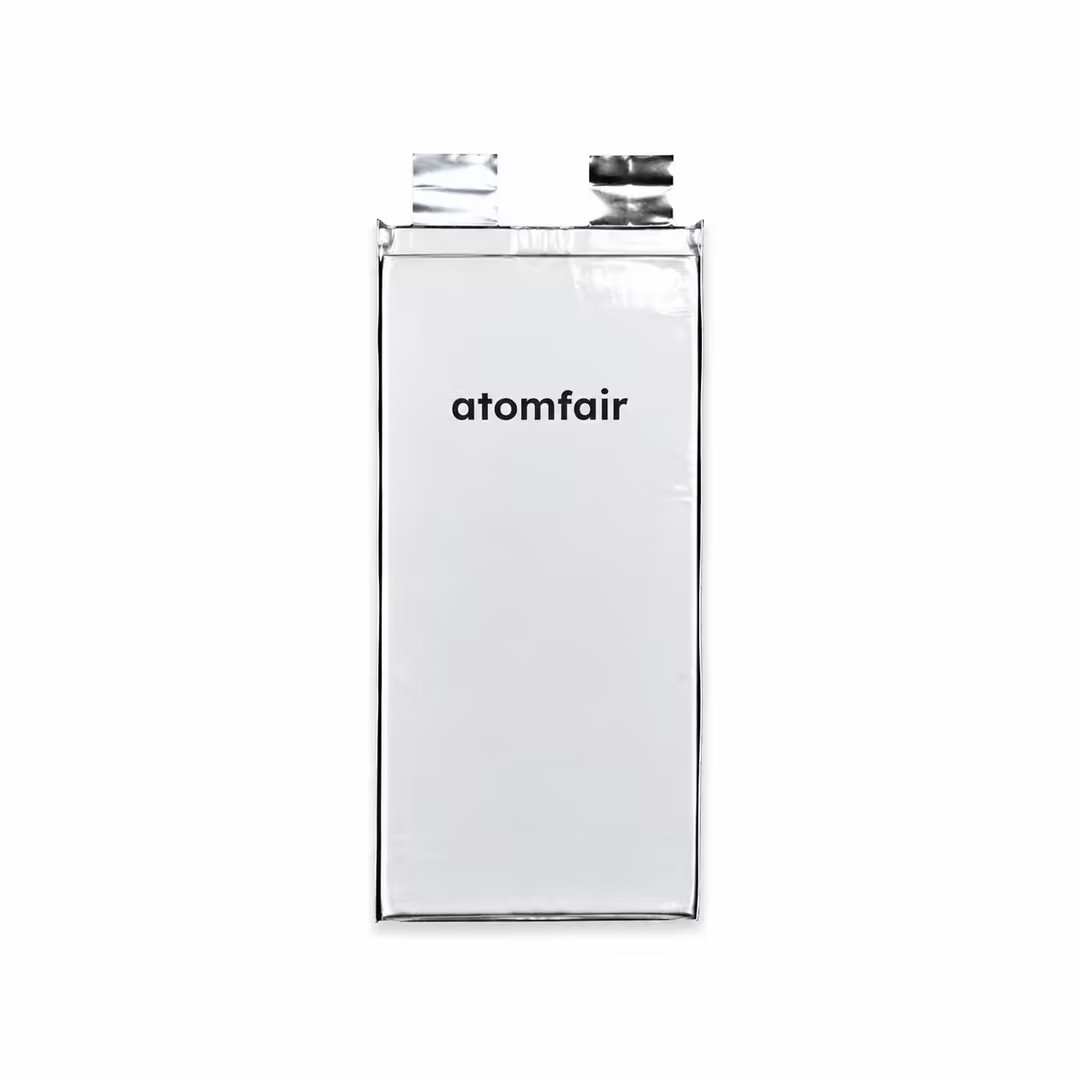
2Ah High-Performance Solid-State Battery NCM Pouch Cell 300 Wh/kg ATOMFAIR®

$56.00

Institutional Procurement & Supply Compliance: As a verified US supplier, Atomfair accepts formal institutional Purchase Orders (POs), contract billing schedules, and custom procurement loops for university and national laboratories, and corporate R&D departments globally.

Commercial-grade 2Ah NCM-Gr/Si,C-SSE solid-state pouch cell with 300 Wh/kg energy density, 3.7V nominal, and 5C discharge. Ideal for drones and medical devices. Order now.

Description

2AH HIGH-PERFORMANCE AND HIGH-SAFETY SOLID-STATE BATTERY

COMMERCIAL GRADE · PRODUCTION

Product Overview

Engineered for high-capacity energy storage applications, this premium pouch cell utilizes an advanced high safety solid state battery framework. Implementing an optimized NCM graphite silicon pouch cell matrix (NCM-Gr/Si,C-SSE), this miniature cell leverages a composite solid-state electrolyte to deliver a remarkable 300 Wh/kg energy density and 695 Wh/L volumetric layout. This 2Ah 3.7V battery architecture supports a secure 5C maximum continuous discharge, a 10C peak discharge burst (5s), and a 2C continuous charge capability. Designed to withstand intensive operational cycles, it maintains strong capacity retention under continuous use from -20°C up to 70°C. It serves as an essential primary cell hardware standard for aerial drones, portable medical configurations, consumer wearables prototyping, and small electric vehicle development workflows. For bulk inquiries or official volume quotations, please contact us via email at inquiry@atomfair.com.

Technical Specifications

PARAMETER VALUE
Cell Chemistry Link NCM-Gr/Si,C-SSE (Nickel Cobalt Manganese – Graphite/Silicon, Composite Solid-State Electrolyte)
Chassis Dimensions 7.0 × 28 × 54 mm (T × W × L)
Rated Capacity 2.0 Ah
Nominal Voltage 3.7 V
Cell Structural Weight 0.024 ± 0.001 kg
Gravimetric Energy Density 300 Wh/kg
Volumetric Energy Density 695 Wh/L
Max. Continuous Charge 2.0 C
Peak Discharge Current (5s) 10.0 C
Max. Continuous Discharge 5.0 C
Verified Lifecycle Metrics 300 cycles (1C/4C, ≥80% Capacity Retention)
Operating Temperature Range -20 ~ +70 °C
Alternative Catalog Items Explore our complete component catalog for alternative volumetric capacities, high-conductivity polymer separators, aluminum-laminated protective packaging films, or multi-channel battery cycling systems.

Key Features & Advantages

  • High Safety Solid-State Electrolyte: The composite solid-state electrolyte (C-SSE) eliminates liquid leakage risks, enhancing thermal stability and intrinsic safety.
  • Ultra-High Energy Density in Compact Size: Achieves 300 Wh/kg gravimetric and 695 Wh/L volumetric energy density, enabling long runtime in space-constrained applications.
  • High Power Capability: Supports 5C continuous discharge and 10C peak discharge (5s) with 2C fast charge, ideal for power tools and drones.
  • Wide Operating Temperature: Reliable operation from -20°C to +70°C, suitable for outdoor and industrial environments.
  • Durable Cycle Life: Maintains ≥80% capacity after 300 cycles at 1C/4C, ensuring reliability in high-rate charge/discharge scenarios.

APPLICATION SCOPE: Highly recommended for aerial drone platforms, portable electronic hardware components (smartphones, wearables), electronic tools, miniature medical systems, and micro-EV storage prototypes.
SHIPPING & LOGISTICS: Secured within shock-damping hazardous material transport packaging boxes to preserve terminal connections. Arrives pre-calibrated and complete with comprehensive factory batch inspection data certificates.
IMPORTANT NOTICE: This solid-state battery features advanced safety and thermal management. Charge within specified temperature range (-20°C to 70°C). Do not exceed 2C continuous charge or 5C continuous discharge. For peak discharge (10C, 5s), ensure SOC ≥30%. Store in dry, ventilated area between 15-30°C. Do not disassemble, puncture, or expose to fire.

VOLUME ORDERS & CUSTOM SOLUTIONS
Request a quote for sample quantities, pilot runs, or full-scale production. Our engineering team provides application support and design-in assistance.
EMAIL: INQUIRY@ATOMFAIR.COM
Global logistics · Fast sample delivery · Technical datasheets available
Manufacturer: ATOMFAIR LLC · ADVANCED ENERGY STORAGE DIVISION
Brand: ATOMFAIR
Specifications are representative and subject to change without notice. For the latest version and compliance certificates, contact official sales channel.

This solid-state pouch cell must be operated within its specified voltage and temperature windows to prevent rapid capacity fade and thermal runaway. Physical integrity must be preserved to avoid internal short circuits and electrolyte leakage.

  • Discharge Rate Limit: Do not exceed 5A continuous discharge (5C) or 10A peak for more than 5 seconds to prevent overheating and capacity degradation.
  • Charge Current Limit: Apply charge current no greater than 4A (2C) continuous to avoid lithium plating and electrolyte breakdown.
  • Thermal Operating Range: Operate or store the cell between -20°C and 70°C to maintain reversible capacity and avoid structural damage.
  • Mechanical Protection: Prevent any physical puncture, crushing, or bending of the pouch cell to avoid internal short circuits and gas generation.
  • Short Circuit Prevention: Keep battery terminals isolated from conductive materials and ensure proper insulation during handling and installation.

These steps outline the safe initial deployment and handling of the 2Ah solid-state pouch cell. Follow each step sequentially to ensure safe operation and prevent damage or personal injury.

  1. Inspect and Prepare
    Inspect the battery pouch for any visible damage, swelling, or leakage before handling.
  2. Verify Electrical Parameters
    Confirm the battery voltage is within 3.0V to 4.2V using a multimeter before connection.
  3. Connect to Charger
    Connect the positive and negative terminals to a compatible CC/CV charger set to 4.2V and max 4A current.
  4. Monitor Charging
    Monitor the cell temperature during charging and disconnect immediately if it exceeds 70°C.
  5. Discharge Safely
    Apply discharge loads that do not exceed 5A continuous or 10A peak for longer than 5 seconds.
  6. Store Properly
    Store the battery in a cool, dry location with terminals insulated when not in use.
  7. Dispose Responsibly
    Dispose of the battery according to local regulations for lithium-ion cells when end-of-life is reached.

How does the 300 Wh/kg gravimetric energy density of this 2Ah solid-state battery compare to conventional lithium-ion pouch cells in terms of cycle life trade-off?

This solid-state battery achieves 300 Wh/kg with a verified lifecycle of 300 cycles at 1C/4C charge/discharge and ≥80% capacity retention, which is a deliberate trade-off for high energy density. Conventional liquid-electrolyte lithium-ion cells of similar capacity often exceed 500 cycles but typically deliver lower gravimetric density (150–250 Wh/kg) and present higher thermal runaway risks. The composite solid-state electrolyte (C-SSE) enables this density while eliminating liquid leakage, making the cycle life acceptable for applications like aerial drones and portable medical devices where runtime and safety outweigh longevity.

Can this NCM-Gr/Si,C-SSE pouch cell be integrated directly into existing battery management systems designed for standard lithium-ion polymer batteries?

Direct integration requires careful BMS reconfiguration because this cell operates at a nominal voltage of 3.7 V with a 2C maximum continuous charge rate and a 5C continuous discharge, which may differ from typical LiPo profiles. The composite solid-state electrolyte (C-SSE) has distinct impedance characteristics that could affect voltage sensing and balancing algorithms. Engineers must verify that the BMS supports the -20°C to +70°C operating range and can handle the 10C peak discharge burst for 5 seconds without triggering overcurrent protection.

What are the specific handling and storage requirements for this solid-state pouch cell to prevent mechanical damage or performance degradation?

This cell measures 7.0 × 28 × 54 mm and weighs 0.024 ± 0.001 kg, requiring careful handling to avoid puncturing or bending the aluminum-laminated pouch packaging. Storage should be within the -20°C to +70°C operating temperature range, with partial charge (around 50% state of charge) recommended for long-term storage to minimize capacity fade. The composite solid-state electrolyte is non-flammable and leak-proof, but the pouch cell structure remains sensitive to compressive forces and sharp objects, so anti-static, padded containers are advised for transport and inventory.

This 2Ah solid-state pouch cell delivers 300 Wh/kg and 695 Wh/L energy density using a composite solid-state electrolyte, enhancing intrinsic safety and thermal stability across -20 to 70°C. However, its rated cycle life of 300 cycles at 80% retention and a maximum continuous charge rate of 2C impose operational constraints for high-throughput or prolonged-use applications.

Positive

  • High-Safety Solid-State Electrolyte: The composite solid-state electrolyte (C-SSE) eliminates liquid leakage risks, enhancing thermal stability and intrinsic safety for reliable operation in sensitive environments.
  • Ultra-High Energy Density in Compact Size: Achieves 300 Wh/kg gravimetric and 695 Wh/L volumetric energy density, enabling extended runtime in space-constrained applications such as drones and wearable prototypes.

Trade-offs

  • Moderate Cycle Life of 300 Cycles: The verified lifecycle of 300 cycles at 1C/4C with ≥80% capacity retention may be limiting for applications requiring very long-term cycling or high daily throughput.
  • Limited Charge Rate and Peak Discharge Duration: Maximum continuous charge is 2C, and peak discharge of 10C is only supported for 5 seconds; continuous discharge is capped at 5C, constraining fast-charging and high-burst scenarios.

Every advanced material, component, equipment, and instrument in our catalog is backed by rigorous testing. We maintain strict internal quality management frameworks and align with CE conformity metrics to deliver transparent, reproducible performance data via our public open-science repository.

To request raw batch performance data, submit formal vendor registration paperwork, or execute a fast-turnaround R&D manufacturing loop, contact us at inquiry@atomfair.com.

Item is dispatched under the Atomfair Shipping & Delivery Framework (Free worldwide shipping on orders over $59 USD). Return is governed by the Atomfair Return & Refund Policy (7-day technical return window).