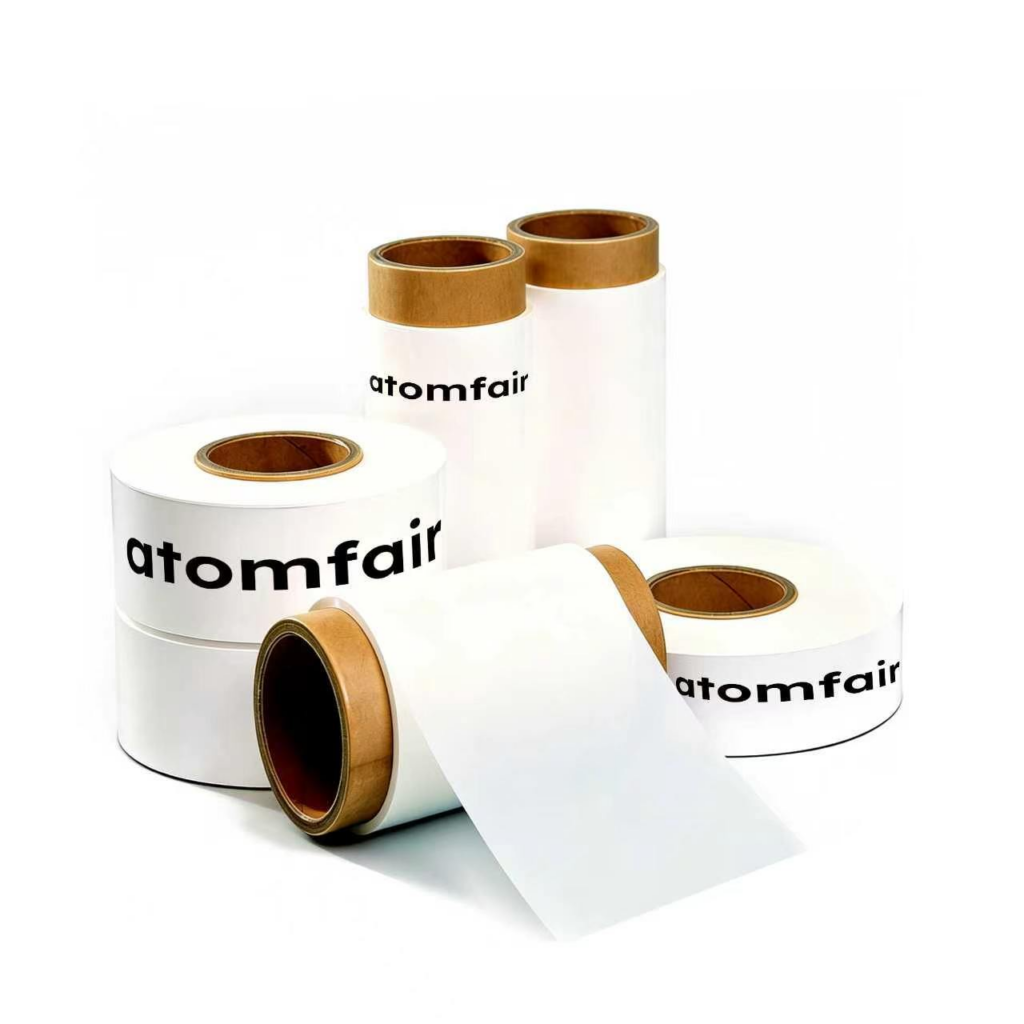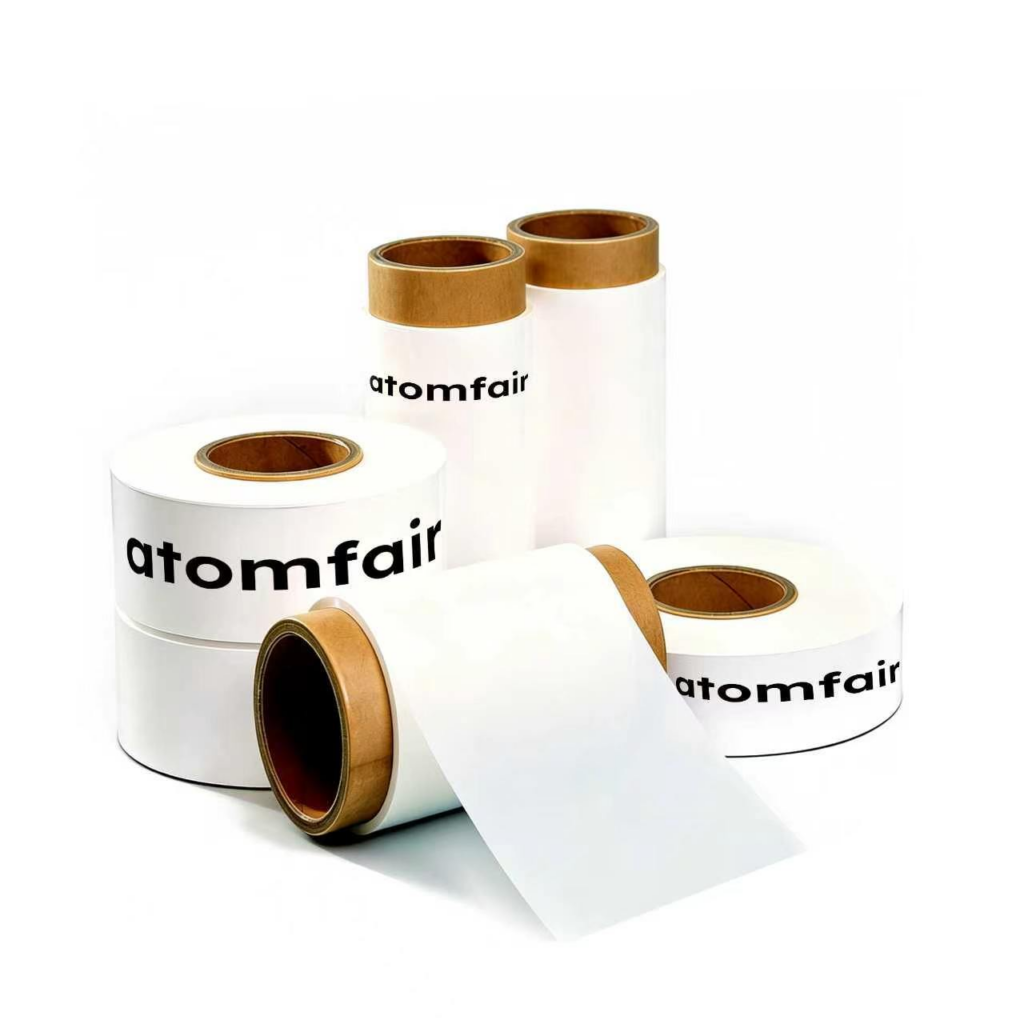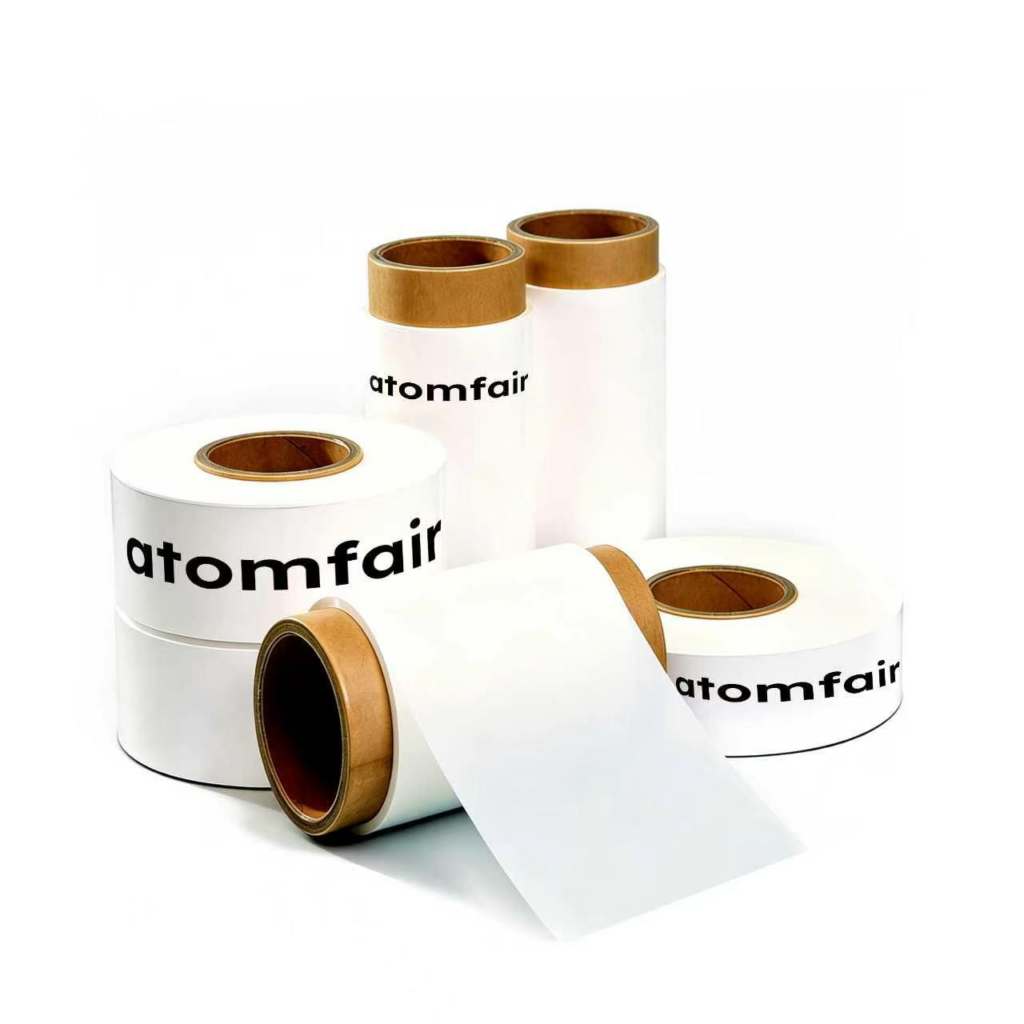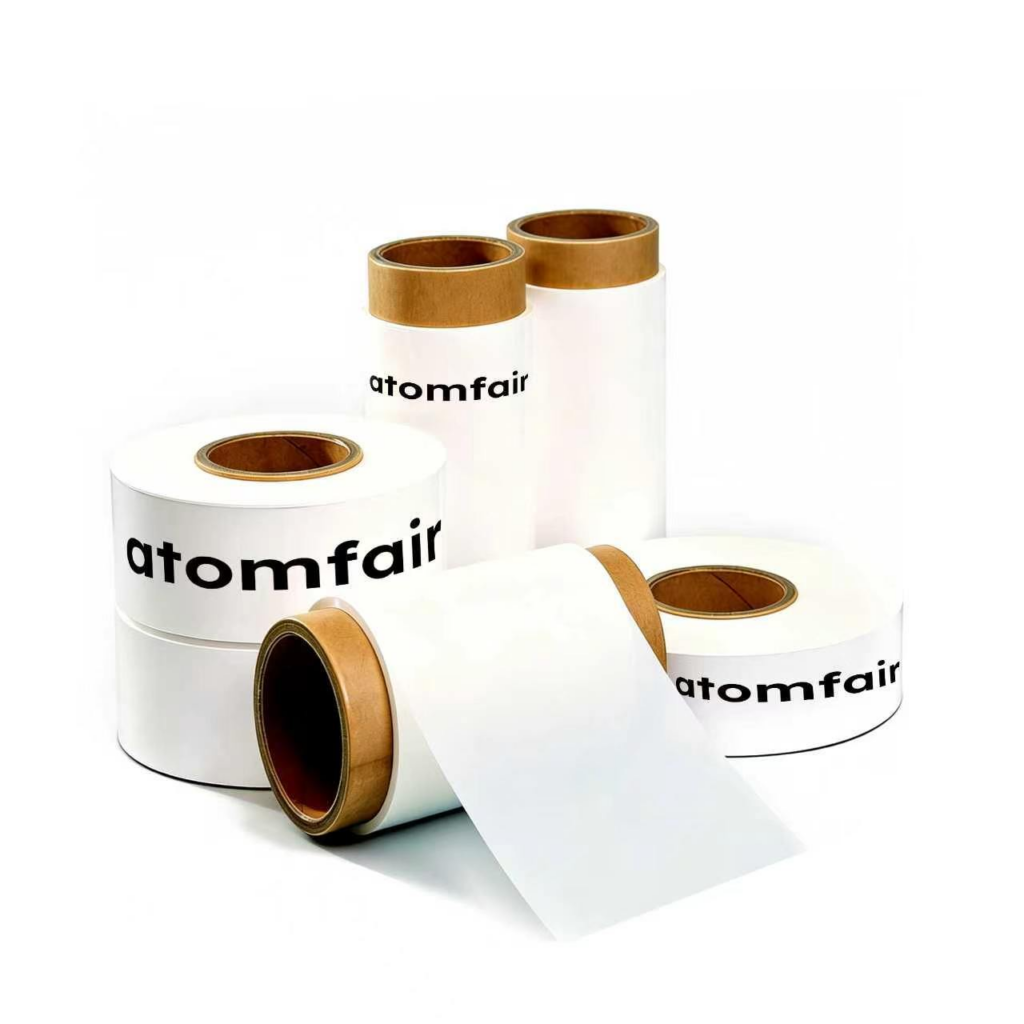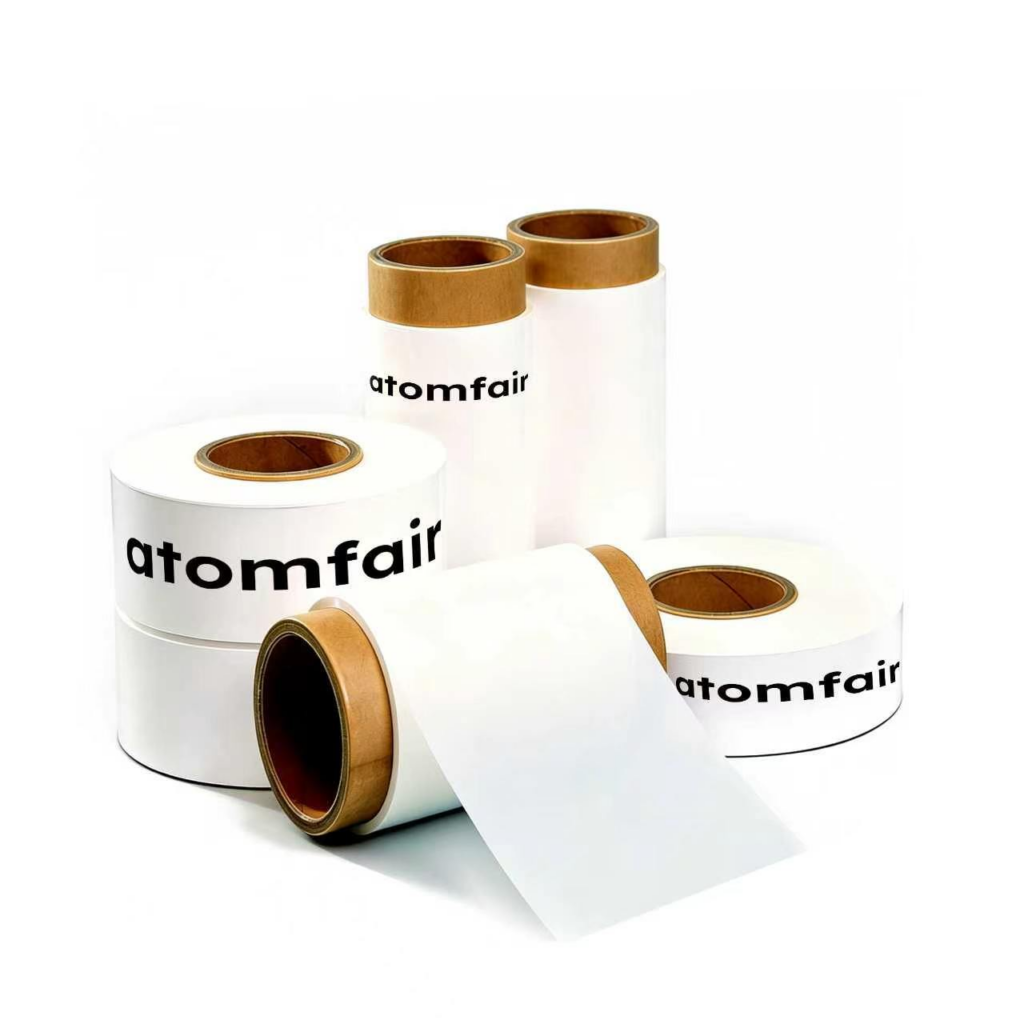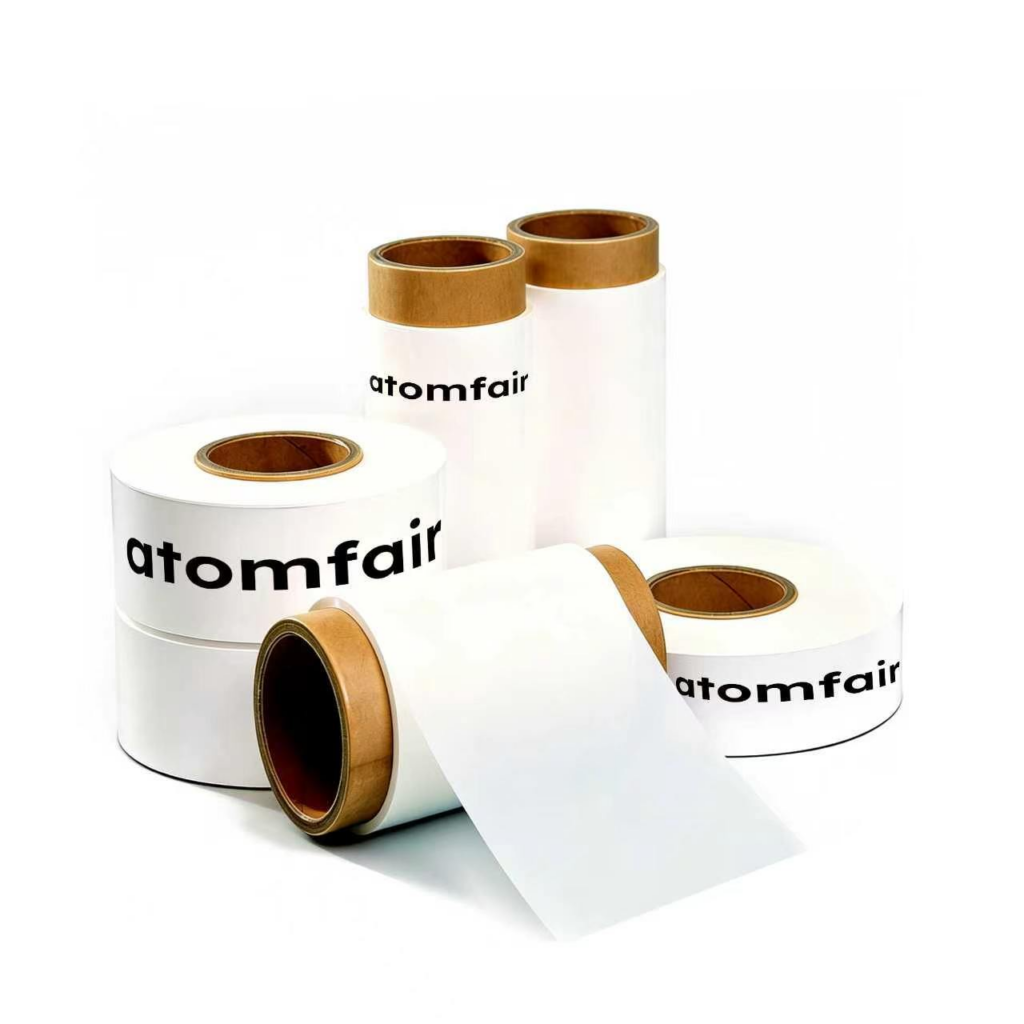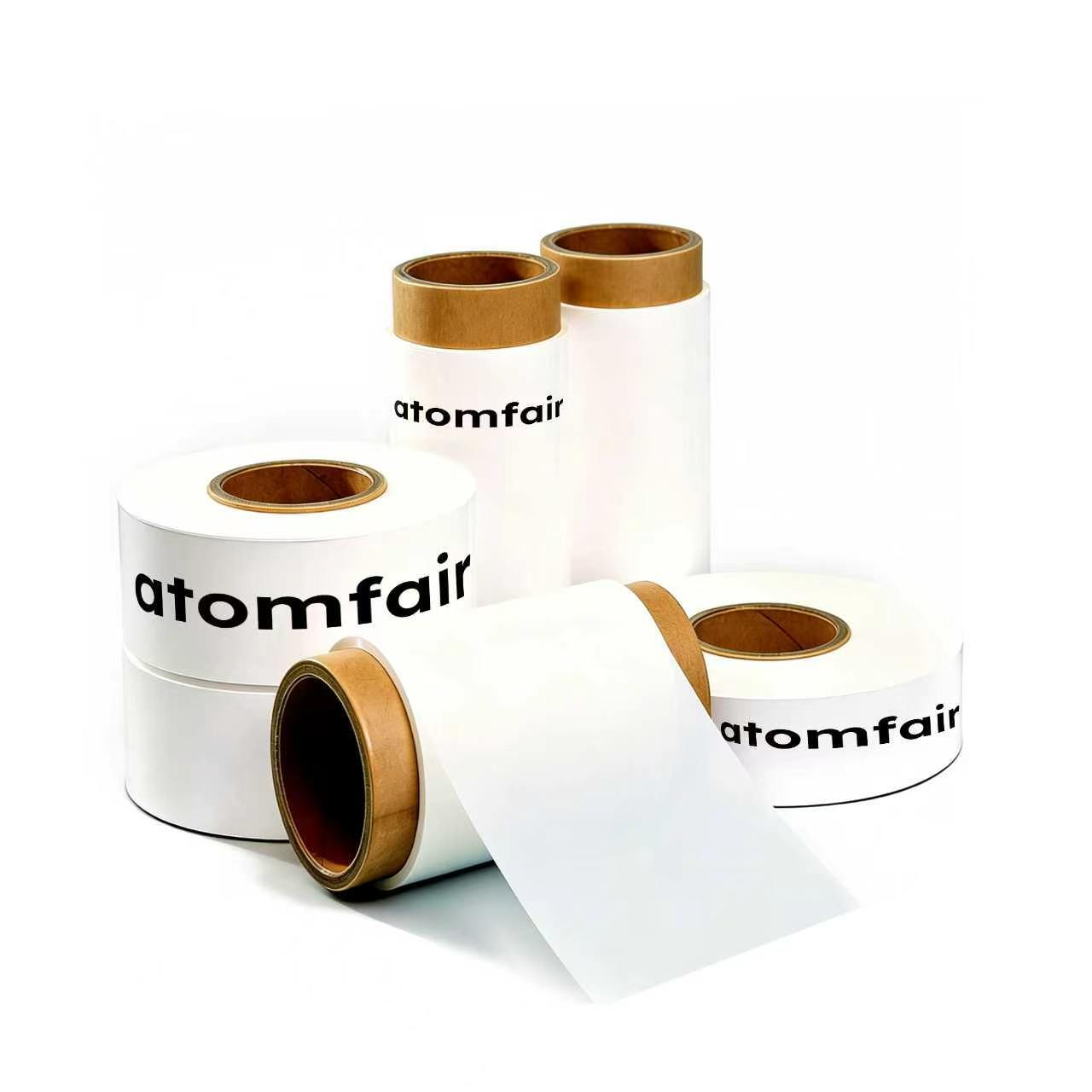
ATOMFAIR® WET-PE SEPARATOR 7µm 60mm x 10mRESEARCH GRADE MATERIAL
|
|||||||||||||||||||||||||||||||||||||||||||||||||||||||||||
|
|||||||||||||||||||||||||||||||||||||||||||||||||||||||||||
This separator requires storage in a sealed, dry, and ventilated environment at normal or low temperatures to prevent degradation. It must be handled with care to avoid mechanical damage and kept away from heat sources, fire, and flammable materials.
- Storage Conditions: Store the separator in a sealed bag within a dry, ventilated area at normal or low temperatures.
- Environmental Protection: Avoid exposing the separator to direct sunlight, rain, or open flames during storage and handling.
- Mechanical Handling: Handle the separator carefully to prevent severe collision, extrusion, or puncture that could compromise its integrity.
- Thermal Stability: Maintain the separator below its melting point of 135°C to avoid thermal shrinkage and structural failure.
How does the 7 μm thickness of this wet-process PE separator affect mechanical integrity and ion transport relative to thicker separators?
This 7 μm separator reduces ionic resistance and improves rate capability due to its low thickness and 40% porosity, but at the cost of reduced mechanical robustness compared to thicker alternatives. It still provides a puncture strength of 339 g and MD tensile strength of 221 kg/cm³, sufficient for lab-scale cells, yet its thinness increases susceptibility to dendrite penetration and thermal shrinkage (1.2% MD, 0.1% TD) under aggressive cycling.
Which electrolyte systems and cathode chemistries are compatible with this 7 μm PE separator for research batteries?
This separator is compatible with standard carbonate-based electrolytes (LiPF6 in EC/DMC/EMC) and common cathodes such as LCO, NMC, and LFP. Its PE base film melts at 135°C, so it is not recommended for high-voltage cathodes operating above 4.5 V or electrolytes containing additives that degrade polyethylene. The 60 mm width and 10 m length are ideal for pouch cell and coin cell research.
What critical handling and storage conditions are required to preserve the integrity of this 7 μm wet-process PE separator?
The separator must be stored sealed in a dry, ventilated environment at normal or low temperature, away from fire, heat sources, and flammable materials to prevent thermal shrinkage (1.2% MD, 0.1% TD). During handling, avoid sharp contact, severe collision, and extrusion, as the low puncture strength (339 g) and 7 μm thickness make it prone to tearing. Transportation should avoid sunlight, rain, and high temperatures.
This 9μm wet-process PE separator (AF-PE9) offers a balanced combination of mechanical strength and thermal stability for research battery assembly, with a puncture strength of 410g and low transverse shrinkage. However, its moderate porosity (38%) and high air permeability (185s) may limit high-rate performance, and the 135°C melting point requires careful thermal management during cell operation.
Positive
- High puncture strength relative to thickness: With a puncture strength of 410g at only 9μm thickness, this separator provides robust mechanical integrity during cell winding and assembly, reducing the risk of internal short circuits.
- Low transverse thermal shrinkage: Transverse thermal shrinkage of only 0.1% ensures dimensional stability during drying, electrolyte filling, and initial cycling, minimizing electrode misalignment risks.
Trade-offs
- Moderate porosity limits ion transport: At 38% porosity and 185s air permeability, the separator presents higher ionic resistance compared to higher-porosity alternatives, potentially reducing rate capability and increasing cell impedance.
- Low melting temperature restricts thermal window: A melting point of 135°C means the separator can shrink or melt if cell internal temperatures exceed this threshold, requiring strict thermal management in high-power or abusive conditions.
Every advanced material, component, equipment, and instrument in our catalog is backed by rigorous testing. We maintain strict internal quality management frameworks and align with CE conformity metrics to deliver transparent, reproducible performance data via our public open-science repository.
To request raw batch performance data, submit formal vendor registration paperwork, or execute a fast-turnaround R&D manufacturing loop, contact us at inquiry@atomfair.com.
Item is dispatched under the Atomfair Shipping & Delivery Framework (Free worldwide shipping on orders over $59 USD excl. heavy equipment). Return is governed by the Atomfair Return & Refund Policy (7-day technical return window).