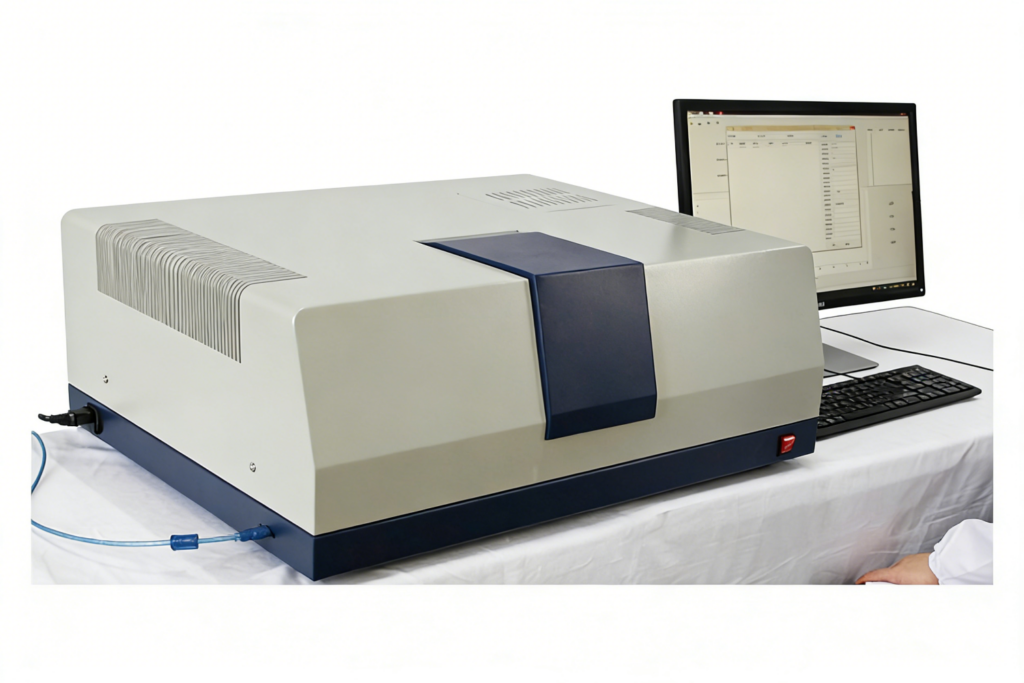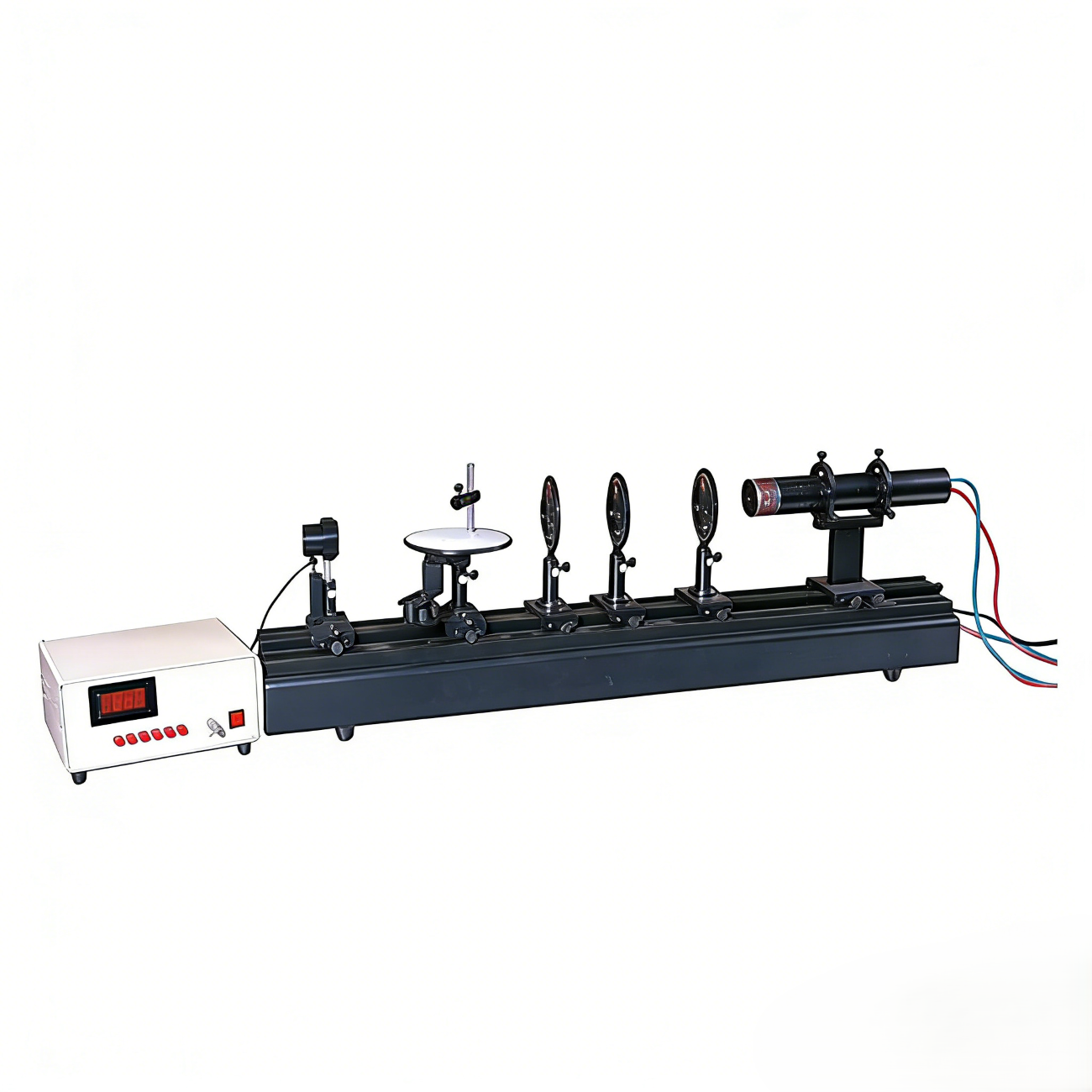
Atomfair-PLS-739 Polarization Light Experiment System
Product Overview
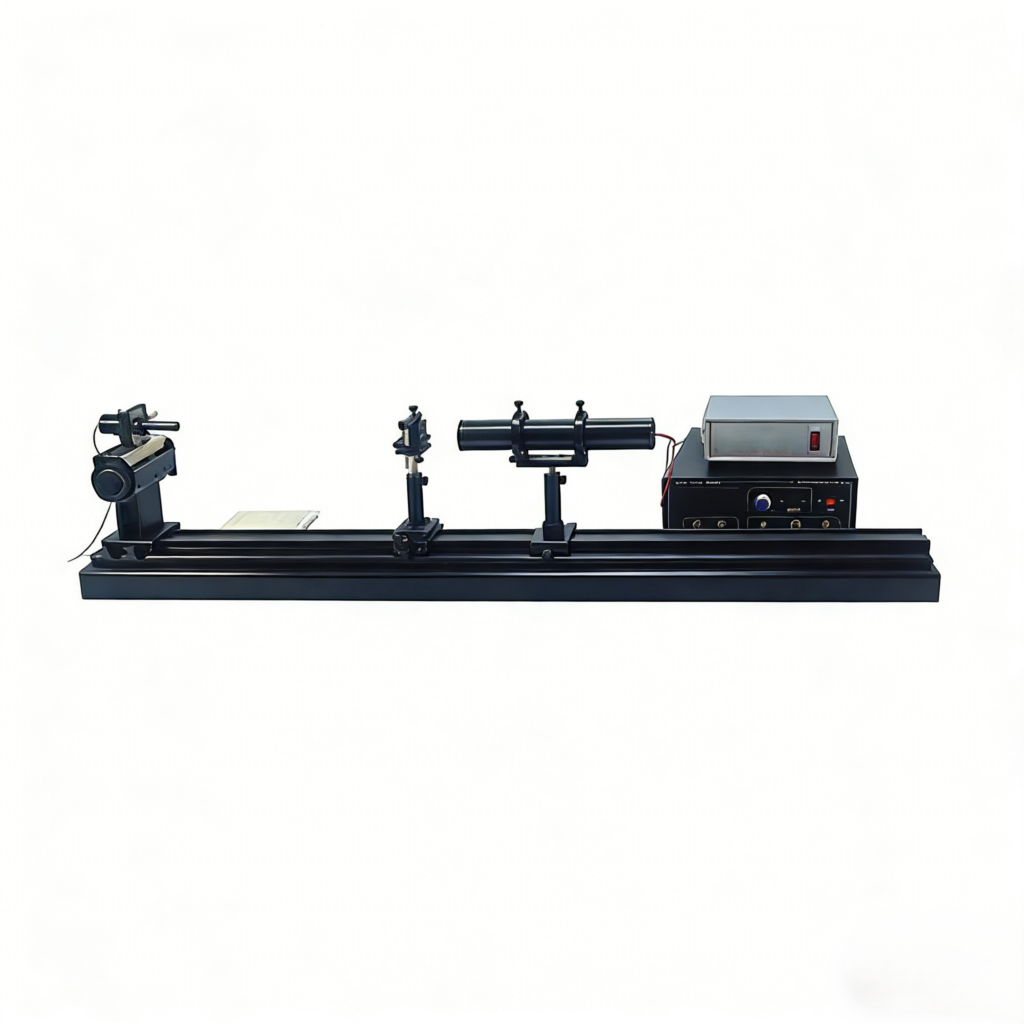
Atomfair-PLS-739 is a manual polarization light experiment device designed for educational and experimental purposes. It belongs to the category of interference, diffraction, and polarization experimental equipment, featuring a non-online usage design that allows students to conduct hands-on operations and in-depth exploration of polarization light principles. With a complete set of high-quality optical components and precise adjustment tools, this system provides a reliable and intuitive platform for mastering key concepts in polarization optics.
Key Product Information
- Product Category: Interference, Diffraction & Polarization Experimental Equipment
- Product Type: Manual Polarization Light Experimenter (Non-online Use)
- Application Scenarios: Ideal for students to perform polarization light-related experimental operations, verify physical laws, and explore optical principles in academic and laboratory settings.
Experimental Capabilities
This experiment system supports three core experimental projects, covering fundamental and essential content of polarization optics:
- Reflection and refraction polarization experiments, dichroism polarization experiments
- Malus’s Law verification experiment
- Brewster’s angle measurement experiment
Standard Configuration & Specifications
| No. | Name | Specifications |
|---|---|---|
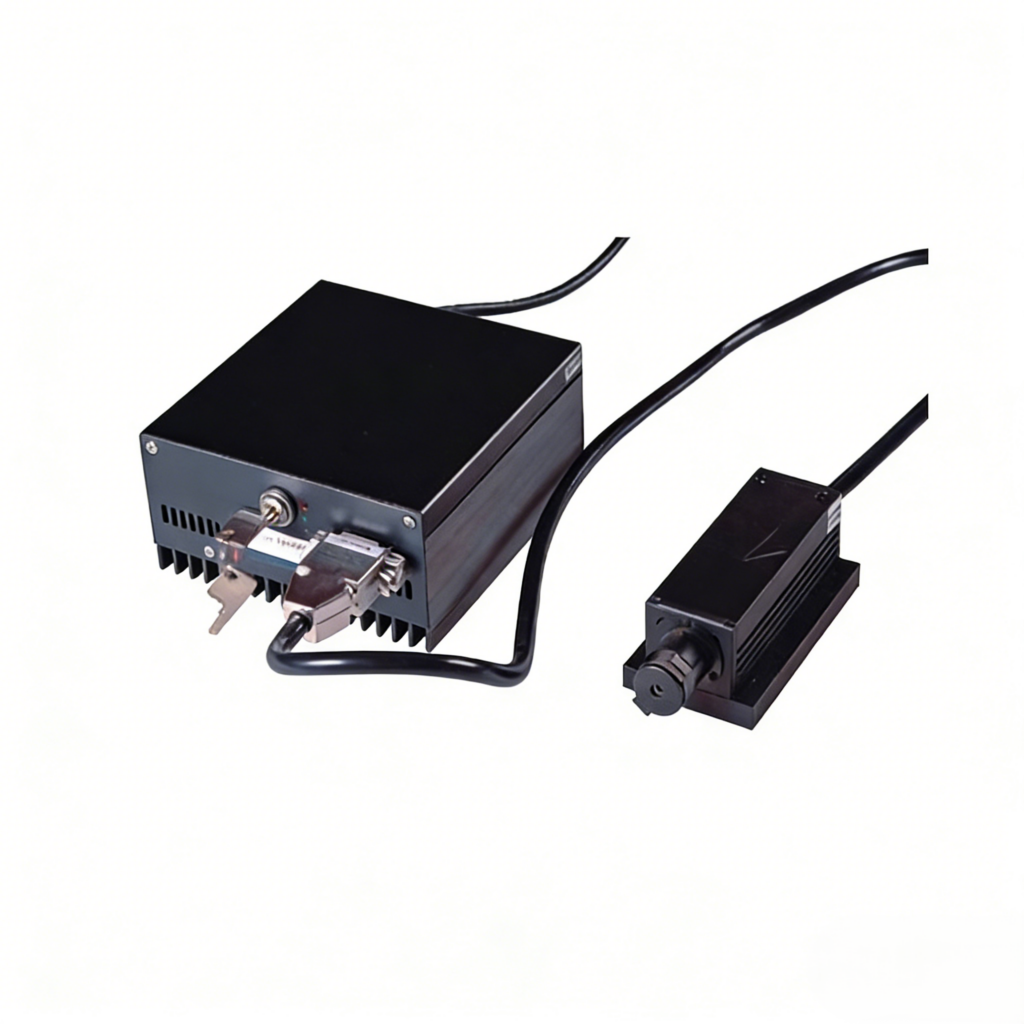
| 1 | Laser and Bracket | Helium-neon laser, wavelength 632.8nm, mode TEM₀₀, output power >1.5mW, divergence angle <5mrad, equipped with Brewster angle window, service life 10,000 hours |
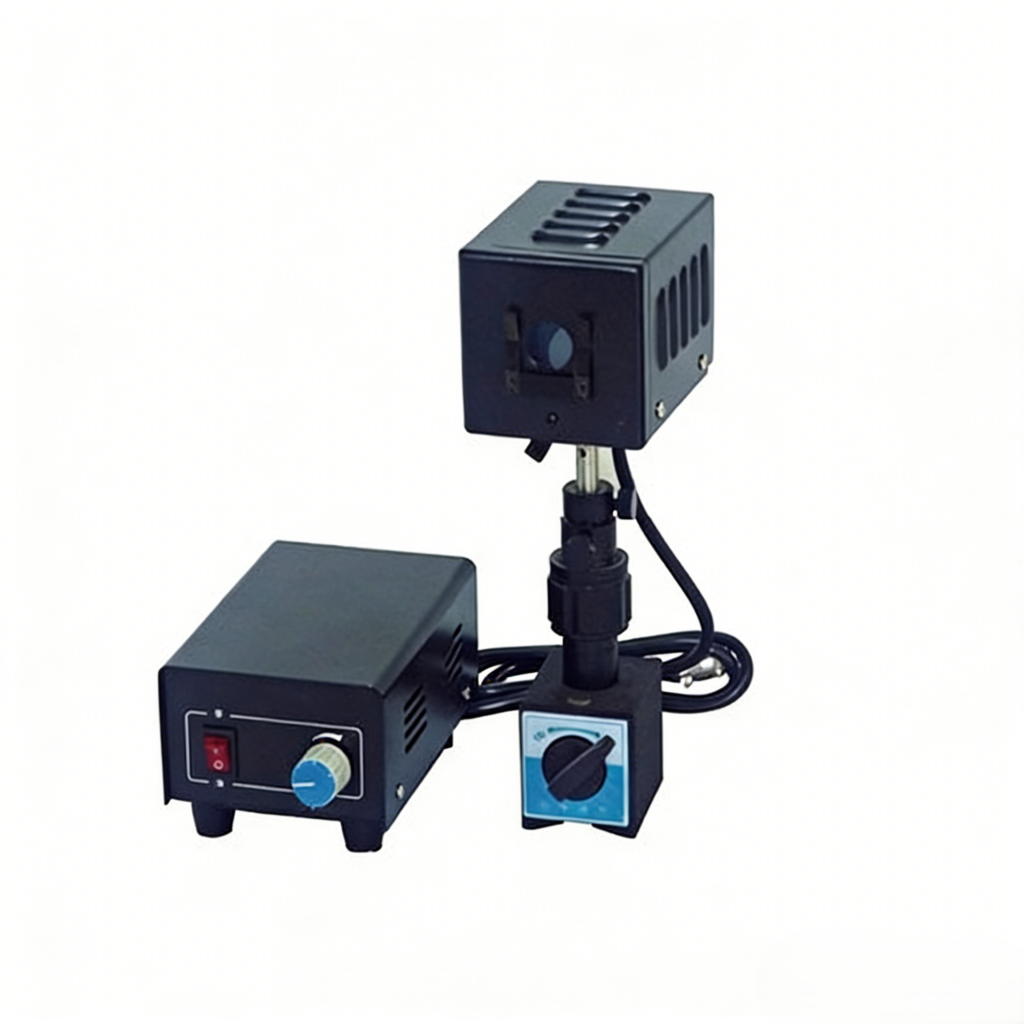
| 2 | Mini Light Source | High-brightness LED light source, powered by DC 3V |
| 3 | Optical Components | Black glass mirror, polarizer, half-wave plate, quarter-wave plate, convex lens (focal length f’=150mm), beam expander (focal length f’=4.5mm) |
| 4 | Adjustment Frames | Lens holder, plate holder, double-position extension frame, optical goniometer, single slit, polarizer and wave plate holder |
| 5 | Photocurrent Amplifier | Made of silicon photocell |
| 6 | Optical Guide Rail | Length 1.2m, width 20mm, straightness 2mm, material: hard aluminum |
| 7 | Other Accessories | Light target, power cord, sliding base |
Note: The above configurations and parameters are for reference only. The actual product shall be subject to the packing list. Minor adjustments will not be notified separately.
Optional Configurations
Customize your experiment system with the following optional accessories to expand experimental functions:
| No. | Name | Specifications |
|---|---|---|
| 1 | Glass Plate Stack | Glass plate size: 76mm×25mm |
| 2 | Iceland Spar | Equipped with rotating sleeve |
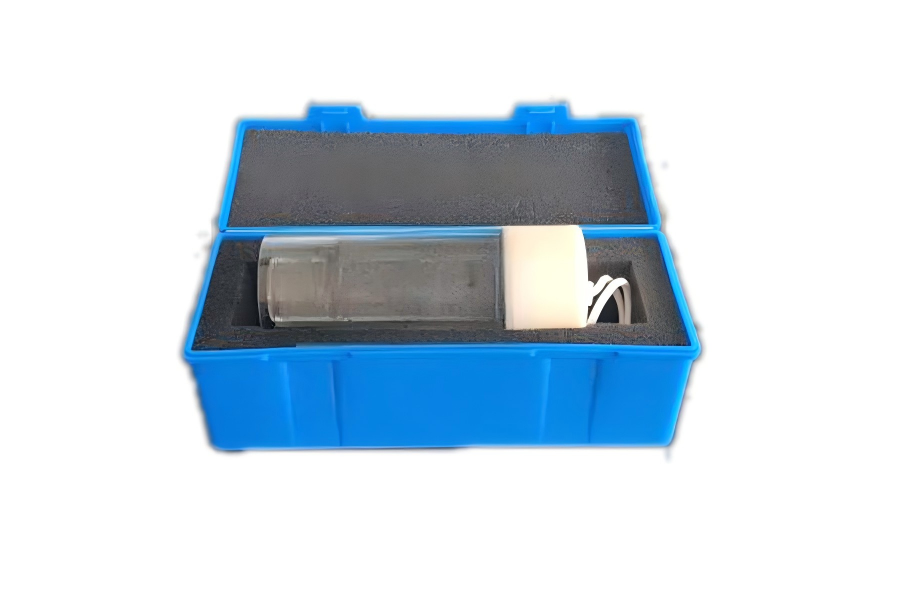
| 3 | Optical Rotation Liquid Cell and Bracket | – |
Product Advantages
- Comprehensive Experimental Coverage: Covers core polarization light experiments, meeting the teaching and learning needs of basic optics courses.
- High-Quality Components: Adopts premium optical materials and precise mechanical structures, ensuring stable performance and accurate experimental results.
- User-Friendly Design: Manual adjustment mechanism allows for easy operation, helping students focus on experimental principles rather than complex equipment setup.
- Durable & Reliable: Made of high-quality materials with long service life, suitable for long-term use in laboratory and educational environments.
If you’re interested, have any questions, or have specific customization requirements, please feel free to contact us at inquiry@atomfair.com.
How does the helium-neon laser's beam divergence and output power affect the accuracy of Malus's Law verification with the Atomfair-PLS-739?
The laser's low beam divergence (<5 mrad) and TEM₀₀ mode output (>1.5 mW) ensure a well-collimated, Gaussian beam profile, which minimizes intensity errors during manual polarizer rotation, directly supporting accurate Malus's Law verification. The 632.8 nm wavelength is also well within the sensitivity range of the included silicon photocell photocurrent amplifier, providing consistent linear detection of transmitted intensity.
Can the atomfair-PLS-739 be integrated with digital data acquisition for quantitative polarization measurements?
The system is designed for manual, non-online use, and the photocurrent amplifier outputs an analog signal from the silicon photocell. While no digital interface (e.g., USB or RS-232) is included in the standard configuration, the analog output could be connected to an external voltmeter or data logger for quantitative analysis, provided the user supplies the appropriate cabling and acquisition hardware.
What alignment and rail straightness requirements must be met for accurate Brewster's angle measurement?
The optical guide rail has a straightness tolerance of 2 mm over its 1.2 m length, which requires the user to carefully mount and slide components to maintain coplanarity. The optical goniometer and polarizer holder enable angular positioning for Brewster's angle, but repeatable accuracy depends on ensuring that the laser beam remains centered on the black glass mirror surface and that the polarizer is properly oriented relative to the plane of incidence.
The Atomfair-PLS-739 is a manual polarization optics system that integrates a 632.8nm helium-neon laser with a Brewster angle window, a silicon photocell-based photocurrent amplifier, and a 1.2m optical rail to support three core experiments: Malus's law verification, Brewster's angle measurement, and reflection/refraction and dichroism polarization studies. Its design prioritizes hands-on learning, with manual adjustments and a complete set of optical components, but requires careful handling of the laser and precise alignment for accurate results.
Positive
- Comprehensive polarization experiment coverage: Supports three core experiments—Malus's law, Brewster's angle, and reflection/refraction and dichroism—providing a complete educational platform for polarization optics in a single system.
- High-quality laser with long service life: The helium-neon laser (632.8nm, TEM00, >1.5mW) includes a Brewster angle window and a 10,000-hour service life, ensuring stable and reliable performance for extended laboratory use.
Trade-offs
- Manual alignment and adjustment required: The system relies on manual adjustment of optical components, requiring careful alignment by the user to achieve accurate experimental results, which may be time-consuming and skill-dependent.
- Laser safety and handling precautions: The helium-neon laser, despite low power, requires adherence to standard laser safety protocols to prevent eye exposure, and the glass optical components are fragile and must be handled with care to avoid damage.
Every advanced material, component, equipment, and instrument in our catalog is backed by rigorous testing. We maintain strict internal quality management frameworks and align with CE conformity metrics to deliver transparent, reproducible performance data via our public open-science repository.
To request raw batch performance data, submit formal vendor registration paperwork, or execute a fast-turnaround R&D manufacturing loop, contact us at inquiry@atomfair.com.
Item is dispatched under the Atomfair Shipping & Delivery Framework (Free worldwide shipping on orders over $59 USD excl. heavy equipment). Return is governed by the Atomfair Return & Refund Policy (7-day technical return window).