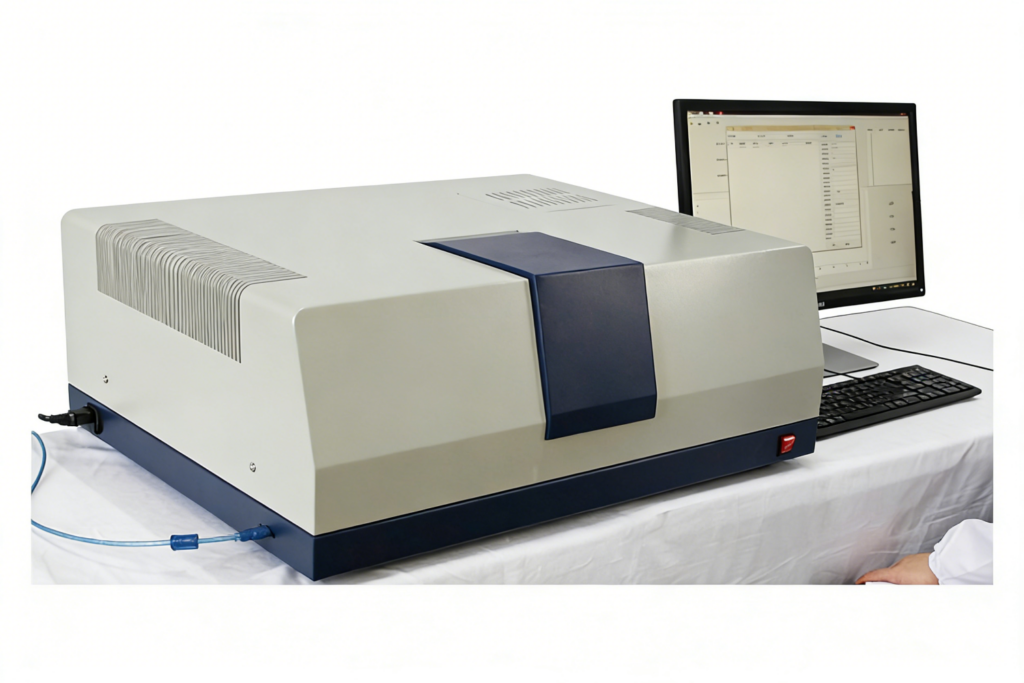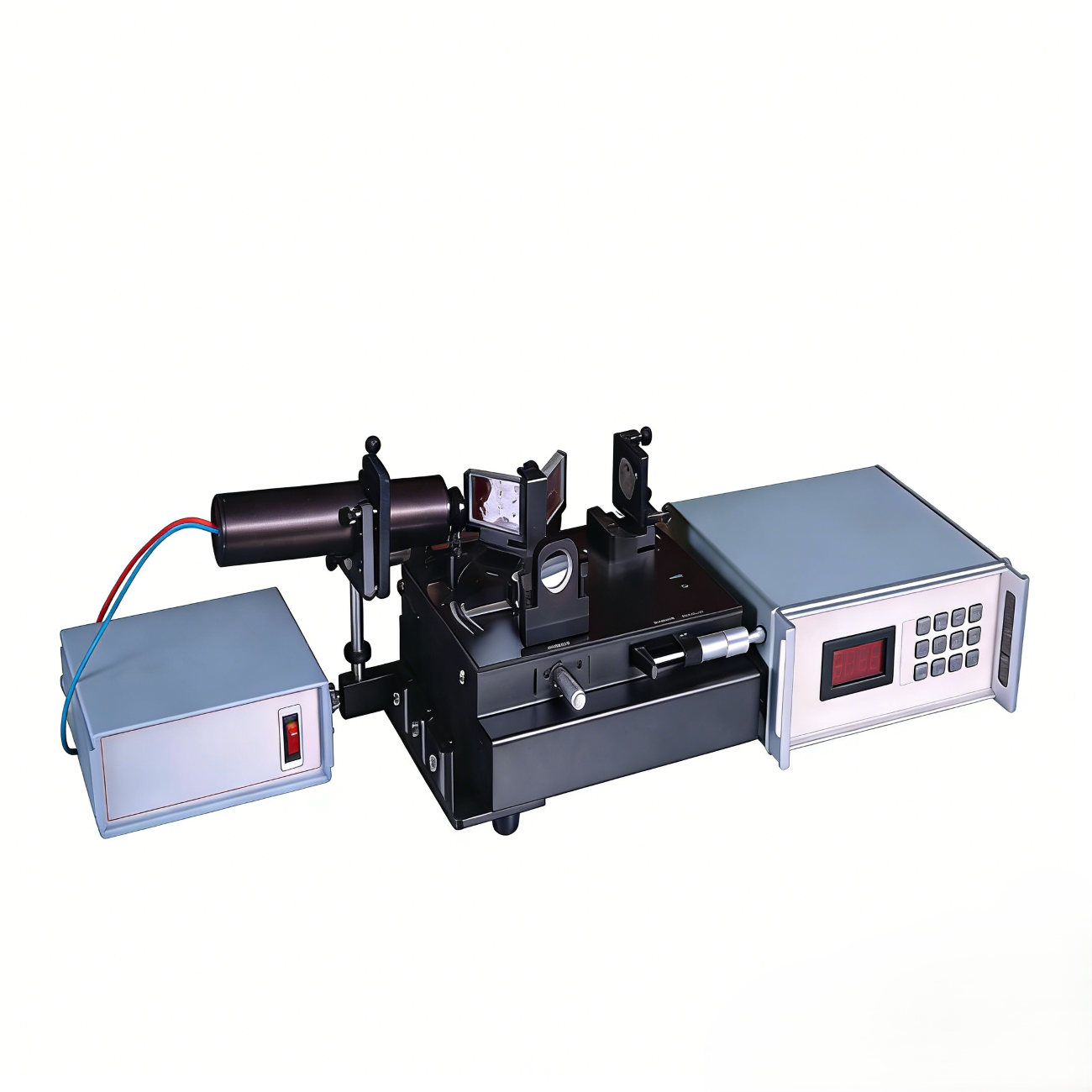
Atomfair-PZT-261 Piezoelectric Ceramic Characteristics Research Experimental Instrument
Product Overview
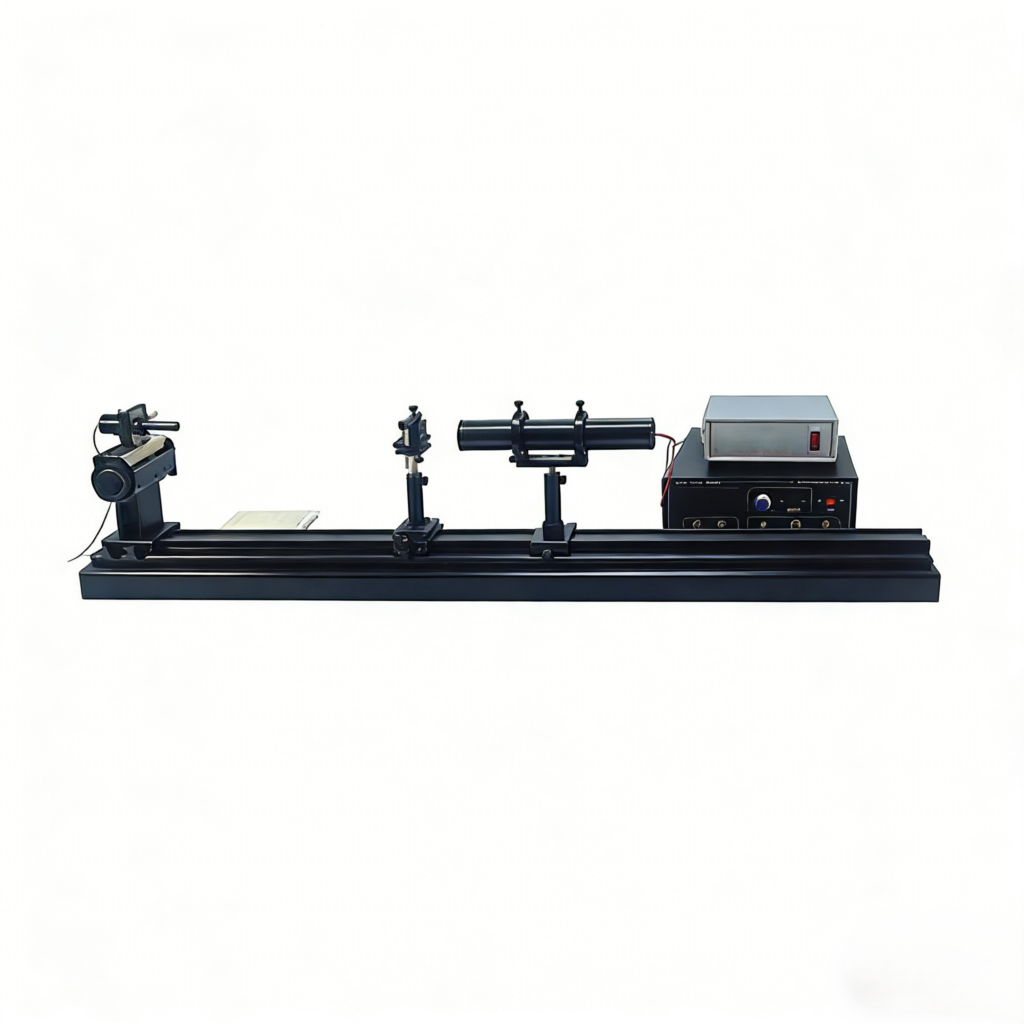
Atomfair-PZT-261 is an advanced experimental instrument built on the Michelson interferometer platform, integrating cutting-edge laser interferometry technology. It is specifically designed for precise observation and in-depth research of the piezoelectric effects of piezoelectric ceramics. Beyond enabling users to obtain accurate distribution data of interference light intensity, this instrument serves as an excellent tool for mastering the core principles of Michelson interferometry. It also facilitates proficiency in understanding the fundamental characteristics of piezoelectric ceramics and mastering high-precision measurement methods for micro-displacements. Widely applicable in academic research, laboratory experiments, and technical training within relevant fields, it provides reliable support for both theoretical exploration and practical operation.
Key Specifications & International Standard Parameters
| Quantity | Name | Specification Details |
|---|---|---|
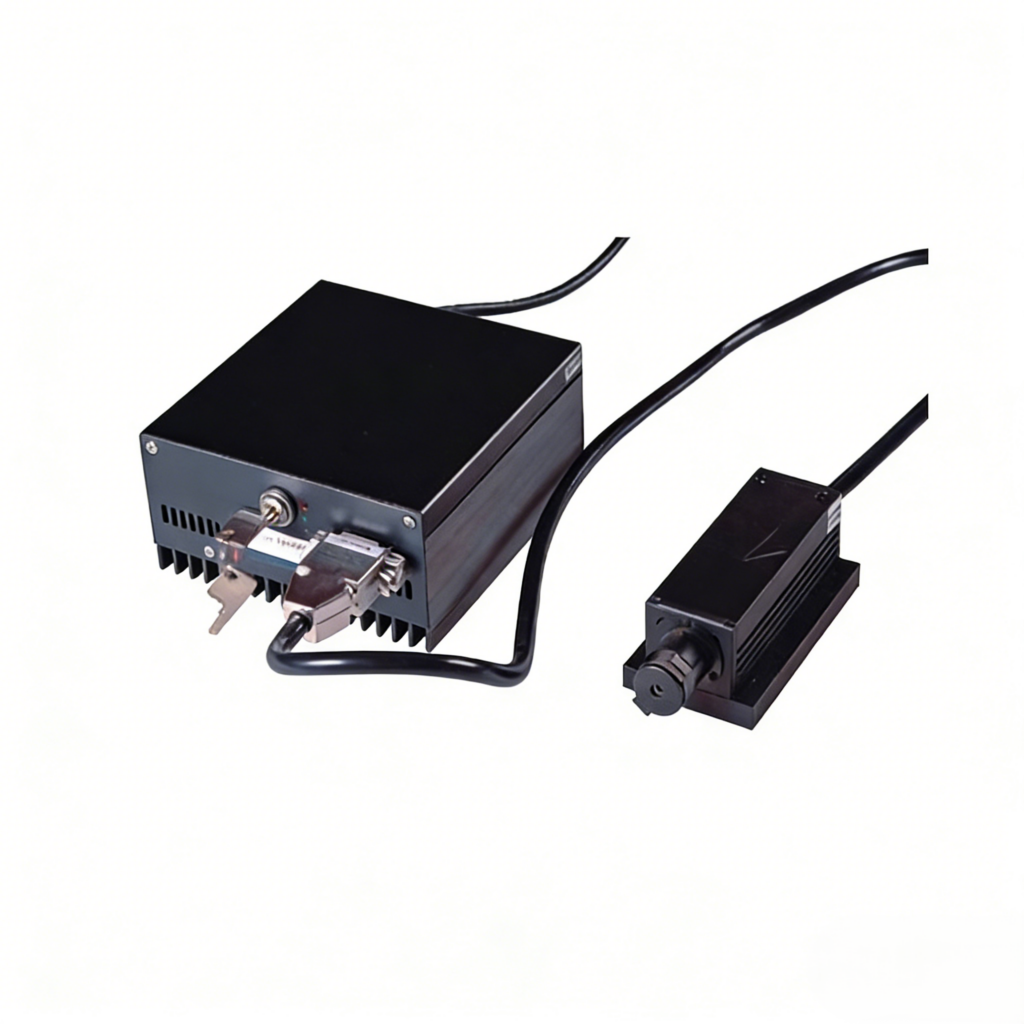
| 1 | Light Source | He-Ne Laser with a wavelength of 632.8nm and power of 1.5mW; equipped with a beam splitter and a compensation plate, with flatness ≤ 1/20λ (λ refers to the laser wavelength) |
| 1 | Experimental Instrument Main Unit | Micromotion measurement division value: equivalent to 0.0005 mm; moving mirror travel range: 1.25mm; wavelength measurement accuracy: when the fringe count is 100, the relative error is < 2% |
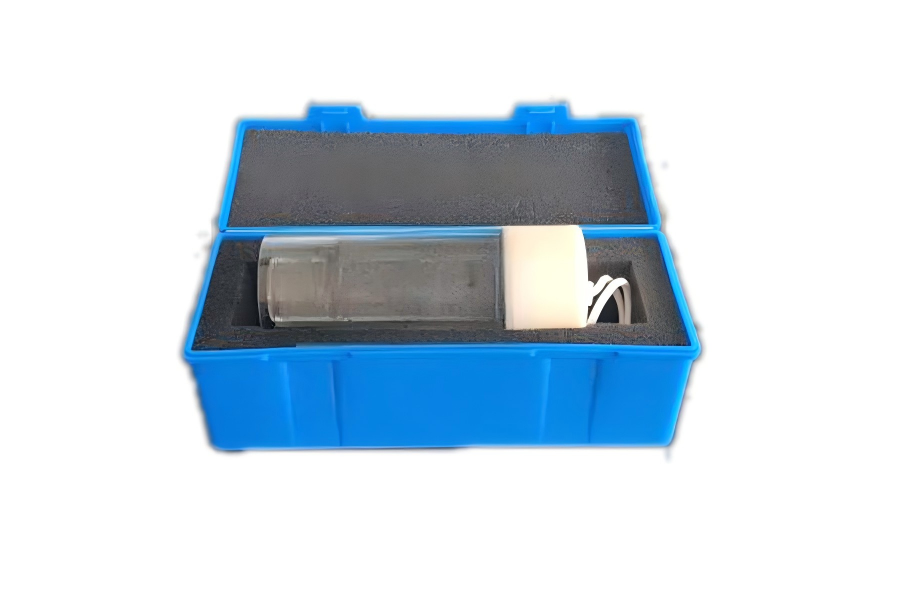
| 1 | Piezoelectric Ceramic & Drive Cabinet | Drive voltage range: 10V ~ 150V (compliant with international universal voltage adaptation standards) |
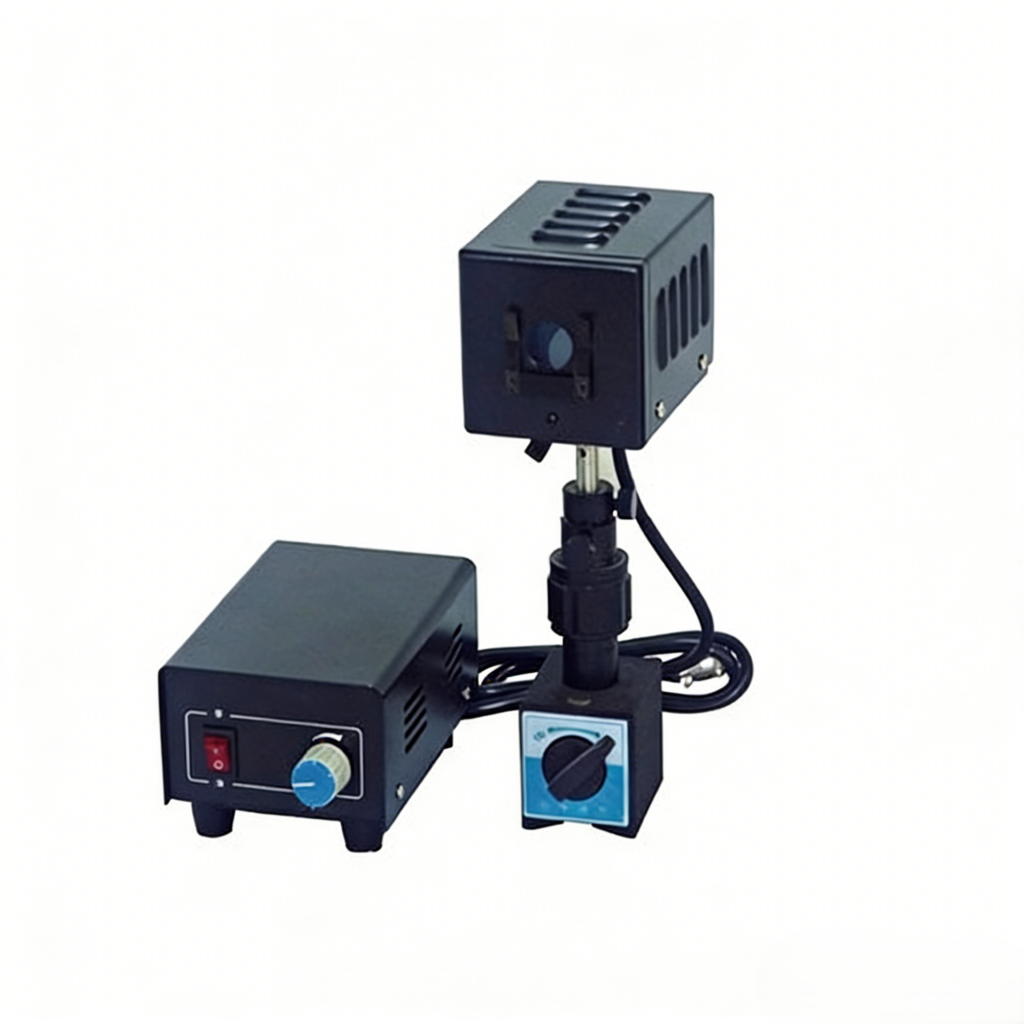
| – | Other Supporting Accessories | Ground glass, beam expander, laser fixing bracket, dual-screen observation device |
Product Applications
Academic Research: Ideal for researchers in materials science, optics, and related fields to conduct in-depth studies on the piezoelectric properties of piezoelectric ceramics, providing accurate experimental data for scientific research projects.
Laboratory Teaching: Suitable for universities, technical colleges, and research institutions to carry out experimental teaching activities. It helps students deepen their understanding of Michelson interferometry principles, piezoelectric effects, and micro-displacement measurement technologies, improving their practical operational capabilities.
Technical Development & Testing: Can be used in the R&D and testing processes of piezoelectric ceramic-related products, assisting enterprises and research institutions in evaluating product performance and optimizing product design.
Important Notes
The above configurations and parameters are for reference only. The final specifications shall be subject to the product packing list.
In case of minor adjustments to product configurations, they will be implemented in accordance with industry practices without separate notice.
All core technical indicators of the product comply with international general experimental instrument standards, ensuring high measurement accuracy and operational safety.
If you’re interested, have any questions, or have specific customization requirements, please feel free to contact us at inquiry@atomfair.com.
The Atomfair-PZT-261 instrument incorporates a He-Ne laser (632.8 nm, 1.5 mW) requiring strict eye safety measures. The piezoelectric drive operates up to 150 V DC, demanding electrical grounding and isolation for safe use.
- Laser safety: Direct exposure to the He-Ne laser beam at 632.8 nm and 1.5 mW can cause retinal injury; enclose the beam path during operation.
- Electrical safety: The piezoelectric ceramic driver delivers voltages from 10 V to 150 V; use only grounded power connections and avoid contact with exposed terminals.
- Mechanical travel limit: The moving mirror travel range of 1.25 mm sets an upper limit on the measurable displacement; do not attempt to exceed this mechanical travel.
- Measurement resolution: The micromotion measurement division value of 0.0005 mm defines the smallest resolvable displacement; ensure vibration isolation to achieve this resolution.
- Accuracy conditions: The wavelength measurement accuracy of relative error <2% when fringe count is 100 applies only under stable optical alignment and temperature conditions.
How does the Atomfair-PZT-261 achieve micro-displacement measurement with a division value of 0.0005 mm over a 1.25 mm travel range?
The instrument uses a Michelson interferometer with a 632.8 nm He-Ne laser to count interference fringes as the moving mirror travels up to 1.25 mm. The micromotion measurement division value is equivalent to 0.0005 mm, and at a fringe count of 100, the wavelength measurement accuracy yields a relative error of less than 2%. This high resolution is derived from the laser wavelength and precise fringe counting, not from a mechanical scale.
What drive voltage range is required for the piezoelectric ceramic in the Atomfair-PZT-261, and does it comply with international standards?
The piezoelectric ceramic and drive cabinet operate over a voltage range of 10 V to 150 V, which is compliant with international universal voltage adaptation standards. This range supports a variety of piezoelectric ceramic samples for characterization. The drive cabinet is included as part of the instrument system, ensuring direct compatibility.
What optical quality constraints are specified for the beam splitter and compensation plate in the Atomfair-PZT-261, and why are they critical?
The beam splitter and compensation plate must have a flatness ≤ 1/20λ (where λ is 632.8 nm). This tight tolerance minimizes wavefront distortion and maintains fringe visibility in the interferometer, which is essential for achieving the stated measurement accuracy of <2% relative error at 100 fringes. Lower flatness would introduce systematic errors in micro-displacement readings.
The Atomfair-PZT-261 integrates a Michelson interferometer with a He-Ne laser and a piezoelectric ceramic drive to enable high-resolution micro-displacement measurements, with a fringe-counting accuracy of <2% relative error at 100 fringes and a micromotion division value equivalent to 0.0005 mm. Its design supports both academic research and laboratory teaching, though it requires careful optical alignment and a stable environment to maintain measurement integrity.
Positive
- High-Resolution Micro-Displacement Measurement: The instrument achieves a micromotion division value equivalent to 0.0005 mm and a moving mirror travel range of 1.25 mm, enabling precise measurement of small displacements critical for piezoelectric characterization.
- Accurate Wavelength Measurement: With a relative error of <2% when the fringe count is 100, the system provides reliable wavelength measurement accuracy, supporting quantitative analysis of interference patterns.
Trade-offs
- Requires Stable Optical Environment: The Michelson interferometer setup is sensitive to vibrations and air currents, which can distort interference fringes and compromise measurement accuracy without proper isolation.
- Limited Drive Voltage Range: The piezoelectric drive voltage is restricted to 10V–150V, which may not cover all ceramic materials or operating regimes, potentially limiting the range of testable samples.
Every advanced material, component, equipment, and instrument in our catalog is backed by rigorous testing. We maintain strict internal quality management frameworks and align with CE conformity metrics to deliver transparent, reproducible performance data via our public open-science repository.
To request raw batch performance data, submit formal vendor registration paperwork, or execute a fast-turnaround R&D manufacturing loop, contact us at inquiry@atomfair.com.
Item is dispatched under the Atomfair Shipping & Delivery Framework (Free worldwide shipping on orders over $59 USD excl. heavy equipment). Return is governed by the Atomfair Return & Refund Policy (7-day technical return window).