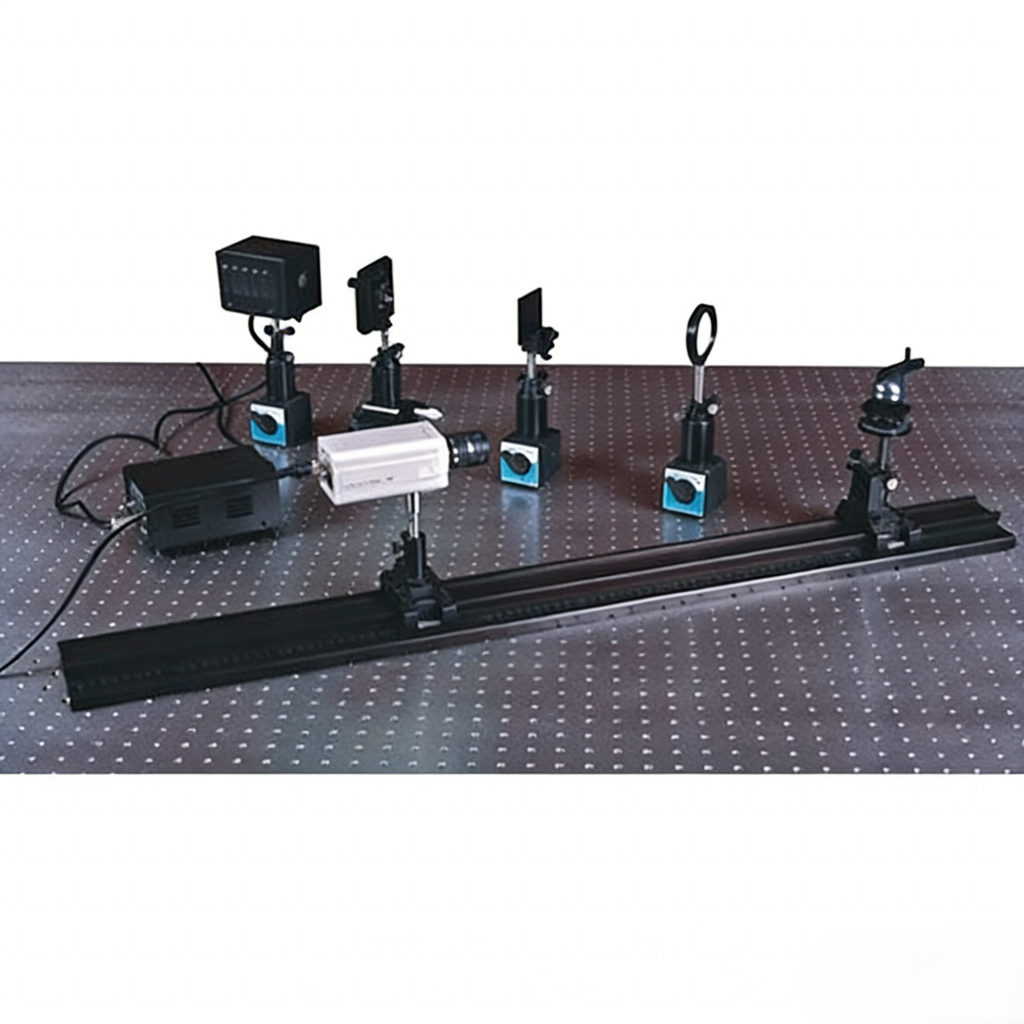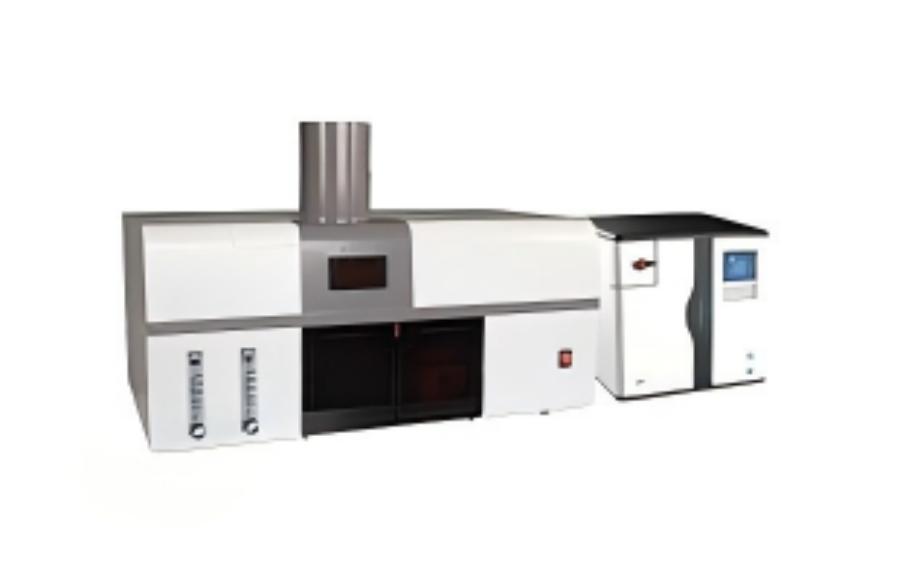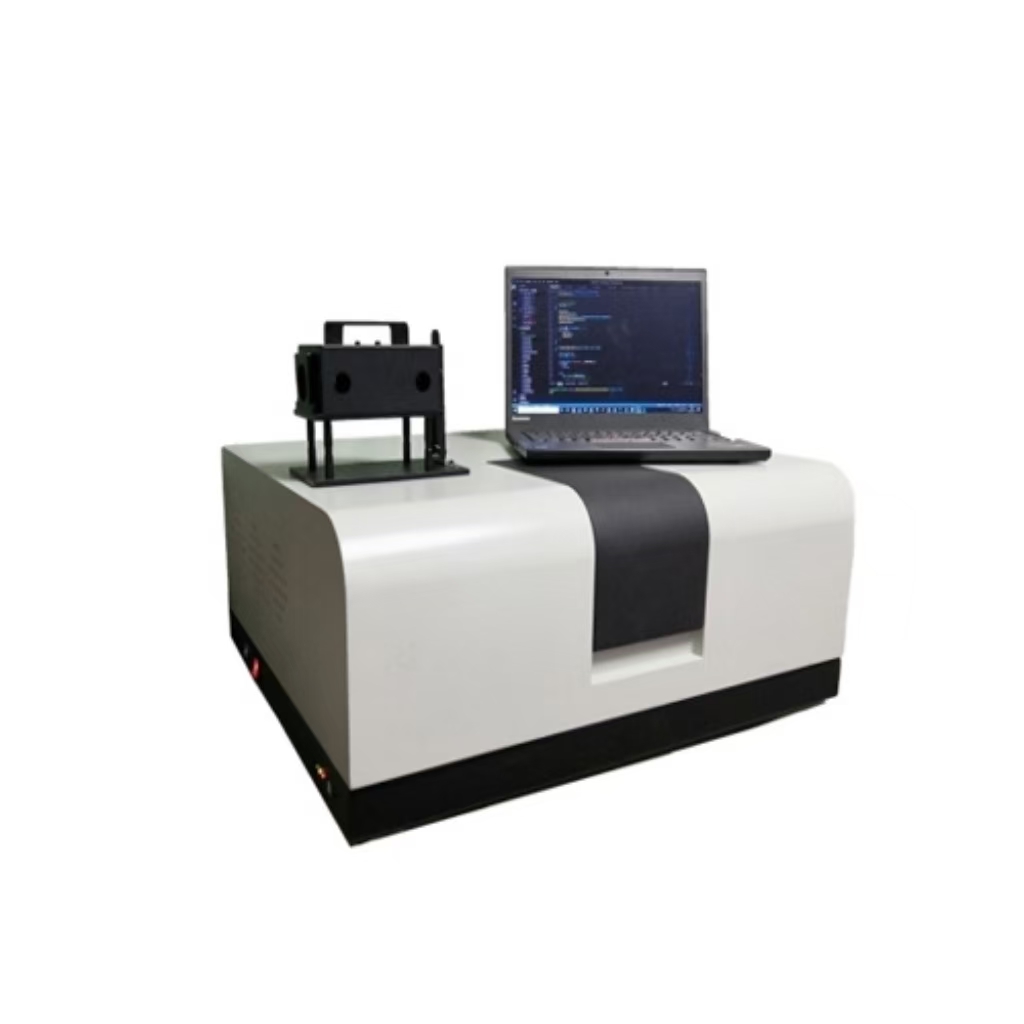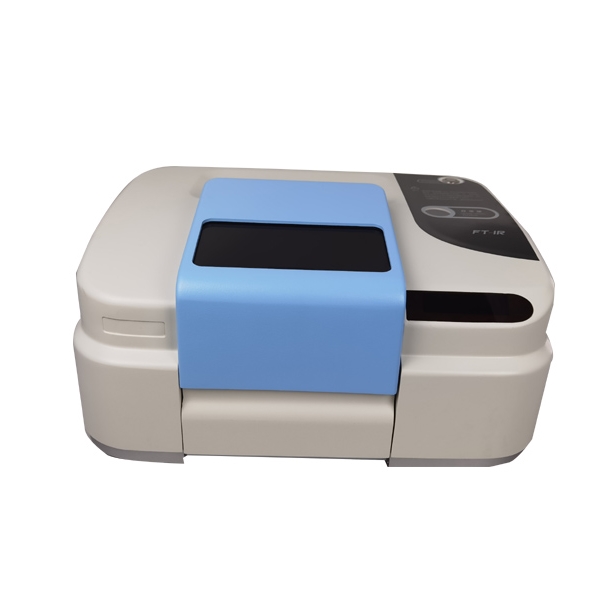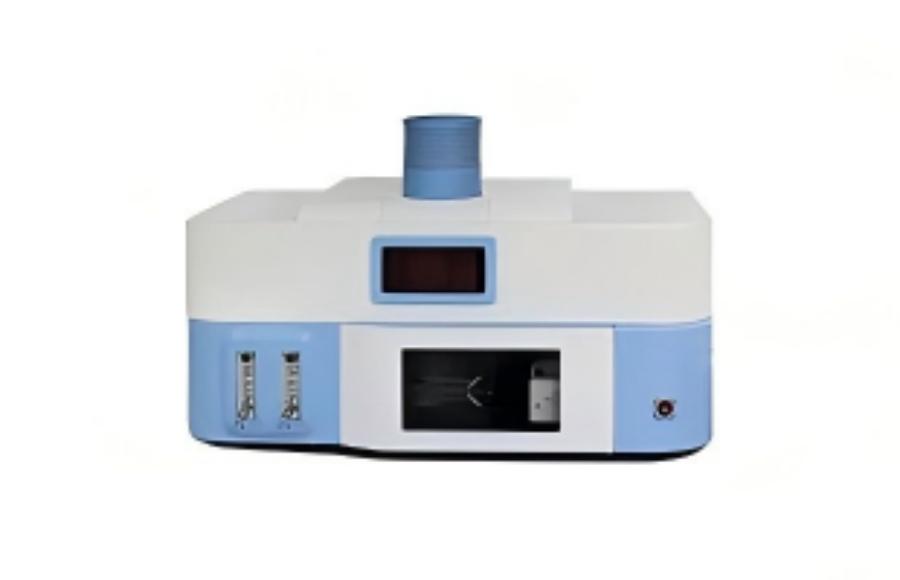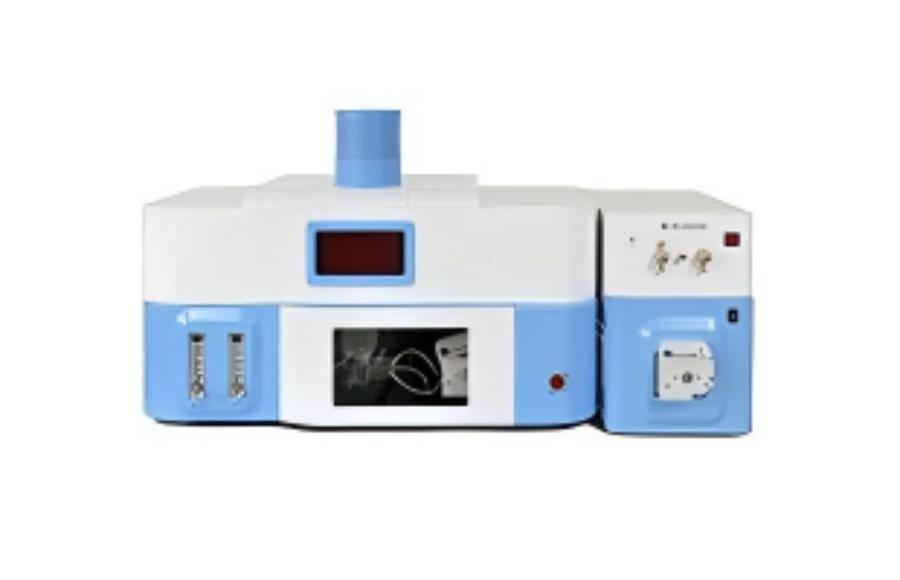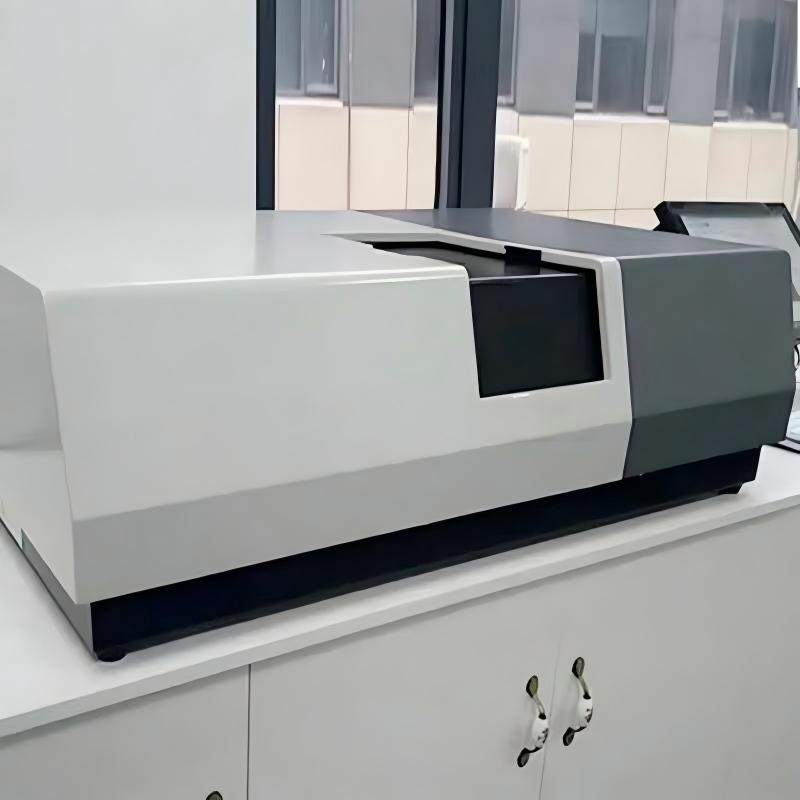
Atomfair Architectural Glass Shading Coefficient Tester
Product Overview
Atomfair Architectural Glass Shading Coefficient Tester is a professional testing equipment developed in accordance with international general standards, specifically designed for the detection of optical and thermal properties of architectural glass, focusing on the accurate determination of core parameters such as shading coefficient and visible light transmittance. Covering the full ultraviolet-visible-near infrared band, the equipment supports multiple measurement methods including transmission and reflection, widely used in glass production quality inspection, construction engineering acceptance, green building energy conservation evaluation and other fields. The test data complies with international general specifications, providing reliable support for material performance control.
Core Functions
- Precise Multi-Parameter Detection: Can measure key indicators such as shading coefficient, visible light transmittance, direct solar transmittance, total solar transmittance and ultraviolet transmittance;
- Full-Waveband Scanning Analysis: Covers 300nm-2500nm wavelength range, supports multi-level sampling interval adjustment to adapt to different precision detection needs;
- Flexible Multi-Mode Measurement: Supports four working modes (transmittance, reflectance, spectral energy, absorbance) to meet the detection needs of different scenarios;
- Stable Data Output: Equipped with high-sensitivity receiver, excellent photometric stability, accurate and reliable test results, which can be directly used for data archiving and report generation.
Technical Parameters (International Standard)
| Item | Specification |
|---|---|
| Wavelength Range | 300nm-2500nm |
| Wavelength Accuracy | ±1nm (Vis band); ±2nm (Nir band) |
| Wavelength Repeatability | ≤0.5nm (Vis band); ≤1nm (Nir band) |
| Spectral Bandwidth | 2nm |
| Photometric Accuracy | 0.3T% |
| Photometric Repeatability | ≤0.2% |
| Photometric Range | 0-3A |
| Sampling Interval | 0.1nm, 0.2nm, 0.5nm, 1nm, 2nm, 5nm, 10nm (multi-level adjustable) |
| Stray Light | 0.2%T |
| Stability | ±0.002A/hr@500nm, 0A |
| Working Modes | Transmittance, Reflectance, Spectral Energy, Absorbance |
| Grating Configuration | 1200L/mm (UV/Vis band); 300L/mm (Nir band) |
| Measurement Modes | Transmission, Reflection |
| Receiver | PMT (Vis band), PbS (Nir band) |
| Dimensions | 550mm×450mm×240mm |
Product Features
- International Standard Adaptation: Fully follows international general testing logic and technical specifications, no national standard-related expressions, adapting to global multi-region usage scenarios;
- Excellent Detection Precision: Outstanding wavelength and photometric performance, strict control of stray light, data reliability comparable to international high-end equipment;
- Easy & Flexible Operation: Multi-level sampling interval and multiple working modes optional, no complex professional training required, low entry barrier;
- Wide Application Scenarios: Specifically designed for architectural glass testing, adapting to various samples such as flat glass, coated glass and energy-saving glass, balancing industrial quality inspection and engineering acceptance;
- Compact & Practical Structure: Small size, small space occupation, convenient for laboratory placement and mobile use, stable and durable operation.
If you’re interested, have any questions, or have specific customization requirements, please feel free to contact us at inquiry@atomfair.com.
This document outlines the environmental and operational constraints for the Atomfair Architectural Glass Shading Coefficient Tester. Adherence to these constraints is required for accurate and reliable measurement of optical and thermal properties.
- Environmental Stability Requirement: The instrument's photometric stability of ±0.002A/hr@500nm requires a stable ambient temperature and humidity, free from vibration and direct sunlight, to prevent measurement drift.
- Sample Surface Condition: Test samples must be clean, flat, and free of surface contaminants or coatings that could alter the measured transmittance or reflectance values.
- Wavelength Calibration Verification: Periodic verification of wavelength accuracy (within ±1nm Vis, ±2nm NIR) is necessary to maintain the integrity of spectral data, especially when switching between grating configurations.
- Detector Selection Protocol: The correct detector (PMT for Vis, PbS for NIR) must be selected for the measurement band to ensure photometric accuracy and avoid signal saturation or noise.
This procedure describes the steps to perform a standard transmittance measurement using the Atomfair tester. It covers initial setup, baseline calibration, and sample measurement to obtain reliable data.
Required Equipment: Atomfair Architectural Glass Shading Coefficient Tester, Clean, flat glass sample
- Power On and Warm Up
Turn on the instrument and allow it to warm up for at least 30 minutes to stabilize the light source and detectors. - Set Measurement Parameters
Select the appropriate working mode (e.g., Transmittance), set the wavelength range (300-2500nm), and choose the desired sampling interval (e.g., 5nm) via the software. - Perform Baseline Calibration
Place no sample in the beam path and run a baseline calibration to establish a 100% transmittance reference. - Measure the Sample
Place the clean glass sample in the sample holder, ensuring it is perpendicular to the beam, and initiate the measurement. - Record and Verify Data
Record the displayed transmittance values and verify the data for stability and consistency before saving or exporting the results.
What is the significance of the dual grating configuration (1200 L/mm and 300 L/mm) in the 300–2500 nm range for glass shading coefficient testing?
The dual grating configuration optimizes resolution across the full UV-Vis-NIR spectrum: the 1200 L/mm grating covers 300–1100 nm for high spectral resolution in the visible band, while the 300 L/mm grating covers 1100–2500 nm for efficient near-infrared measurement. The spectral bandwidth is maintained at 2 nm, with wavelength accuracy of ±1 nm in the Vis band and ±2 nm in the NIR band, ensuring precise determination of solar transmittance parameters critical for shading coefficient calculation.
Can this tester measure reflection for assessing solar reflectance of coated glass used in energy-efficient buildings?
Yes. The instrument includes a reflectance working mode and supports reflection measurement, enabling direct measurement of solar reflectance from coated and energy-saving glass. Combined with the transmission mode, it can compute total solar transmittance and shading coefficient, which are essential for green building energy performance evaluation.
How does the instrument handle stray light to ensure accurate measurements near the visible-NIR detection crossover?
The stray light level is specified at 0.2%T, which minimizes errors especially at the transition between the PMT (Vis band) and PbS (NIR band) detectors. This controlled stray light, combined with independent detector optimization for each band, ensures continuity and photometric accuracy across the full 300–2500 nm range.
The Atomfair Architectural Glass Shading Coefficient Tester provides full-spectrum 300–2500 nm optical characterization with dual-grating and dual-detector architecture, enabling direct measurement of shading coefficient and related solar-optical parameters for architectural glass quality control and energy-efficiency evaluation.
Positive
- Full-spectrum dual-band coverage: Covers 300–2500 nm with separate UV/Vis and NIR gratings (1200 L/mm and 300 L/mm) and matched PMT/PbS detectors, enabling complete solar-optical characterization of architectural glass in a single scan.
- Multi-mode and multi-parameter measurement: Supports transmittance, reflectance, spectral energy, and absorbance modes with selectable sampling intervals from 0.1 to 10 nm, allowing flexible adaptation to different precision requirements and sample types such as coated or energy-saving glass.
Trade-offs
- NIR wavelength accuracy trade-off: Wavelength accuracy is ±1 nm in the visible band but relaxes to ±2 nm in the NIR region, which may affect the precision of solar transmittance calculations in the near-infrared range.
- Sample size and handling constraints: The compact 550×450×240 mm footprint limits the maximum sample dimensions that can be tested, and the instrument requires careful sample preparation and handling to maintain measurement repeatability.
Every advanced material, component, equipment, and instrument in our catalog is backed by rigorous testing. We maintain strict internal quality management frameworks and align with CE conformity metrics to deliver transparent, reproducible performance data via our public open-science repository.
To request raw batch performance data, submit formal vendor registration paperwork, or execute a fast-turnaround R&D manufacturing loop, contact us at inquiry@atomfair.com.
Item is dispatched under the Atomfair Shipping & Delivery Framework (Free worldwide shipping on orders over $59 USD excl. heavy equipment). Return is governed by the Atomfair Return & Refund Policy (7-day technical return window).