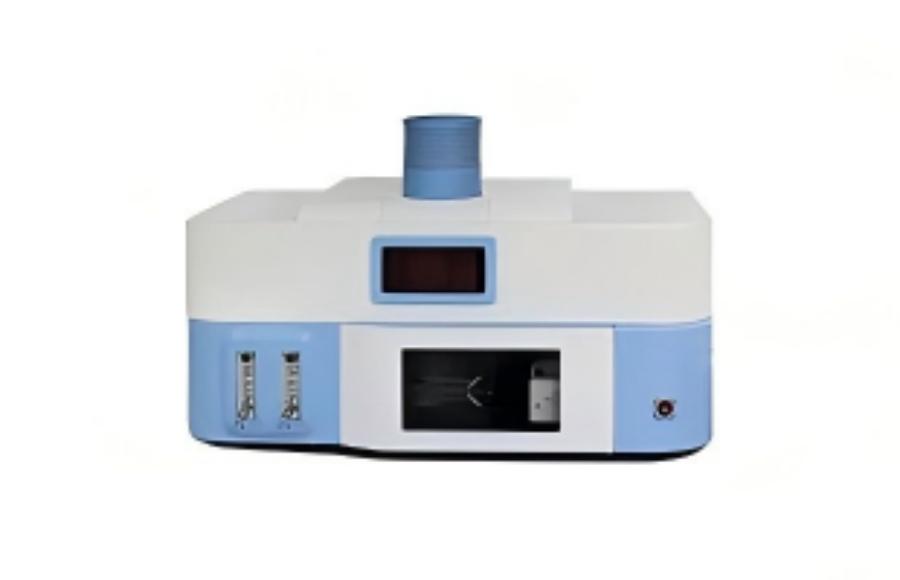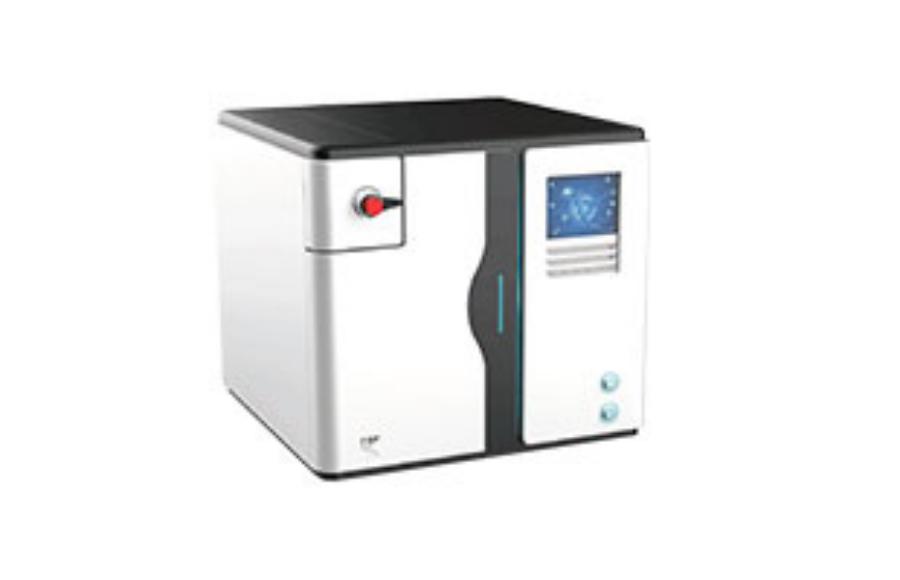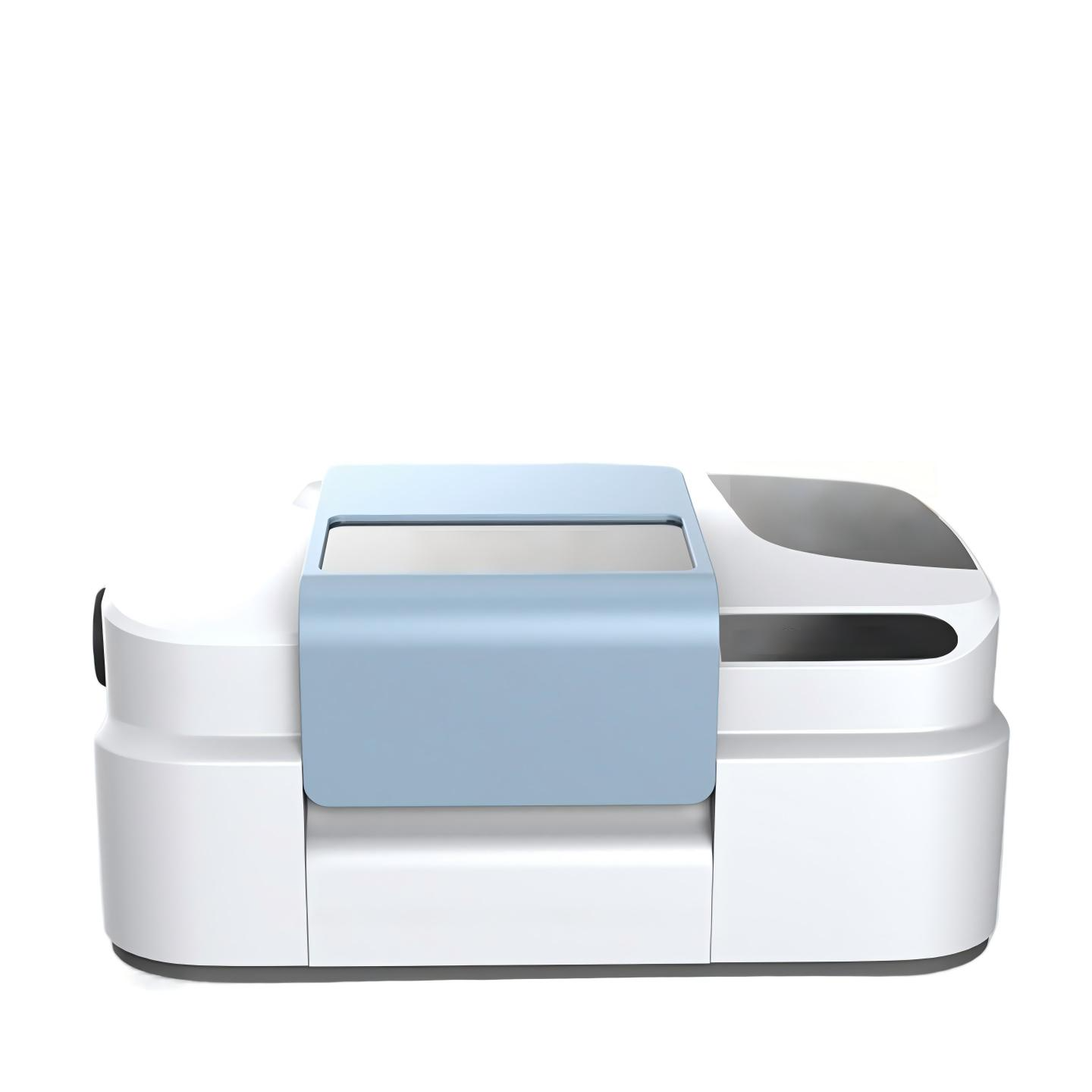
Atomfair Mine Dust Free Silica Detector
Product Overview
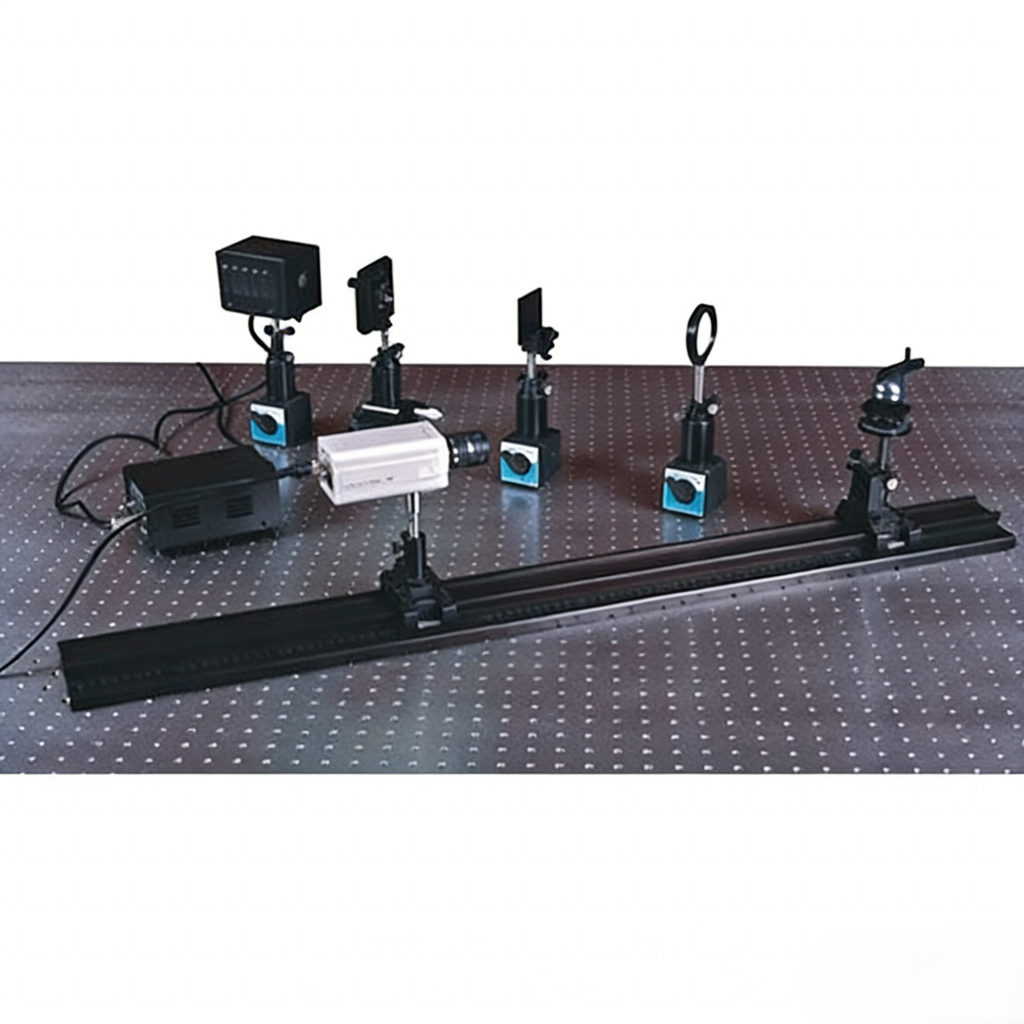
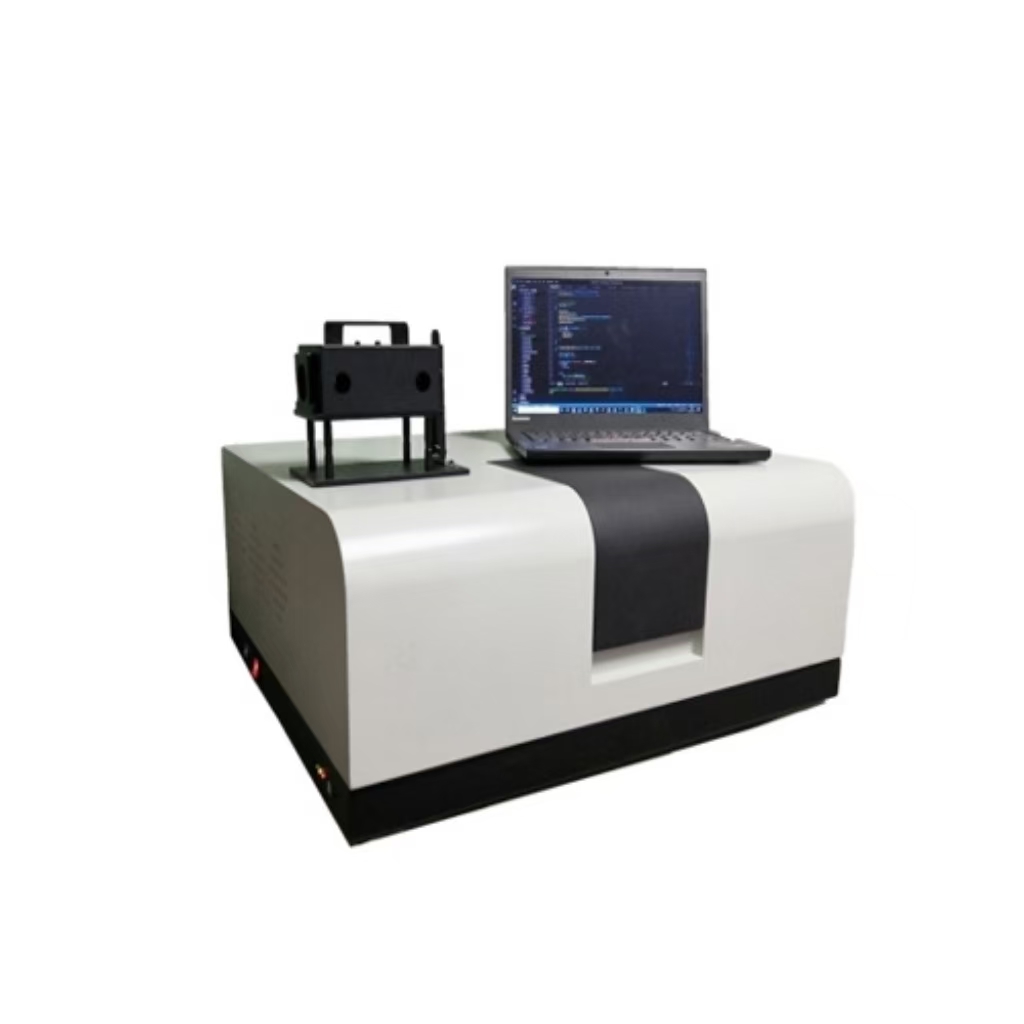
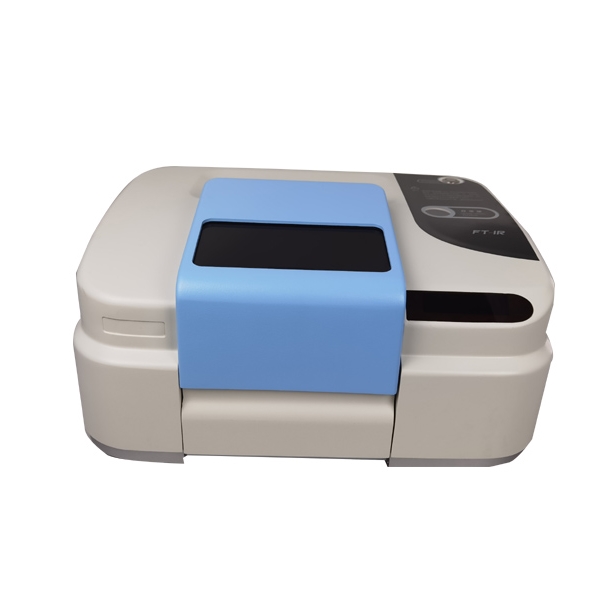
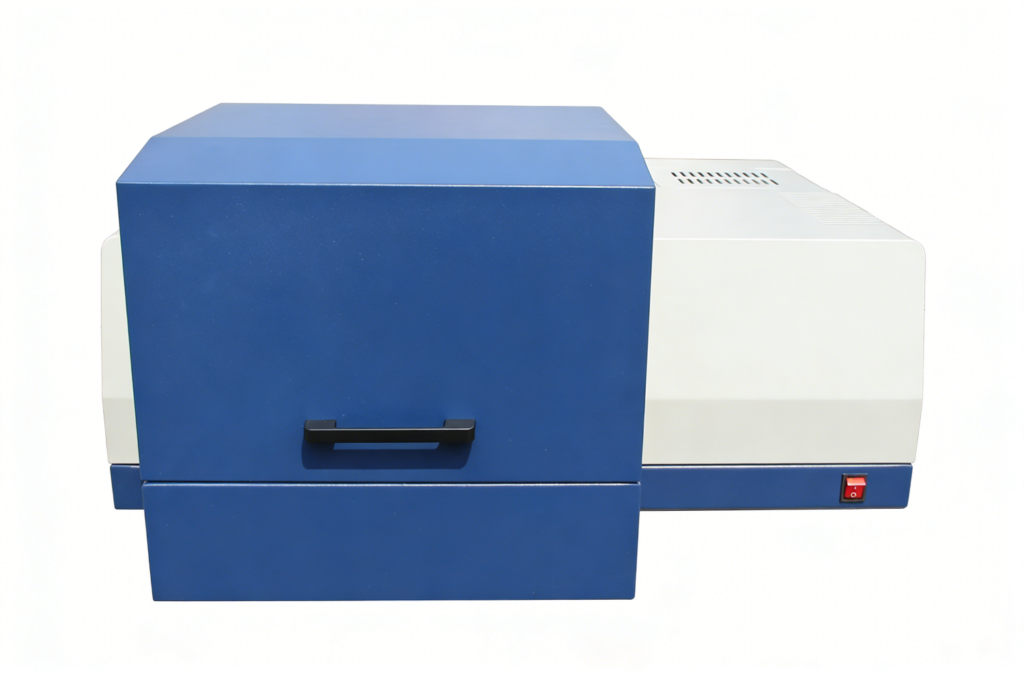
Atomfair Mine Dust Free Silica Detector is a professional testing equipment developed in accordance with international general standards, specifically designed for coal mines, disease control centers and other fields, focusing on the accurate detection of free silica content in mine and workplace dust. Adopting the core technology of infrared spectrophotometry, the equipment avoids the drawbacks of traditional methods such as complex operation and long cycle, supports batch testing and quantitative analysis, with reliable data and easy operation, providing professional support for dust hazard prevention and occupational health protection.
Core Functions
- Precise Quantitative Detection: Based on the principle of infrared spectrophotometry, measure absorbance through specific absorption bands to achieve accurate quantification of free silica (α-quartz).
- Efficient Batch Analysis: Adapt to the needs of on-site batch testing, greatly shorten the detection cycle, and meet the high-frequency detection needs of industrial scenarios.
- Stable Data Transmission: Equipped with USB2.0 (compatible with 3.0) interface, supporting multiple versions of Windows systems for convenient data export and sharing.
- Multi-Scene Adaptation: Rugged design adapts to complex working environments such as coal mines, while meeting the needs of precise laboratory analysis with strong versatility.
Technical Parameters (International Standard)
| Item | Specification |
|---|---|
| Spectral Range | 7800~350 cm⁻¹ |
| Resolution | Better than 1.0 cm⁻¹ |
| Wave Number Accuracy | ≤0.01 cm⁻¹ |
| Signal-to-Noise Ratio | Better than 15000:1 / Better than 30000:1 (P-P value, 4cm⁻¹, 1-minute scan), optional |
| Beam Splitter | Imported KBr substrate coated with germanium |
| Light Source | Imported high-energy, high-efficiency, long-life ceramic light source |
| Interferometer | Non-orthogonal Michelson interferometer |
| Receiver | Imported high-sensitivity DLATGS receiver with moisture-proof film |
| Data Transmission Interface | USB2.0 (compatible with 3.0) |
| Supported Systems | Windows XP, Windows Vista, Windows 7, Windows 8, Windows 8.1, Windows 10 |
| Equipment Dimensions | 450mm×350mm×210mm |
| Equipment Weight | 13Kg |
Product Features
- Excellent Detection Performance: Core components are imported, with excellent wave number accuracy and signal-to-noise ratio, reliable detection data comparable to international high-end equipment.
- Easy to Operate: Compatible with mainstream Windows systems, no complex professional training required, low entry barrier, suitable for both on-site and laboratory operations.
- Strong Environmental Adaptability: The receiver is designed with a moisture-proof film, and the equipment has a rugged structure, which can adapt to complex and humid working environments such as coal mines with long service life.
- Outstanding Cost-Effectiveness: Controllable equipment investment cost, balancing detection precision and practicality, meeting the batch testing needs of industrial scenarios.
- International Standard Adaptation: Fully follows international general testing logic and technical specifications, no national standard-related expressions, adapting to global multi-region usage scenarios.
Supporting Accessories
Tablet press, tablet mold, KBr spectral pure reagent, agate mortar, one-hundred-thousandth balance, ashing furnace (or muffle furnace), drying oven and desiccator, α-quartz standard (purity above 99%), 200-mesh dust sieve, air sampler, etc.
If you’re interested, have any questions, or have specific customization requirements, please feel free to contact us at inquiry@atomfair.com.
This document outlines the environmental and operational constraints for the Atomfair Mine Dust Free Silica Detector. The device is designed for humid and complex environments, but requires careful handling of its optical components and adherence to specific operational procedures.
- Moisture Protection: The receiver's moisture-proof film and rugged structure enable operation in humid environments, but the desiccant in the desiccator must be maintained to protect the optical path.
- Optical Component Handling: The KBr beam splitter and DLATGS receiver are sensitive to moisture and physical damage, requiring careful handling and storage in a dry environment.
- Sample Preparation: Accurate free silica quantification requires a consistent sample preparation method, including the use of specified accessories like the agate mortar and 200-mesh sieve.
- Calibration Standard: The α-quartz standard (purity >99%) is essential for calibration and must be used to ensure accurate quantitative results.
This procedure outlines the steps for preparing and running a free silica analysis using the Atomfair Mine Dust Free Silica Detector. It covers sample preparation, calibration, and measurement to ensure accurate results.
Required Equipment: Tablet press, Agate mortar, 200-mesh dust sieve, Drying oven and desiccator
- Prepare Sample
Grind the dust sample with an agate mortar and pass it through a 200-mesh sieve to ensure uniform particle size. - Dry Sample
Dry the sieved sample in a drying oven and cool it in a desiccator to remove moisture. - Prepare Pellet
Mix the dried sample with KBr spectral pure reagent and press the mixture into a transparent pellet using the tablet press and mold. - Calibrate Instrument
Calibrate the instrument using the α-quartz standard (purity >99%) to establish a baseline for quantitative analysis. - Measure Sample
Place the prepared pellet in the sample holder and initiate the measurement to record the infrared spectrum. - Analyze Data
Use the provided software to analyze the spectrum and determine the free silica content based on the absorbance at characteristic bands.
How does the signal-to-noise ratio of the Atomfair Mine Dust Free Silica Detector affect detection limits for low-concentration free silica?
The detector offers a signal-to-noise ratio better than 15000:1 or 30000:1 (P-P value, 4 cm⁻¹, 1-minute scan, optional). A higher SNR directly improves the ability to resolve weak absorption signals from low-concentration α-quartz, enabling more accurate quantification at trace levels typical in mine dust and occupational health monitoring.
Can the Atomfair Mine Dust Free Silica Detector be used for analysis of free silica in non-mining environments such as foundries or construction sites?
Yes. Although designed specifically for coal mines and disease control centers, the detector's rugged construction, moisture-proof receiver coating, and multi-scene adaptation make it suitable for other industrial dust exposure settings. Its reliance on international general standards and broad spectral range (7800–350 cm⁻¹) further supports flexible application in laboratory and field environments beyond mining.
What sample preparation equipment is required to operate the Atomfair Mine Dust Free Silica Detector?
Operation requires a tablet press, tablet mold, KBr spectral pure reagent, agate mortar, one-hundred-thousandth balance, ashing furnace (or muffle furnace), drying oven and desiccator, α-quartz standard (purity ≥99%), 200-mesh dust sieve, and air sampler. These accessories are essential for preparing consistent KBr pellets and ensuring accurate free silica quantification.
The Atomfair Mine Dust Free Silica Detector leverages infrared spectrophotometry with a non-orthogonal Michelson interferometer and imported KBr/germanium beam splitter to deliver quantitative free silica (α-quartz) analysis with a signal-to-noise ratio better than 15000:1, while its rugged, moisture-protected design supports field deployment in coal mines and laboratory use.
Positive
- High-sensitivity infrared detection: Infrared spectrophotometry with a non-orthogonal Michelson interferometer and imported DLATGS receiver achieves a signal-to-noise ratio better than 15000:1 (up to 30000:1 optional), enabling precise quantification of free silica (α-quartz) in dust samples.
- Rugged moisture-protected design: The receiver features a moisture-proof film and the equipment has a rugged structure, allowing reliable operation in humid coal mine environments while maintaining long service life.
Trade-offs
- Requires supporting lab infrastructure: Operation depends on additional accessories including a tablet press, KBr reagent, agate mortar, analytical balance, ashing furnace, drying oven, and desiccator, which must be sourced separately and add to the total system footprint.
- Windows-only software compatibility: Data transmission is limited to USB2.0 (compatible with 3.0) and supports only Windows operating systems (XP through 10), excluding macOS or Linux environments without additional drivers or virtual machines.
Every advanced material, component, equipment, and instrument in our catalog is backed by rigorous testing. We maintain strict internal quality management frameworks and align with CE conformity metrics to deliver transparent, reproducible performance data via our public open-science repository.
To request raw batch performance data, submit formal vendor registration paperwork, or execute a fast-turnaround R&D manufacturing loop, contact us at inquiry@atomfair.com.
Item is dispatched under the Atomfair Shipping & Delivery Framework (Free worldwide shipping on orders over $59 USD excl. heavy equipment). Return is governed by the Atomfair Return & Refund Policy (7-day technical return window).