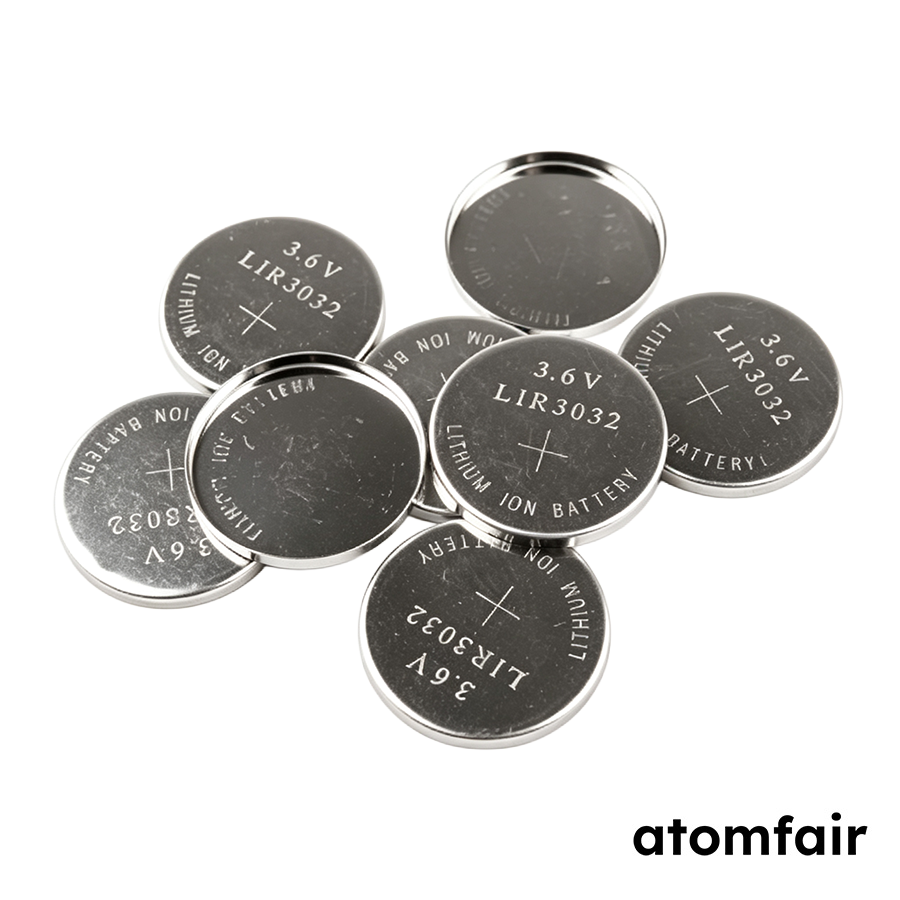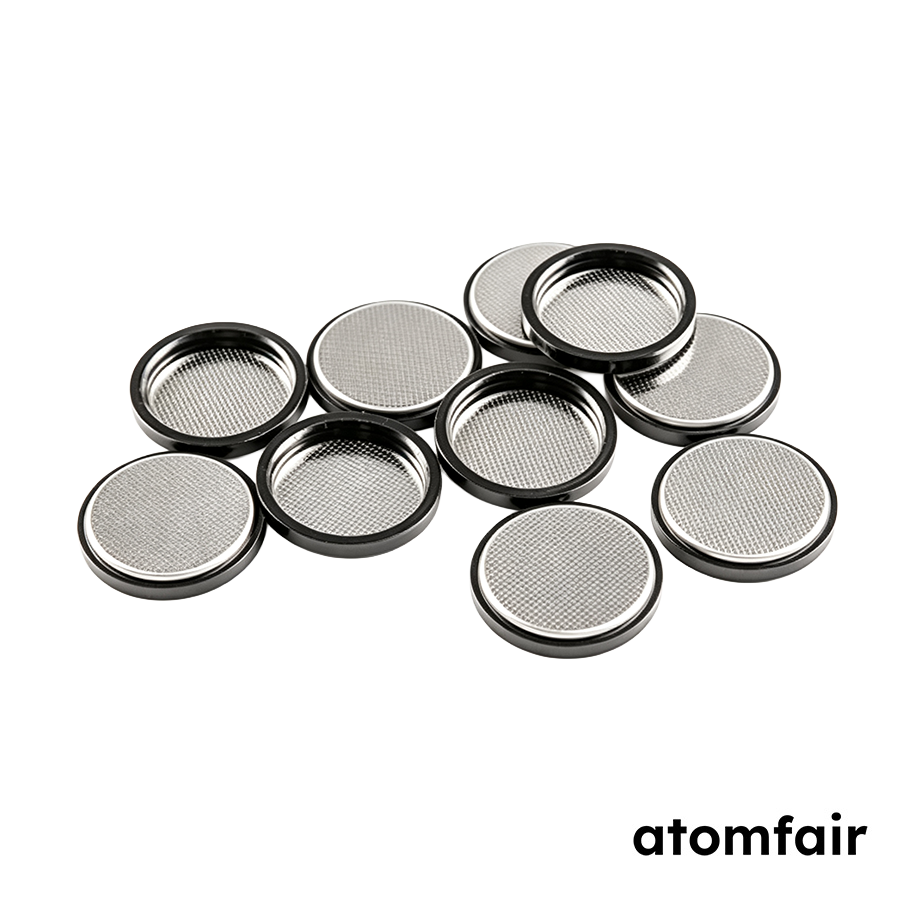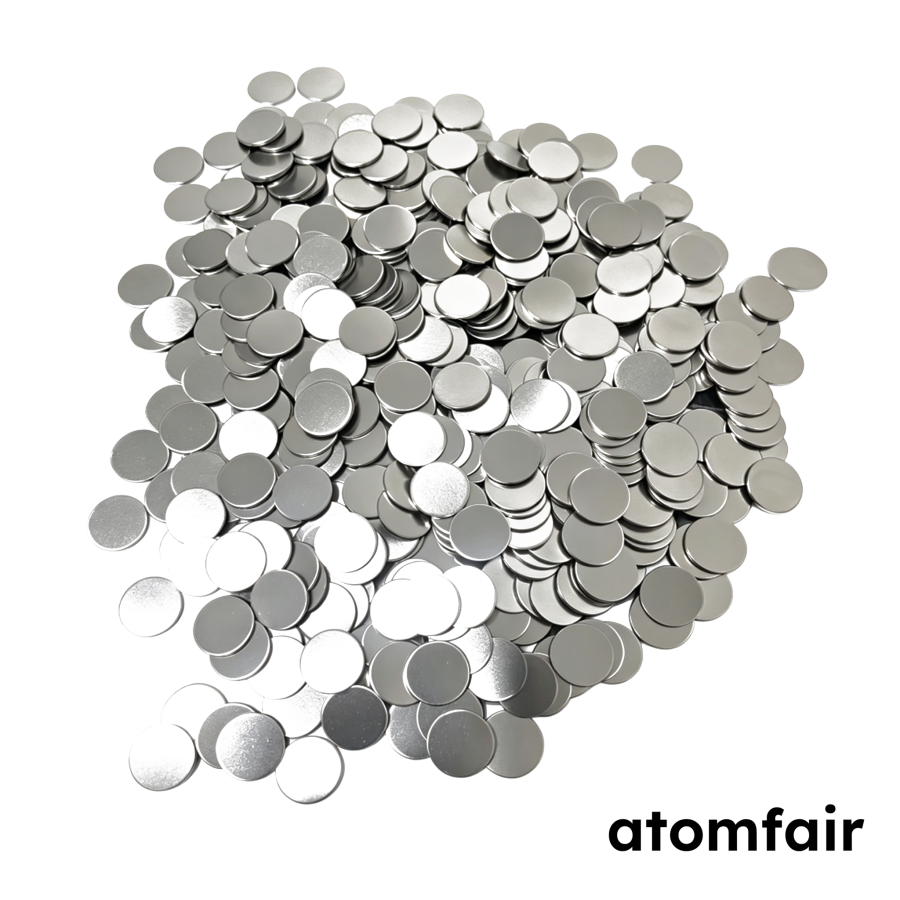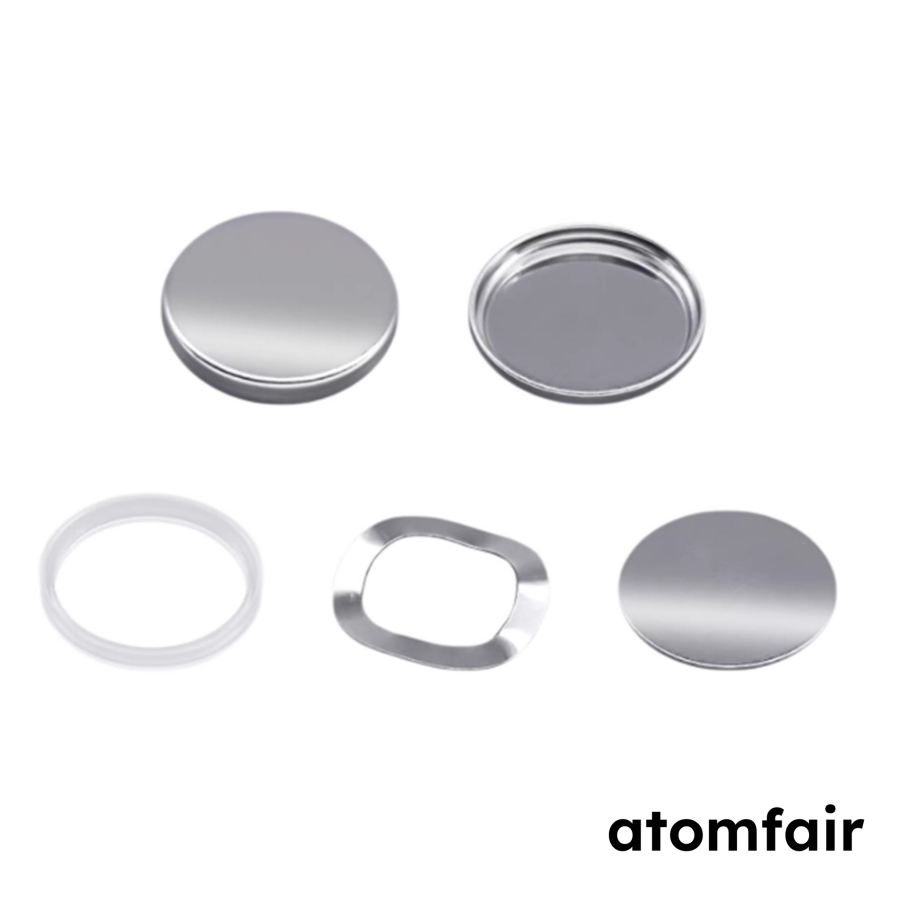
ATOMFAIR CR2016 316L/304 STAINLESS STEEL COIN CELL CASE SETRESEARCH GRADE MATERIAL
|
||||||||||||||||||||||||||||||||||||||||||||||||||||||||||||||||||||||||||||||||||||||||||||||||||||||||||||||||||||||||||||||
Important Note: Default accompanying accessories are made of 304 stainless steel. For accessories made of other materials, please email for customization.
|
||||||||||||||||||||||||||||||||||||||||||||||||||||||||||||||||||||||||||||||||||||||||||||||||||||||||||||||||||||||||||||||
|
TAILORED SOLUTIONS FOR RESEARCH
Contact our engineering team for technical support or official institutional quotations.
EMAIL: INQUIRY@ATOMFAIR.COM
|
||||||||||||||||||||||||||||||||||||||||||||||||||||||||||||||||||||||||||||||||||||||||||||||||||||||||||||||||||||||||||||||
|
Manufacturer: Atomfair LLC
Brand: ATOMFAIR®
|
This coin cell case set requires strict adherence to sealing pressure and temperature limits to ensure safe electrochemical testing. Electrochemical compatibility is verified within a -0.5V to 5.0V window to avoid side reactions.
- Dimensional Tolerance: All component dimensions are held within ±0.02 mm to ensure uniform stacking pressure and prevent assembly gaps.
- Sealing Pressure Requirements: 304SS cases require a minimum sealing pressure of 5 MPa, while 316LSS cases require ≥6 MPa to maintain cell integrity.
- Operating Temperature Range: 304SS cases are rated for -40°C to 120°C, and 316LSS cases for -40°C to 150°C to avoid material failure.
- Electrochemical Compatibility: Materials are electrochemically stable within -0.5V to 5.0V to prevent side reactions with battery electrolytes.
- Contamination Control: Cases are supplied oil-free, burr-free, and impurity-free for direct use in glovebox assembly without additional cleaning.
What are the performance trade-offs between 304 stainless steel and 316L stainless steel for CR2016 coin cell cases in battery research?
The primary trade-off is between cost and corrosion/thermal performance. The 304SS cases offer sealing pressure ≥5 MPa and operating temperature range -40°C to 120°C, suitable for conventional Li-ion and Na-ion batteries. The 316L cases provide higher sealing pressure ≥6 MPa, extended operating temperature up to 150°C, and superior resistance to sulfide and chloride ion corrosion, making them preferred for sulfide solid-state batteries, high-voltage systems (>4.5 V), and long-term cycling tests in highly corrosive environments.
Can the ATOMFAIR CR2016 coin cell case set be used for sulfide solid-state battery research?
Yes, but only with the 316L stainless steel variant. The product description specifies the 316L material for sulfide solid-state batteries due to its sulfide/chloride ion corrosion resistance and higher operating temperature (up to 150°C). The 304SS variant is recommended for conventional lithium-ion and sodium-ion systems and is not explicitly validated for sulfide-containing electrolytes. All variants are electrochemically verified within -0.5 V to 5.0 V to avoid side reactions.
What infrastructure is required for handling and assembling ATOMFAIR CR2016 coin cell cases in a laboratory setting?
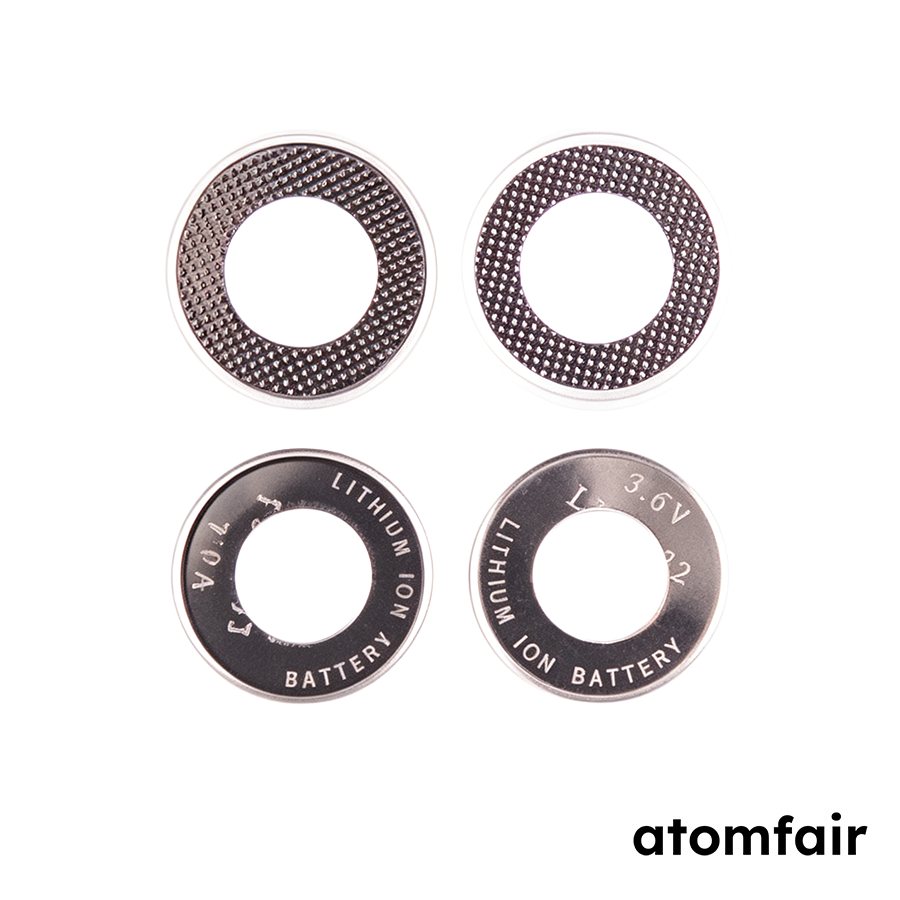
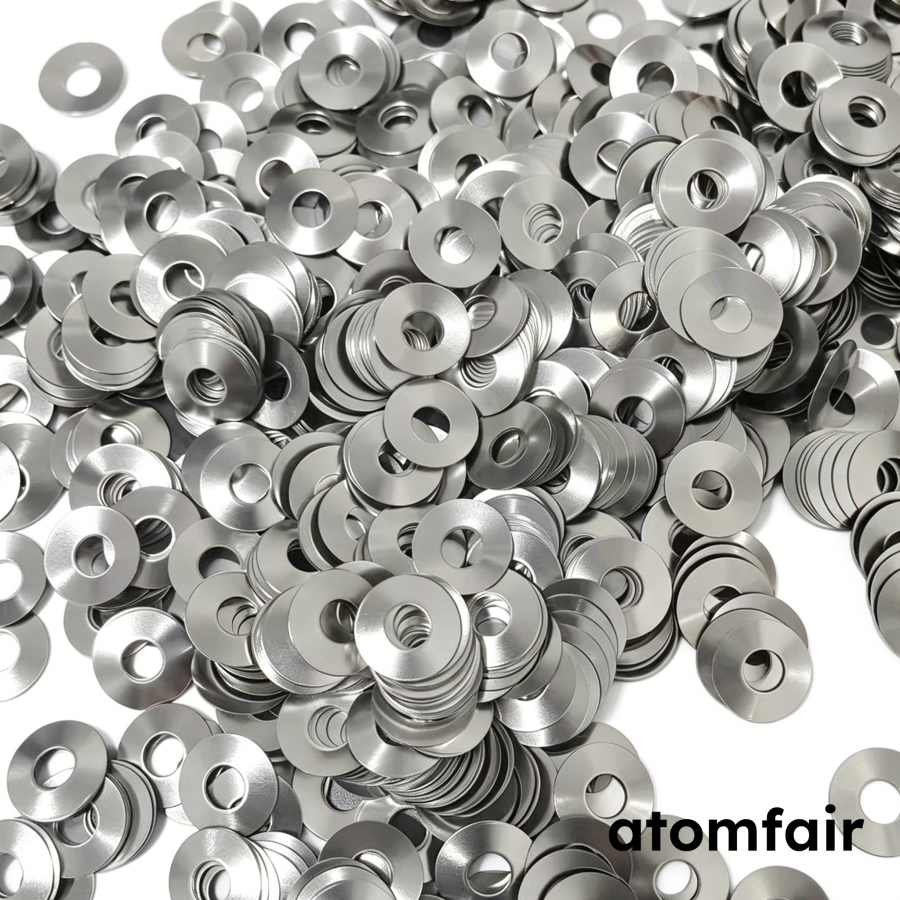
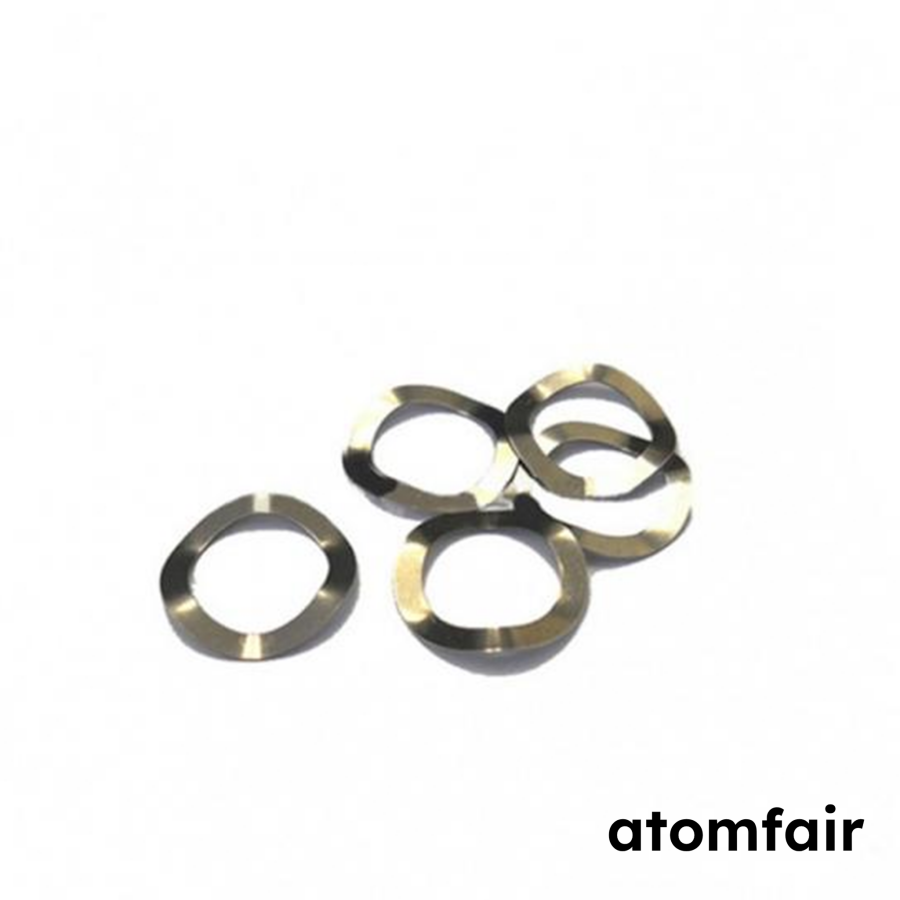
The cases are shipped oil-free, burr-free, and impurity-free, enabling direct assembly inside an inert-atmosphere glovebox without pre-cleaning. Each set includes cases, spacers (Φ15.8 × 0.5 mm), and springs (Φ15.4 × 1.1 mm), all with dimensional tolerance ±0.02 mm to ensure consistent sealing. Standard packaging is 1000 sets/pack, and no special storage beyond a dry, contaminant-free environment is required based on the stated operating temperature range of -40°C to 120°C (304SS) or -40°C to 150°C (316L).
This CR2016 coin cell case set offers 304 and 316L stainless steel variants with ±0.02 mm dimensional tolerance and verified electrochemical inertness from -0.5 V to 5.0 V. Material selection is critical for corrosive systems, and the included wave spring's 5–30 N clamping force may limit electrode thickness versatility.
Positive
- High-precision dimensional tolerance control: All components are machined to ±0.02 mm tolerance, ensuring consistent assembly and eliminating uneven pressure distribution across batches.
- Electrochemically verified material compatibility: Cases and accessories have been tested via constant potential polarization and cyclic voltammetry to confirm no side reactions within -0.5 V to 5.0 V, preserving test accuracy.
Trade-offs
- Material selection critical for corrosive systems: Default 304 stainless steel may suffer corrosion in sulfide solid-state, high-voltage (>4.5 V), or highly acidic/alkaline electrolytes; 316L or coated variants must be sourced via custom order.
- Fixed spring force range limits electrode thickness versatility: The included wave spring provides 5–30 N clamping force, which may not be optimal for very thin or very thick electrodes; alternative spring types require custom request.
Every advanced material, component, equipment, and instrument in our catalog is backed by rigorous testing. We maintain strict internal quality management frameworks and align with CE conformity metrics to deliver transparent, reproducible performance data via our public open-science repository.
To request raw batch performance data, submit formal vendor registration paperwork, or execute a fast-turnaround R&D manufacturing loop, contact us at inquiry@atomfair.com.
Item is dispatched under the Atomfair Shipping & Delivery Framework (Free worldwide shipping on orders over $59 USD excl. heavy equipment). Return is governed by the Atomfair Return & Refund Policy (7-day technical return window).