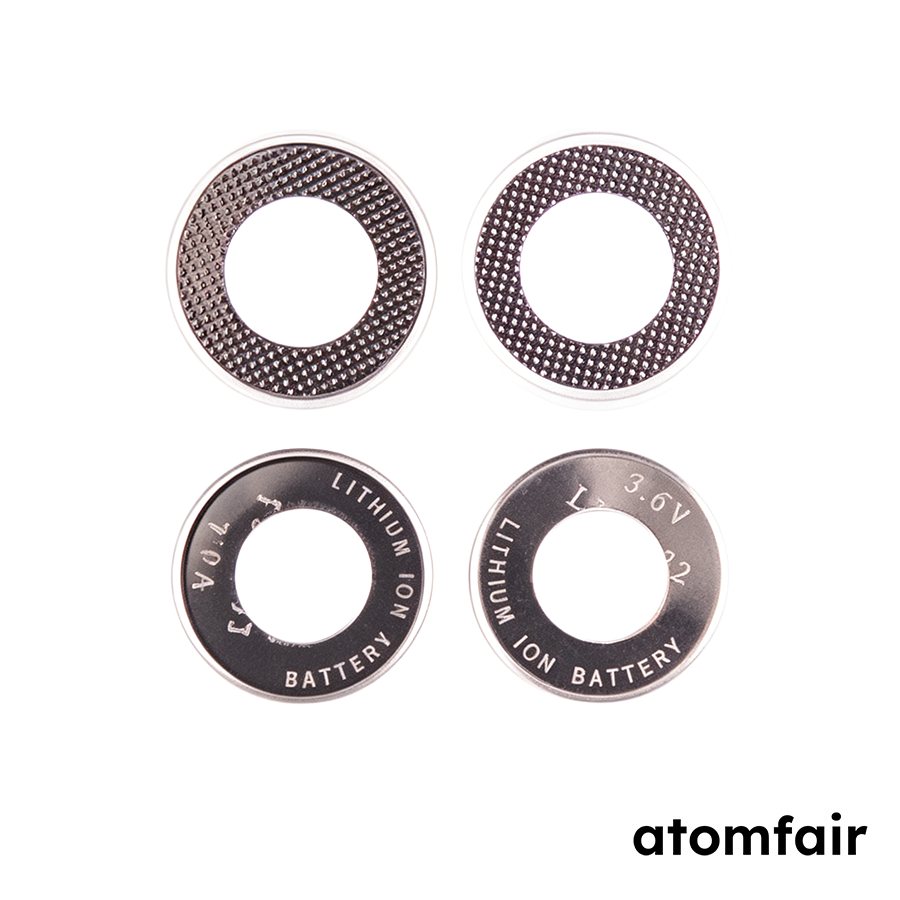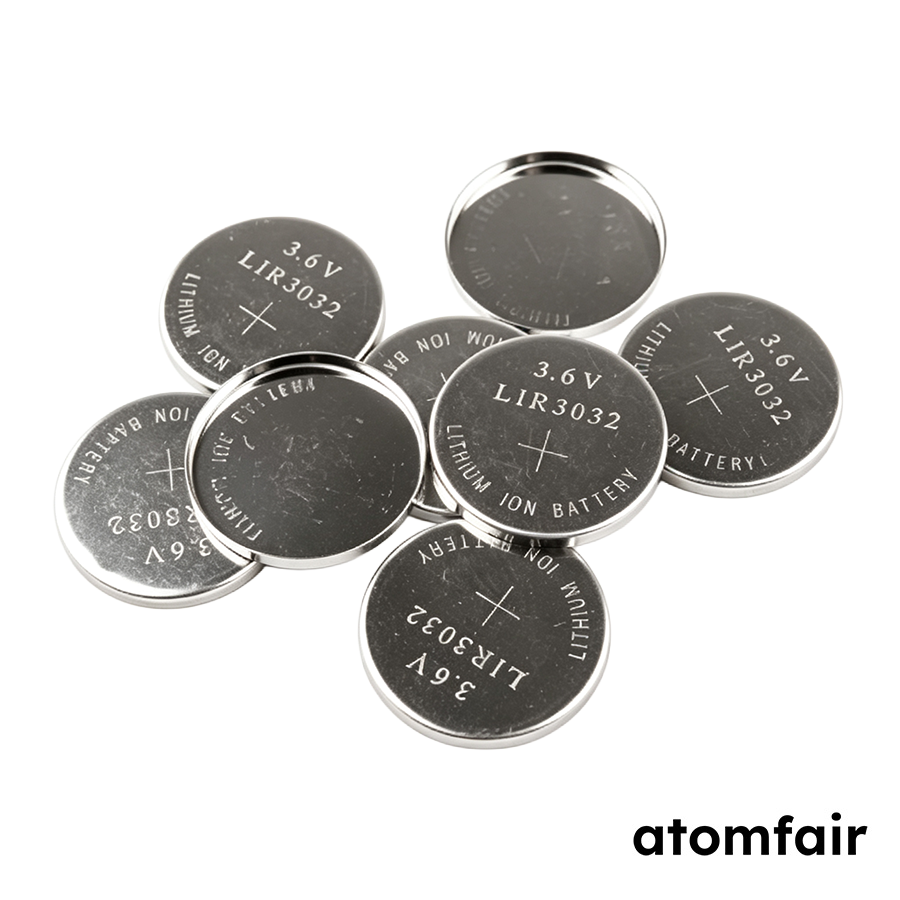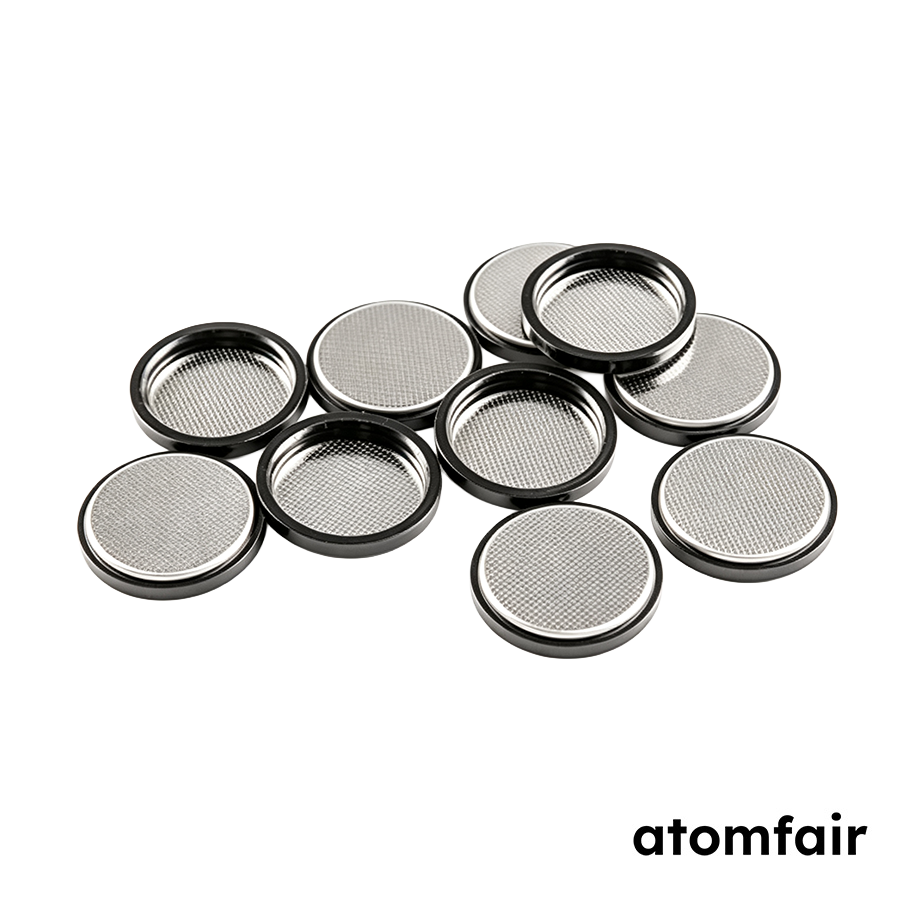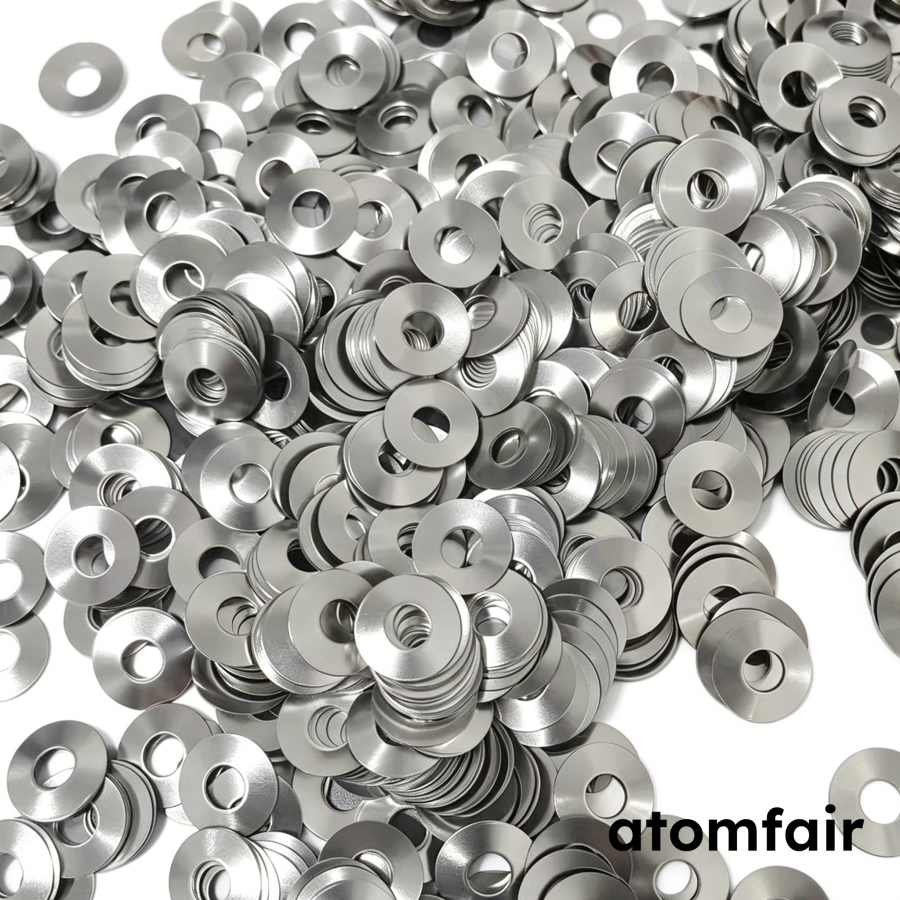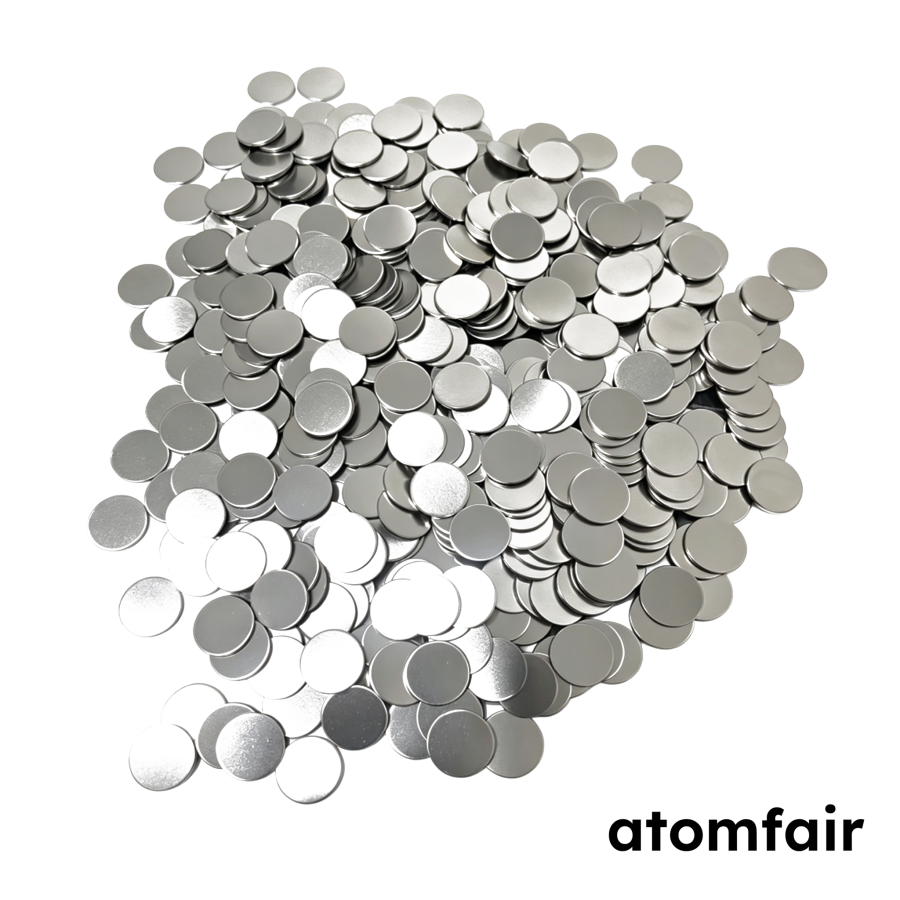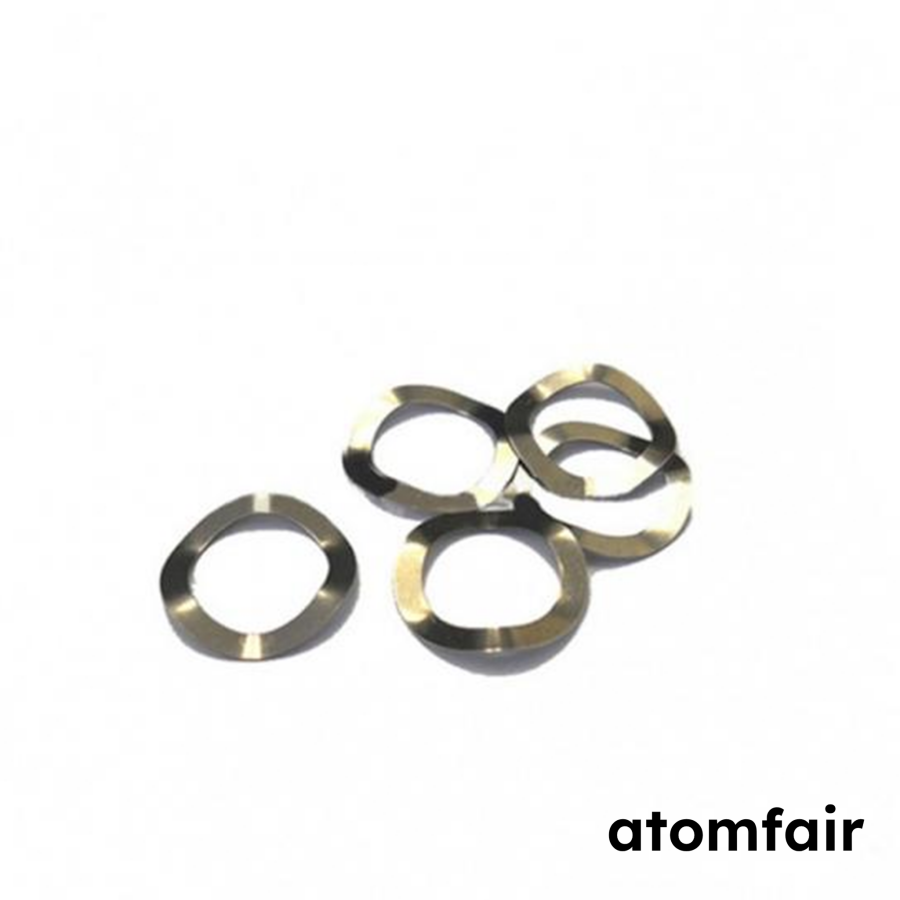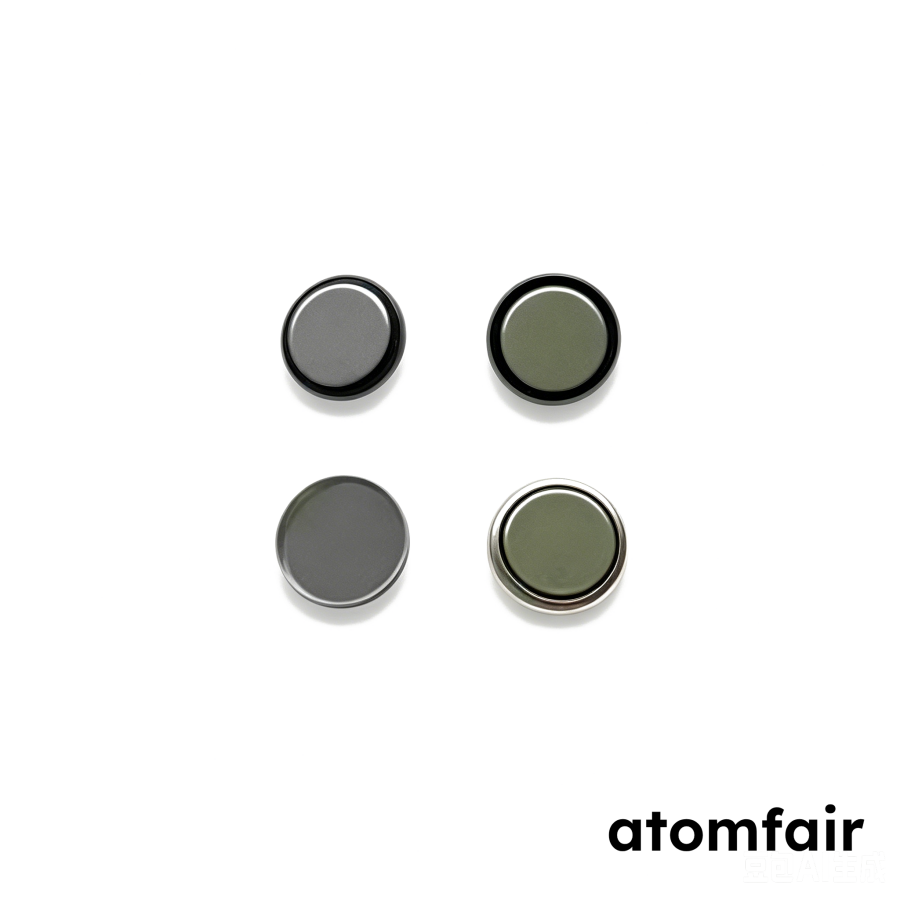
CR1016 COIN CELL CASE 304 STAINLESS STEELRESEARCH GRADE MATERIAL
|
|||||||||||||||||||||||||||||
|
|||||||||||||||||||||||||||||
|
TAILORED SOLUTIONS FOR RESEARCH
Contact our engineering team for technical support or official institutional quotations.
EMAIL: INQUIRY@ATOMFAIR.COM
|
|||||||||||||||||||||||||||||
|
Manufacturer: Atomfair LLC
Brand: ATOMFAIR®
|
Store components in inert gas glovebox or dry environment to prevent moisture-induced passivation. Avoid direct skin contact to prevent lipid contamination of contact surfaces.
- Environmental Sensitivity: Moisture exposure can degrade the O-ring seal and accelerate corrosion of the stainless steel housing.
- Contamination Risk: Skin oils and particulates transferred during handling compromise electrolyte purity and cell cycling performance.
- Mechanical Integrity: Improper crimping force can distort the housing, leading to leakage or electrical short circuits.
- Material Compatibility: The O-ring material may degrade in aggressive organic solvent electrolytes; verify compatibility before use.
- Storage Protocol: Vacuum-sealed packaging must remain unopened until use to maintain surface cleanliness and dimensional stability.
Prepare the coin cell case under controlled atmosphere to preserve electrochemical integrity. Assemble components in sequential order to ensure a leak-proof crimp seal.
Required Equipment: Powder-free nitrile or ESD gloves, Argon-filled glovebox (< 0.1 ppm H2O, < 0.1 ppm O2), Coin cell crimping press with CR1016 die set
- Transfer to Glovebox
Transfer the sealed vacuum package into an inert-gas glovebox and allow it to equilibrate for at least 30 minutes before opening. - Don Gloves
Don powder-free nitrile or ESD gloves to prevent sweat and debris from contacting the case surfaces. - Inspect O-Ring
Inspect the pre-fitted O-ring for any visible deformation, cracks, or debris; replace the case if damage is found. - Assemble Cell Stack
Place the bottom case into the crimping die and sequentially insert the electrode stack, separator, and spacer, ensuring concentric alignment. - Seal with Crimp Press
Apply steady, calibrated crimping force per the press manufacturer guidelines to form a hermetic seal without over-compressing the gasket. - Wipe Excess Electrolyte
Wipe any electrolyte residue from the case exterior using a lint-free cloth immediately after crimping to prevent corrosion. - Store Sealed Cells
Store completed cells in a dry, inert atmosphere container if not cycling immediately to maintain internal stability.
What are the trade-offs between the standard 304 stainless steel CR1016 coin cell case and the optional gold-plated (ASTM B456) variant in terms of contact resistance and corrosion resistance?
The standard 304 stainless steel CR1016 case offers high mechanical hardness and ASTM A240 compliance, but for applications requiring lower contact resistance or enhanced corrosion resistance, the optional precision gold plating (ASTM B456) provides a conductive surface, though at additional cost. The source notes that gold plating is a custom finish layer option, while the base 304 SS is the standard material. This trade-off between cost and electrical performance must be evaluated for long-term cycling stability.
What are the compatibility constraints when integrating the CR1016 coin cell case with high-purity aluminum current collectors or wave spring components in a micro-sensor battery assembly?
The CR1016 case is pre-validated for direct modular integration with multi-specification steel gaskets, high-purity aluminum collector layers, wave spring discs, and custom fasteners, as stated in the Key Features. However, the case's dimensions (10.0 mm diameter, 1.6 mm thickness) and ISO 286 tolerance must be matched to the specific component dimensions to avoid assembly clearance errors. Users should verify compatibility with their specific battery components, especially when using custom materials like polyimide coatings.
What specific handling and storage infrastructure is required to maintain the integrity of the CR1016 coin cell case before assembly, particularly regarding humidity and surface contamination?
The manufacturer mandates that all active components be kept within inert gas gloveboxes or dry storage structures with low relative moisture thresholds to prevent surface passivation or humidity trace buildup. Direct skin contact is prohibited to avoid sweat lipid tracking on contact lines, and engineers must wear powder-free ESD or nitrile laboratory safety gloves during sealing and crimping. These infrastructure requirements are critical for maintaining cell health across long cycling lifetimes.
The CR1016 coin cell case in 304 SS provides a robust housing with integrated O-ring sealing and ISO 286 precision tolerances, but demands strict inert atmosphere storage and controlled handling protocols for reliable battery research.
Positive
- Dual Protection Structural Shielding: Combines ASTM A240 grade 304 stainless steel housing with an integrated elastomeric O-ring to limit distortion under aggressive impact forces.
- Leak-Proof Isolation for Long Cycling: Restricts electrolyte evaporation and blocks micro-dust ingress, maintaining continuous cell health across extended cycling lifetimes.
Trade-offs
- Strict Inert Storage Required: All active components must be stored in inert gas gloveboxes or dry environments with low relative moisture to prevent contamination and passivation.
- Contact Handling Protocol Necessary: Direct skin contact must be avoided to prevent sweat lipid tracking on contact surfaces; powder-free ESD or nitrile gloves are mandatory during sealing and crimping.
Every advanced material, component, equipment, and instrument in our catalog is backed by rigorous testing. We maintain strict internal quality management frameworks and align with CE conformity metrics to deliver transparent, reproducible performance data via our public open-science repository.
To request raw batch performance data, submit formal vendor registration paperwork, or execute a fast-turnaround R&D manufacturing loop, contact us at inquiry@atomfair.com.
Item is dispatched under the Atomfair Shipping & Delivery Framework (Free worldwide shipping on orders over $59 USD excl. heavy equipment). Return is governed by the Atomfair Return & Refund Policy (7-day technical return window).