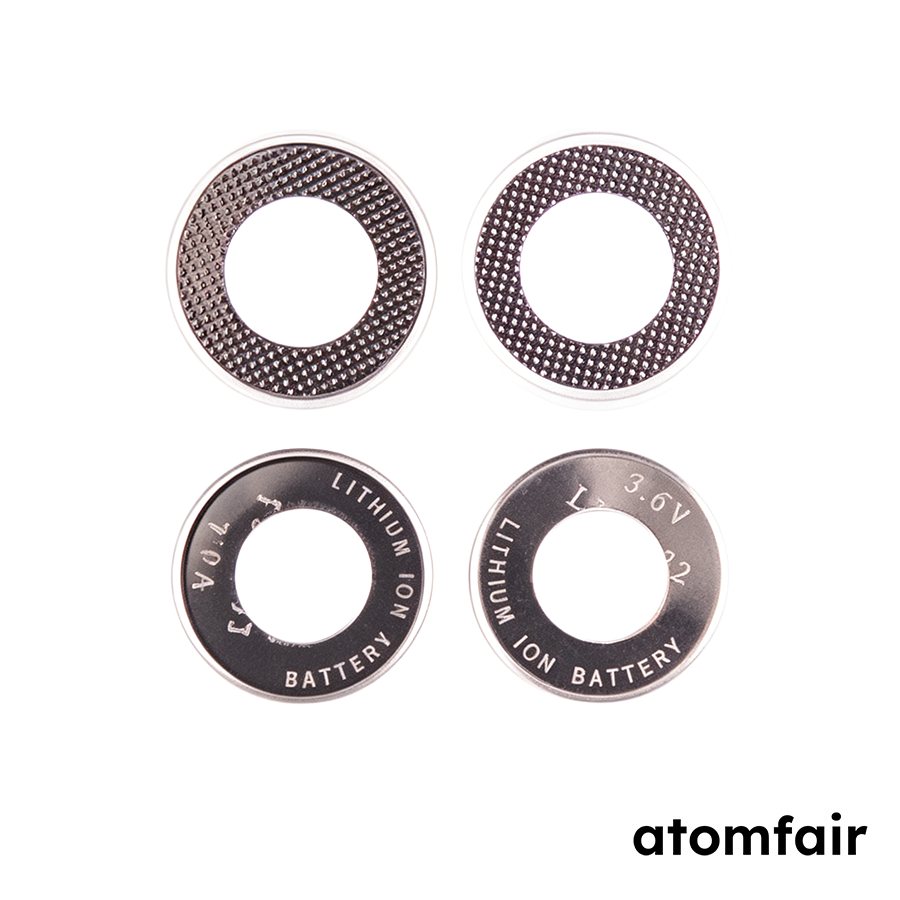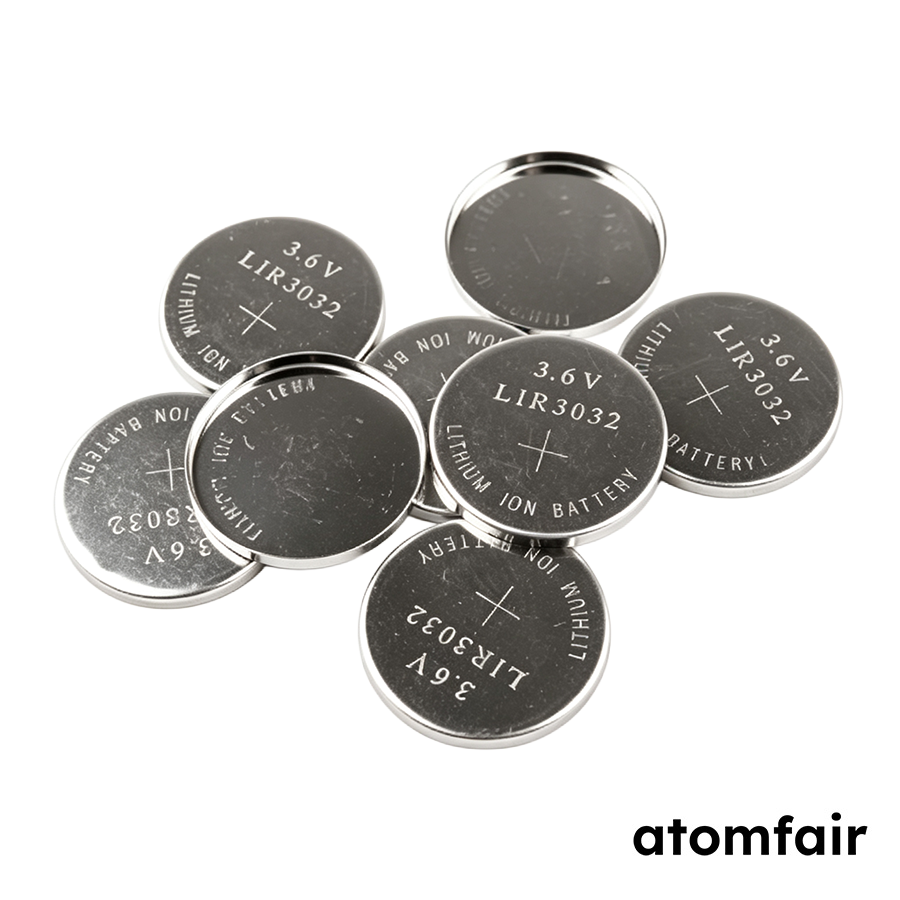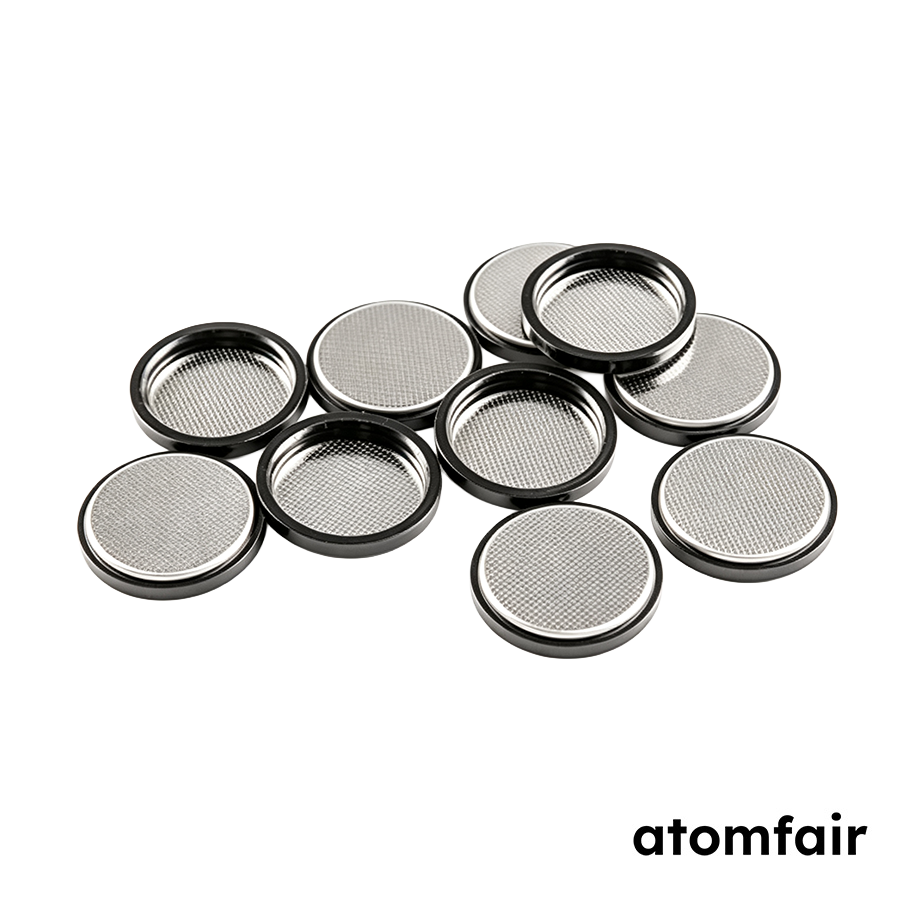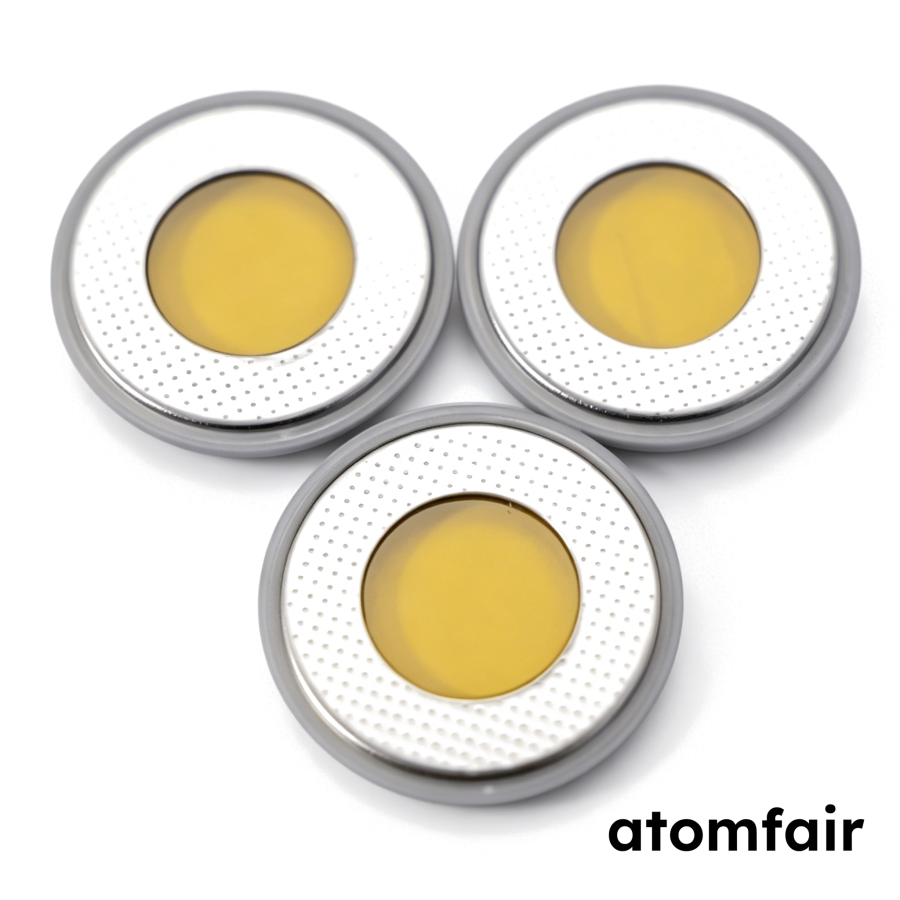
LIR2032 POLYIMIDE AL-COATED WINDOW COIN CELL CASE 5PCS/PACKRESEARCH GRADE MATERIAL
|
|||||||||||||||||||||||||||||||||||||||||||||||||||||||||||
|
|||||||||||||||||||||||||||||||||||||||||||||||||||||||||||
|
TAILORED SOLUTIONS FOR RESEARCH
Contact our engineering team for technical support or official institutional quotations.
EMAIL: INQUIRY@ATOMFAIR.COM
|
|||||||||||||||||||||||||||||||||||||||||||||||||||||||||||
|
Manufacturer: Atomfair LLC
Brand: ATOMFAIR®
|
|||||||||||||||||||||||||||||||||||||||||||||||||||||||||||
The polyimide window with 1 μm aluminum coating is fragile and requires careful handling to avoid scratching or pressure damage. Proper alignment of the window side facing the beam direction is essential for synchrotron measurements.
- Window Fragility: Avoid scratching or applying excessive pressure to the 1 μm aluminum coating and polyimide window during assembly and crimping.
- Contamination Prevention: Store cases in the provided independent packaging to prevent particulate contamination and physical damage.
- Beam Alignment: Ensure the positive side (window side) faces the incident beam direction during synchrotron radiation characterization.
- Electrode Compatibility: Use only with compatible electrode systems including NCM, LFP, silicon-carbon, graphite, and lithium metal.
- Crimping Equipment: Standard 2032 outer dimensions allow use with conventional coin cell crimping equipment, but apply care near the window area.
Inspect the polyimide window for defects before initiating assembly. Position the positive case with the coated window facing upward and align the electrode stack carefully.
Required Equipment: Standard coin cell crimping machine, Insulated tweezers, Glovebox with inert atmosphere
- Inspect window
Inspect the polyimide Al-coated window for scratches, pinholes, or debris before commencing assembly. - Assemble electrode stack
Place the electrode, separator, and lithium counter electrode inside the positive case with the window side facing outward. - Crimp cell
Crimp the cell using standard coin cell crimping equipment, ensuring no excessive force is applied to the window area. - Orient for measurement
Position the assembled cell with the window side facing the synchrotron beam path.
How does the 1 μm aluminum coating thickness affect X-ray transmission versus electrical conductivity for in-situ synchrotron experiments?
The 1 μm pure aluminum coating (99.9% purity) is intentionally ultra-thin to maximize X-ray transmission while maintaining sufficient electrical conductivity for reliable cell operation during synchrotron characterization. This thickness is explicitly specified for minimal beam attenuation, making it suitable for high-energy synchrotron beamlines and techniques such as XRD, XAS, and EXAFS.
Can this polyimide window coin cell case be used with standard CR2032 coin cell crimping equipment despite the window design?
Yes, the case is fully compatible with conventional coin cell crimping equipment due to its standard LIR2032 outer dimensions of Φ20 mm outer diameter and 3.2 mm height. The total assembly height tolerance is 2.98 ± 0.04 mm, ensuring proper crimping. However, care must be taken to avoid excessive pressure on the polyimide window area during assembly.
What precautions are necessary when handling the polyimide aluminum-coated window during coin cell assembly to avoid damage?
The polyimide window with 1 μm aluminum coating is fragile and must be handled with extreme care. Avoid scratching or applying excessive pressure to the window area during electrode assembly and crimping. Do not contact the window with sharp objects or abrasive materials, and ensure proper alignment with the beam direction for synchrotron measurements. The product is independently packaged in 5-set packs to minimize contamination and damage during storage.
This LIR2032 coin cell case integrates a polyimide Al-coated window for in-situ synchrotron radiation characterization, maintaining standard coin cell dimensions for crimping compatibility but requiring careful handling to avoid window damage.
Positive
- In-situ synchrotron radiation window design: Φ10 mm polyimide window with 1 μm 99.9% pure aluminum coating enables X-ray transmission for real-time XRD, XAS, and EXAFS during electrochemical cycling, allowing dynamic structural analysis.
- Standard LIR2032 form factor compatibility: Φ20 mm × 3.2 mm dimensions match conventional coin cell crimping equipment and glovebox workflows, enabling drop-in integration with existing battery research hardware.
Trade-offs
- Fragile polyimide window coating: The 1 μm aluminum-coated polyimide window is susceptible to scratches, pressure damage, and contamination during electrode assembly or crimping, requiring careful handling and alignment.
- Optimized for in-situ synchrotron use only: This case is specifically designed for synchrotron radiation characterization; for standard electrochemical testing without X-ray needs, conventional LIR2032 cases are recommended to avoid unnecessary cost and fragility.
Every advanced material, component, equipment, and instrument in our catalog is backed by rigorous testing. We maintain strict internal quality management frameworks and align with CE conformity metrics to deliver transparent, reproducible performance data via our public open-science repository.
To request raw batch performance data, submit formal vendor registration paperwork, or execute a fast-turnaround R&D manufacturing loop, contact us at inquiry@atomfair.com.
Item is dispatched under the Atomfair Shipping & Delivery Framework (Free worldwide shipping on orders over $59 USD excl. heavy equipment). Return is governed by the Atomfair Return & Refund Policy (7-day technical return window).