|
NFM Sodium Nickel Iron Manganese Oxide Double-Sided Cathode
Double-Sided Cathode Sheet
|
||||||||||||||||||||||||||||||||||||||||||||||||
|
This document defines the environmental and processing constraints for the ATOMFAIR NFM111 cathode sheet. Compliance with these constraints is required to prevent moisture uptake and preserve electrode integrity during laboratory use.
- Atmosphere constraint: Handle and assemble the cathode sheet only in a dry room environment or an inert atmosphere glove box.
- Moisture removal constraint: Bake the cathode sheet under vacuum for at least 12 hours at 120°C to eliminate residual trace moisture before thermal validation testing.
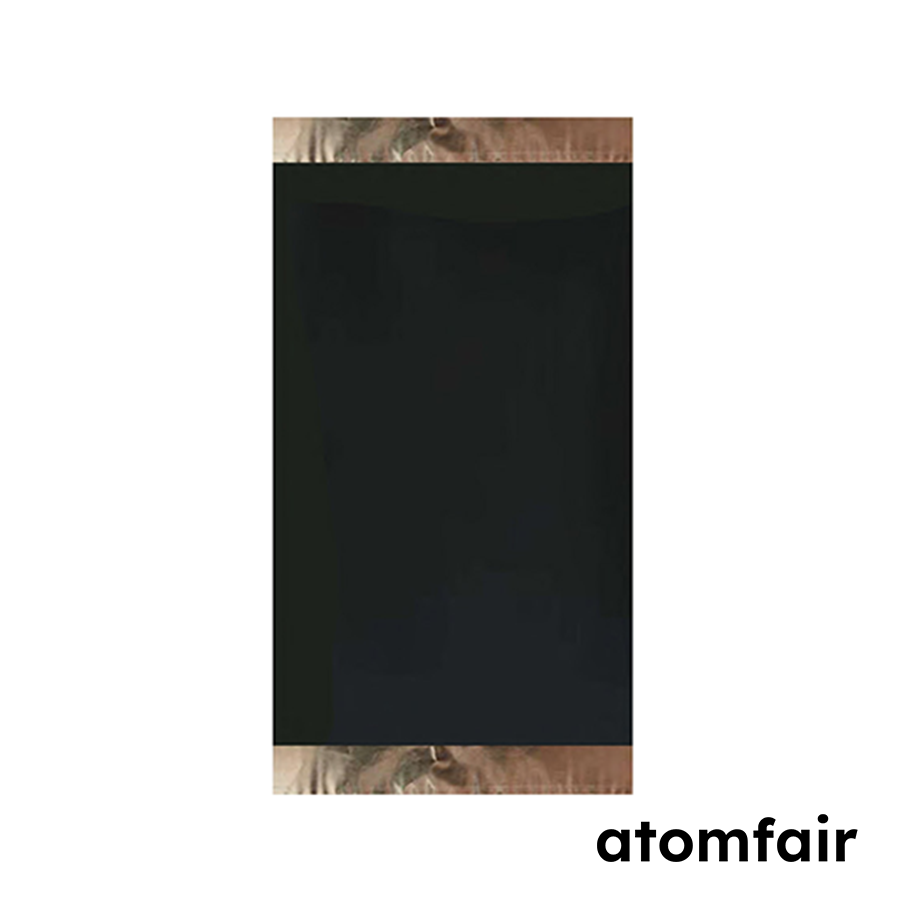
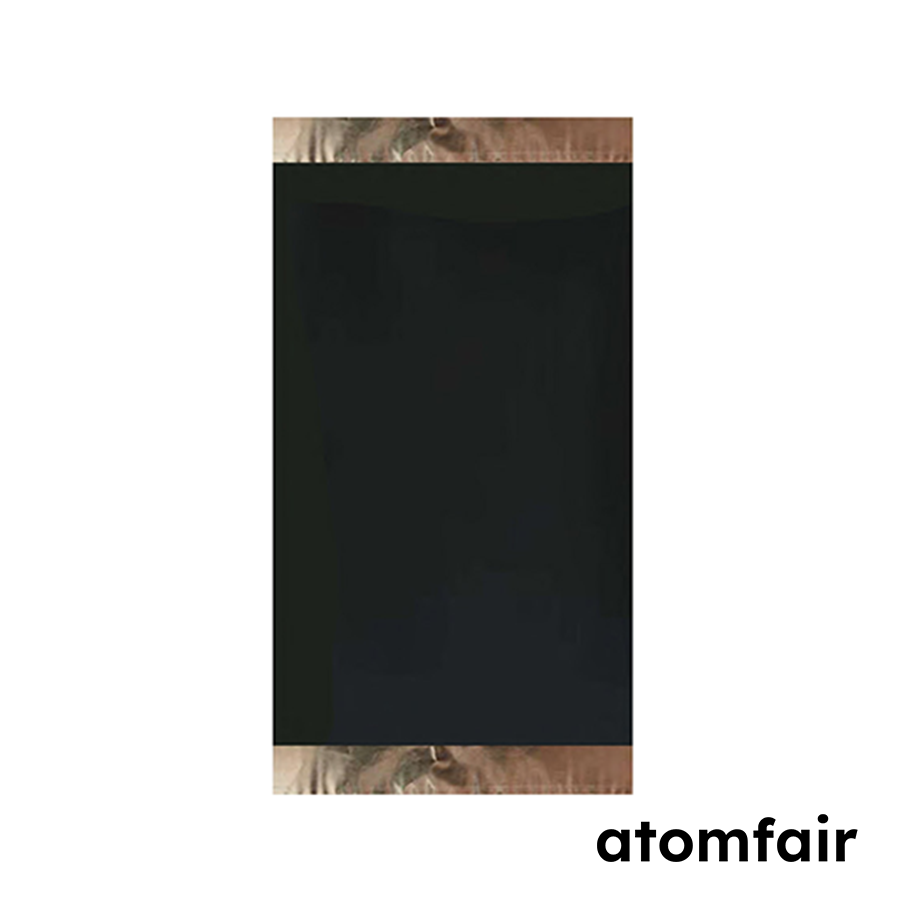
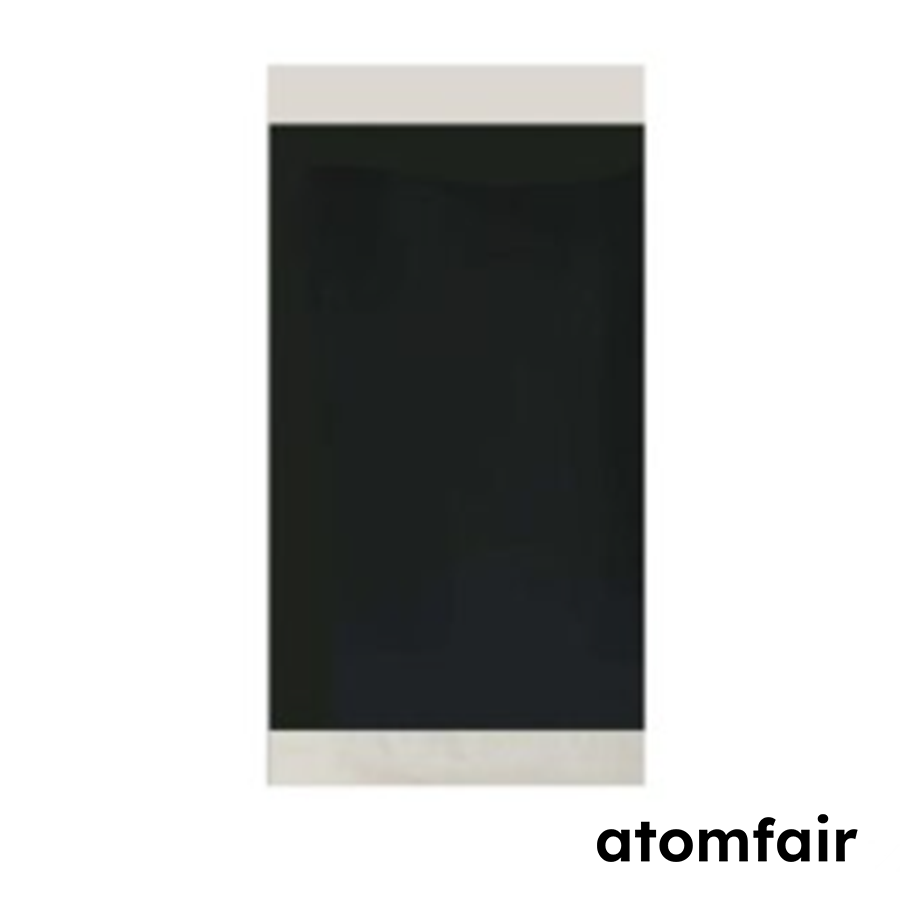
- Welding constraint: Perform welding operations directly on the defined uncoated tab area to protect the cell integration architecture.
- Handling constraint: Wear appropriate protective gloves when handling the cathode sheet.
- Application scope: Use this cathode sheet exclusively for laboratory research, including sodium-ion battery R&D, cell prototyping, academic research, ESS prototype development, and small-batch production testing.
This procedure describes moisture removal, safe handling, and tab welding for the ATOMFAIR NFM111 cathode sheet. Perform each step in the order listed to preserve electrode and cell integrity.
Required Equipment: Protective gloves, Dry room or inert atmosphere glove box, Vacuum oven, Welding equipment
- Inspect packaging
Inspect the cathode sheet packaging for damage and confirm the product identity before opening. - Transfer to controlled atmosphere
Transfer the cathode sheet into a dry room or inert atmosphere glove box before exposing it to the processing environment. - Bake under vacuum
Place the cathode sheet in a vacuum oven and bake it for at least 12 hours at 120°C to remove residual moisture. - Don protective gloves
Wear appropriate protective gloves before handling the baked cathode sheet. - Position uncoated tab
Position the cathode sheet so that the uncoated tab area is accessible for welding. - Weld tab area
Weld directly on the uncoated tab area when connecting the cathode sheet to the cell architecture. - Assemble cell
Assemble the prepared cathode sheet into the intended stacked or wound cell configuration.
What is the active material ratio of the Atomfair NFM111 cathode sheet and how does it affect battery performance?
The NFM111 cathode sheet has a 95.3% active material ratio in the dry coating. This high concentration ensures optimized phase purity and robust electrochemical kinetics, making it ideal for half-cell foil benchmarking and consistent baseline testing in sodium-ion battery research.
What are the recommended assembly conditions for the NFM111 cathode sheet to ensure cell integrity?
Assembly should be performed strictly within a dry room environment or an inert atmosphere glove box. Welding must be executed directly on the well-defined uncoated tab area to protect the cell integration architecture, ensuring compatibility with both stacked and wound cell configurations.
What is the required pre-drying protocol for the NFM111 cathode sheet before use?
Before high-stakes thermal validation testing, the cathode sheet must be baked under vacuum at 120°C for at least 12 hours. This protocol completely eliminates residual trace moisture or phase degradation, which is critical for maintaining reproducible performance in sodium-ion battery R&D.
This NFM111 cathode sheet delivers a 95.3% active material loading on carbon-coated aluminum foil with a precision-defined uncoated tab for streamlined welding and cell assembly, but requires strict dry-room or inert-atmosphere handling and a mandatory 12-hour vacuum bake at 120°C to eliminate residual moisture before use.
Positive
- Optimized Phase Purity: Active material ratio of 95.3% in the dry coating ensures high concentration of electrochemically active NFM111, supporting robust kinetics and consistent half-cell benchmarking.
- Process Ready Architecture: Well-defined uncoated tab area facilitates clean welding and rapid assembly for both stacked and wound cell configurations, improving prototyping reproducibility.
Trade-offs
- Strict Handling Environment: Assembly must be performed in a dry room or inert-atmosphere glove box to prevent moisture uptake that could degrade cathode performance.
- Mandatory Vacuum Baking: A 12-hour vacuum bake at 120°C is required before use to eliminate residual trace moisture, adding a preprocessing step that extends preparation time.
Every advanced material, component, equipment, and instrument in our catalog is backed by rigorous testing. We maintain strict internal quality management frameworks and align with CE conformity metrics to deliver transparent, reproducible performance data via our public open-science repository.
To request raw batch performance data, submit formal vendor registration paperwork, or execute a fast-turnaround R&D manufacturing loop, contact us at inquiry@atomfair.com.
Item is dispatched under the Atomfair Shipping & Delivery Framework (Free worldwide shipping on orders over $59 USD excl. heavy equipment). Return is governed by the Atomfair Return & Refund Policy (7-day technical return window).