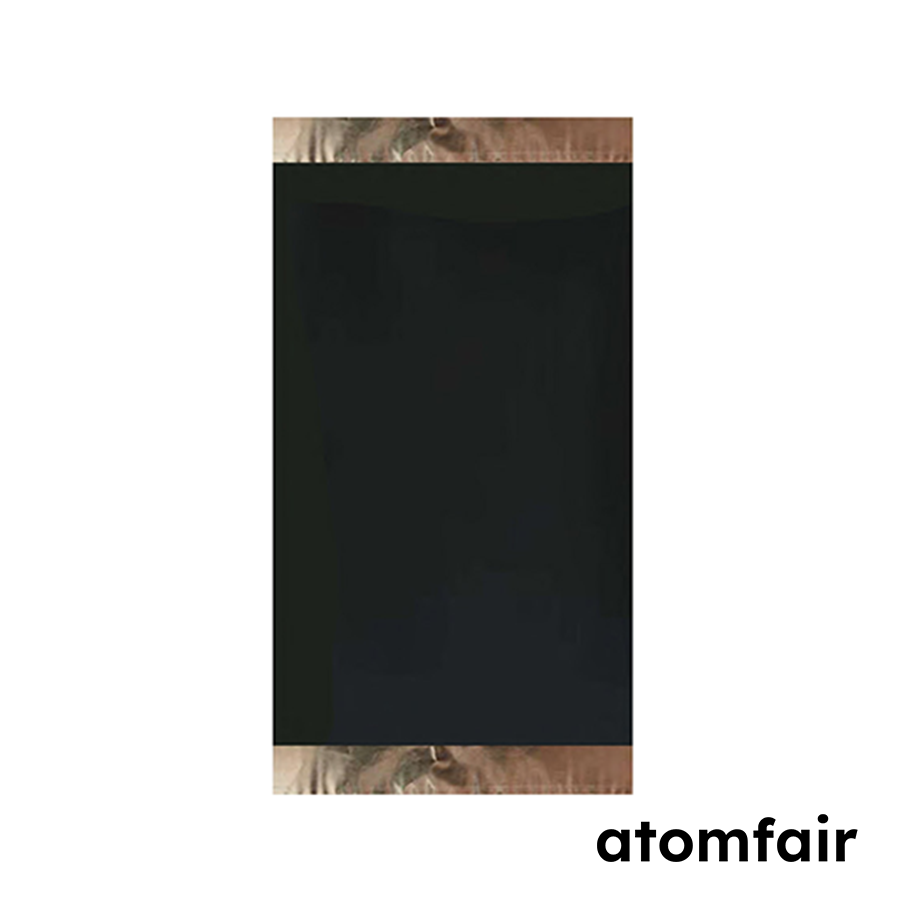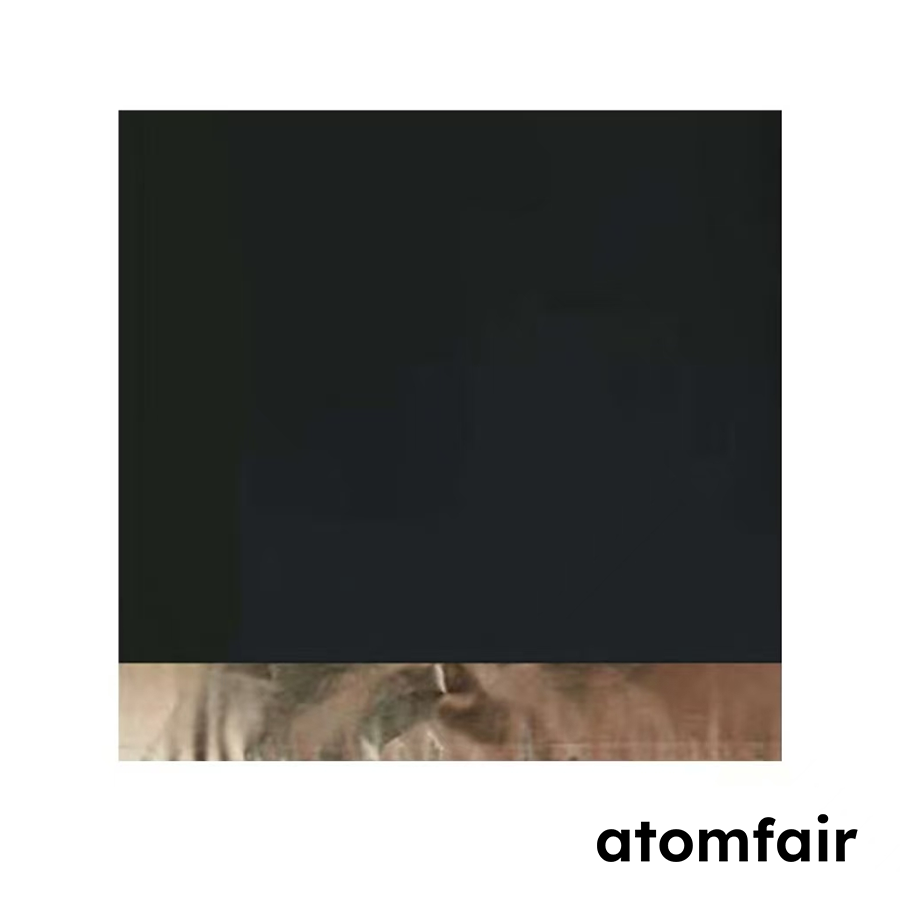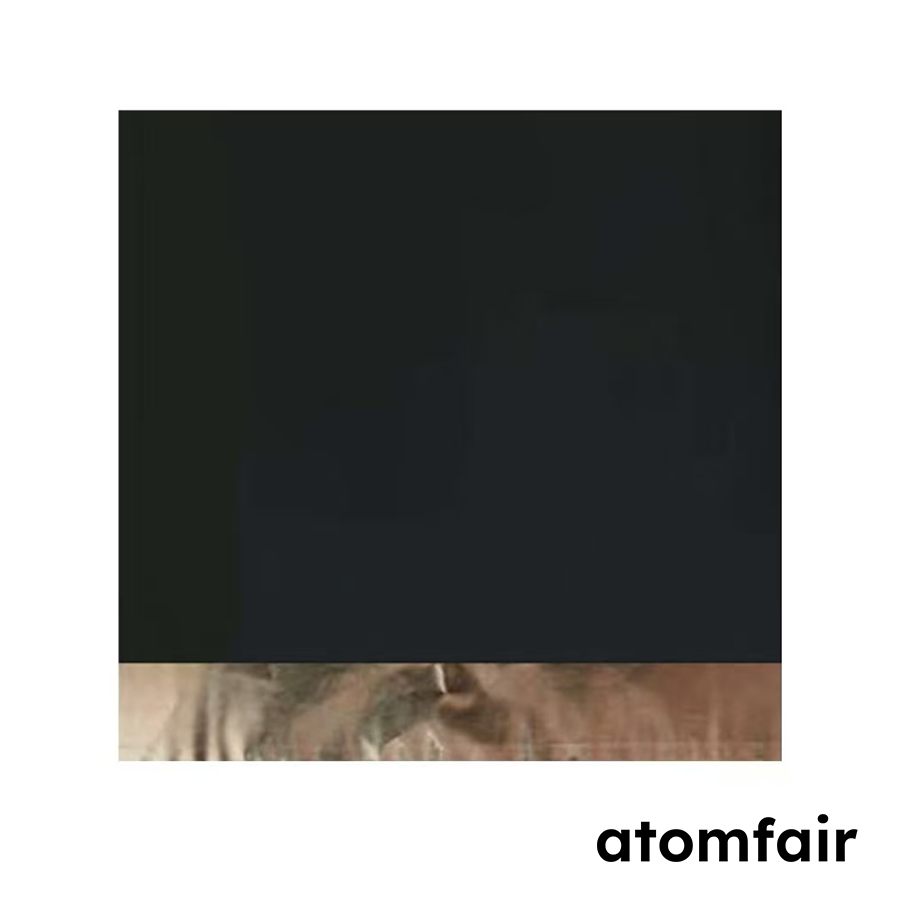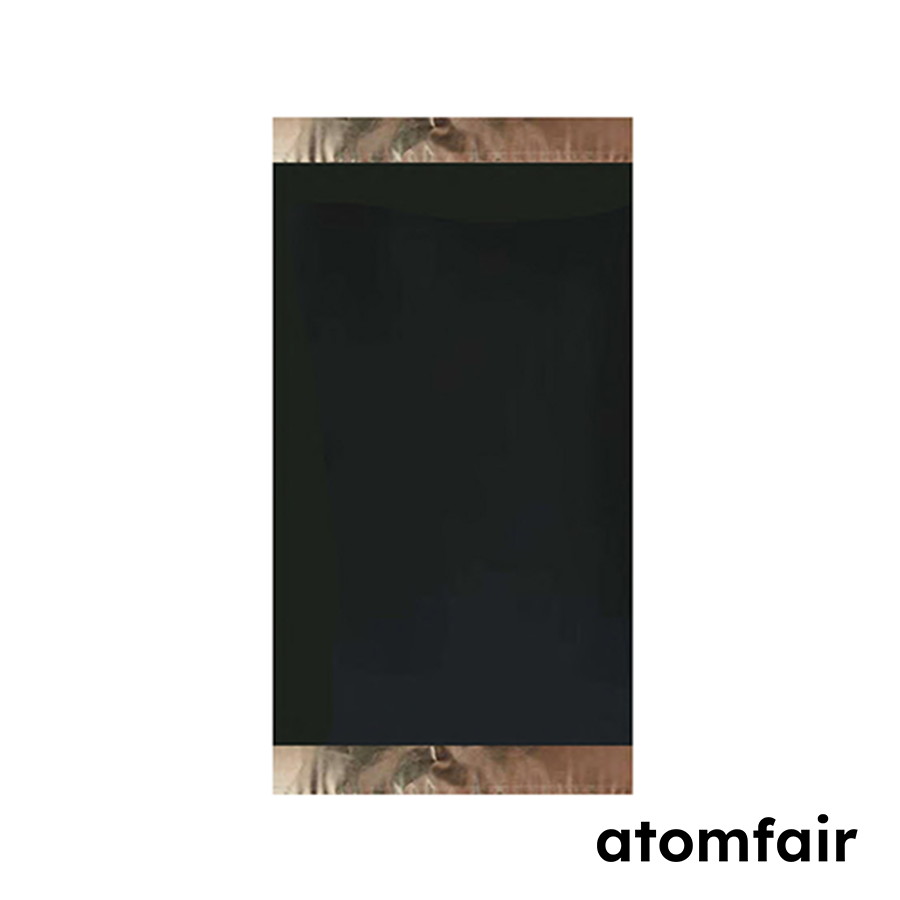
NFPP Sodium Iron Phosphate Pyrophosphate Single-Sided Cathode Sheet, 12 mg/cm2
Sodium iron phosphate pyrophosphate, NFPP, is a polyanionic cathode material for sodium-ion batteries. This ready-to-use sheet is supplied for laboratory cell assembly and material evaluation in the listed Single-Sided, 12 mg/cm2, Wet Process, 120 x 120 mm, 5-Pack configuration.
Material Characteristics
- Iron phosphate pyrophosphate composition
- Cobalt-free sodium-ion cathode material
- Polyanionic cathode supplied as a coated research sheet
Typical Research Uses
Use for sodium-ion cathode comparison, hard-carbon pairing, electrolyte studies, and sodium-ion cell assembly.
How to Read This Configuration
Areal loading, coating side, active-material ratio, collector, and wet or dry process should be read together when selecting an NFPP sheet.
- Areal loading: 12 mg/cm2. Use this value as the coating-mass basis when comparing electrode configurations.
- Active material ratio: 94.50% is the listed active-material fraction of the coating formulation. The actual active mass still depends on the punched electrode mass.
- Coating process: Wet Process is the listed preparation route. Keep process differences visible when comparing electrode data.
| Product Specification | Value / Description |
|---|---|
| Product Type | Single-Sided Cathode Sheet |
| Active Material System | Sodium Iron Phosphate Pyrophosphate (NFPP) |
| Battery System | Sodium-Ion |
| Electrode Role | Cathode |
| Coating Side | Single-Sided |
| Areal Loading | 12 mg/cm2 |
| Coating Process | Wet Process |
| Coating Area / Sheet Size | 120 x 120 mm |
| Active Material Ratio | 94.50% |
| Pack Size | 5-Pack |
| SKU | AF-BM-S-CNFPP-AS12-5P0 |
Drying and Handling
Before cell assembly, dry the electrode sheet at 90-100 C for 12-24 hours. Use a clean, dry handling environment after drying.
Avoid bending, scratching, or contaminating the coated surface during cutting, punching, transfer, and stacking.
| Research Need | Related Atomfair Category | Best For |
|---|---|---|
| Full-cell electrode pairing | Sodium-Ion Anode Electrode Sheets | Selecting a complementary sodium-ion anode sheet for cell assembly |
| Custom configuration | Custom Battery Electrode Coating Service | Alternative loading, dimensions, current collector, or coating configuration |
The electrode sheet must be baked under vacuum at 100°C for 12 hours before use to prevent ambient phase contamination and structural degradation. This product is sensitive to ambient moisture and requires vacuum processing to maintain electrochemical integrity.
- Vacuum Bake Requirement: Bake the electrode sheet at 100°C under vacuum for 12 hours before thermal validation to prevent ambient phase contamination and structural degradation.
What is the significance of the 94.5% active material ratio in the NFPP electrode sheet for sodium-ion battery R&D?
The 94.5% active material ratio minimizes inactive binder and conductive additive content, ensuring a highly uniform NFPP distribution across the electrode. This ratio directly supports reliable specific capacity measurements (95 mAh/g) and cell-to-cell consistency in half-cell testing, as the wet process coating delivers a precise 12 mg/cm² loading over the 120×120 mm active area.
Is this single-side coated electrode sheet compatible with standard coin cell assembly, and how does the carbon-coated aluminum foil affect contact?
Yes, it is compatible: the single-side coating leaves one bare aluminum foil side for direct current collector contact, while the coated side faces the separator. The carbon-coated aluminum foil substrate (12 + 0.5 + 0.5 μm thick) enhances electrical contact and interfacial dynamics, reducing contact resistance and improving data reliability during electrochemical analysis.
What storage and handling conditions are required to prevent degradation of the NFPP electrode sheet before use?
The electrode sheet must be stored in a dry, inert atmosphere. A mandatory vacuum baking step at 100°C for 12 hours is required before thermal validation to remove adsorbed moisture and prevent ambient phase contamination or structural degradation. The product is exclusively for laboratory research and should not be exposed to ambient air for extended periods.
Atomfair NFPP-S01 is a single-side, wet-process-coated sodium iron phosphate pyrophosphate electrode sheet with 94.5% active material on carbon-coated aluminum foil, providing a 95 mAh/g format for sodium-ion R&D. Its 12 mg/cm² loading across a 120 × 120 mm active area enables controlled half-cell evaluation, but it requires a 12-hour, 100°C vacuum bake prior to use.
Positive
- 94.5% active material ratio: The high NFPP active material loading and uniform distribution support reproducible half-cell foils and reduce interference from inactive components during electrochemical performance analysis.
- Carbon-coated aluminum foil substrate: The carbon-coated current collector promotes electrical contact and optimizes boundary interfacial dynamics, contributing to accurate material evaluation in sodium-ion cathode testing.
Trade-offs
- Required 12-hour 100°C vacuum bake: The electrode must be held under vacuum at 100°C for 12 hours before thermal validation to prevent ambient phase contamination or structural degradation.
- Compaction density not specified: The specification table does not provide a compaction density value, so the electrode's post-coating densification behavior is not predefined and must be resolved by the end user.
Every advanced material, component, equipment, and instrument in our catalog is backed by rigorous testing. We maintain strict internal quality management frameworks and align with CE conformity metrics to deliver transparent, reproducible performance data via our public open-science repository.
To request raw batch performance data, submit formal vendor registration paperwork, or execute a fast-turnaround R&D manufacturing loop, contact us at inquiry@atomfair.com.
Item is dispatched under the Atomfair Shipping & Delivery Framework (Free worldwide shipping on orders over $59 USD excl. heavy equipment). Return is governed by the Atomfair Return & Refund Policy (7-day technical return window).