ATOMFAIR WC-CO TUNGSTEN CARBIDE GRINDING BALLS MIXED SIZE 1KGRESEARCH GRADE MATERIAL
|
|||||||||||||||||||||||||||||||||||||||||||
|
|||||||||||||||||||||||||||||||||||||||||||
|
TAILORED SOLUTIONS FOR RESEARCH
Contact our engineering team for technical support or official quotations.
EMAIL: inquiry@atomfair.com
|
|||||||||||||||||||||||||||||||||||||||||||
|
Manufacturer: Atomfair LLC
Brand: ATOMFair®
|
|||||||||||||||||||||||||||||||||||||||||||
These tungsten carbide cobalt grinding balls impose strict jar compatibility and thermal management requirements to prevent contamination and damage. The balls must be monitored for surface wear and replaced immediately when defects appear, and they are unsuitable for applications requiring high purity with zero tungsten or cobalt contamination.
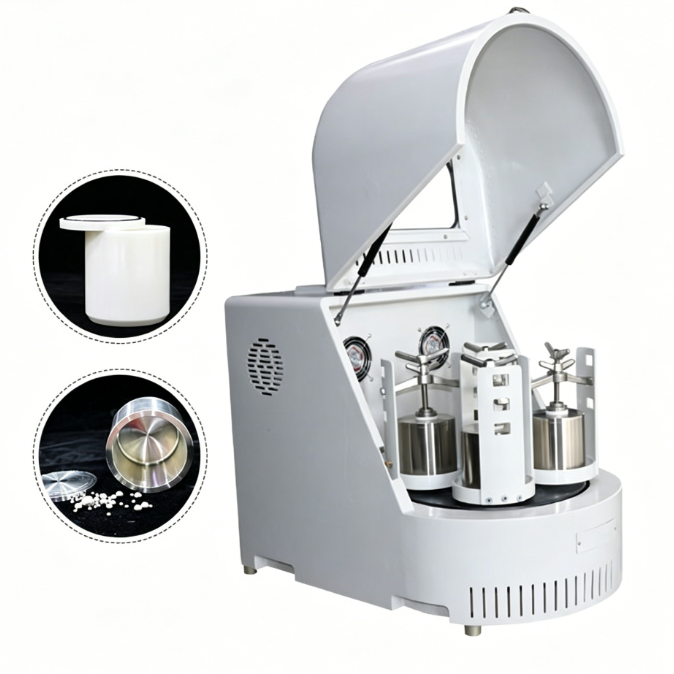
- Jar Material Compatibility: Use only with WC-Co cemented carbide grinding jars to prevent mutual abrasion and contamination; do not use in agate, polymer, alumina, or stainless steel jars.
- Thermal Shock Avoidance: Avoid rapid thermal shock by controlling rotation speed and allowing cooling during extended high-temperature grinding cycles.
- Surface Wear Inspection: Replace balls immediately if surface scratches, pitting, or spalling appear to prevent cobalt and tungsten debris from contaminating the sample.
- Chemical Resistance Limits: Resist weak acids and alkalis but avoid prolonged exposure to strong hydrofluoric acid or concentrated strong alkalis.
- Application Restrictions: Do not use in applications where tungsten and cobalt impurities are strictly prohibited, such as lithium battery ternary materials (NCM) or lithium iron phosphate (LFP).
What is the advantage of using a mixed-size configuration (Φ15mm, Φ8mm, Φ5mm) over single-diameter tungsten carbide grinding balls?
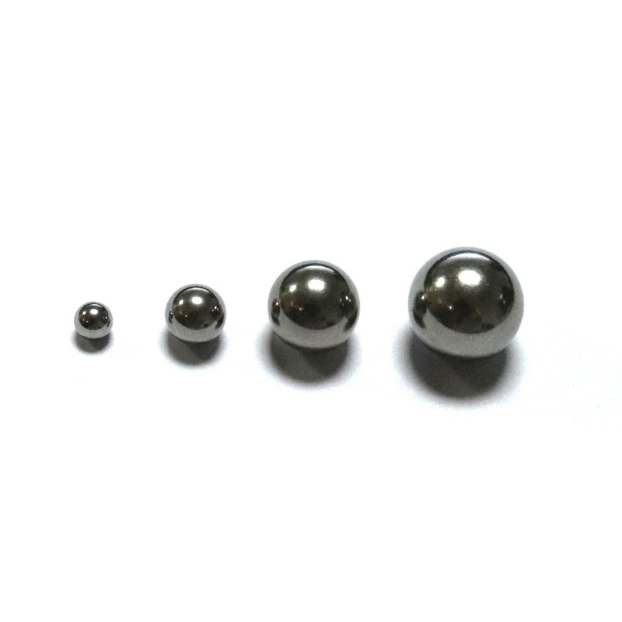
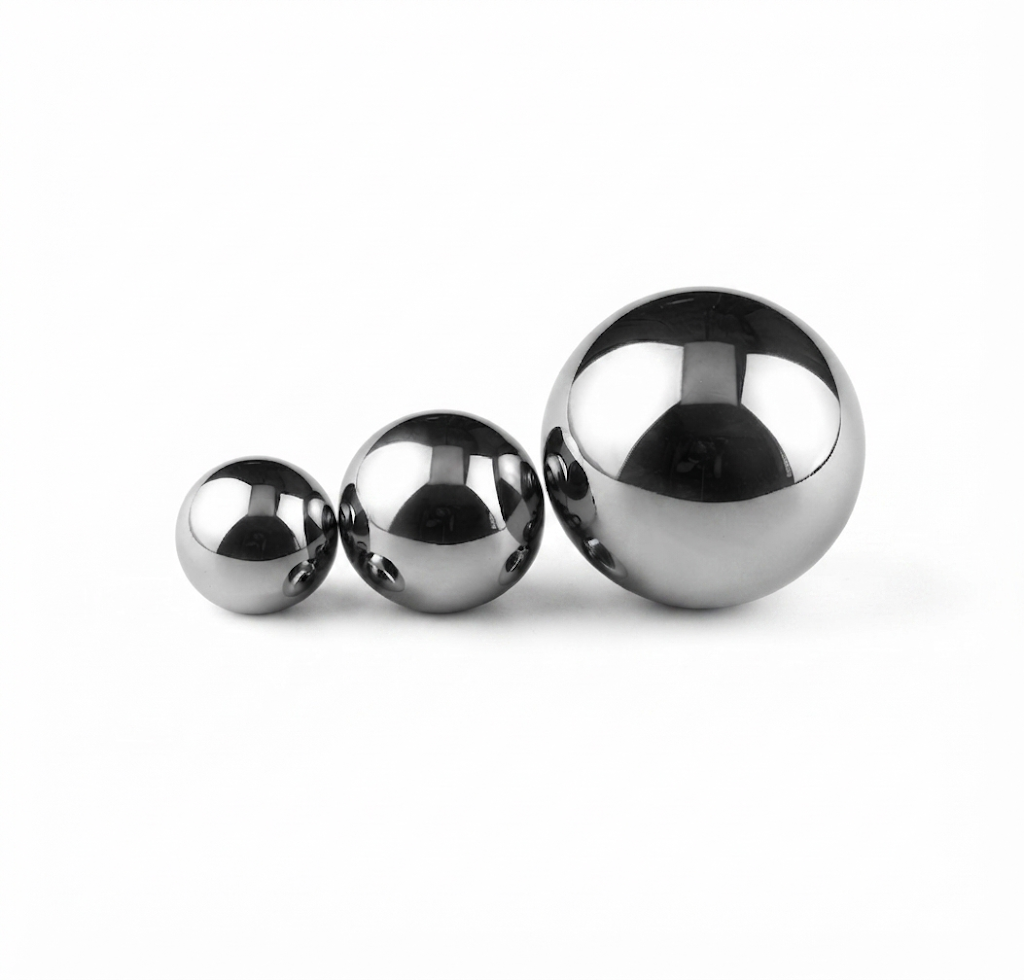
The mixed-size ratio (4:2:1 by quantity) maximizes grinding efficiency by combining primary impact from Φ15mm large balls for breaking large particles, intermediate refinement from Φ8mm medium balls, and final fine grinding from Φ5mm small balls that increase contact points. This multi-ball size approach achieves uniform nano-scale particle size that single-diameter media cannot deliver, as stated in the product specifications.
Which grinding jar materials are compatible with WC-Co tungsten carbide balls, and which must be avoided?
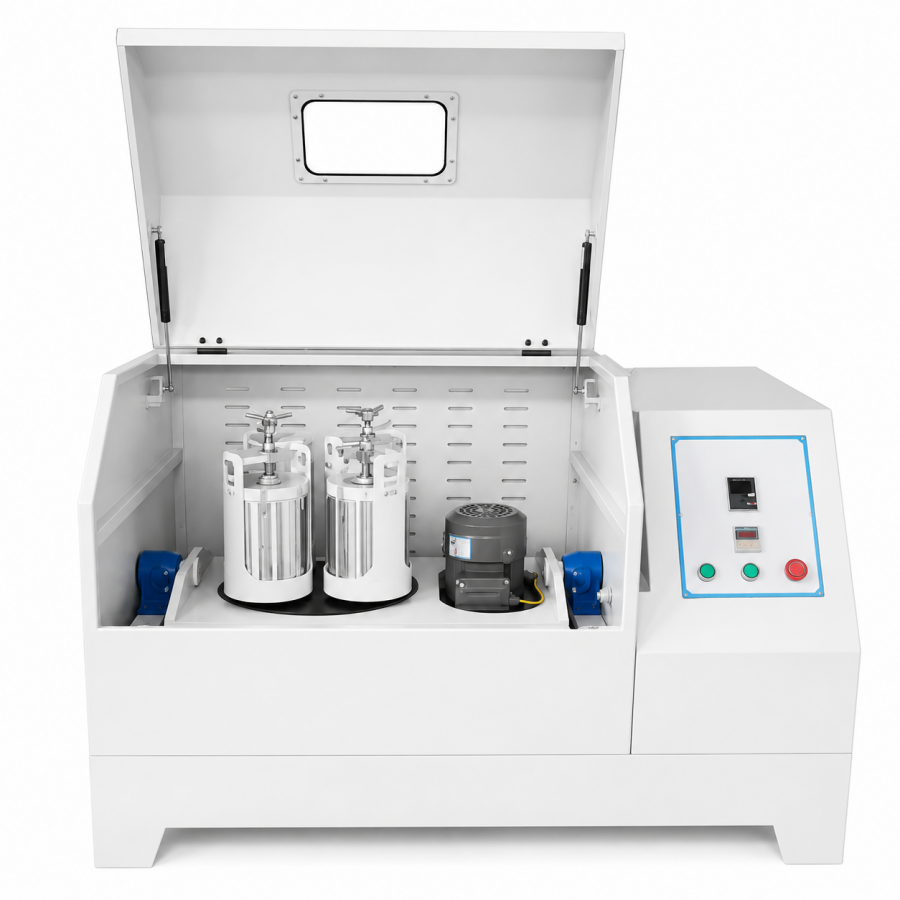
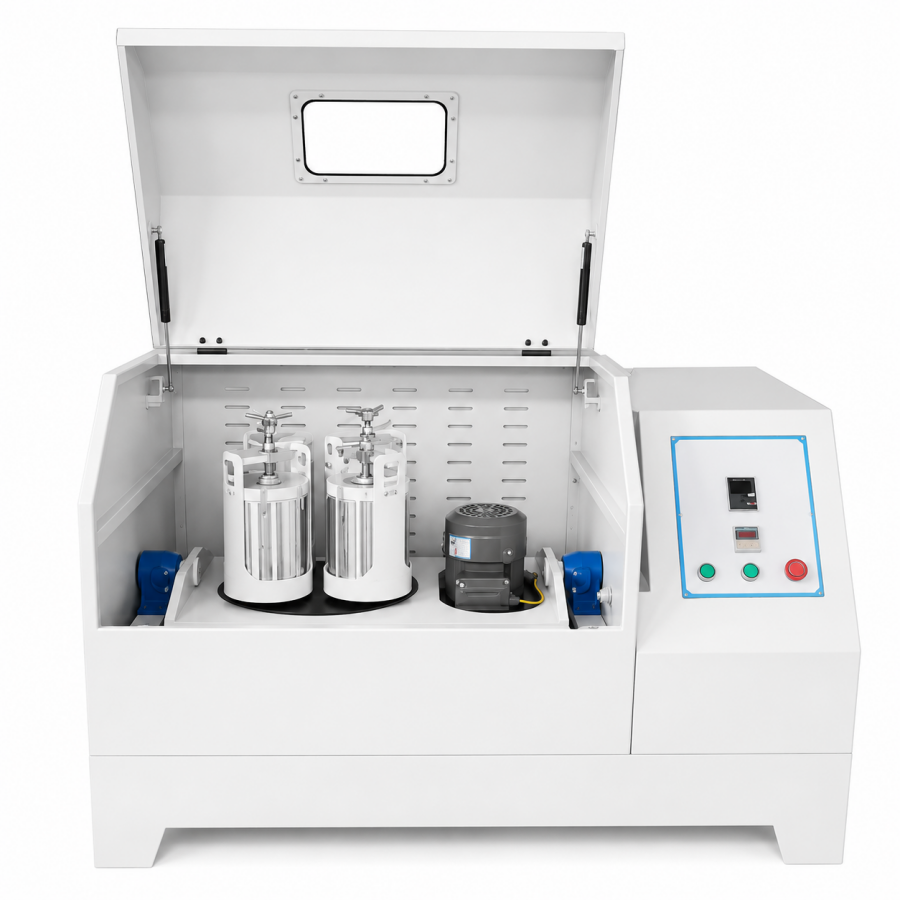
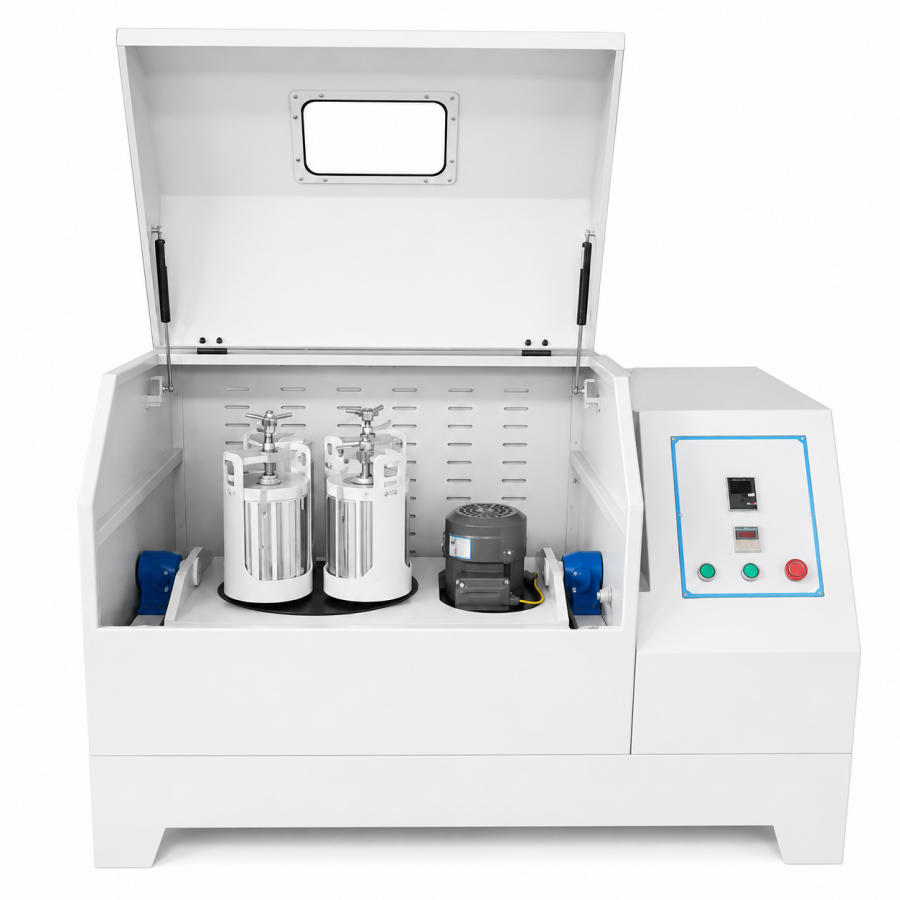
WC-Co balls are best paired with WC-Co cemented carbide grinding jars for hardness-matched operation that prevents mutual abrasion. They are strictly prohibited in agate, PU/nylon/PTFE polymer jars, alumina corundum jars, or stainless steel jars because the extreme hardness (HRA 88–93) will rapidly wear, scratch, or puncture these softer materials, causing severe sample contamination.
What contamination and handling precautions are necessary when using WC-Co grinding balls in high-energy milling?
WC-Co balls introduce trace tungsten and cobalt impurities, making them unsuitable for applications where these elements are strictly prohibited, such as lithium battery ternary materials (NCM), lithium iron phosphate (LFP), and high-purity electronic ceramics. Avoid rapid thermal shock; control rotation speed and allow cooling during extended high-temperature grinding. Replace balls immediately if surface scratches, pitting, or spalling appear to prevent cobalt and tungsten debris from contaminating the sample.
ATOMFair WC-Co grinding balls in mixed sizes (Φ15, Φ8, Φ5 mm) offer ultra-high density (14.5-15.0 g/cm³) and extreme wear resistance (10⁻⁹ g/h) for efficient grinding of ultra-hard materials, but require dedicated WC-Co jars and introduce trace W/Co contamination.
Positive
- Optimized mixed-size ratio for grinding efficiency: The 4:2:1 ratio of large (Φ15mm), medium (Φ8mm), and small (Φ5mm) balls provides primary impact, intermediate refinement, and final fine grinding, achieving higher efficiency than single-diameter media.
- Ultra-high density for maximum kinetic energy: With density 14.5-15.0 g/cm³ (nearly 2× stainless steel, 2.5× zirconia), these balls deliver the highest impact energy in planetary milling, enabling nano-scale refinement of ultra-hard materials like SiC, B₄C, and diamond.
Trade-offs
- Trace tungsten and cobalt contamination: Not suitable for applications where W and Co impurities are strictly prohibited, such as lithium battery ternary materials (NCM) and high-purity electronic ceramics, as these elements will be introduced.
- Requires dedicated WC-Co grinding jars: Use in agate, plastic, alumina, or stainless steel jars is prohibited because the extreme hardness of WC-Co balls will rapidly wear or scratch soft jar materials, causing severe sample contamination.
Every advanced material, component, equipment, and instrument in our catalog is backed by rigorous testing. We maintain strict internal quality management frameworks and align with CE conformity metrics to deliver transparent, reproducible performance data via our public open-science repository.
To request raw batch performance data, submit formal vendor registration paperwork, or execute a fast-turnaround R&D manufacturing loop, contact us at inquiry@atomfair.com.
Item is dispatched under the Atomfair Shipping & Delivery Framework (Free worldwide shipping on orders over $59 USD excl. heavy equipment). Return is governed by the Atomfair Return & Refund Policy (7-day technical return window).