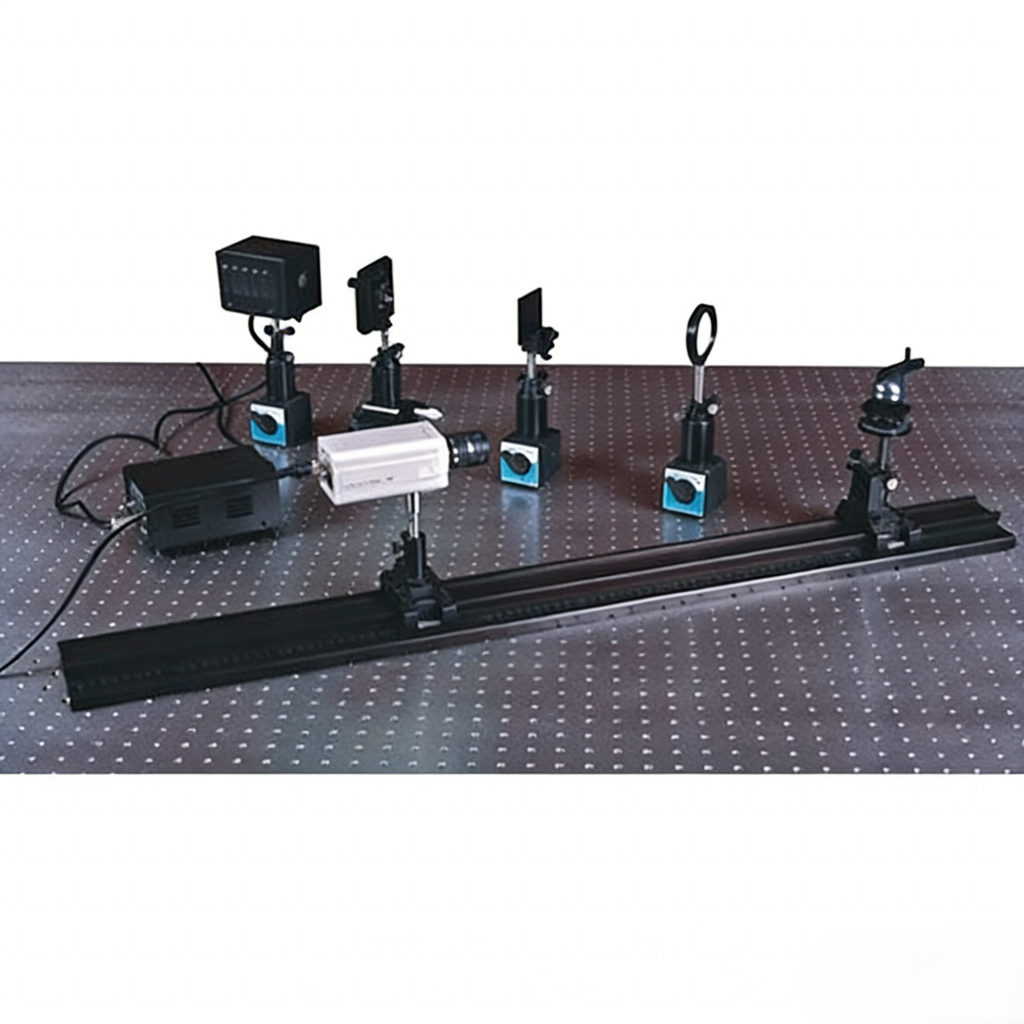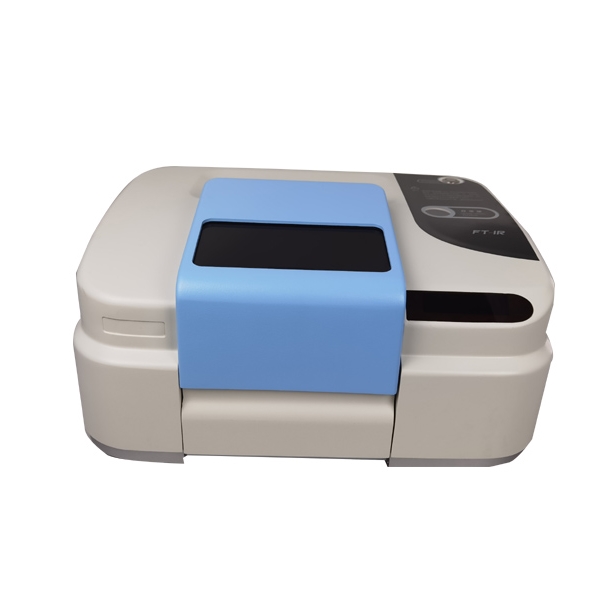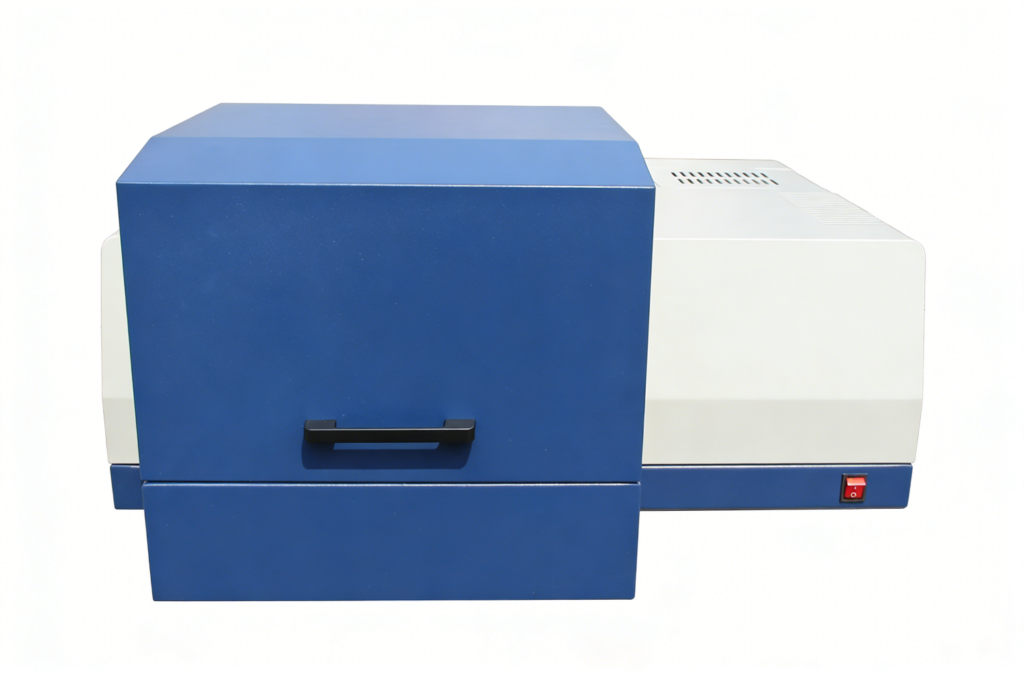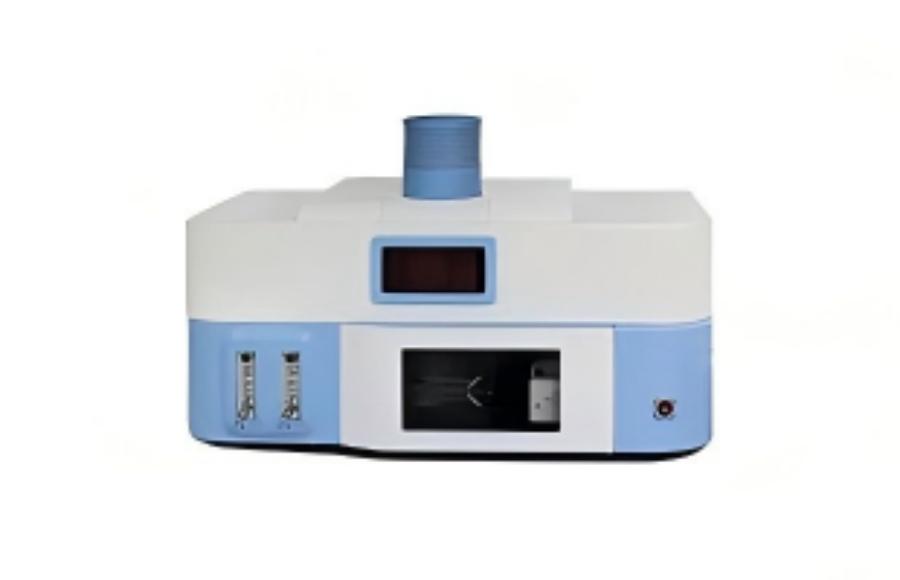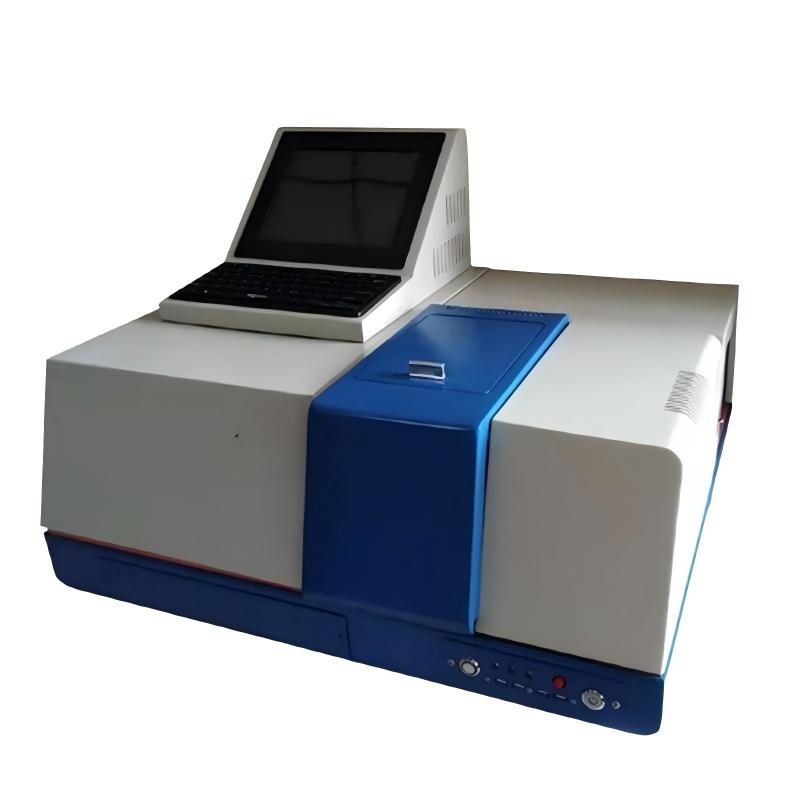
Atomfair TFD-4000 Free Silicon Dioxide Tester in Occupational Disease Prevention Dust
I. Product Application Scenarios
Applicable to the analysis and testing of various dusts in the production environment of electric power, coal and other industries, including silica dust, coal dust, boiler dust, asbestos dust, cement dust, electric welding fume, etc. Such dusts are characterized by high free silicon dioxide content and high dispersion (mostly respirable dust), which are harmful to dust-exposed personnel, and can accurately detect their free silicon dioxide content.
II. Core Detection Principle
Based on infrared spectroscopy, α-quartz has specific strong absorption bands at 12.5μm (800cm⁻¹), 12.8μm (780cm⁻¹) and 14.4μm (694cm⁻¹) in the infrared spectrum. Within a certain range, its absorbance value has a linear relationship with the mass of α-quartz, and quantitative determination is achieved by measuring absorbance.
III. Performance Indicators
| Item | Specification & Parameter |
|---|---|
| Wave number range | 2.5-25μm |
| Wave number accuracy | ≤±2 cm⁻¹ |
| Scan mode | Full wavelength scanning |
| Slit adjustment | 5 gears adjustable |
| Stray light | ≤0.5%T(4000-650cm⁻¹) |
| Sample particle size requirement | Ground to less than 8μm |
| Detection amount | α-quartz detection amount is 0.01mg |
| Relative Standard Deviation (RSD) | 0.64%-1.41% |
| Average recovery rate | 96.0%-99.8% |
| Applicable ambient temperature | 18℃-24℃ |
| Applicable ambient relative humidity | Less than 50% |
IV. Core Characteristics of the Instrument
- Excellent detection capability: Fast and sensitive, can identify three crystal forms of free silicon dioxide with high detection accuracy.
- Convenient and efficient operation: Supports batch detection, Windows full Chinese operation interface, easy to use; can quickly create and print experimental reports with efficient data processing.
- High cost performance of equipment: Less equipment investment, no complex supporting facilities, suitable for automatic analysis scenarios.
- Strong adaptability: Robust design with practical appearance size, can adapt to various analysis and testing environments; moving parts are composed of electromagnetic drive device and precision mechanical guide rail, with loose requirements for use environment.
- Advanced technical configuration: Integrates detection components, signal amplifier and 24-bit analog-to-digital converter, directly outputs digital signals to reduce electronic noise; 24-bit analog-to-digital converter improves weak signal detection capability; high-intensity light source with spherical reflection device to obtain uniform and stable infrared radiation.
- Perfect data processing function: Supports peak marking, peak area integration, baseline calibration, spectral background baseline memory and correction, spectral data accumulation operation, %T & ABS conversion; standard file format storage for convenient data sharing and processing, supports spectral file storage and printing.
V. Instruments and Reagents Required for Detection
(I) Instruments
- Porcelain crucible and crucible tongs
- Box-type resistance furnace or low-temperature ashing furnace
- Analytical balance (sensitivity 0.01mg)
- Drying oven and desiccator
- Agate mortar
- Tablet press and pellet mold
- 200-mesh dust sieve
- Infrared spectrophotometer (record the spectrogram of 900cm⁻¹~600cm⁻¹ with X-axis abscissa, calibrate zero and 100% at 900cm⁻¹, and express absorbance with Y-axis ordinate)
(II) Reagents
- Potassium bromide (GR or spectral pure): Pass through 200-mesh sieve, grind by wet method, dry at 150℃ and store in desiccator for standby
- Anhydrous ethanol (AR)
- Standard α-quartz dust (purity above 99%, particle size <5μm)
VI. Detection Process
- Sample collection: Collect samples in accordance with the determination purpose. The dust collected on the filter membrane can be directly used for determination when the amount is more than 0.1mg.
- Sample treatment: Accurately weigh the dust mass → fold the filter membrane and ash (temperature <600℃) → cool and dry → mix and grind with 250mg potassium bromide → dry at 110℃±5℃ for 10min → prepare pellets by pressurizing 25MPa; treat the blank filter membrane as control at the same time.
- Standard curve drawing: Weigh different masses of standard α-quartz dust from 0.01mg to 1.00mg, mix with 250mg potassium bromide respectively to prepare pellets → scan and determine → draw three standard curves at 800cm⁻¹, 780cm⁻¹ and 694cm⁻¹ with absorbance value as ordinate and quartz mass as abscissa, and obtain regression equation (800cm⁻¹ curve is preferred when there is no interference).
- Sample determination: Scan the sample pellet and blank control pellet respectively, record the absorbance value at 800cm⁻¹ (or 694cm⁻¹) for 3 repetitions → take the average value and deduct the absorbance of blank control → obtain the mass (m) of free silicon dioxide through the standard curve.
- Calculation: The calculation formula for free silicon dioxide (α-quartz) content in dust is: SiO₂(F)=(m/G)×100%, where m is the measured mass of free silicon dioxide (mg), G is the mass of dust sample (mg).
VII. Notes
- The quartz dust used for samples and standard curves shall be fully ground to ensure that more than 95% of the particle size is less than 5μm to avoid the particle size affecting the determination results.
- The ashing temperature of coal dust samples shall be controlled below 600℃. If it contains a large amount of kaolin components, ashing above 600℃ will cause interference.
- If the dust contains clay, mica, amphibole, feldspar and other components that cause interference near 800cm⁻¹, the standard curve of 694cm⁻¹ can be selected for quantitative analysis.
- The laboratory shall control the temperature at 18℃~24℃ and relative humidity <50% to reduce the random error of measurement.
- The analysis conditions for preparing the quartz standard curve shall be completely consistent with those of the tested samples to reduce the systematic error.
If you’re interested, have any questions, or have specific customization requirements, please feel free to contact us at inquiry@atomfair.com.
The instrument requires a controlled ambient temperature of 18℃-24℃ and relative humidity below 50% to ensure measurement accuracy. Sample preparation must avoid particle sizes above 8μm and ashing temperatures above 600℃ to prevent interference and inaccurate results.
- Ambient Conditions: Maintain laboratory temperature at 18℃-24℃ and relative humidity below 50% to reduce random measurement errors.
- Sample Particle Size: Grind dust samples to less than 8μm particle size to ensure accurate detection of free silicon dioxide.
- Ashing Temperature Limit: Control ashing temperature of coal dust samples below 600℃ to avoid interference from kaolin components.
- Interference Management: For dust containing clay, mica, amphibole, or feldspar, use the 694cm⁻¹ standard curve to avoid interference near 800cm⁻¹.
- Standard Curve Consistency: Prepare the quartz standard curve under conditions identical to those used for test samples to minimize systematic errors.
This procedure involves sample collection, ashing, pellet preparation, and infrared spectroscopic analysis to quantify free silicon dioxide content. The method requires precise control of particle size, ashing temperature, and ambient conditions to ensure accurate results.
Required Equipment: Infrared spectrophotometer, Box-type resistance furnace, Analytical balance (sensitivity 0.01mg), Tablet press and pellet mold
- Collect Dust Sample
Collect dust samples on a filter membrane, ensuring a minimum of 0.1mg of dust for direct determination. - Ash the Sample
Weigh the dust mass, fold the filter membrane, and ash at a temperature below 600℃ to remove organic matter. - Prepare Pellet
Mix the ashed sample with 250mg of potassium bromide, dry at 110℃±10℃ for 10 minutes, and press into a pellet at 25MPa. - Scan Sample and Control
Scan the sample pellet and a blank control pellet using the infrared spectrophotometer, recording absorbance at 800cm⁻¹ (or 694cm⁻¹) three times each. - Calculate Silicon Dioxide Content
Average the absorbance readings, subtract the blank control value, and use the standard curve to determine the mass of free silicon dioxide, then calculate the content using the formula SiO₂(F)=(m/G)×100%.
What is the significance of the three standard curves at 800 cm⁻¹, 780 cm⁻¹, and 694 cm⁻¹ for α-quartz detection, and when should each be used?
The three curves correspond to specific absorption bands of α-quartz in the infrared spectrum. The 800 cm⁻¹ curve is preferred when no interfering minerals are present. If the dust contains clay, mica, amphibole, or feldspar that cause interference near 800 cm⁻¹, the 694 cm⁻¹ curve can be selected for quantitative analysis. The 780 cm⁻¹ band serves as an additional reference, as stated in the detection principle and notes.
What mineral interferences can affect the accuracy of free silica measurement with the TFD-4000, and how does the instrument address them?
Clay, mica, amphibole, and feldspar components present in dust can cause spectral interference near 800 cm⁻¹. The TFD-4000 addresses this by offering an alternative standard curve at 694 cm⁻¹, which avoids these interferences. The instrument's detection principle is based on α-quartz's specific absorption bands, and the three-curve approach allows selection of an interference-free band for reliable quantification.
What environmental and sample preparation conditions are required for reliable free silica testing with the TFD-4000?
The laboratory must maintain ambient temperature between 18°C and 24°C and relative humidity below 50% to reduce random measurement error. Sample dust must be ground to less than 8 μm particle size, and quartz dust for standards must be fully ground so that >95% of particles are below 5 μm to avoid particle size effects. Additionally, ashing temperature for coal dust must be kept below 600°C to prevent interference from kaolin components.
The Atomfair TFD-4000 Free Silicon Dioxide Tester leverages infrared spectroscopy to quantify α-quartz in occupational dust samples, with a detection limit of 0.01 mg and a recovery rate of 96.0%-99.8%, making it suitable for monitoring silica, coal, and other respirable dusts in industrial hygiene applications.
Positive
- High sensitivity and specificity for α-quartz: The instrument detects α-quartz at 0.01 mg using characteristic infrared absorption bands at 800, 780, and 694 cm⁻¹, enabling accurate quantification even in trace amounts within respirable dust samples.
- Robust design with low environmental sensitivity: The electromagnetic drive and precision guide rail moving parts have loose environmental requirements, and the 24-bit ADC with high-intensity light source ensures stable, low-noise measurements, supporting batch analysis and automated workflows.
Trade-offs
- Strict sample preparation requirements: Accurate results require dust samples to be ground to <8 μm (with >95% <5 μm for standards) and pelletized with KBr under 25 MPa pressure, demanding skilled labor and consistent technique to avoid particle-size-related errors.
- Controlled laboratory environment mandatory: The instrument must be operated at 18-24°C and <50% relative humidity to minimize random measurement errors, and ashing of coal dust must be kept below 600°C to prevent interference from kaolin, limiting flexibility in field or non-climate-controlled settings.
Every advanced material, component, equipment, and instrument in our catalog is backed by rigorous testing. We maintain strict internal quality management frameworks and align with CE conformity metrics to deliver transparent, reproducible performance data via our public open-science repository.
To request raw batch performance data, submit formal vendor registration paperwork, or execute a fast-turnaround R&D manufacturing loop, contact us at inquiry@atomfair.com.
Item is dispatched under the Atomfair Shipping & Delivery Framework (Free worldwide shipping on orders over $59 USD excl. heavy equipment). Return is governed by the Atomfair Return & Refund Policy (7-day technical return window).