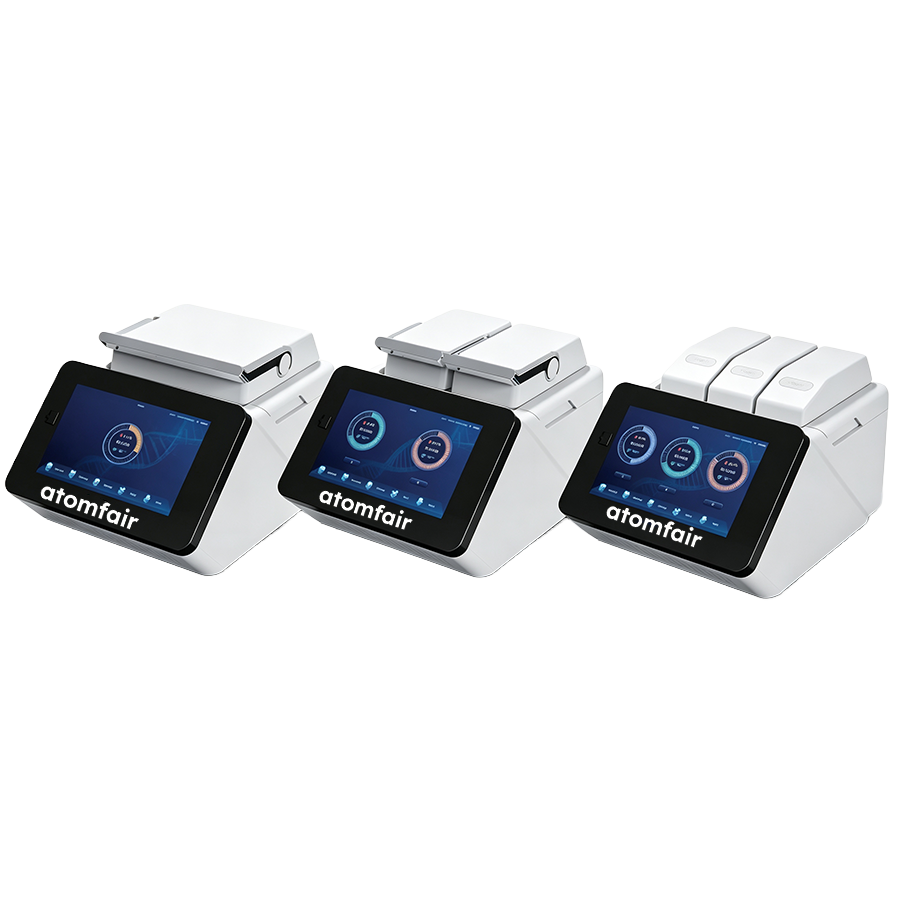
TC2000-G1 Gradient Thermal CyclerProduct Type: Temperature control instrument
Research-grade temperature control platform
|
|||||||||||||||||||||||||||||||||||||||||||||||||||||||||||
|
|||||||||||||||||||||||||||||||||||||||||||||||||||||||||||
|
TAILORED SOLUTIONS FOR RESEARCH
For bulk orders, OEM requirements, accessory matching or configuration confirmation, contact our engineering sales team.
EMAIL: inquiry@atomfair.com
|
|||||||||||||||||||||||||||||||||||||||||||||||||||||||||||
|
Supplier: Atomfair
Brand: ATOMFAIR®
|
Operate the instrument only within the ambient temperature range of 5 to 40 °C and relative humidity up to 80% to prevent electrical malfunction. Use a grounded power outlet supplying 100-240 V at 50/60 Hz to avoid electrical hazards.
- Environmental Limits: Maintain ambient temperature between 5 and 40 °C and relative humidity below 80% to ensure reliable operation.
- Electrical Safety: Connect the instrument to a grounded power outlet with the specified voltage and frequency range to prevent electrical shock.
- Heated Lid Safety: Allow the heated lid to cool below 30 °C before handling to avoid burns, as it can reach up to 115 °C.
- Sample Compatibility: Use only compatible sample vessels and blocks as specified in the technical documentation to ensure proper thermal contact and avoid damage.
Set up the instrument in a suitable environment and connect to power. Load samples, program the desired thermal protocol, and start the run.
- Program Setup
Select a stored program or create a new program using the touch screen, defining up to 30 steps and 199 cycles. - Load Samples
Place the sample vessels into the compatible block and close the heated lid securely. - Start Run
Press the start button on the touch screen to begin the thermal cycling protocol. - Monitor Progress
Monitor the run progress via the display; the instrument automatically tracks the next step in the program.
What are the practical implications of the block versus tube control mode on temperature accuracy and ramp rate?
The TC2000-G1 offers both Block and Tube control modes. In Block mode, temperature is regulated by the block sensor; in Tube mode, an algorithm estimates sample temperature for tighter tracking. Across both modes, the instrument maintains a temperature accuracy of ±0.1 °C and a maximum ramp rate of 5 °C/sec, ensuring consistent performance. Tube mode is advantageous for fast protocols where accurate sample temperature is critical, though both modes meet the specified precision.
Can the TC2000-G1 accommodate both 0.2 mL PCR tubes and 96-well plates, and what are the heated lid compatibility considerations?
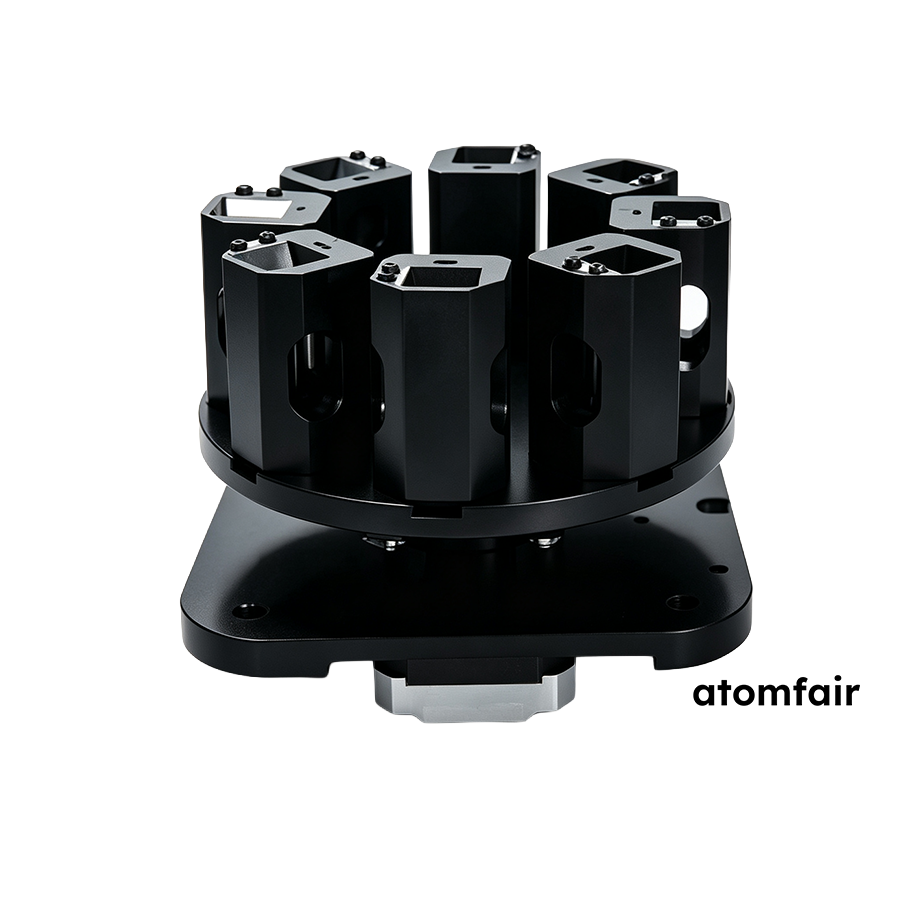
Yes, the TC2000-G1 sample module supports 96 x 0.2 mL PCR tubes, 12 x 0.2 mL PCR 8-strip tubes, and 0.2 mL 96-well PCR plates. The heated lid setting range is 30 to 115 °C, covering standard PCR protocols. Users should confirm that their specific tube or plate sealing method is compatible with the heated lid, as the product description advises confirming block or module compatibility before ordering.
What are the power and environmental requirements for installing the TC2000-G1?
The TC2000-G1 operates on a universal power supply of 100–240 V, 50/60 Hz, with a maximum power consumption of 600 W. It is designed for an ambient environment of 5 to 40 °C and up to 80% relative humidity. The instrument measures 310 × 422 × 264 mm and weighs 11 kg, fitting easily on a standard lab bench. Power-off protection is built in to preserve stored programs during interruptions.
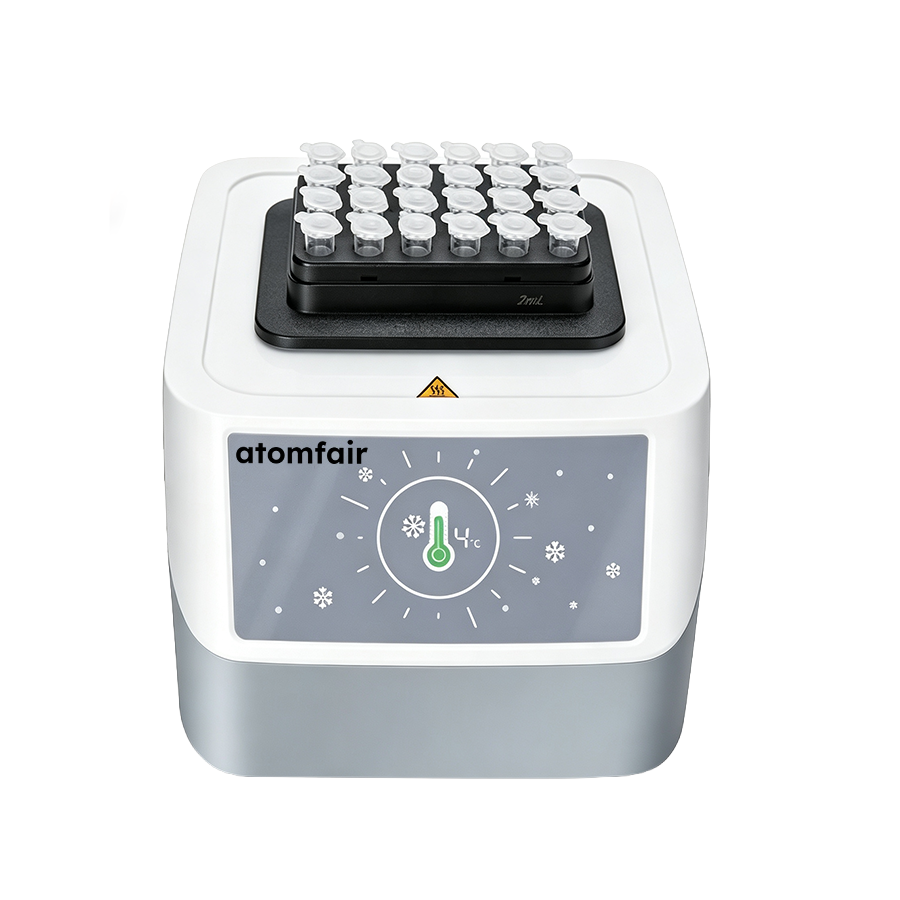
The TC2000-G1 Gradient Thermal Cycler offers precise dry-block temperature control with ±0.1 °C accuracy and a 1-42 °C gradient range, suitable for PCR optimization and routine incubation. Its moderate ramp rate and lack of shaking module are operational constraints for high-speed cycling or mixing-dependent protocols.
Positive
- High temperature accuracy and uniformity: Temperature accuracy ±0.1 °C and uniformity ±0.2 °C at 55 °C ensure reproducible thermal conditions across the block, critical for sensitive enzymatic reactions and PCR optimization.
- Wide gradient range for protocol optimization: Gradient setting from 30 to 105 °C with a range of 1 to 42 °C enables simultaneous evaluation of multiple annealing temperatures in a single run, accelerating protocol development.
Trade-offs
- Moderate maximum ramp rate: Maximum ramp rate of 5 °C/sec may limit rapid thermal cycling applications; users requiring faster transitions should verify compatibility with their workflow.
- No integrated shaking module: The instrument lacks a shaking or mixing function, restricting its use to static incubation; applications requiring agitation must use external equipment.
Every advanced material, component, equipment, and instrument in our catalog is backed by rigorous testing. We maintain strict internal quality management frameworks and align with CE conformity metrics to deliver transparent, reproducible performance data via our public open-science repository.
To request raw batch performance data, submit formal vendor registration paperwork, or execute a fast-turnaround R&D manufacturing loop, contact us at inquiry@atomfair.com.
Item is dispatched under the Atomfair Shipping & Delivery Framework (Free worldwide shipping on orders over $59 USD excl. heavy equipment). Return is governed by the Atomfair Return & Refund Policy (7-day technical return window).