T-Shaped Nickel Working Electrode series | ATOMFAIRRESEARCH GRADE INSTRUMENT
|
|||||||||||||||||||||||
|
|||||||||||||||||||||||
|
TAILORED SOLUTIONS FOR RESEARCH
Contact our engineering team for technical support or official institutional quotations.
EMAIL: inquiry@atomfair.com
|
|||||||||||||||||||||||
|
Manufacturer: Atomfair LLC
Brand: ATOMFAIR®
|
|||||||||||||||||||||||
The T-Shaped Nickel Working Electrode requires strict control of surface contamination and environmental exposure to maintain electrochemical performance. Storage and handling must be conducted in sealed containers or anhydrous inert atmospheres to prevent degradation before use.
- Surface Contamination Sensitivity: The electrode is highly sensitive to surface contamination and must be stored in sealed containers or handled in an anhydrous inert environment.
- Environmental Handling Requirement: Handling should be performed exclusively within an anhydrous inert atmosphere to prevent phase contamination or degradation before electrochemical validation.
- Storage Integrity: Containers must remain tightly sealed to maintain electrode integrity and prevent degradation over time.
Does the choice of nickel working electrode diameter (2mm vs 4mm) impact current density distribution or experimental reproducibility?
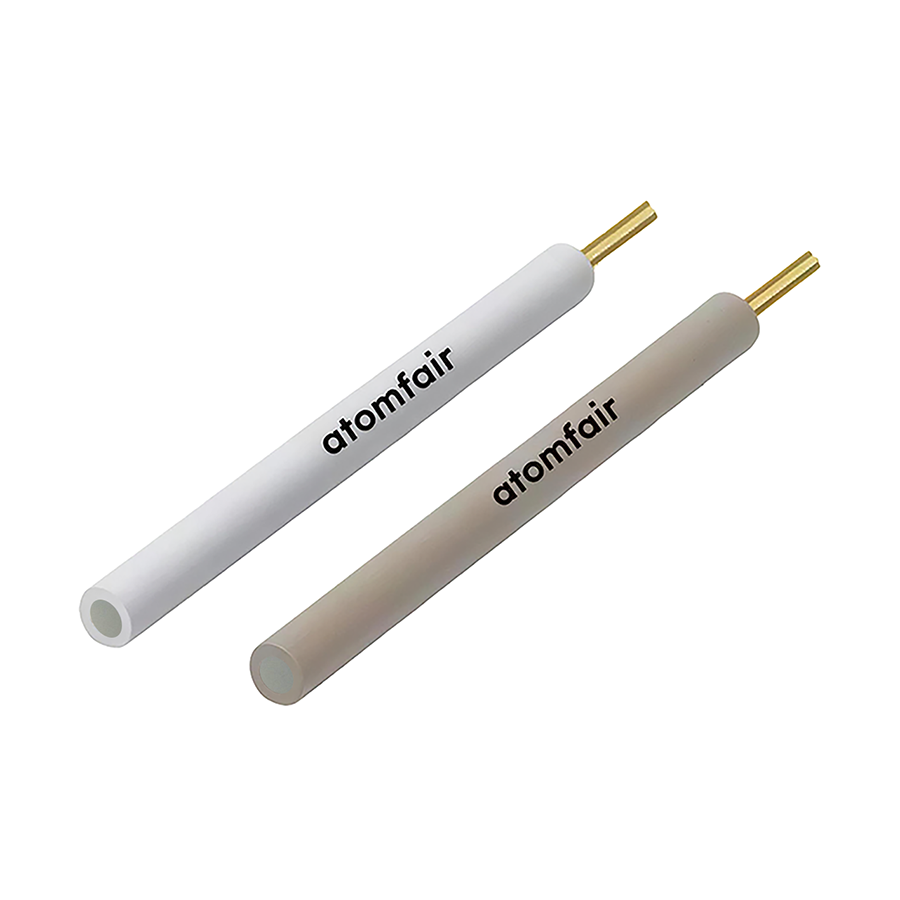
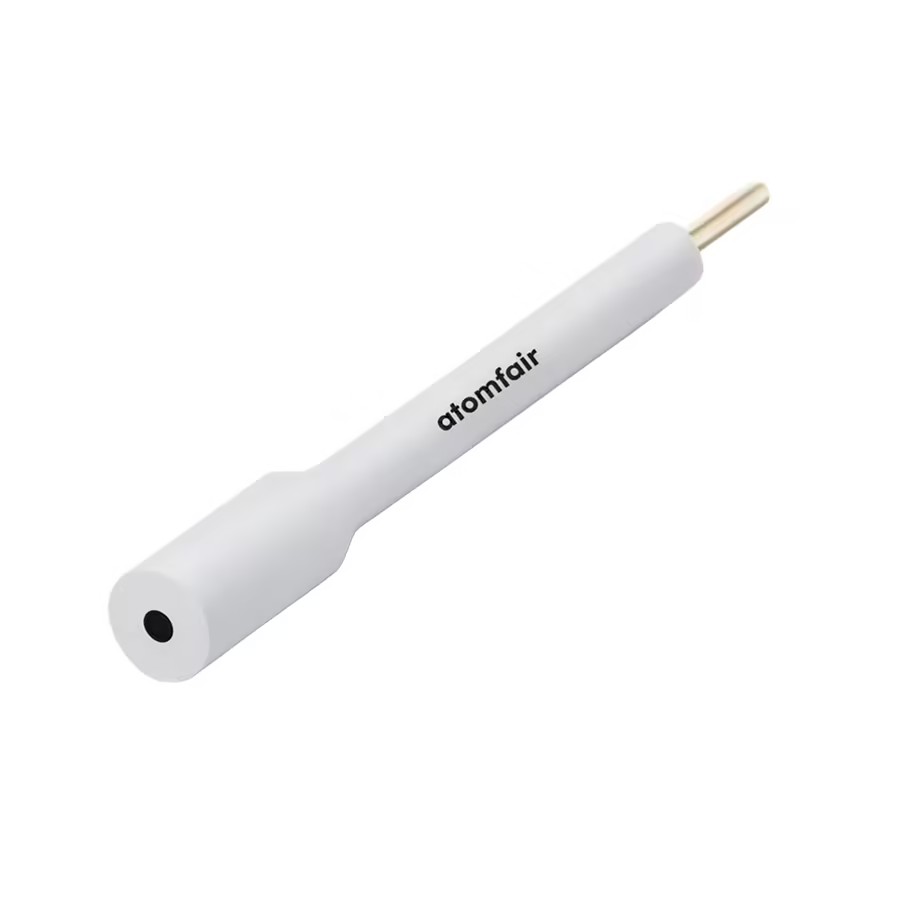
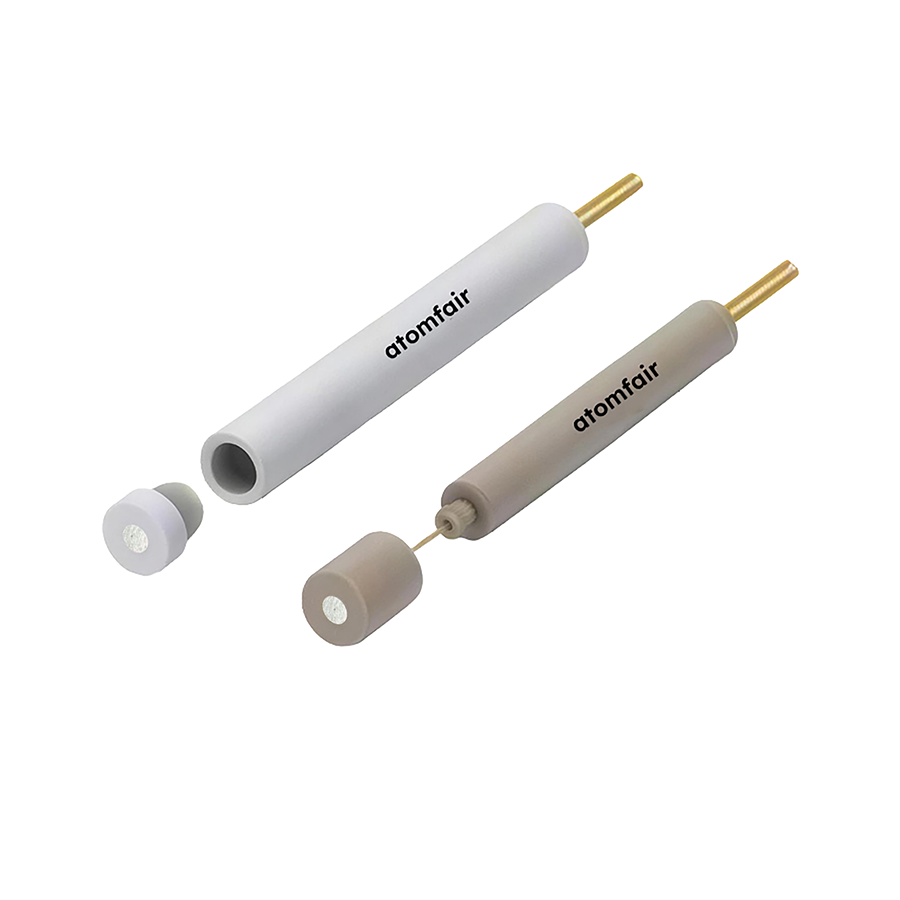
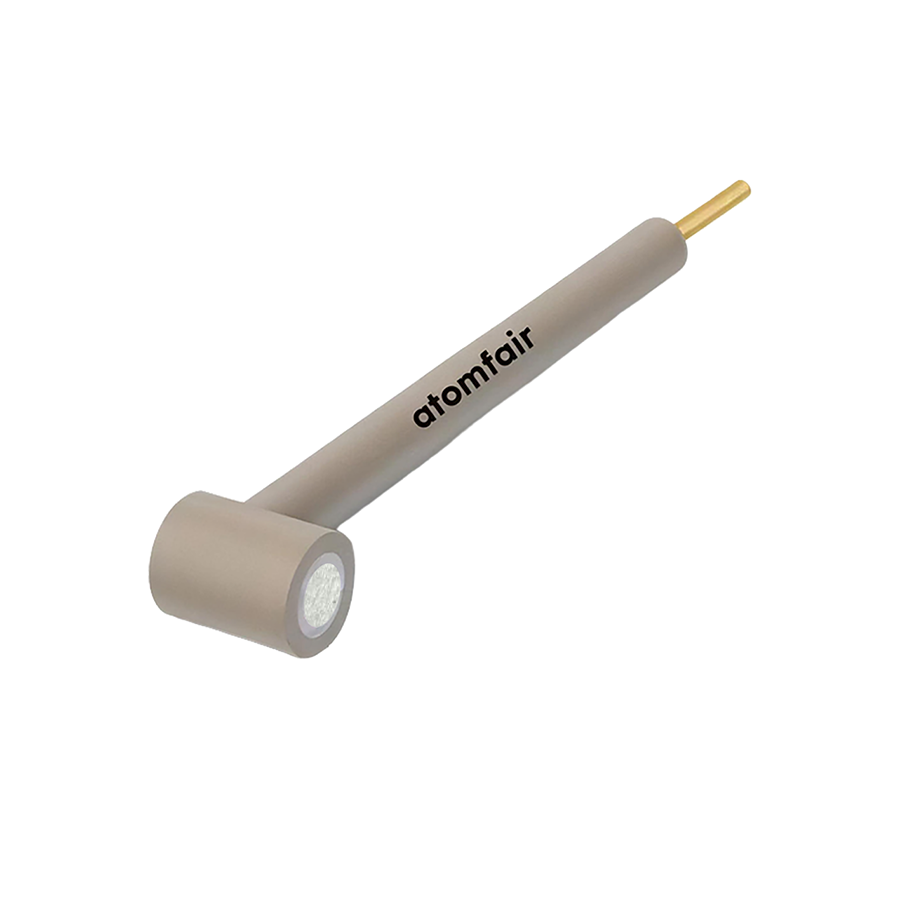
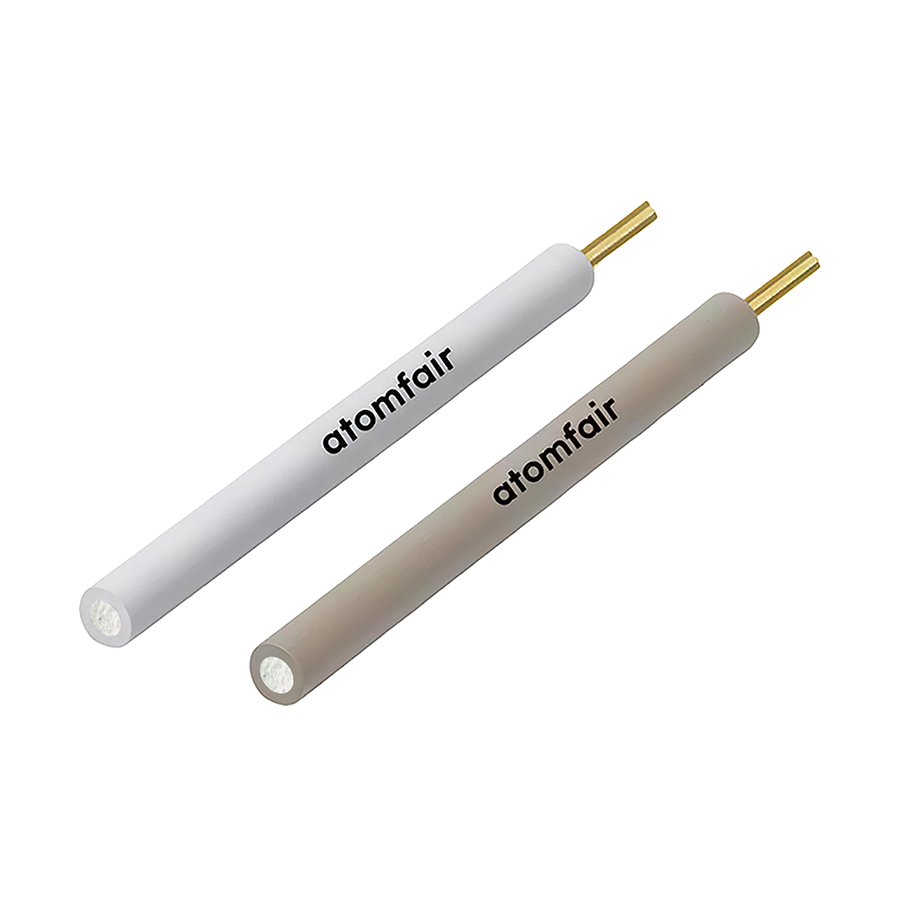
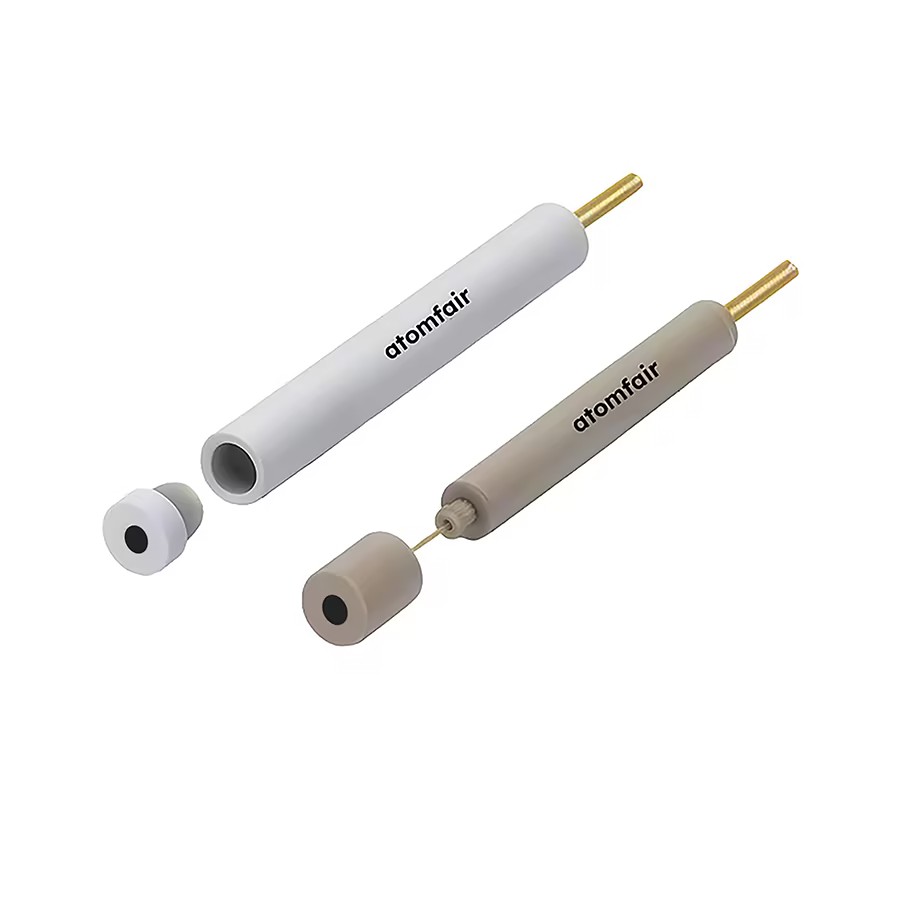
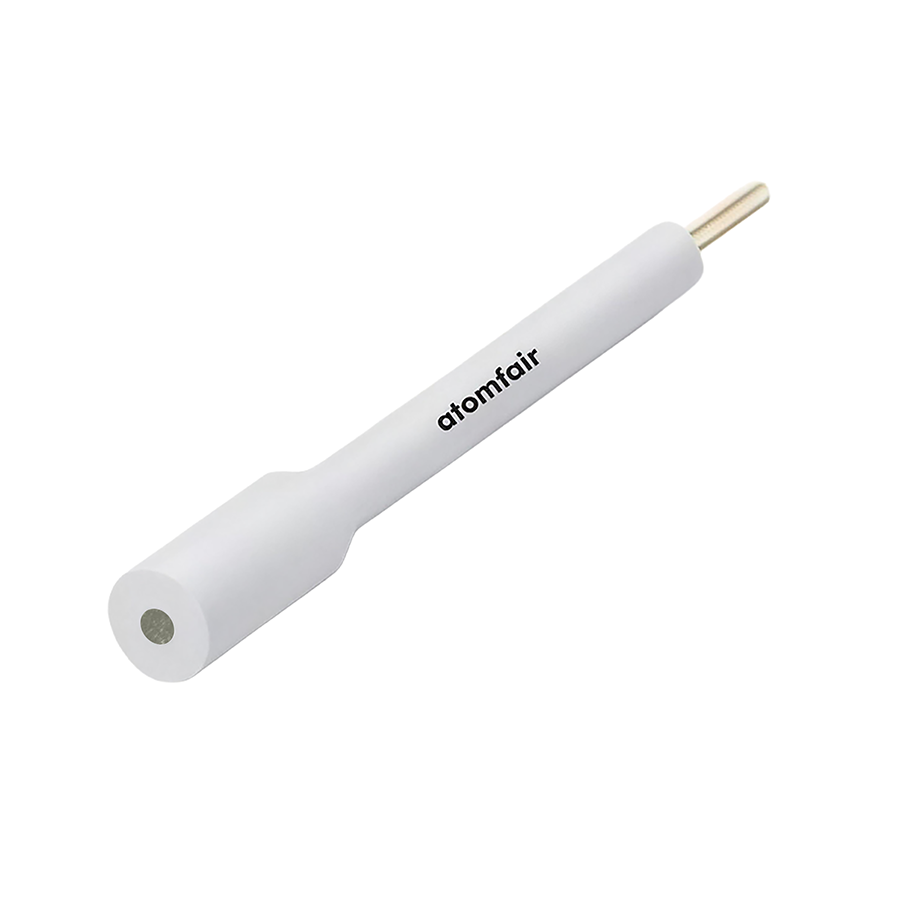
According to the product specifications, all diameters from 2mm to 4mm feature a T-shaped cylindrical configuration with a flat embedded disk and standardized tip diameters. This precision embedded design promotes reproducible electrode placement and uniform current density distribution across all sizes, so the primary trade-off is geometric surface area rather than electrochemical uniformity. Researchers should select the optimal diameter based on application-specific requirements such as total current demand or spatial resolution.
Is the T-Shaped Nickel Working Electrode suitable for acidic electrolyte environments such as those used in proton exchange membrane water electrolysis?
The ATOMFAIR T-Shaped Nickel Working Electrode is explicitly designed for applications including water electrolysis and alkaline battery studies, with nickel providing outstanding corrosion resistance in alkaline environments. The product description does not specify performance in acidic media; while the gold-plated copper rod and PTFE body offer chemical inertness, nickel's corrosion resistance in strong acids may be limited. Researchers requiring acidic conditions are advised to consult the engineering team for compatibility assessment.
What storage and handling precautions are required to maintain the nickel electrode surface integrity before use?
The product is highly sensitive to surface contamination. The manufacturer mandates that containers must be kept tightly sealed, and the electrode should be handled exclusively within an anhydrous inert environment to prevent phase contamination or degradation before electrochemical validation. These precautions are critical to ensure research-grade performance in sensitive applications such as hydrogen evolution and oxidation studies.
This T-shaped nickel working electrode combines a high-purity nickel disk with a PTFE insulative body and gold-plated copper rod, offering robust performance in alkaline electrocatalysis but requiring strict contamination control during storage and handling.
Positive
- Nickel material with excellent catalytic activity: Nickel provides high catalytic activity for hydrogen evolution and oxidation, excellent corrosion resistance in alkaline environments, and superior electron transfer kinetics, making it ideal for fuel cell, water electrolysis, and alkaline battery research.
- Precision embedded T-shaped design: The T-shaped cylindrical geometry with flat embedded disk ensures reproducible electrode placement and uniform current density distribution across all diameter sizes.
Trade-offs
- Surface contamination sensitivity: This electrode is highly sensitive to surface contamination; it must be stored in sealed containers or handled exclusively within an anhydrous inert environment to prevent degradation before electrochemical validation.
Every advanced material, component, equipment, and instrument in our catalog is backed by rigorous testing. We maintain strict internal quality management frameworks and align with CE conformity metrics to deliver transparent, reproducible performance data via our public open-science repository.
To request raw batch performance data, submit formal vendor registration paperwork, or execute a fast-turnaround R&D manufacturing loop, contact us at inquiry@atomfair.com.
Item is dispatched under the Atomfair Shipping & Delivery Framework (Free worldwide shipping on orders over $59 USD excl. heavy equipment). Return is governed by the Atomfair Return & Refund Policy (7-day technical return window).