Standard Pyrolytic Graphite Working Electrode series | ATOMFAIRRESEARCH GRADE INSTRUMENT
|
|||||||||||||||||||||||
|
|||||||||||||||||||||||
|
TAILORED SOLUTIONS FOR RESEARCH
Contact our engineering team for technical support or official institutional quotations.
EMAIL: inquiry@atomfair.com
|
|||||||||||||||||||||||
|
Manufacturer: Atomfair LLC
Brand: ATOMFAIR®
|
|||||||||||||||||||||||
This electrode is highly sensitive to surface contamination, requiring storage in sealed containers and handling within an anhydrous inert environment. Exposure to ambient atmosphere can cause phase contamination or degradation, compromising electrochemical performance.
- Surface Contamination Sensitivity: The pyrolytic graphite surface must be protected from any contamination to maintain low background current and wide potential window.
- Inert Environment Requirement: All handling steps prior to electrochemical validation must be performed in an anhydrous inert atmosphere, such as an argon-filled glovebox.
- Storage Protocol: The electrode should be kept in its original sealed container until immediately before use to avoid exposure to moisture and contaminants.
- Degradation Prevention: Any phase contamination or surface degradation will invalidate electrochemical results and require reconditioning.
Does the 5 mm electrode head length on the standard pyrolytic graphite working electrode impose any limitations on its use in rotating disk electrode (RDE) configurations with variable immersion depths?
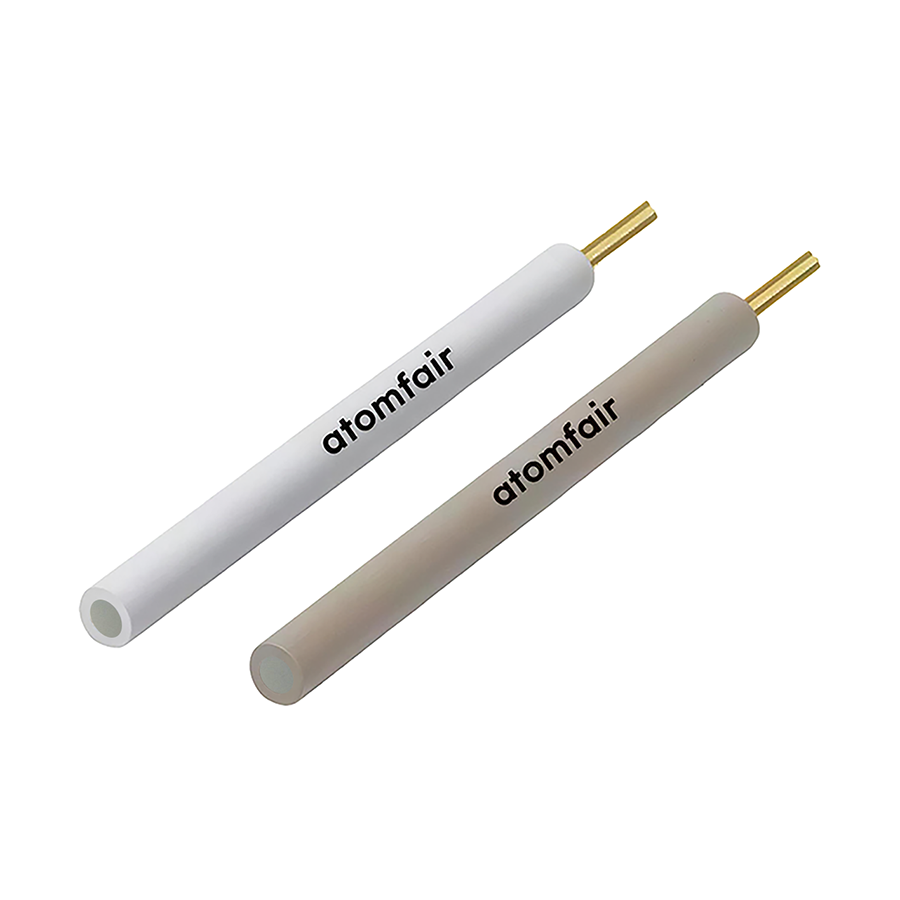
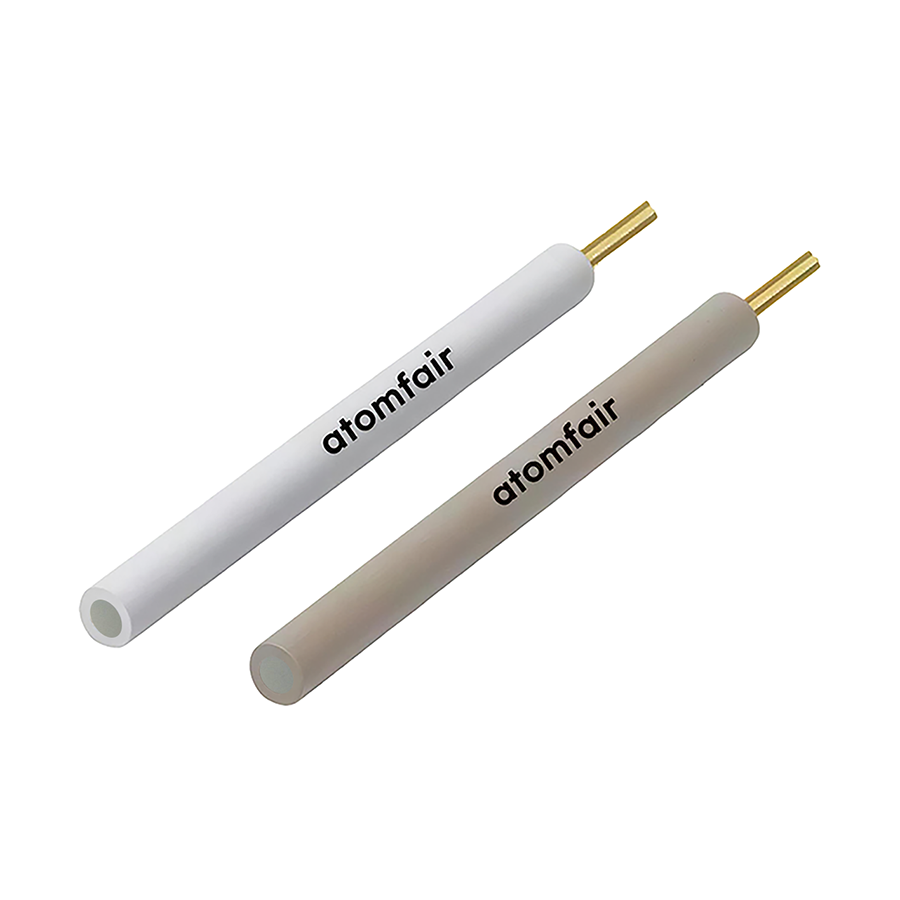
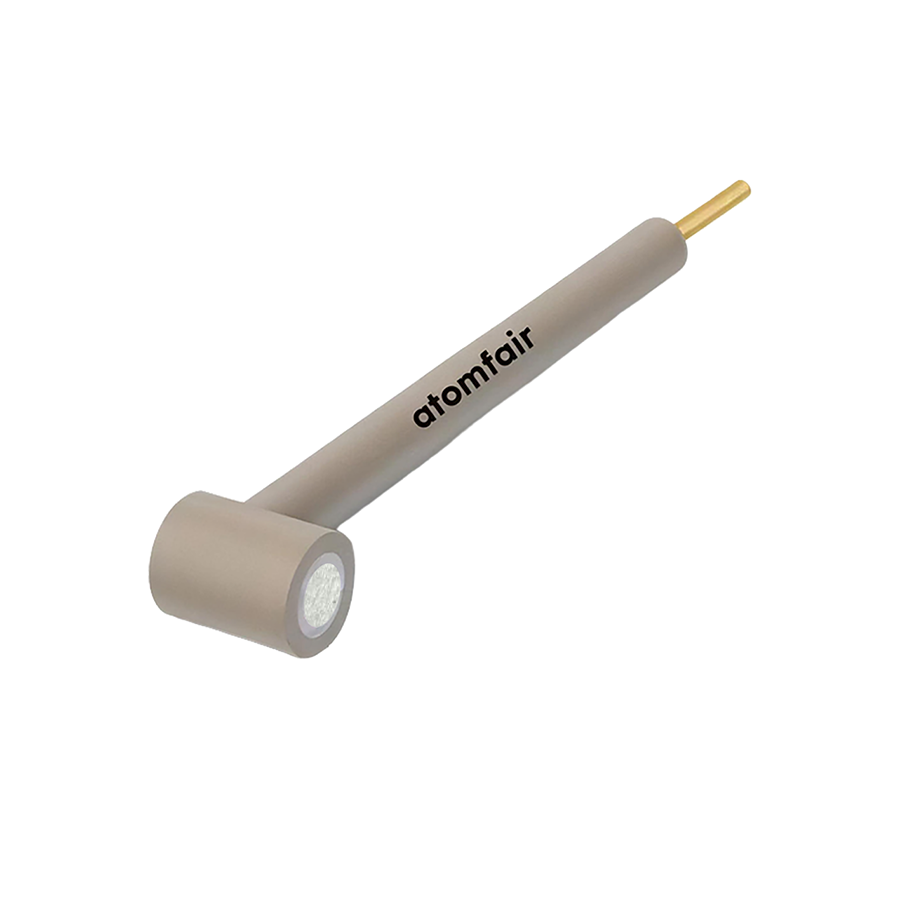
No, the 5 mm head length is a standard production specification designed for seamless compatibility with standard three-electrode cells and RDE setups as stated in the product overview. The PTFE encapsulation ensures absolute leak-proof sealing during rotation, and immersion depth is not a constraining factor provided the PTFE sheath is properly submerged.
Is this pyrolytic graphite working electrode compatible with organic solvent-based electrolytes commonly used in lithium-ion battery research?
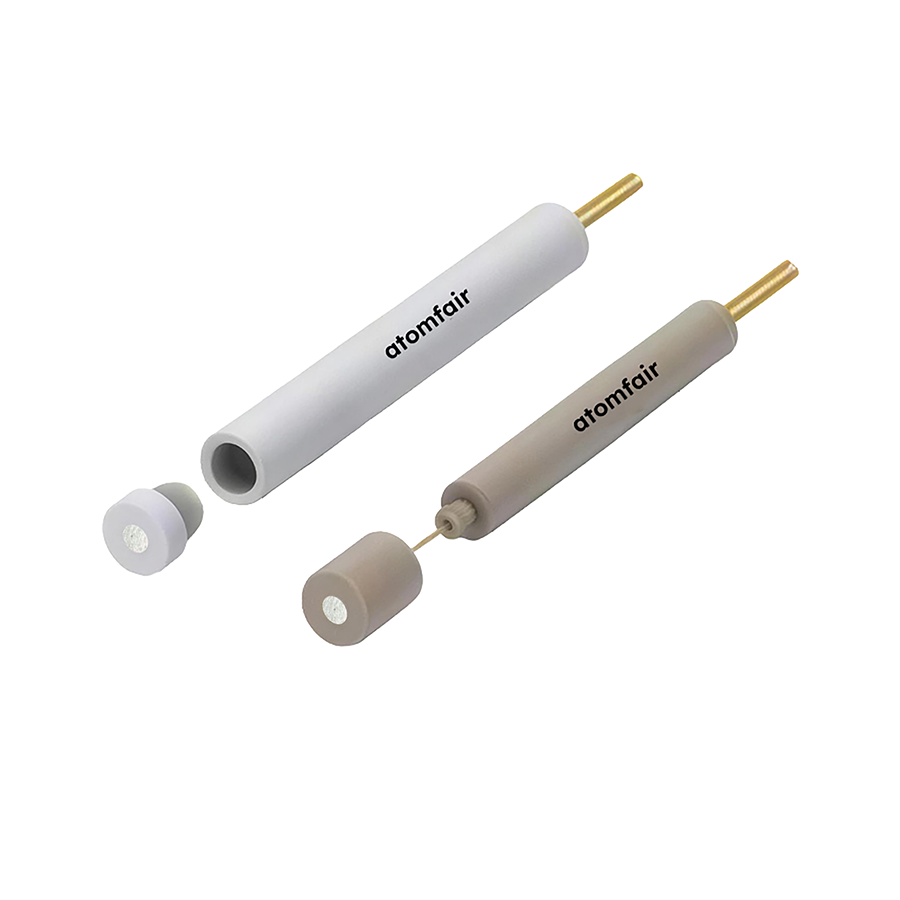
Yes, the electrode is suitable for advanced energy systems including battery research. The standard PTFE encapsulation is chemically resistant to most organic solvents, and an optional PEEK encapsulation can be specified for aggressive media. The pyrolytic graphite material itself offers a wide potential window and low background current, making it appropriate for non-aqueous electrochemistry.
What precautions must be taken during storage to prevent pyrolytic graphite electrode surface contamination before electrochemical measurements?
The product important notice states that the electrode is highly sensitive to surface contamination. It must be stored in tightly sealed containers or handled exclusively within an anhydrous inert environment to prevent phase contamination or degradation prior to electrochemical validation.
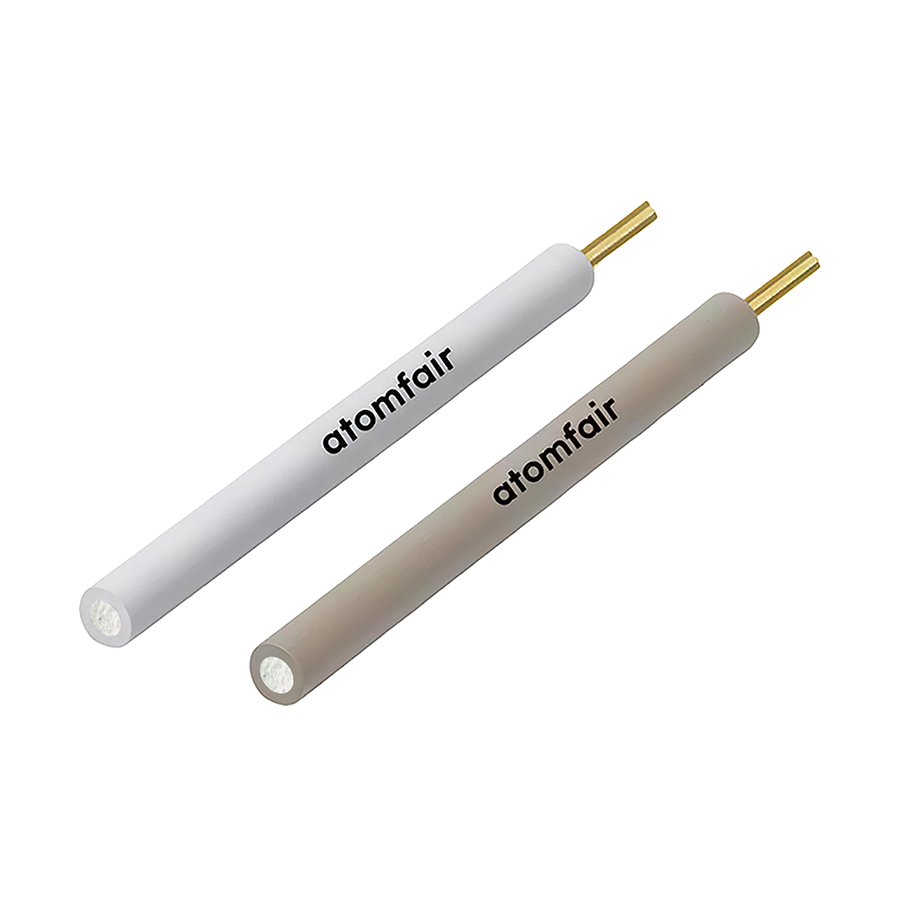
This 2mm diameter Standard Pyrolytic Graphite Working Electrode provides a wide potential window and low background current for electrochemical research, but requires stringent handling to prevent surface contamination and has a fixed 5mm electrode head length that may limit cell compatibility.
Positive
- Wide potential window and low background current: The pyrolytic graphite material yields a wide potential window and low background current, making it suitable for diverse redox systems, battery research, and sensor development.
- Leak-proof PTFE encapsulation: The PTFE jacket ensures absolutely no electrolyte seepage, maintaining baseline stability and protecting the electrode seal during long-term experiments.
Trade-offs
- High sensitivity to surface contamination: The electrode is highly sensitive to surface contamination; containers must be kept tightly sealed or handled exclusively in an anhydrous inert environment to prevent phase contamination or degradation before use.
- Fixed electrode head length of 5mm: The standard production specification of a 5mm electrode head length may not be compatible with all custom cell geometries or deep-well experimental setups.
Every advanced material, component, equipment, and instrument in our catalog is backed by rigorous testing. We maintain strict internal quality management frameworks and align with CE conformity metrics to deliver transparent, reproducible performance data via our public open-science repository.
To request raw batch performance data, submit formal vendor registration paperwork, or execute a fast-turnaround R&D manufacturing loop, contact us at inquiry@atomfair.com.
Item is dispatched under the Atomfair Shipping & Delivery Framework (Free worldwide shipping on orders over $59 USD excl. heavy equipment). Return is governed by the Atomfair Return & Refund Policy (7-day technical return window).