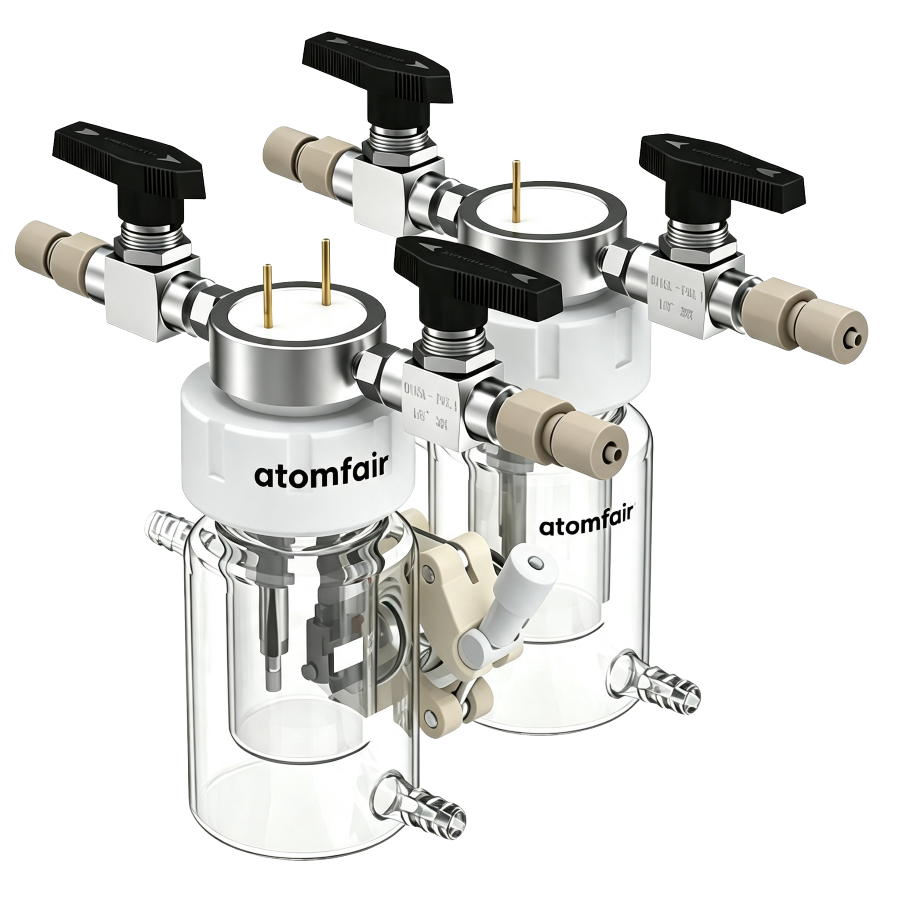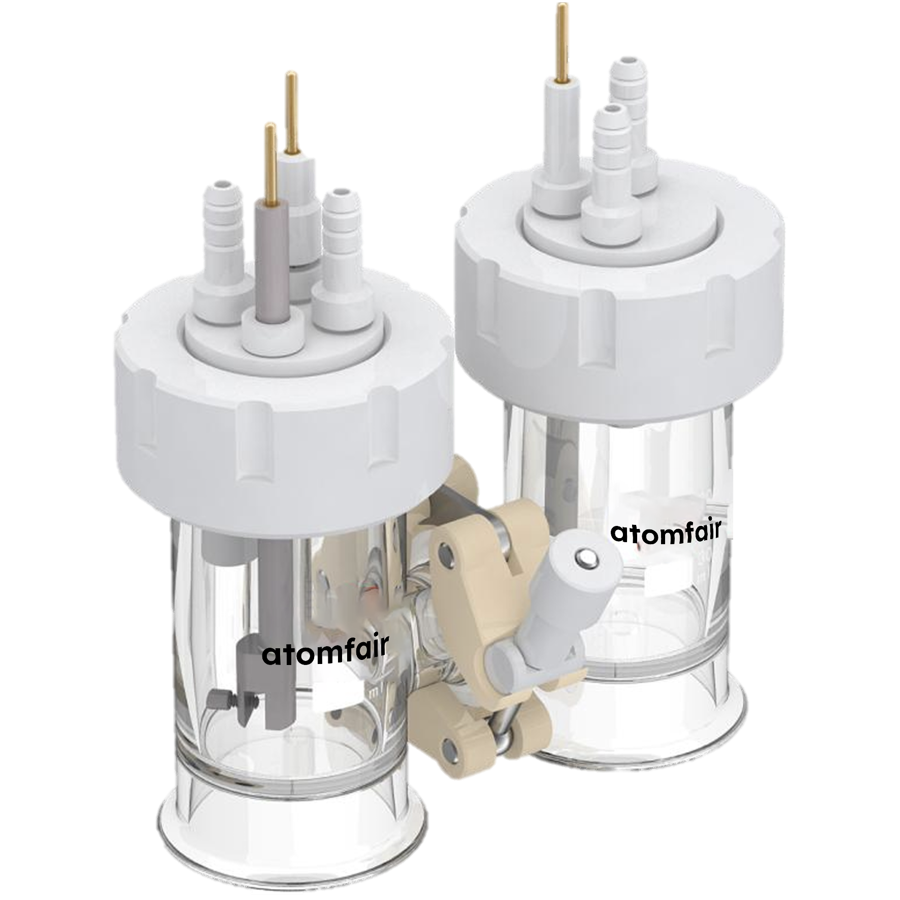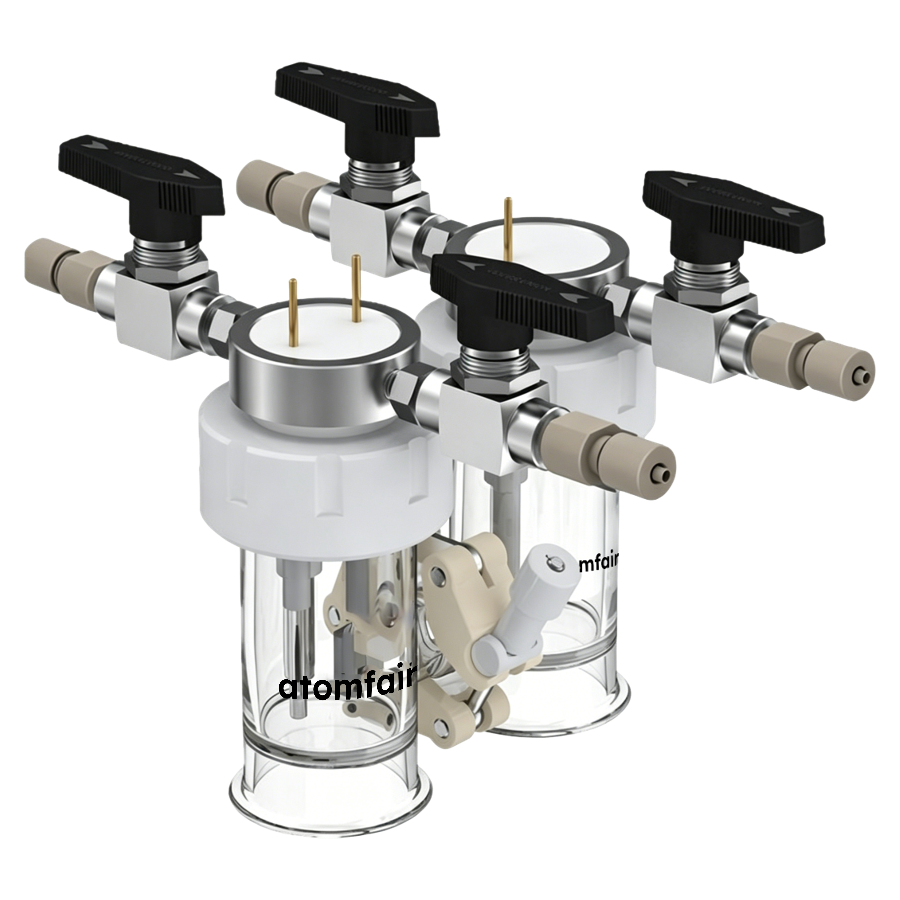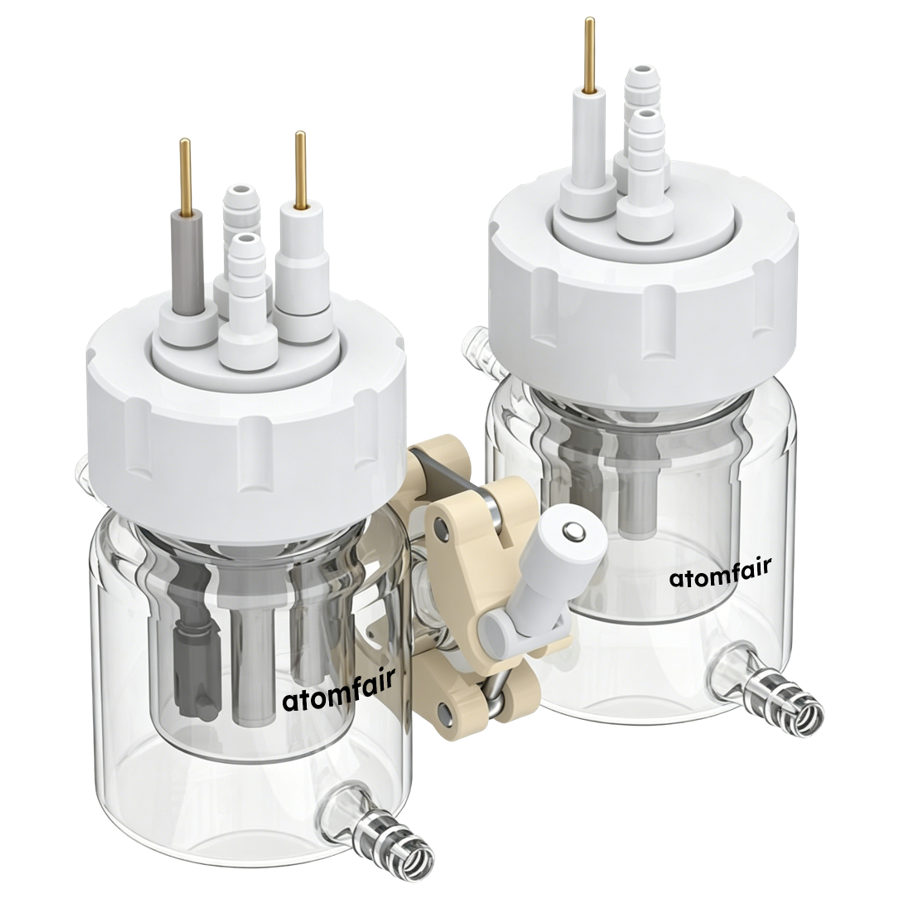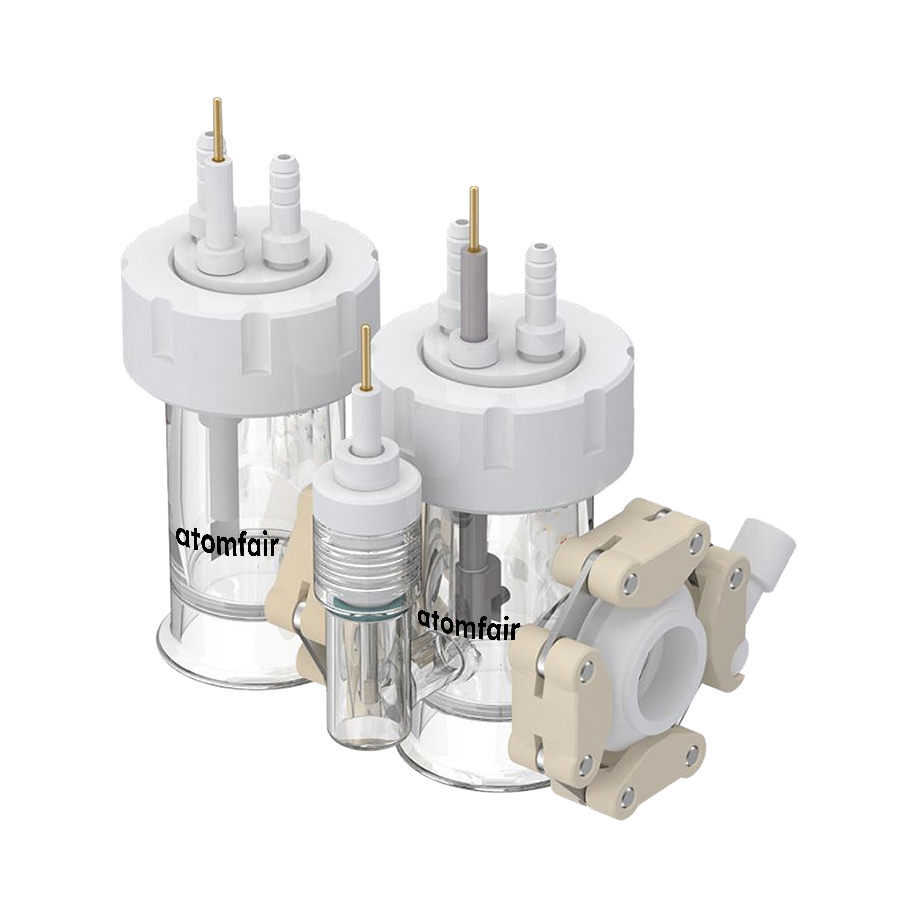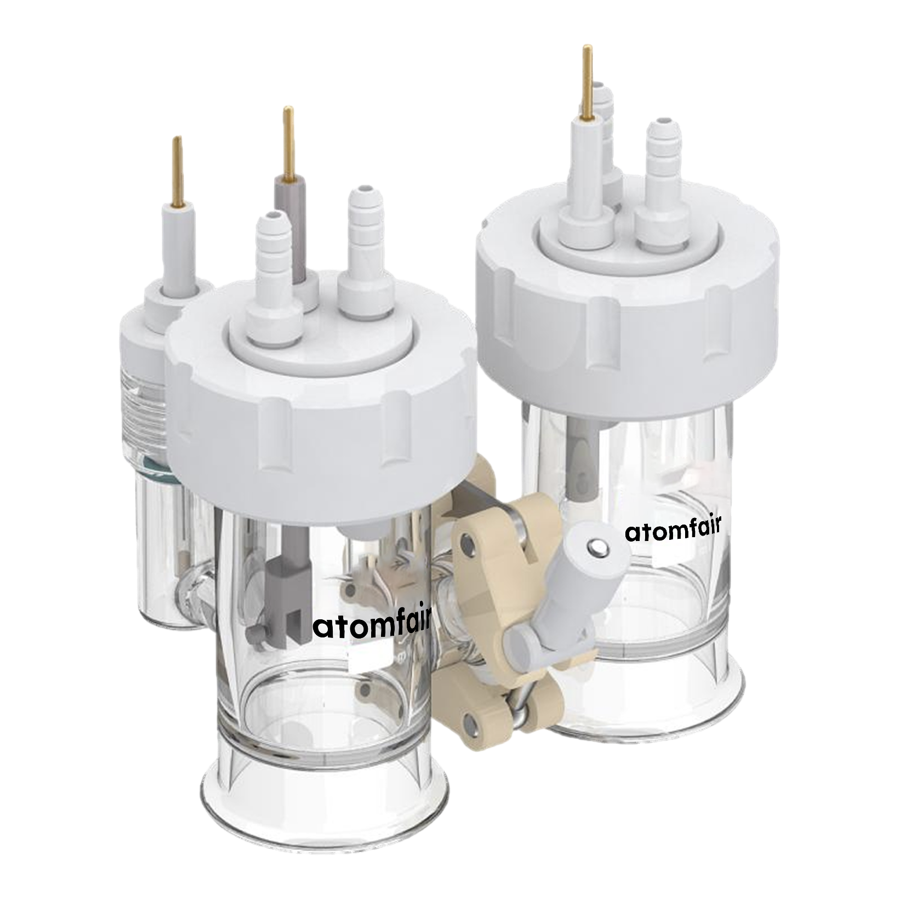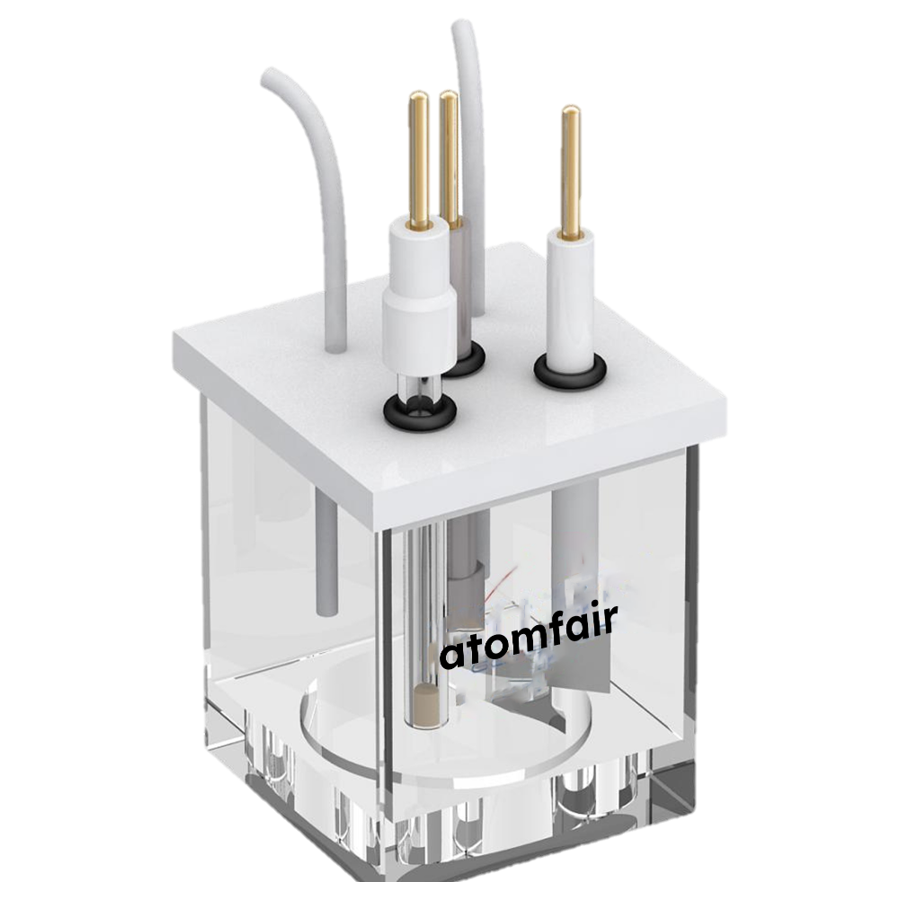
Square Quartz Electrochemical Cell, Open Type | ATOMFAIRProduct Type: Electrochemical cell
Research-grade laboratory product
|
|||||||||||||||||||||||||||||||
|
|||||||||||||||||||||||||||||||
|
LABORATORY PROCUREMENT SUPPORT
For model selection, accessory matching, platform compatibility or configuration confirmation, contact our technical sales team.
E-MAIL: inquiry@atomfair.com
|
|||||||||||||||||||||||||||||||
|
Manufacturer: Atomfair LLC
Brand: ATOMFAIR®
|
Manufacturer: Atomfair LLC
Brand: ATOMFAIR®
This quartz electrochemical cell requires careful thermal management and chemical compatibility verification. Avoid thermal shock and handle the quartz body with care to prevent scratches.
- Thermal Management: Remove the PTFE lid before heating the cell above 100°C to prevent lid damage.
- Thermal Shock Avoidance: Do not immerse a hot cell in cold liquids to prevent cracking from thermal shock.
- Handling Precautions: Handle the quartz body with care to prevent scratches that could compromise optical clarity.
- Chemical Compatibility: Verify chemical compatibility with quartz before use to avoid etching or degradation.
- Sterilization Procedure: When heating for sterilization, remove the lid and separate it from the cell body.
This procedure outlines the key steps for safe handling and thermal management of the quartz electrochemical cell. Follow these steps to prevent damage and ensure reliable experimental results.
- Verify Chemical Compatibility
Verify chemical compatibility of your electrolyte with quartz before use. - Remove Lid Before Heating
Remove the PTFE lid before heating the cell above 100°C. - Cool Gradually After Heating
Allow the cell to cool gradually after heating to prevent thermal shock.
What is the maximum operating temperature of the ATOMFAIR square quartz electrochemical cell, and what precautions are required for high-temperature use?
The cell withstands temperatures up to 900°C, but the PTFE lid must be removed before heating above 100°C to prevent damage. The lid and cell body should be separated during sterilization or high-temperature experiments. Avoid thermal shock by not immersing the hot cell in cold liquids.
Can the PTFE lid be customized for specific electrode configurations, and what salt bridge options are available?
Yes, the PTFE lid can be customized with round or square openings upon request to accommodate various electrode setups. The cell supports both sintered glass frit salt bridges and Luggin capillary salt bridges for precise reference electrode positioning.
What is the optical transmittance of the quartz material, and how does the construction method affect performance?
The high-transparency quartz provides light transmittance of no less than 95%, making it suitable for UV-Vis and spectroelectrochemical measurements. The cell is integrally ground and polished as a single piece without adhesive bonding, ensuring superior optical clarity and structural integrity compared to bonded cells.
The Atomfair Open Type Square Quartz Electrochemical Cell, constructed from integrally ground high-transparency quartz (≥95% transmittance) and resistant to 900°C, enables in situ UV-Vis spectroelectrochemistry and high-temperature electrochemical studies. Its PTFE lid customization and salt bridge compatibility (sintered glass frit or Luggin capillary) provide flexible electrode configuration, but operational care is required to avoid thermal shock and lid removal prior to heating above 100°C.
Positive
- High optical transparency ≥95% transmittance: The quartz cell offers light transmittance of at least 95%, enabling high-quality UV-Vis and spectroscopic measurements during electrochemical experiments.
- High temperature resistance up to 900°C: The cell withstands temperatures up to 900°C, making it suitable for high-temperature electrochemistry, sterilization, and experiments requiring thermal cycling (with proper handling).
Trade-offs
- PTFE lid must be removed before heating: The PTFE lid must be removed and separated from the cell body when heating above 100°C to prevent damage; the lid cannot withstand high temperatures.
- Thermal shock and scratch sensitivity: Avoid immersing the hot cell in cold liquids to prevent thermal shock, and handle the quartz body with care to avoid scratches. Chemical compatibility with quartz must be verified before use.
Every advanced material, component, equipment, and instrument in our catalog is backed by rigorous testing. We maintain strict internal quality management frameworks and align with CE conformity metrics to deliver transparent, reproducible performance data via our public open-science repository.
To request raw batch performance data, submit formal vendor registration paperwork, or execute a fast-turnaround R&D manufacturing loop, contact us at inquiry@atomfair.com.
Item is dispatched under the Atomfair Shipping & Delivery Framework (Free worldwide shipping on orders over $59 USD excl. heavy equipment). Return is governed by the Atomfair Return & Refund Policy (7-day technical return window).