ATOMFAIR® CURESEARCH GRADE MATERIAL
|
|||||||||||||||||||||||||||||||||||||||||||||||
|
|||||||||||||||||||||||||||||||||||||||||||||||
|
TAILORED SOLUTIONS FOR RESEARCH
Contact our engineering team for technical support or official institutional quotations.
EMAIL: inquiry@atomfair.com
|
|||||||||||||||||||||||||||||||||||||||||||||||
|
Manufacturer: Atomfair LLC
Brand: ATOMFAIR®
|
|||||||||||||||||||||||||||||||||||||||||||||||
This powder is highly sensitive to ambient exposure and must be kept in sealed argon-filled or vacuum containers to prevent phase contamination or degradation. All handling must occur exclusively within an anhydrous inert gas environment to maintain material integrity before thermal validation.
- Atmosphere Sensitivity: Exposure to ambient air can cause phase contamination or degradation, requiring strict inert gas handling.
- Containment Requirement: Containers must remain tightly sealed until use to prevent oxygen and moisture ingress.
- Pre-Processing Storage: Store in sealed argon-filled bottles or vacuum drums to preserve powder flowability and sphericity.
This procedure describes the safe transfer and preparation of the powder for additive manufacturing under inert atmosphere. All steps must be performed in an anhydrous inert gas environment to prevent contamination.
Required Equipment: Argon-filled glovebox or inert gas handling system, Sealed powder transfer vessel
- Prepare Inert Environment
Verify that the glovebox or handling chamber is purged to <1 ppm O2 and <1 ppm H2O before introducing the powder container. - Open Sealed Container
Transfer the sealed argon-filled or vacuum drum into the inert environment before opening to prevent ambient exposure. - Dispense Powder
Dispense the required powder mass into a clean, dry hopper or build platform using a non-sparking tool. - Reseal Remaining Material
Immediately reseal the original container under inert atmosphere to preserve the remaining powder for future use. - Proceed to Thermal Processing
Transfer the dispensed powder to the additive manufacturing system without breaking the inert gas chain.
How does the sphericity of ≥0.9 and particle size distribution (D50 25-35 μm) of Atomfair Cu copper powder influence its flowability and apparent density for additive manufacturing?
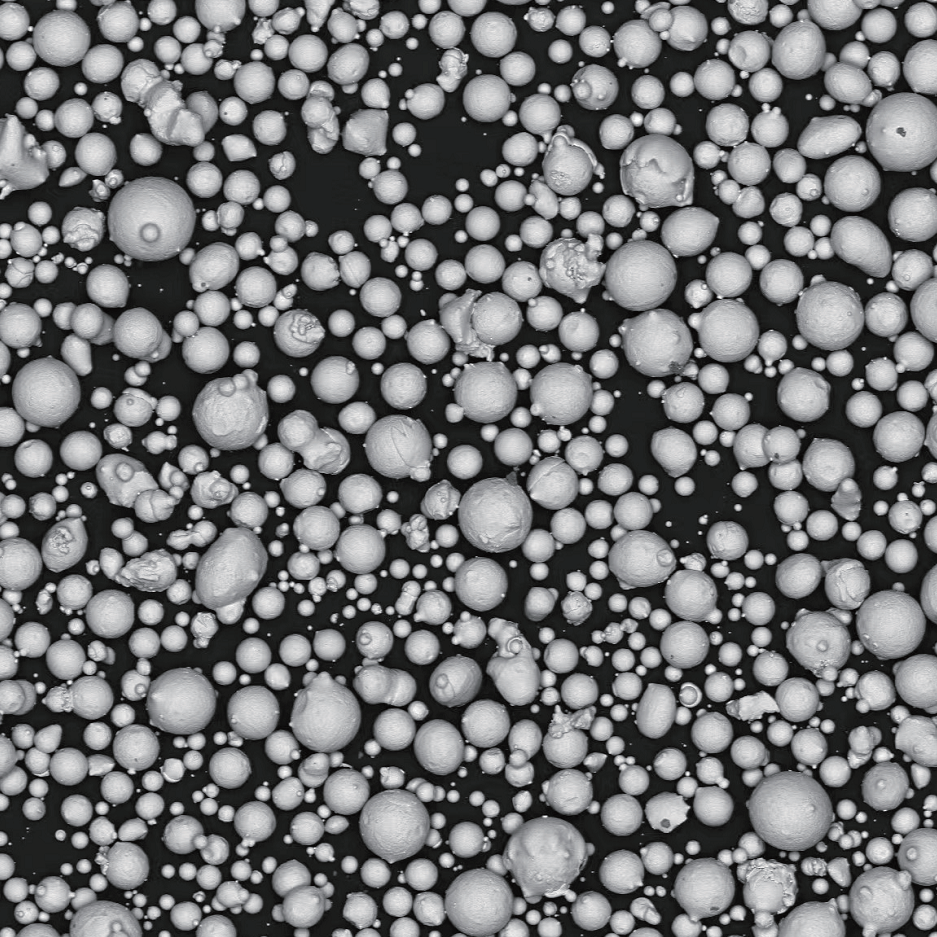
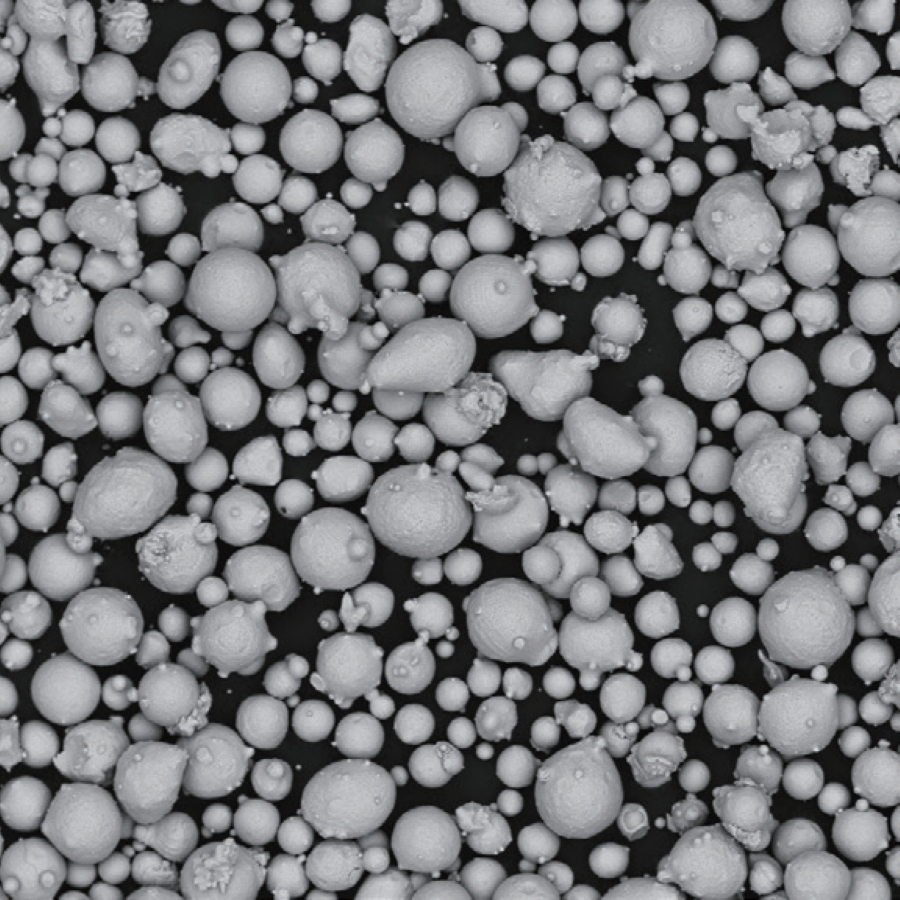
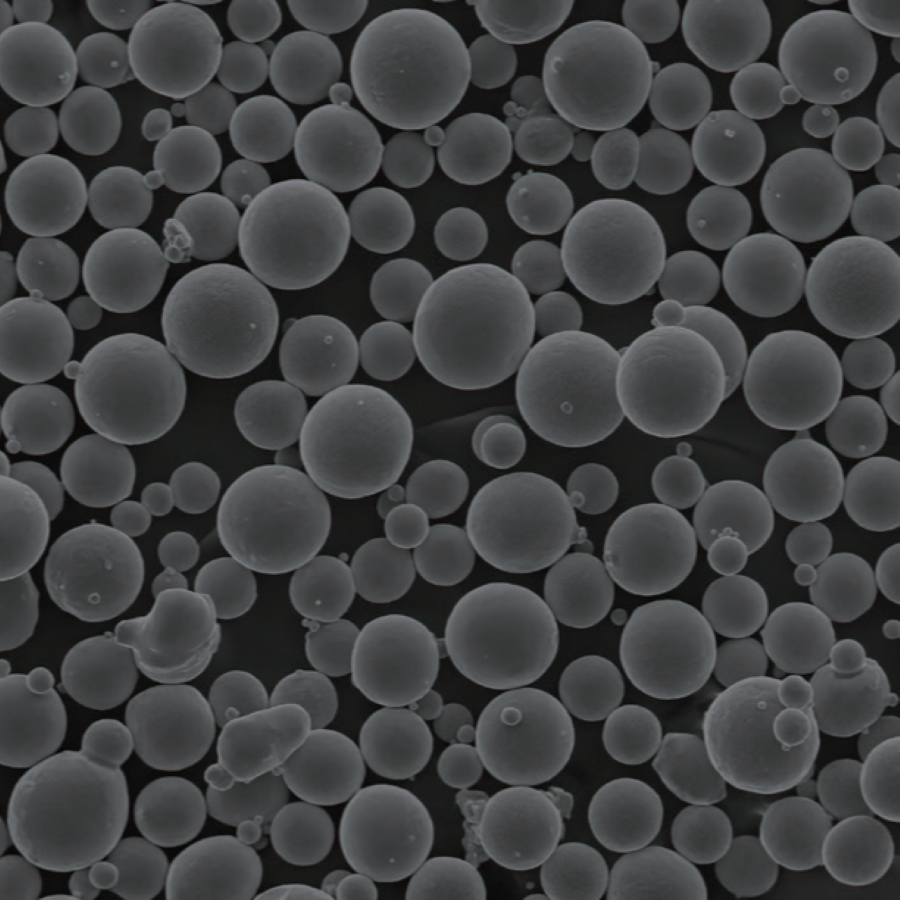
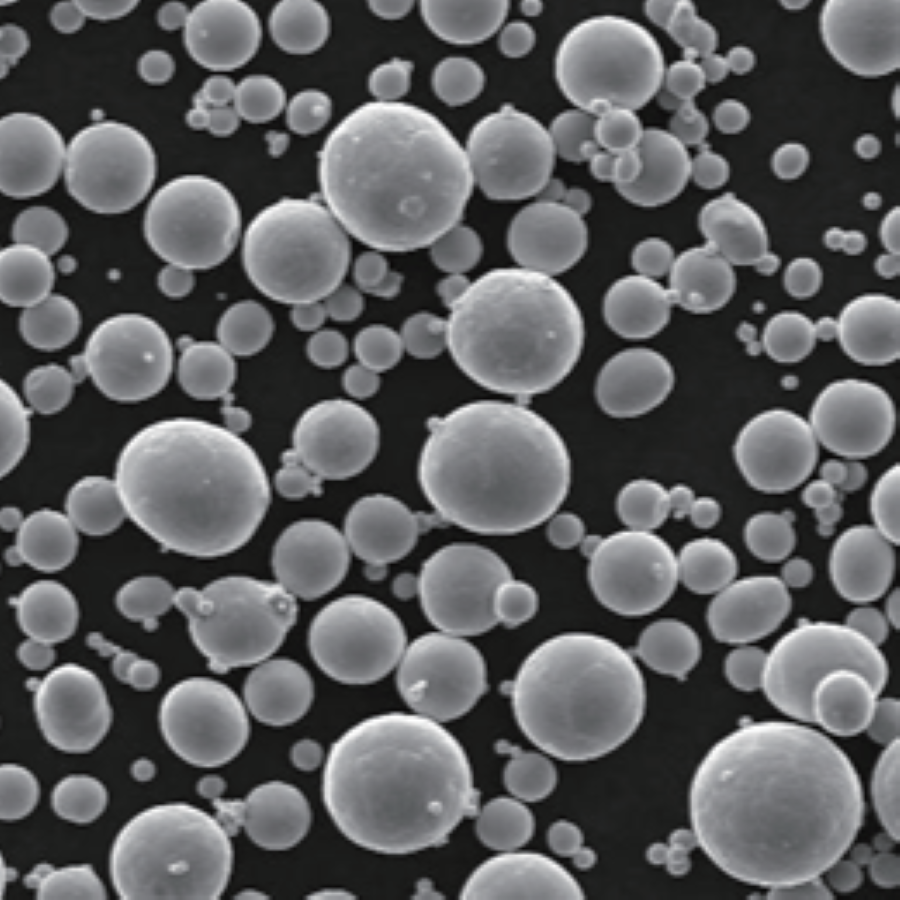
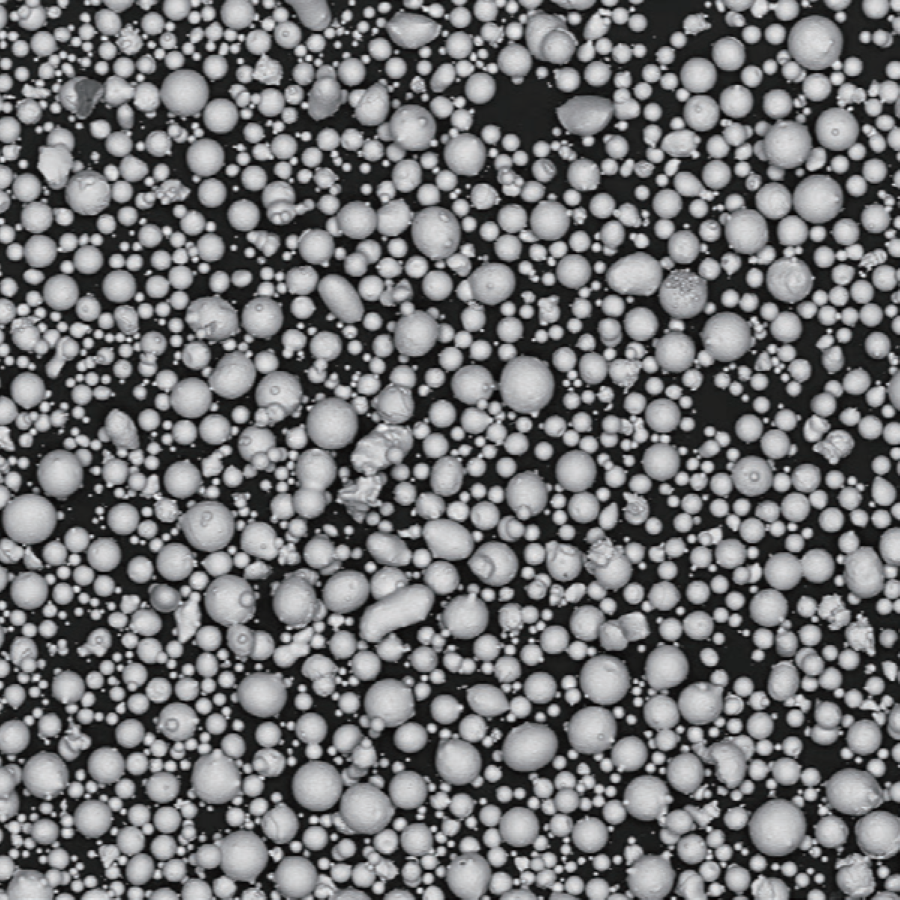
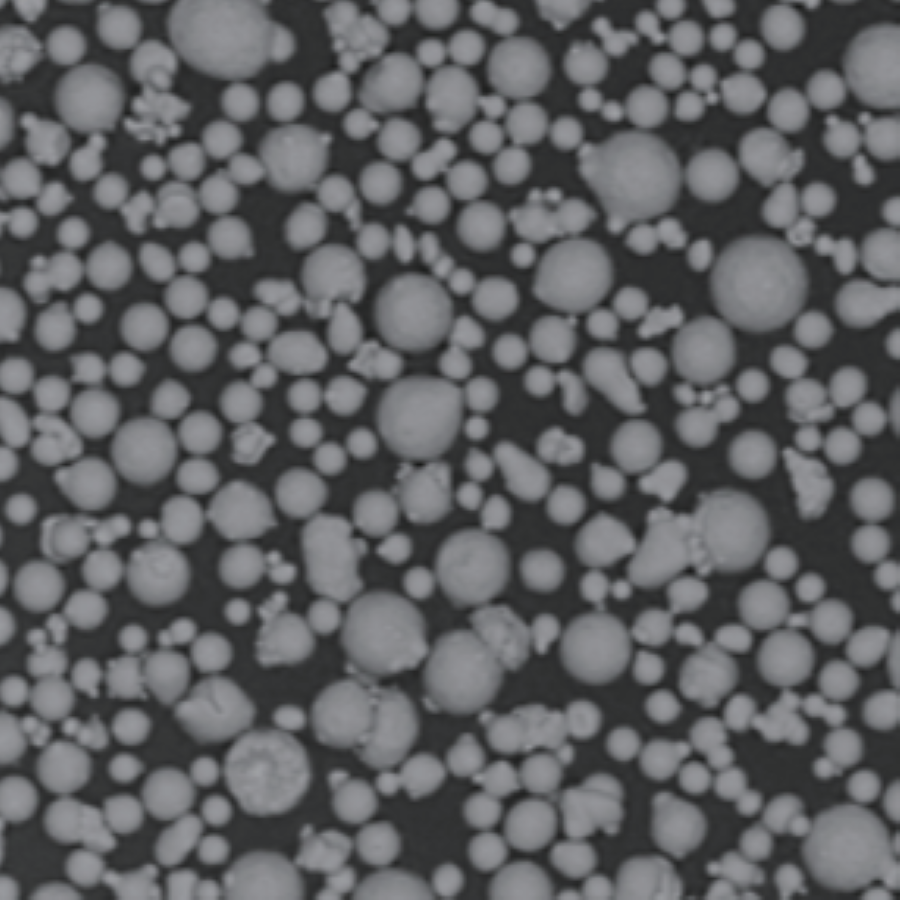
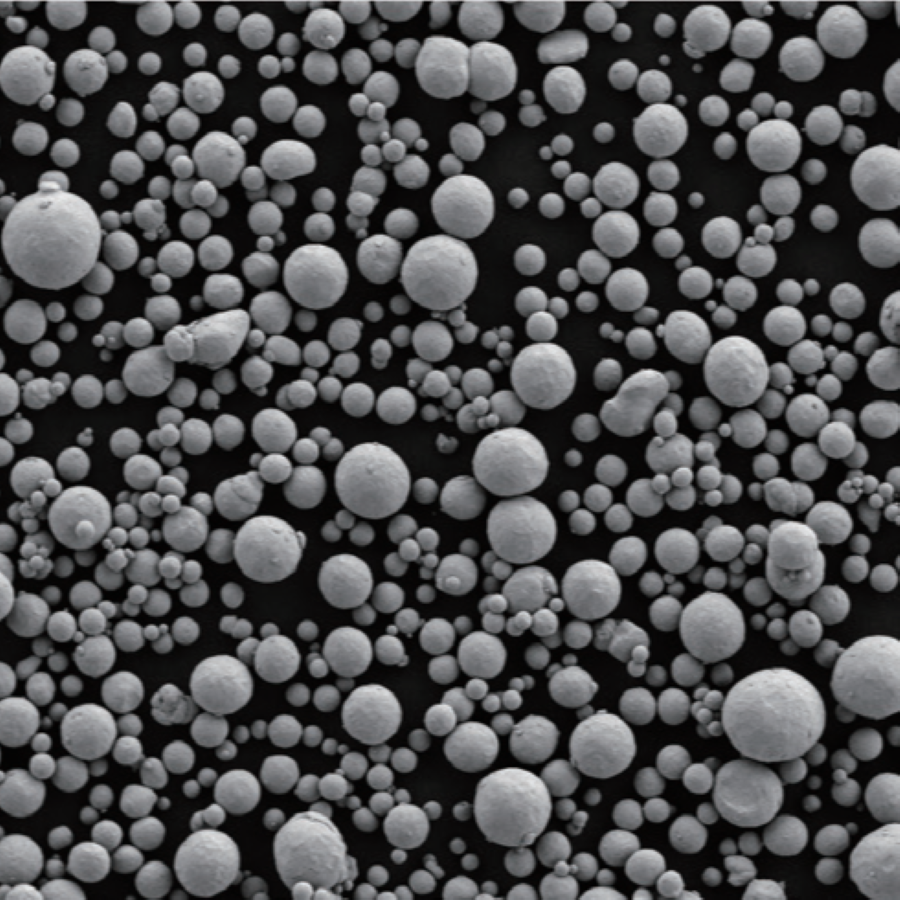
The powder exhibits a sphericity of ≥0.9, which contributes to a flowability of ≤22 s/50g and an apparent density of ≥5.0 g/cm³. The narrow D50 range of 25-35 μm ensures consistent powder bed packing and layer-to-layer uniformity, reducing microstructural variance during additive manufacturing.
What are the critical purity and contamination limits for Atomfair Cu copper powder, and how do they affect its performance in high-temperature applications like rocket engine nozzle liners?
The powder has a copper balance with strict impurity limits: iron ≤0.005%, sulfur ≤0.005%, lead ≤0.005%, antimony ≤0.002%, oxygen ≤0.05%, and total other impurities ≤0.1%. This high purity ensures stable electrochemical performance and mechanical reliability at elevated temperatures, as required for components like rocket engine nozzle liners and induction coils.
What are the packaging and handling requirements to prevent oxidation of Atomfair Cu copper powder during storage and use?
The powder is packaged in sealed argon-filled protective bottles or specialized vacuum containment drums. It is highly sensitive to ambient exposure; containers must be kept tightly sealed or handled exclusively within an anhydrous inert gas environment to prevent phase contamination or degradation before thermal validation. This is critical for maintaining the specified oxygen limit of ≤0.05% and ensuring consistent sintering behavior.
This ATOMFAIR® CU spherical copper powder (1 kg, 15–53 μm) is evaluated for additive manufacturing of high-temperature components, offering high sphericity (≥0.9), controlled particle size distribution (D50 25–35 μm), and low impurity levels (≤0.005% S, Pb, Sb) to ensure consistent layer deposition and mechanical reliability.
Positive
- High sphericity and flowability: Sphericity ≥0.9 and flowability ≤22 s/50g ensure consistent powder bed packing and uniform layer deposition during additive manufacturing, reducing microstructural variance.
- Controlled particle size distribution: D50 of 25–35 μm and D90 ≤60 μm provide a narrow size range that optimizes sintering behavior and mechanical properties, with tensile strength ≥240 MPa and elongation ≥30% at room temperature.
Trade-offs
- High ambient sensitivity: The powder is highly sensitive to ambient exposure; containers must be kept sealed or handled exclusively in anhydrous inert gas environments to prevent phase contamination or degradation before thermal validation.
- Requires inert handling infrastructure: Laboratories must have access to argon-filled or vacuum containment systems and inert gas gloveboxes for safe storage and handling, adding operational complexity and cost.
Every advanced material, component, equipment, and instrument in our catalog is backed by rigorous testing. We maintain strict internal quality management frameworks and align with CE conformity metrics to deliver transparent, reproducible performance data via our public open-science repository.
To request raw batch performance data, submit formal vendor registration paperwork, or execute a fast-turnaround R&D manufacturing loop, contact us at inquiry@atomfair.com.
Item is dispatched under the Atomfair Shipping & Delivery Framework (Free worldwide shipping on orders over $59 USD excl. heavy equipment). Return is governed by the Atomfair Return & Refund Policy (7-day technical return window).