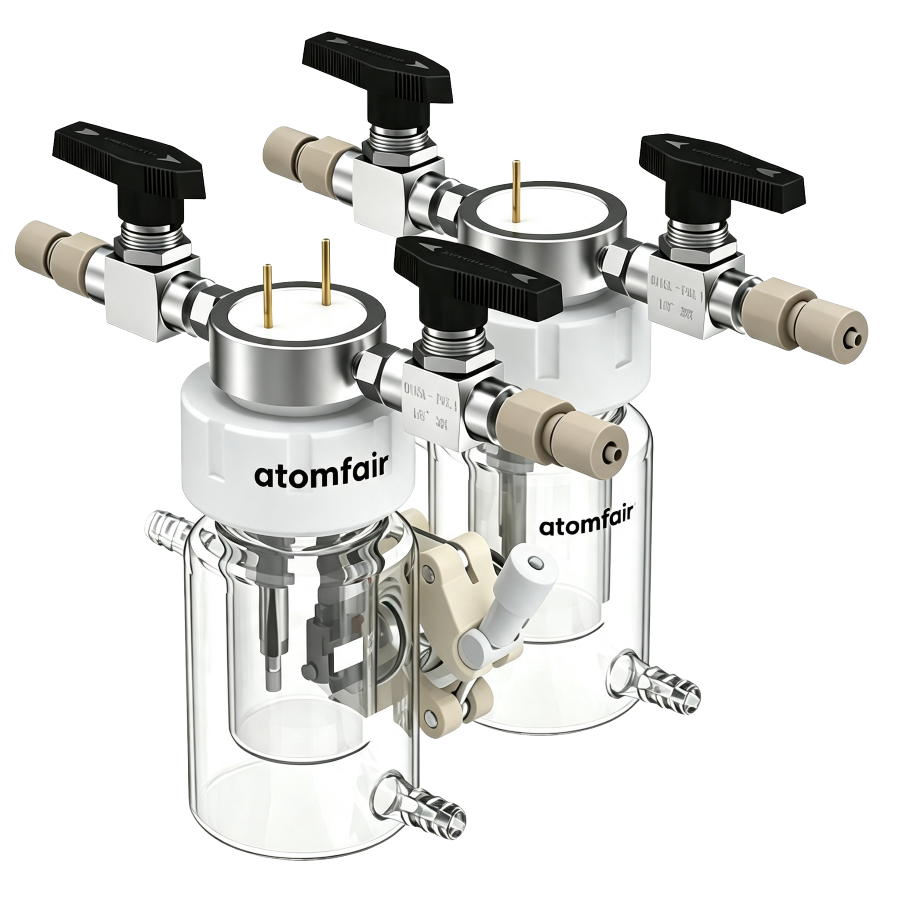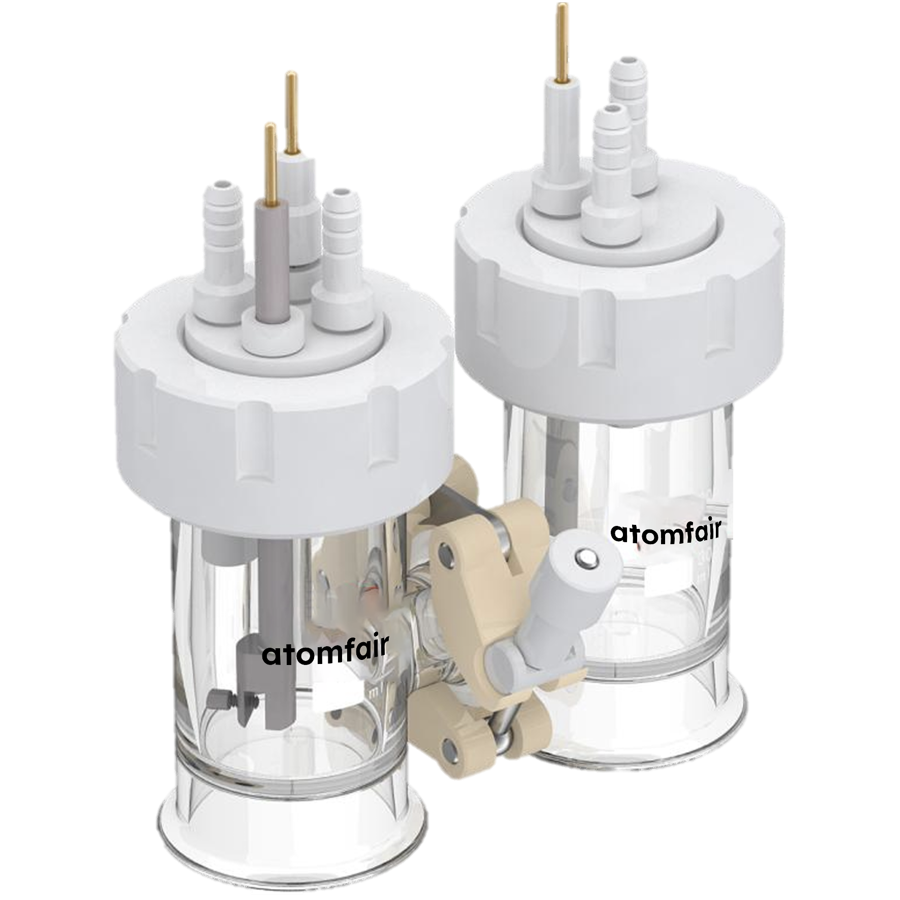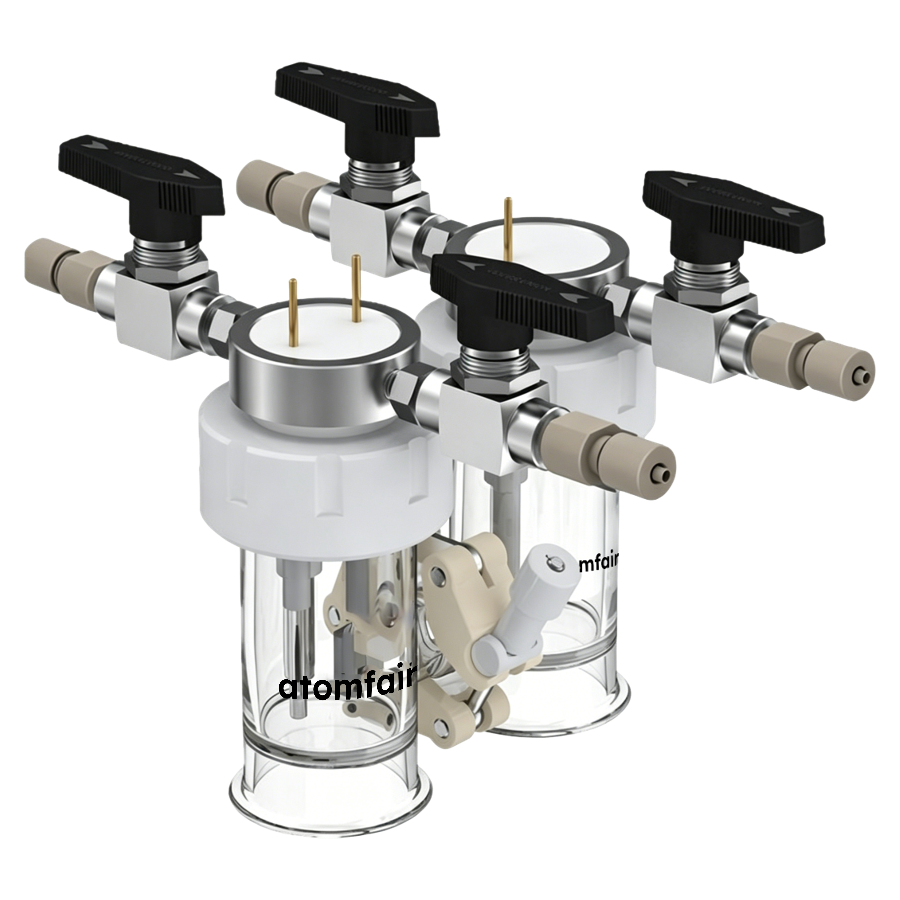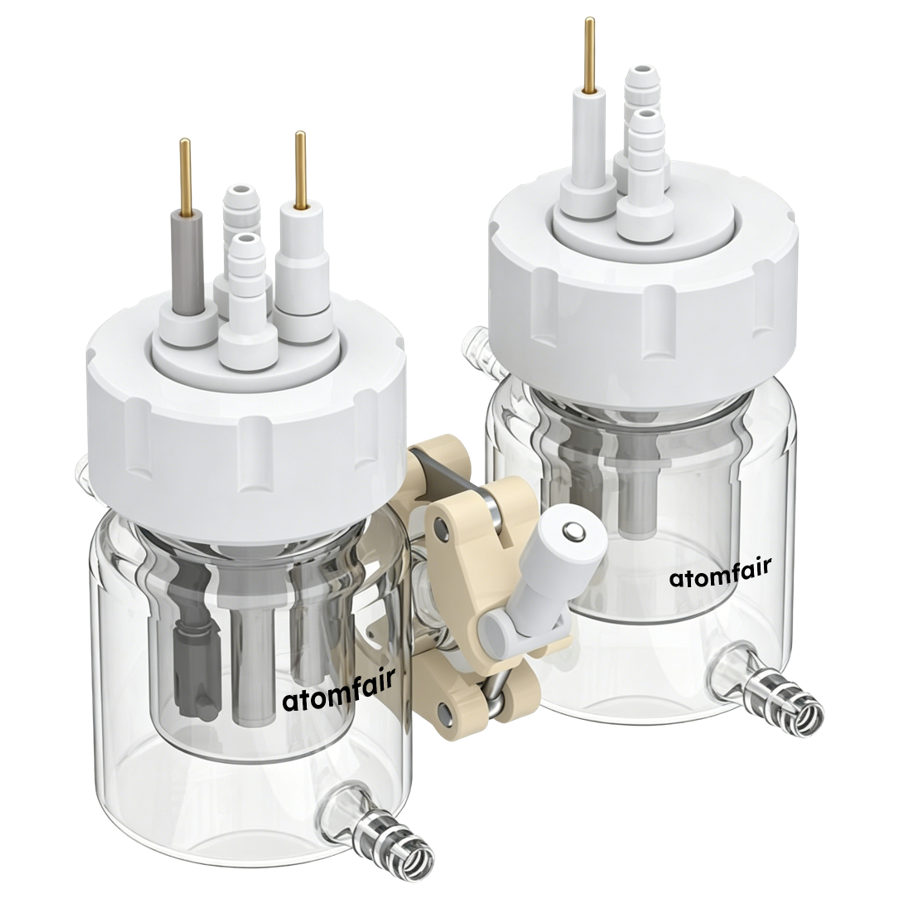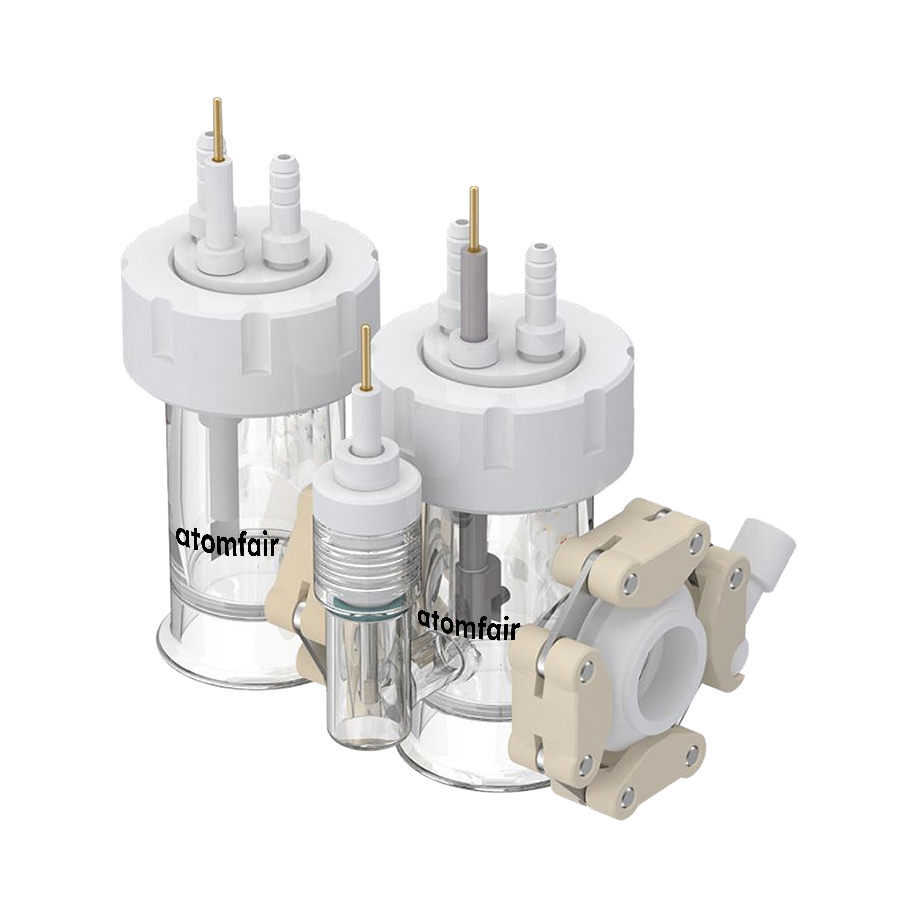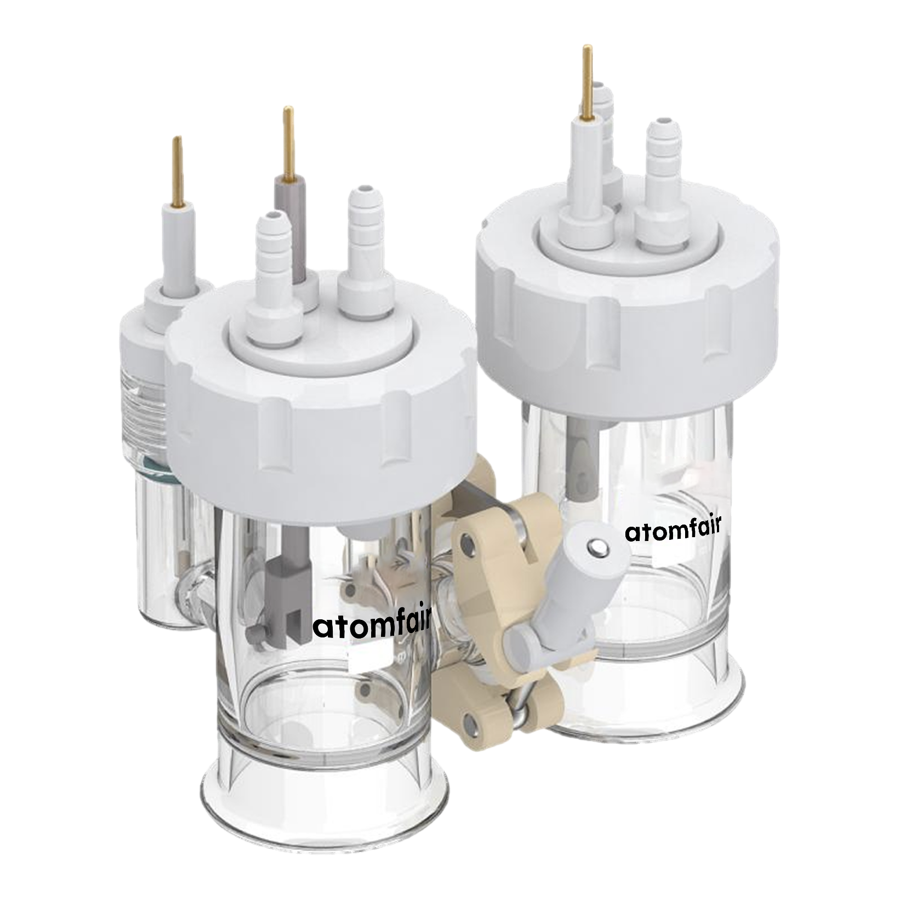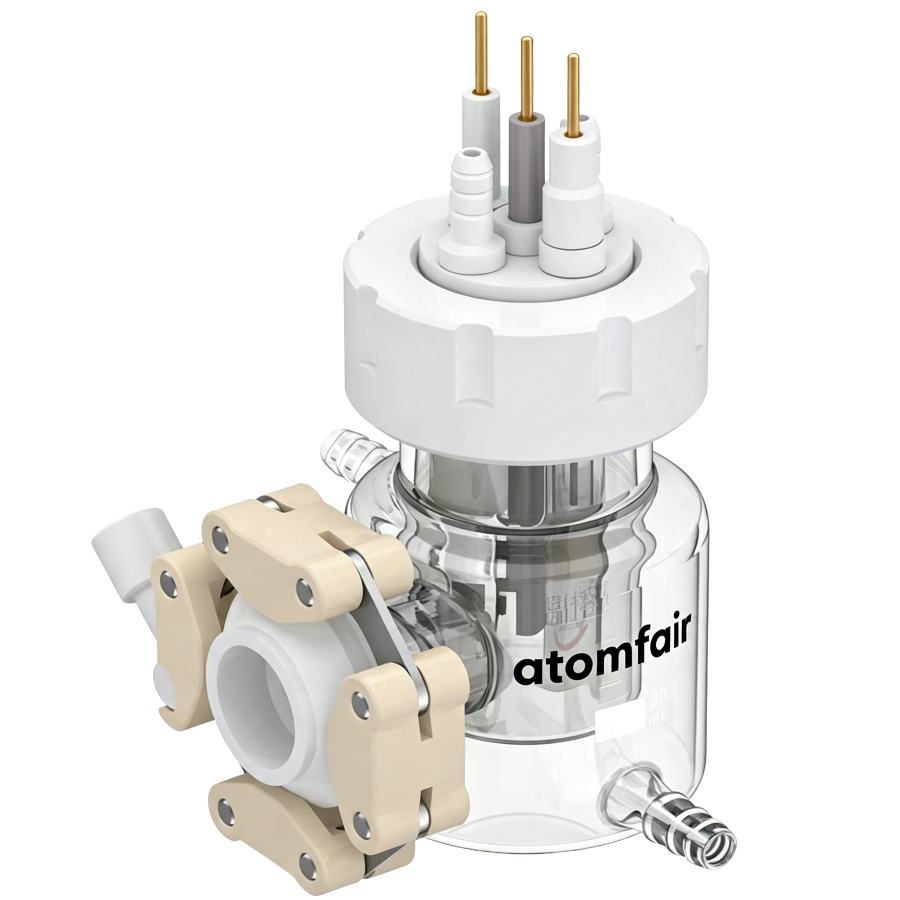
Side-Illumination Single-Chamber Photoelectrochemical Cell, Relative Sealed, Double-Layer | ATOMFAIRProduct Type: Electrochemical cell
Research-grade laboratory product
|
|||||||||||||||||||||||
|
|||||||||||||||||||||||
|
LABORATORY PROCUREMENT SUPPORT
For model selection, accessory matching, platform compatibility or configuration confirmation, contact our technical sales team.
E-MAIL: inquiry@atomfair.com
|
|||||||||||||||||||||||
|
Manufacturer: Atomfair LLC
Brand: ATOMFAIR®
|
Manufacturer: Atomfair LLC
Brand: ATOMFAIR®
This photoelectrochemical cell requires careful handling to maintain optical and sealing integrity. Key constraints include avoiding thermal shock, verifying chemical compatibility, and ensuring leak-free water jacket operation.
- Quartz Window Care: Handle the quartz window with care to avoid scratches that could compromise optical performance.
- Window Assembly Sealing: Ensure the window assembly is properly sealed by tightening the galvanized plate connection before use.
- Thermal Shock Prevention: Avoid thermal shock by gradually equilibrating the cell to the experimental temperature.
- Water Jacket Integrity: Check the water jacket for leaks before operation by circulating constant-temperature water.
- Chemical Compatibility: Verify chemical compatibility of the electrolyte with borosilicate glass and quartz before use.
Proper setup of the photoelectrochemical cell involves assembling the quartz window, sealing the chamber, and verifying thermal and chemical conditions. Follow these steps to ensure safe and accurate photoelectrochemical measurements.
Required Equipment:
- Inspect Quartz Window
Inspect the quartz window for scratches or damage before assembly. - Seal Window Assembly
Seal the window assembly by tightening the galvanized plate connection securely. - Equilibrate Temperature
Allow the cell to equilibrate to the experimental temperature gradually to avoid thermal shock. - Verify Water Jacket
Verify the water jacket is leak-free by circulating constant-temperature water before operation. - Confirm Chemical Compatibility
Confirm chemical compatibility of the electrolyte with borosilicate glass and quartz prior to use. - Install Electrodes
Install extended-length electrodes into the PTFE inner core and secure with the POM outer cap.
What is the light transmittance of the quartz window on the ATOMFAIR side-illumination photoelectrochemical cell?
The quartz window offers light transmittance greater than 95%, as stated in the product description. This high transmittance is critical for accurate photoelectrochemical and spectroscopic measurements using the side-illumination design.
Do I need special electrodes for the ATOMFAIR double-layer photoelectrochemical cell?
Yes, extended-length electrodes are required and must be ordered separately, as standard electrodes may not reach the working electrode area. The cell is designed for three-electrode systems with volumes from 30 mL to 500 mL, and the 360° rotatable PTFE inner core allows precise electrode alignment to the quartz window.
What precautions must be taken when using the quartz window and water jacket on this photoelectrochemical cell?
Handle the quartz window with care to avoid scratches, and ensure proper sealing of the window assembly before use. Avoid thermal shock, and check the water jacket for leaks before operation. Verify chemical compatibility with borosilicate glass and quartz before introducing any reagents.
The ATOMFAIR Double-Layer Relative Sealed Side-Illumination Single-Chamber Photoelectrochemical Cell features a high-transparency quartz window (≥95% T) and a 360° rotatable PTFE core for precise electrode alignment, but requires extended-length electrodes and careful handling of the quartz window to avoid scratches and thermal shock.
Positive
- High-transparency quartz window: The quartz window offers ≥95% light transmittance, enabling superior photoelectrochemical and spectroscopic measurements with minimal optical loss.
- 360° rotatable PTFE inner core: The PTFE core allows precise electrode alignment to the quartz window, optimizing illumination geometry for consistent experimental conditions.
Trade-offs
- Extended-length electrodes required: Electrodes are not included and must be ordered separately; extended-length electrodes are necessary to reach the working area through the compression seals.
- Quartz window fragility and thermal shock risk: The quartz window is susceptible to scratches and thermal shock, requiring careful handling, proper sealing, and avoidance of rapid temperature changes during operation.
Every advanced material, component, equipment, and instrument in our catalog is backed by rigorous testing. We maintain strict internal quality management frameworks and align with CE conformity metrics to deliver transparent, reproducible performance data via our public open-science repository.
To request raw batch performance data, submit formal vendor registration paperwork, or execute a fast-turnaround R&D manufacturing loop, contact us at inquiry@atomfair.com.
Item is dispatched under the Atomfair Shipping & Delivery Framework (Free worldwide shipping on orders over $59 USD excl. heavy equipment). Return is governed by the Atomfair Return & Refund Policy (7-day technical return window).