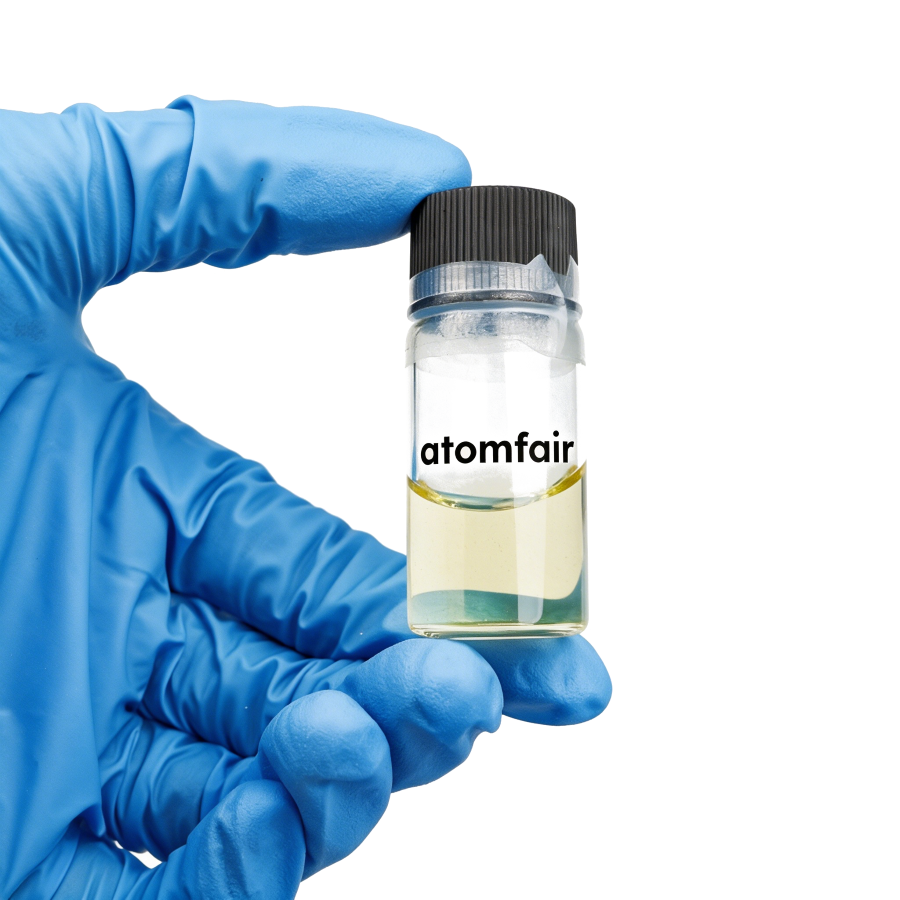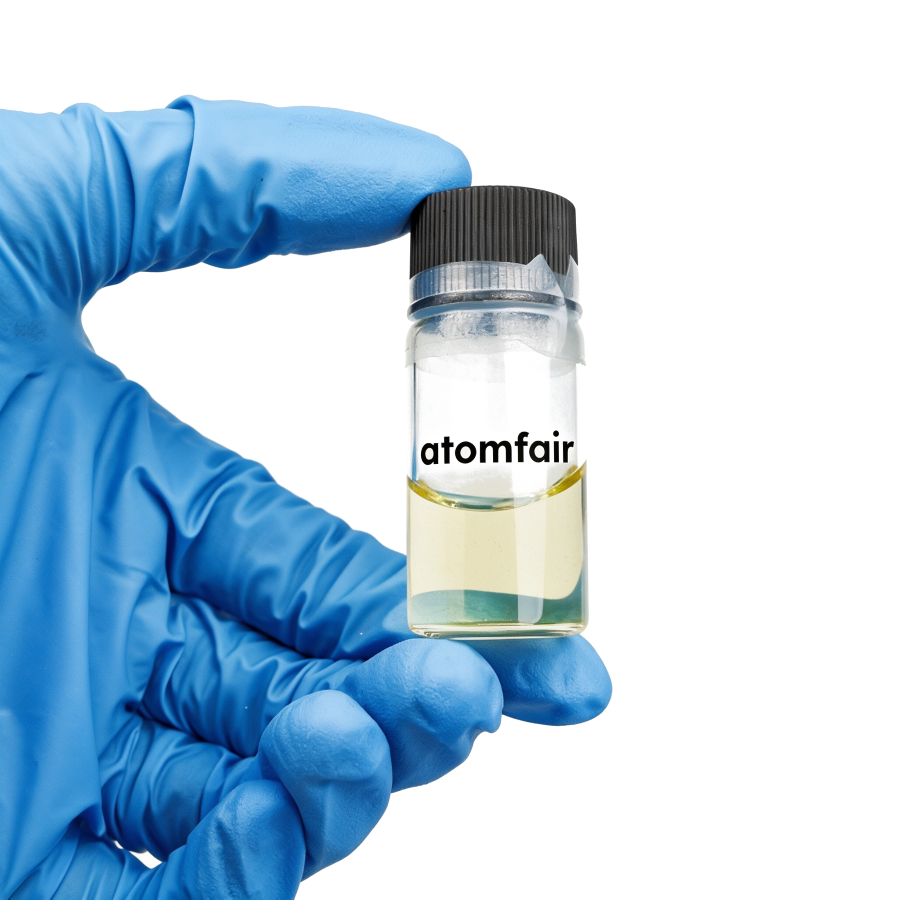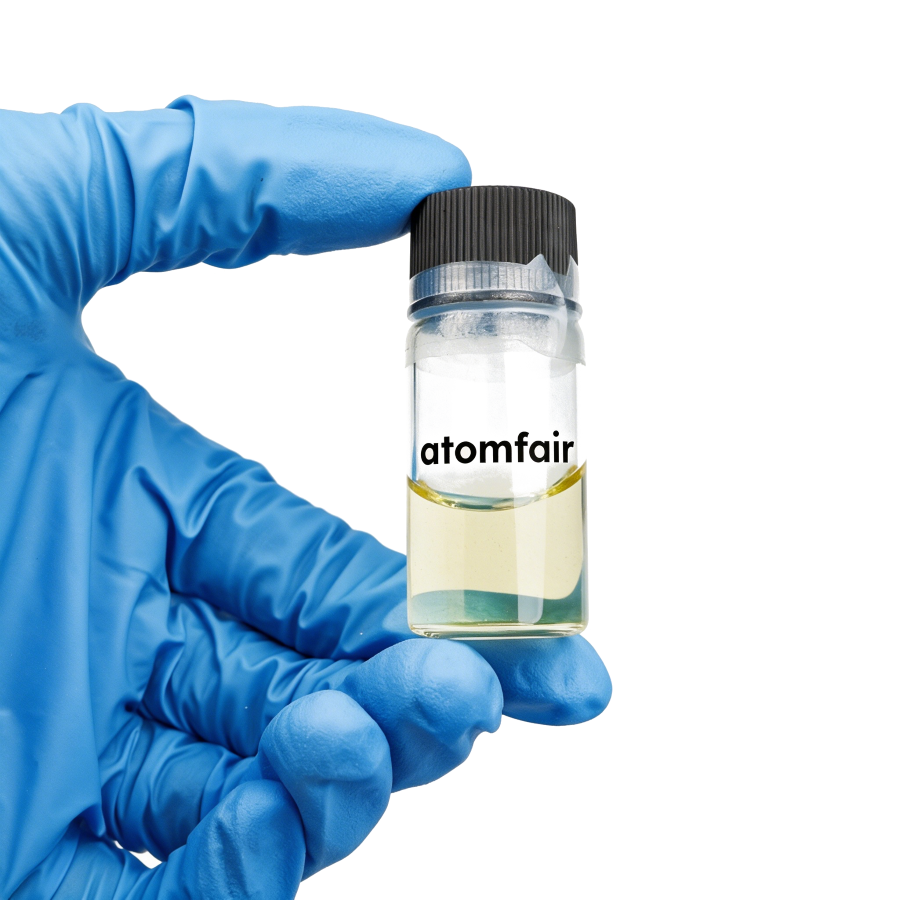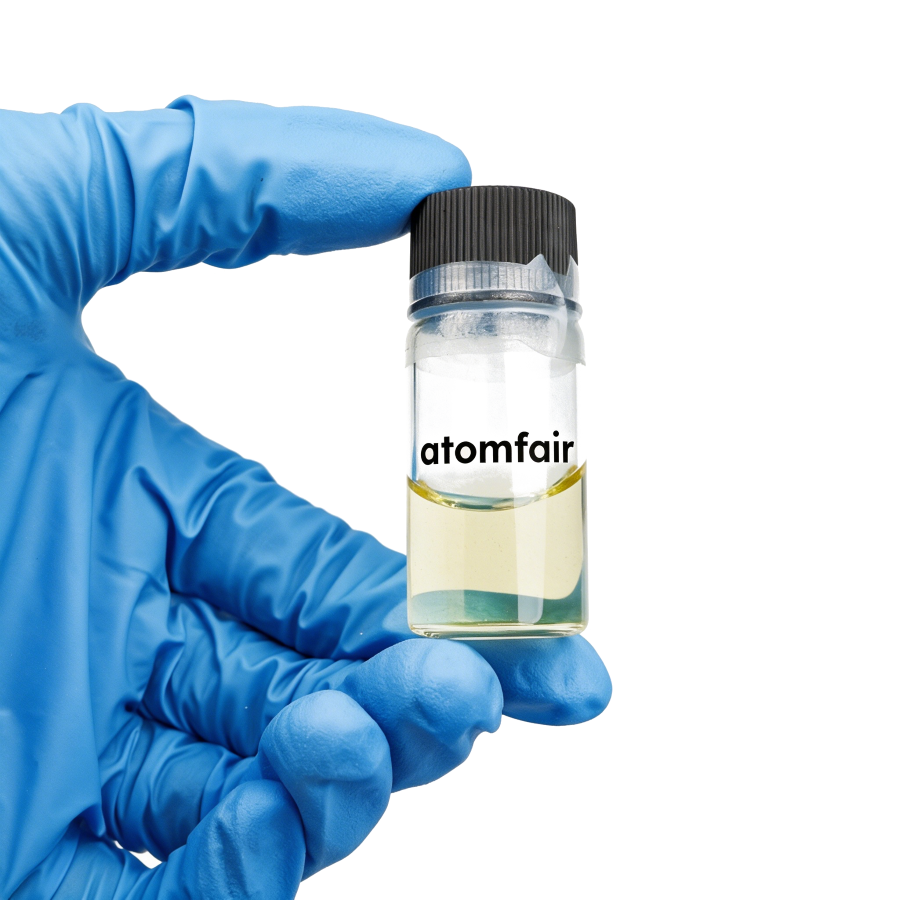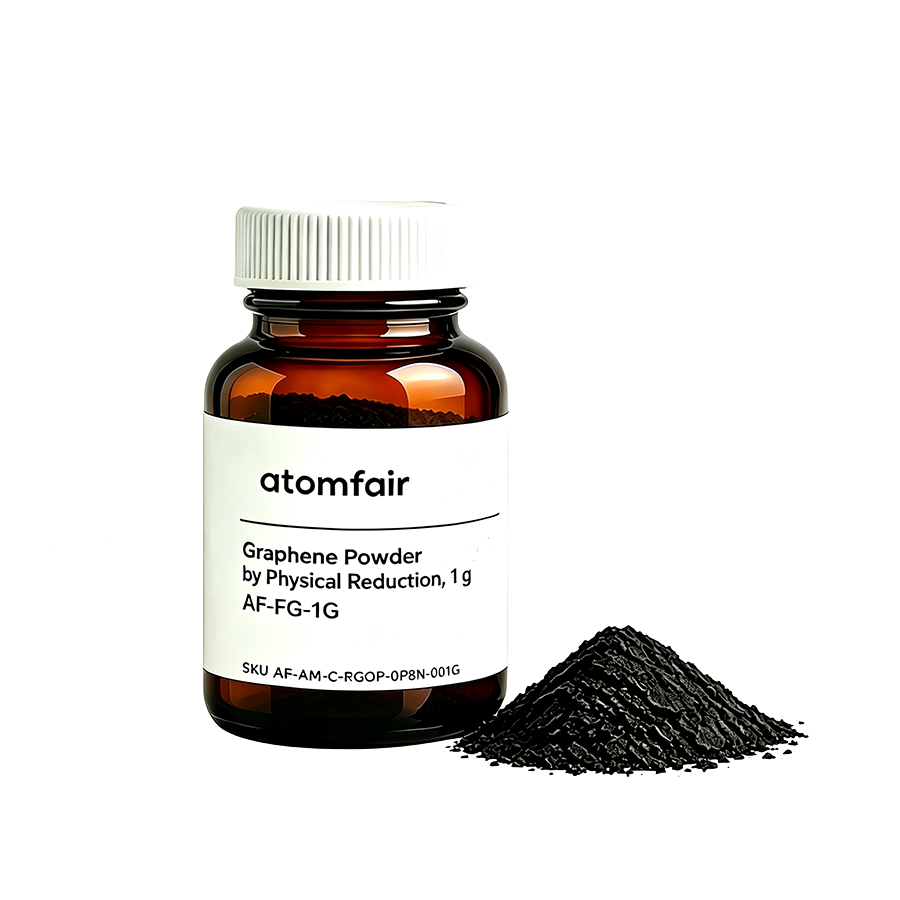
Graphene Powder by Physical Reduction, 1 gProduct Type: Reduced Graphene Powder
Research-grade laboratory product
|
|||||||||||||||||||||||||||||||||
|
|||||||||||||||||||||||||||||||||
|
LABORATORY PROCUREMENT SUPPORT
For material selection, package confirmation, specification review or formulation-fit discussion, contact our technical sales team.
E-MAIL: inquiry@atomfair.com
|
|||||||||||||||||||||||||||||||||
|
Manufacturer: Atomfair LLC
Brand: ATOMFAIR®
|
Manufacturer: Atomfair LLC
Brand: ATOMFAIR®
How does the physical reduction method affect the balance between electrical conductivity and residual oxygen functionality in this graphene powder?
The physical reduction process yields a resistivity of ≤0.30 ohm.cm while retaining oxygen-containing functional groups that support interaction with organic materials. The ~80% monolayer rate and specific surface area of 500-1000 m2/g enable both conductive and composite applications, though the residual oxygen groups slightly elevate resistivity compared to pristine graphene.
What are the key considerations for integrating this reduced graphene powder into polymer composites?
The material's oxygen-containing functional groups promote compatibility with organic matrices, and its 0.5-5 µm diameter and high surface area facilitate dispersion. The manufacturer advises confirming the dispersion medium, processing route, and downstream material system before purchase to ensure optimal formulation fit.
How does the ~80% monolayer rate impact the performance of this reduced graphene powder in conductive coatings?
The ~80% monolayer rate minimizes interlayer resistance, as the product description notes that single-layer morphology reduces interlayer resistance. This supports use in conductive coatings where low resistivity (≤0.30 ohm.cm) and high surface area (500-1000 m2/g) are desired.
This reduced graphene oxide powder (1 g) provides a monolayer rate of ~80% and resistivity ≤0.30 ohm.cm, supporting conductive composite and sensor research. Users should consider the polydispersity in flake diameter (0.5–5 µm) and the presence of multilayer content (~20%) when targeting uniform single-layer properties.
Positive
- Single-layer morphology reduces interlayer resistance: The ~80% monolayer rate and ~0.8 nm thickness support low interlayer contact resistance, which is beneficial for conductive formulations and electrode coatings.
- Low resistivity for conductive applications: With resistivity ≤0.30 ohm.cm, this material provides a conductive carbon structure suitable for research in sensors, conductive composites, and energy-related devices.
Trade-offs
- Monolayer rate ~80% indicates multilayer content: Approximately 20% of the flakes are not single-layer graphene, which may affect electronic properties or require additional sorting for applications demanding pure monolayer morphology.
- Broad flake diameter range requires size control: The specified diameter range of 0.5–5 µm introduces polydispersity; applications needing uniform lateral dimensions may require post-processing size selection.
Every advanced material, component, equipment, and instrument in our catalog is backed by rigorous testing. We maintain strict internal quality management frameworks and align with CE conformity metrics to deliver transparent, reproducible performance data via our public open-science repository.
To request raw batch performance data, submit formal vendor registration paperwork, or execute a fast-turnaround R&D manufacturing loop, contact us at inquiry@atomfair.com.
Item is dispatched under the Atomfair Shipping & Delivery Framework (Free worldwide shipping on orders over $59 USD excl. heavy equipment). Return is governed by the Atomfair Return & Refund Policy (7-day technical return window).