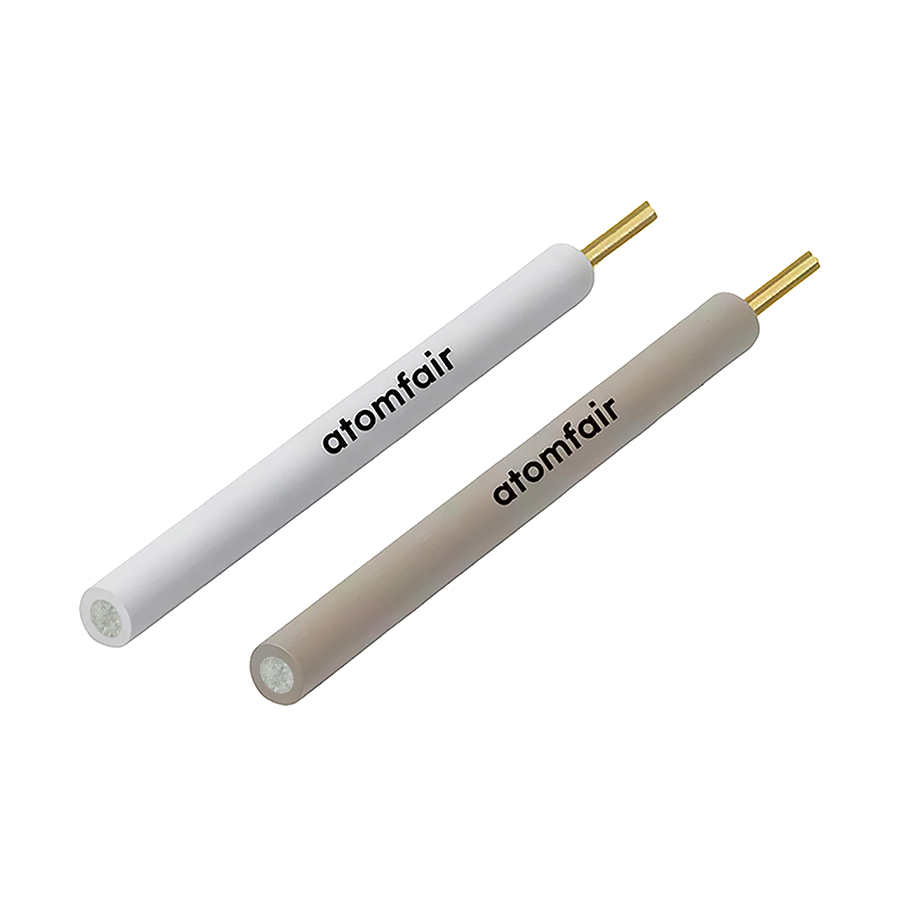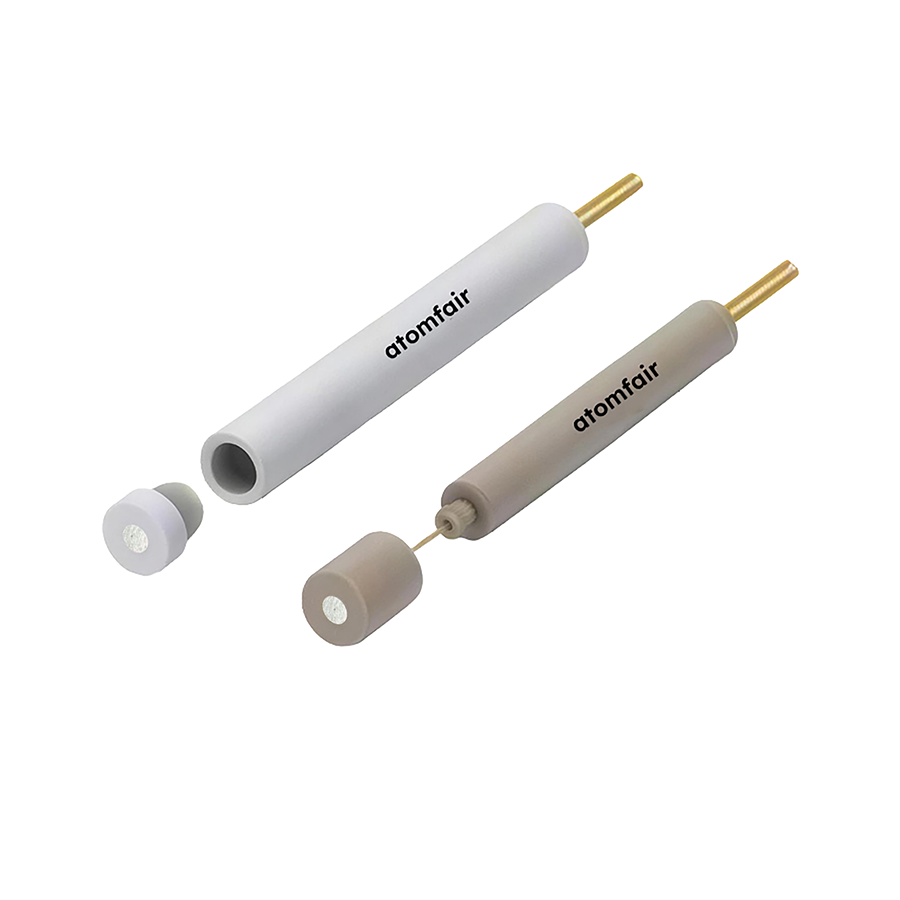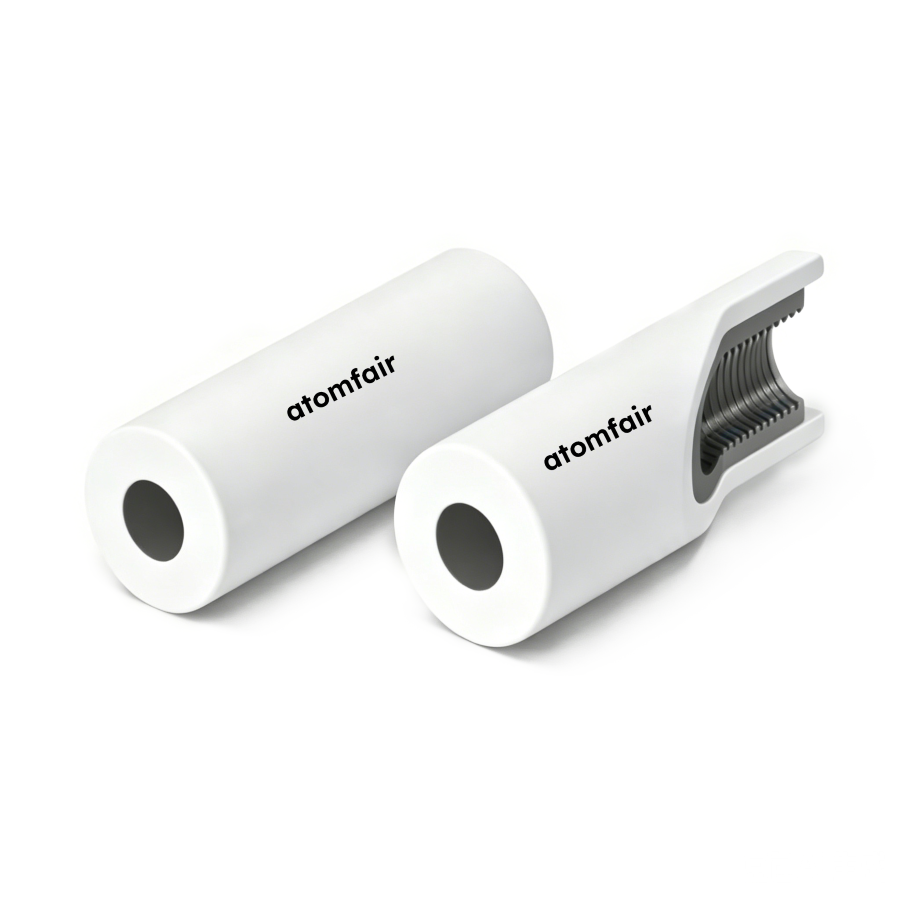
RDE rotating disk electrode – internal thread | ATOMFAIRRESEARCH GRADE INSTRUMENT
|
|||||||||||||||||||||
|
This rotating disk electrode requires strict contamination control during storage and handling. Surface contamination can significantly degrade electrochemical performance, necessitating anhydrous inert environment protocols.
- Surface Contamination Sensitivity: The electrode surface is highly sensitive to contamination and must be stored in sealed containers or handled exclusively within an anhydrous inert environment.
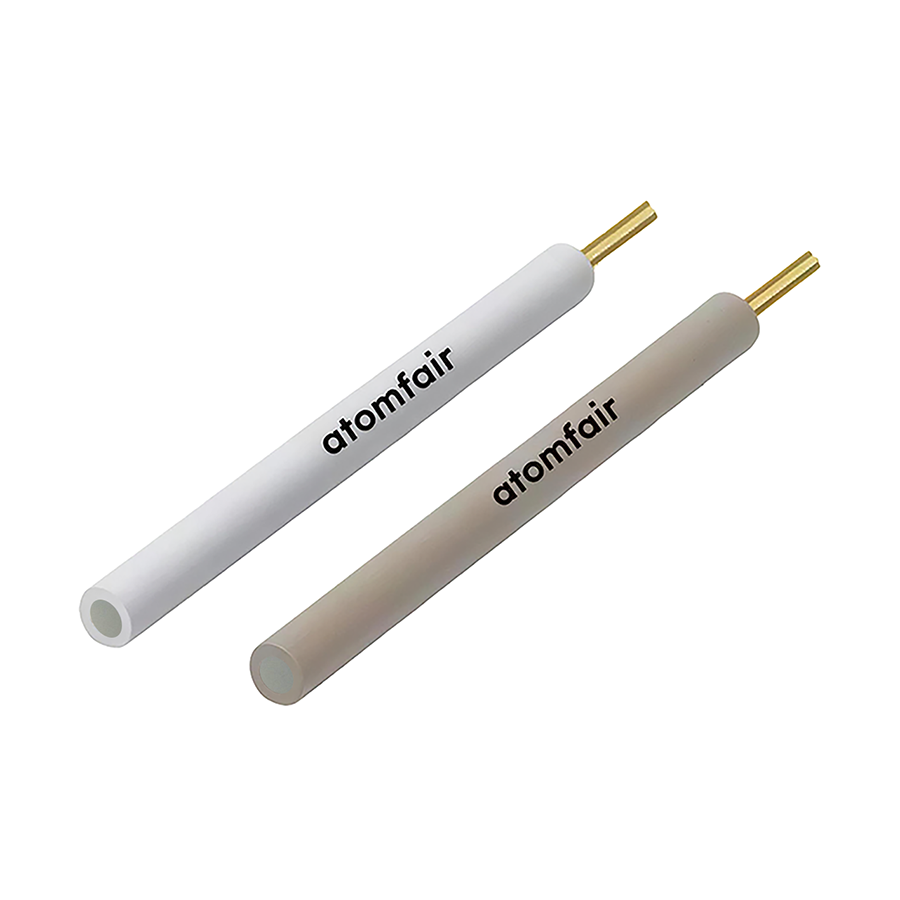
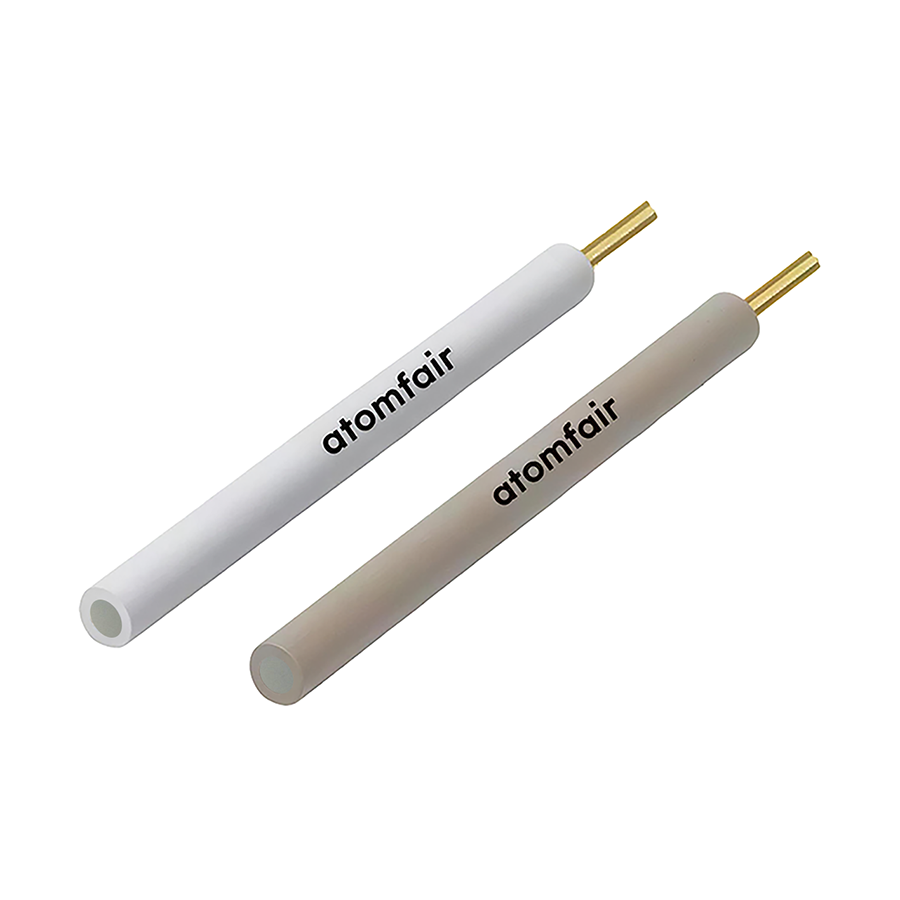
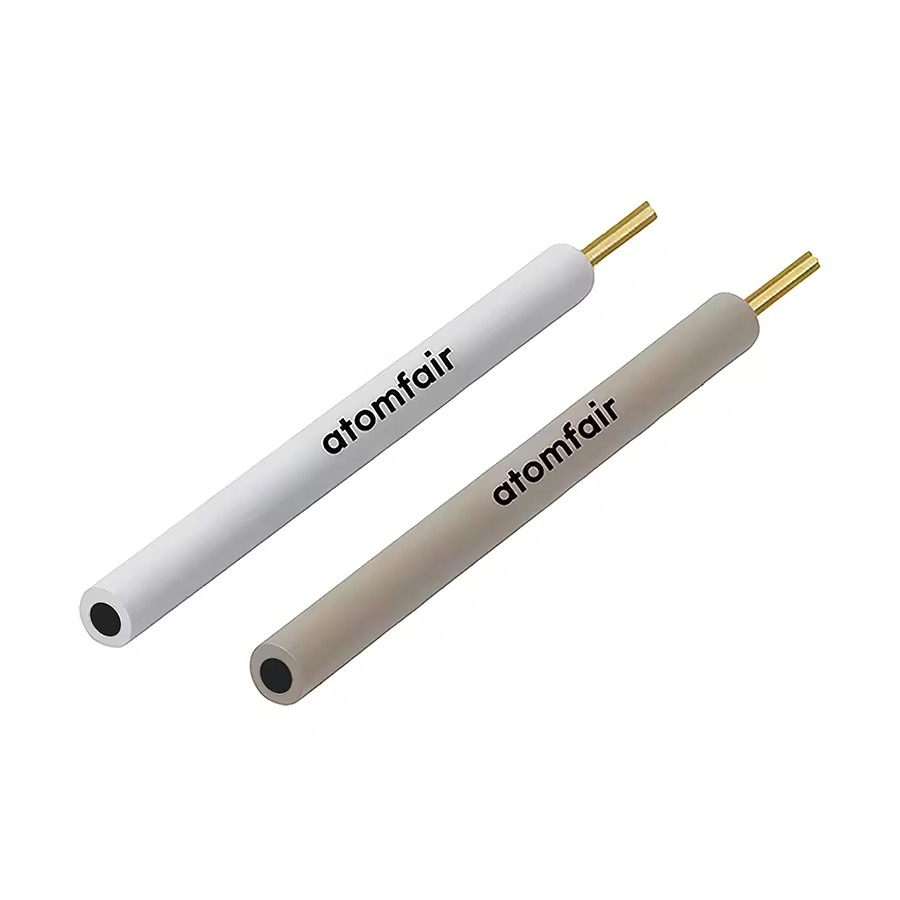
- Encapsulation Material Compatibility: PTFE and PEEK encapsulation materials offer chemical resistance to aggressive electrolytes, but PEEK is required for high-temperature applications.
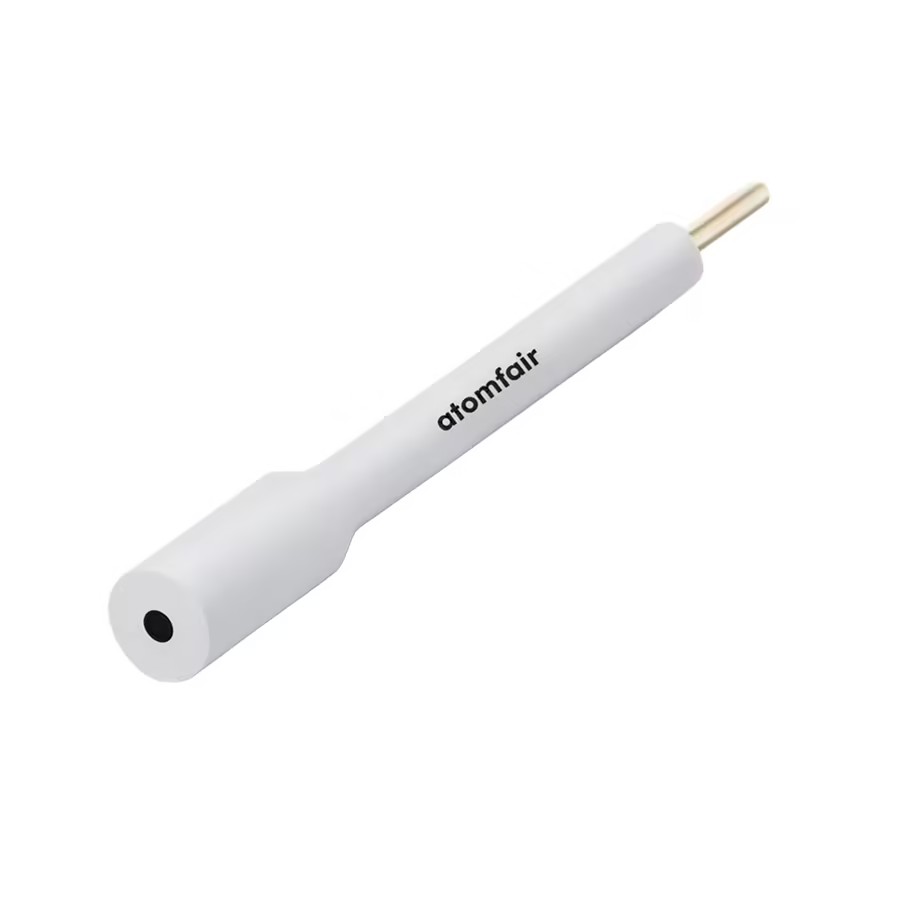
- Secure Attachment Requirement: The internal thread design ensures stable electrical contact and secure mechanical attachment to the rotating shaft.
What handling and storage procedures are required to prevent surface contamination of the ATOMFAIR RDE electrode?
The electrode must be kept in sealed containers or handled exclusively within an anhydrous inert environment to prevent phase contamination or degradation before electrochemical validation. This is critical because the product is highly sensitive to surface contamination, which can compromise experimental results.
What are the advantages of choosing PEEK encapsulation over PTFE for the ATOMFAIR RDE?
PTFE is the standard encapsulation material offering excellent chemical resistance for operation in aggressive electrolytes including concentrated acids. PEEK encapsulation is high-temperature compatible, making it suitable for experiments at elevated temperatures where PTFE may not perform optimally. Both materials provide robust chemical resistance.
How does the internal thread design of the ATOMFAIR RDE contribute to measurement reproducibility?
The internal thread ensures secure attachment to the rotating shaft and stable electrical contact during high-speed rotation. This mechanical stability is essential for maintaining consistent hydrodynamic conditions and reproducible mass transport, which are critical for quantitative rotating disk electrode experiments.
The Atomfair RDE (internal thread) offers glassy carbon, gold, and platinum disk materials with PTFE or PEEK encapsulation, enabling operation in aggressive electrolytes while precision machining ensures reproducible hydrodynamic measurements. Its internal thread design provides stable electrical contact under rotation, but the electrode demands stringent contamination control and the encapsulation material choice dictates high-temperature compatibility.
Positive
- Material versatility for electrochemical studies: Available in glassy carbon, gold, or platinum with uniform density and stable chemical properties, allowing selection of the optimal working electrode material for specific redox systems or catalytic studies.
- Chemical resistance in harsh electrolytes: PTFE or PEEK body encapsulation provides excellent chemical resistance, enabling reliable operation in concentrated acids and aggressive electrolyte systems that would damage conventional electrodes.
Trade-offs
- High sensitivity to surface contamination: The electrode is highly sensitive to surface contamination; containers must remain sealed and handling should occur in an anhydrous inert environment to prevent phase contamination or degradation before electrochemical validation.
- Encapsulation material defines temperature limit: PTFE is the standard encapsulation but is not high-temperature compatible; PEEK must be selected for high-temperature operation, imposing a material choice trade-off based on experimental thermal demands.
Every advanced material, component, equipment, and instrument in our catalog is backed by rigorous testing. We maintain strict internal quality management frameworks and align with CE conformity metrics to deliver transparent, reproducible performance data via our public open-science repository.
To request raw batch performance data, submit formal vendor registration paperwork, or execute a fast-turnaround R&D manufacturing loop, contact us at inquiry@atomfair.com.
Item is dispatched under the Atomfair Shipping & Delivery Framework (Free worldwide shipping on orders over $59 USD excl. heavy equipment). Return is governed by the Atomfair Return & Refund Policy (7-day technical return window).