Multifunctional Combination Pyrolytic Graphite Working Electrode Series | ATOMFAIRRESEARCH GRADE INSTRUMENT
|
|||||||||||||||||||||||
|
|||||||||||||||||||||||
|
TAILORED SOLUTIONS FOR RESEARCH
Contact our engineering team for technical support or official institutional quotations.
EMAIL: inquiry@atomfair.com
|
|||||||||||||||||||||||
|
Manufacturer: Atomfair LLC
Brand: ATOMFAIR®
|
|||||||||||||||||||||||
The pyrolytic graphite working electrode requires strict environmental control to prevent surface contamination that compromises electrochemical performance. Handling must be performed exclusively within an anhydrous inert atmosphere prior to electrochemical validation.
- Surface Contamination Sensitivity: The electrode surface is highly sensitive to contamination which can degrade electron transfer kinetics and increase background current.
- Inert Environment Requirement: Handle the electrode exclusively within an anhydrous inert environment before electrochemical validation to prevent phase contamination.
- Storage Protocol: Keep containers tightly sealed when not in use to maintain electrode integrity and prevent moisture exposure.
What performance trade-off exists when selecting a 2 mm versus a 6 mm pyrolytic graphite working electrode diameter for correlative SEM/AFM studies?
The key trade-off is between microelectrode sensitivity and bulk electrolysis capacity. The 2 mm diameter provides higher current density and is suited for micro-electrode sensing with minimized ohmic drop, ideal for kinetic measurements, while the 6 mm diameter offers macro-electrode behavior for bulk electrolysis but may exacerbate background charging in SEM imaging. According to the product specifications, both diameters maintain the same electrode head thickness of less than 4 mm to enable direct SEM or AFM integration, so the choice depends on balancing signal-to-noise ratio in electrochemistry versus spatial resolution in surface characterization.
Can this pyrolytic graphite electrode be integrated directly into a scanning electron microscope chamber without modifying the SEM sample stage?
Yes, the electrode can be integrated directly into an SEM or AFM system because its electrode head thickness is less than 4 mm, as stated in the technical specifications. This low-profile design allows the working electrode to fit within standard sample stage clearance. However, the product notice warns that the electrode is highly sensitive to surface contamination, so any integration must be done within an anhydrous inert environment or sealed container to prevent phase contamination before electrochemical validation.
What handling and storage precautions are required to prevent degradation of the pyrolytic graphite surface before first use?
The product must be kept in its secured individual research-grade protective container with shock-absorption parameters whenever not in use, as per the packaging specification. The important notice explicitly states that the electrode is highly sensitive to surface contamination and must be handled exclusively within an anhydrous inert environment to prevent phase contamination or degradation before electrochemical validation. Exposure to ambient air or moisture can compromise the low background current and electron transfer kinetics of the highly ordered pyrolytic graphite structure.
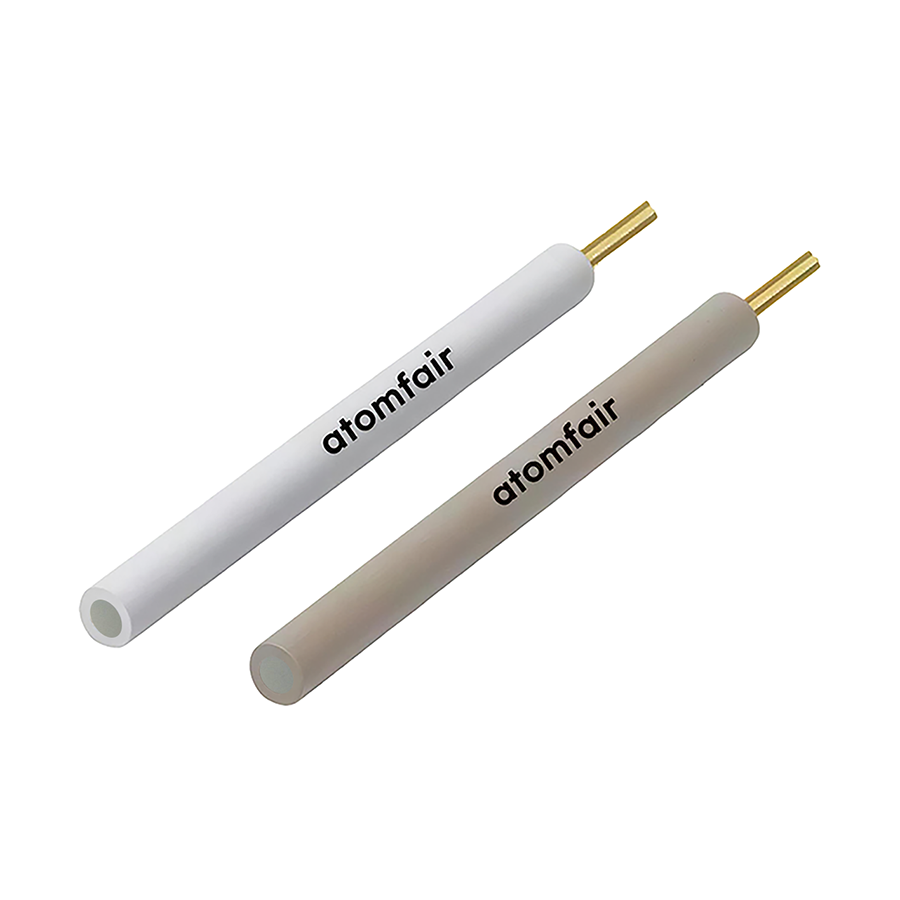
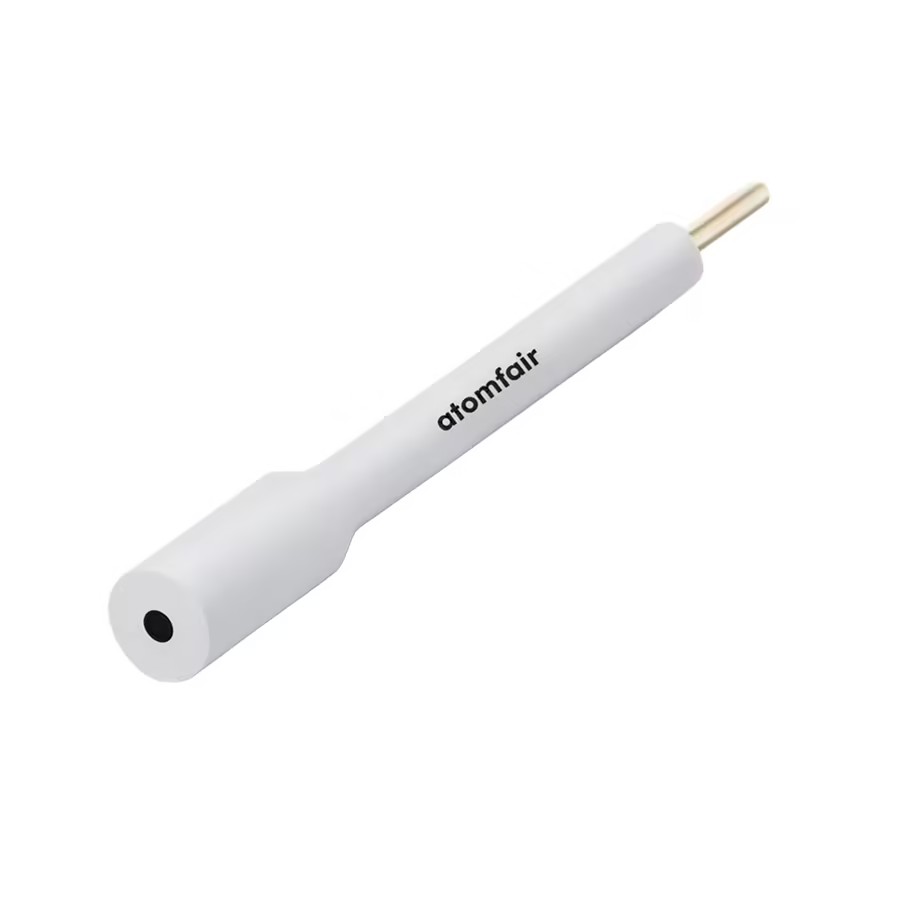
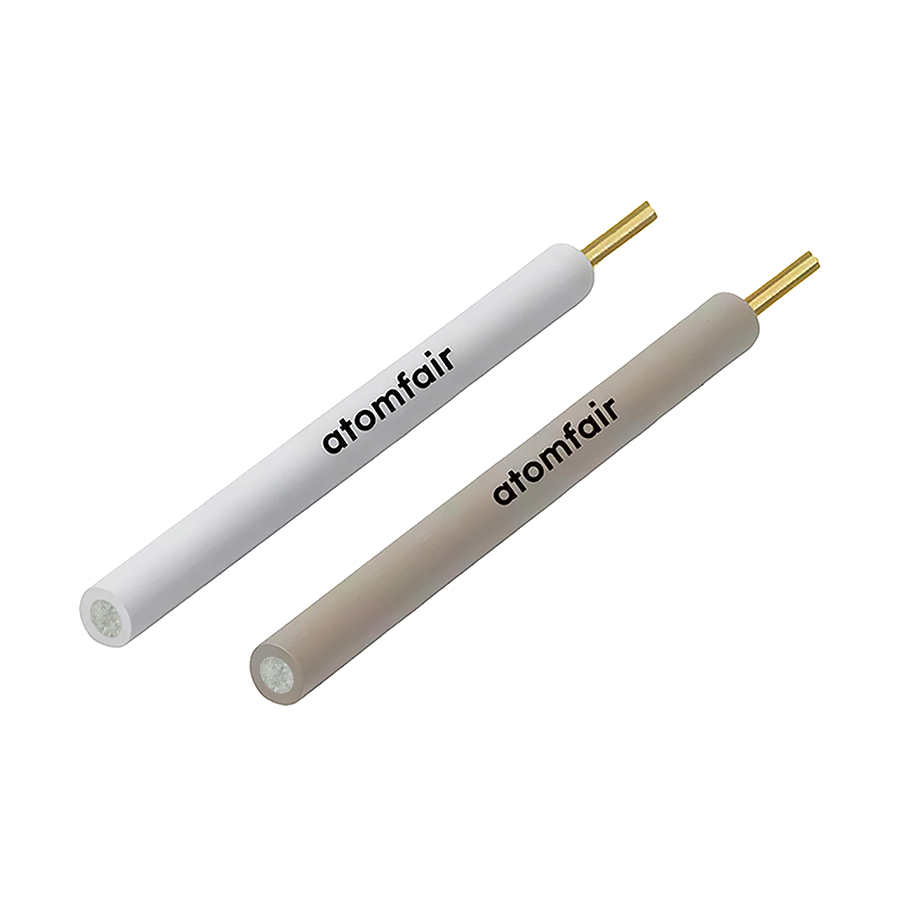
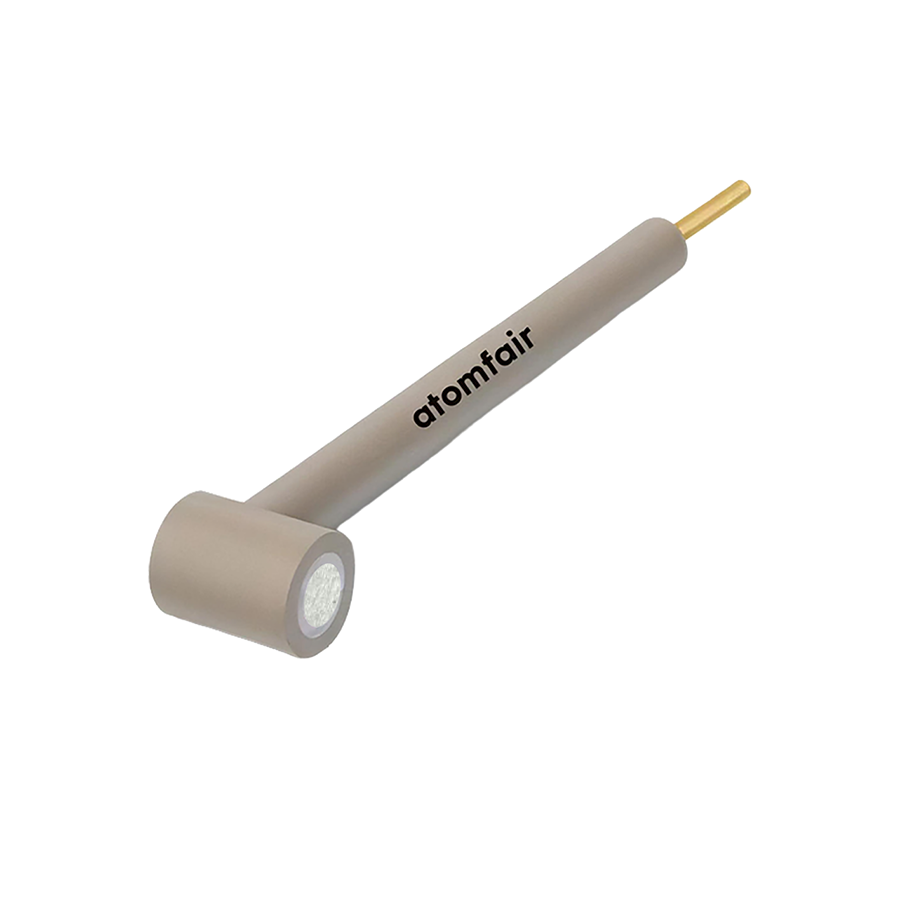
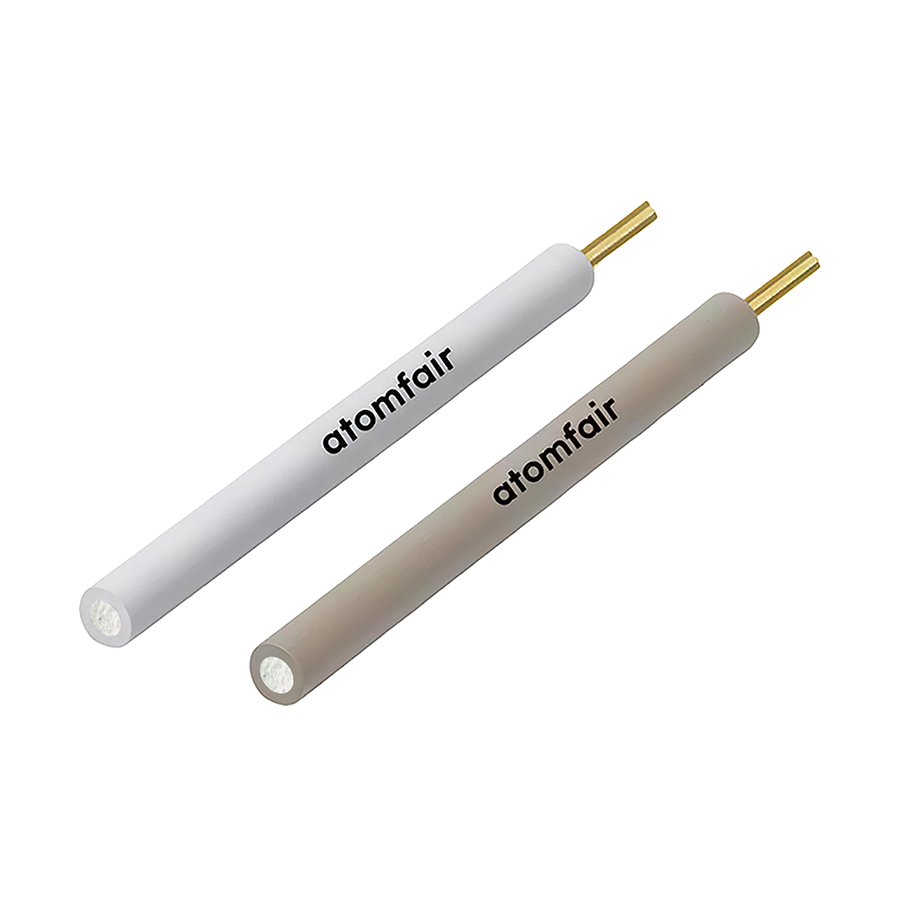
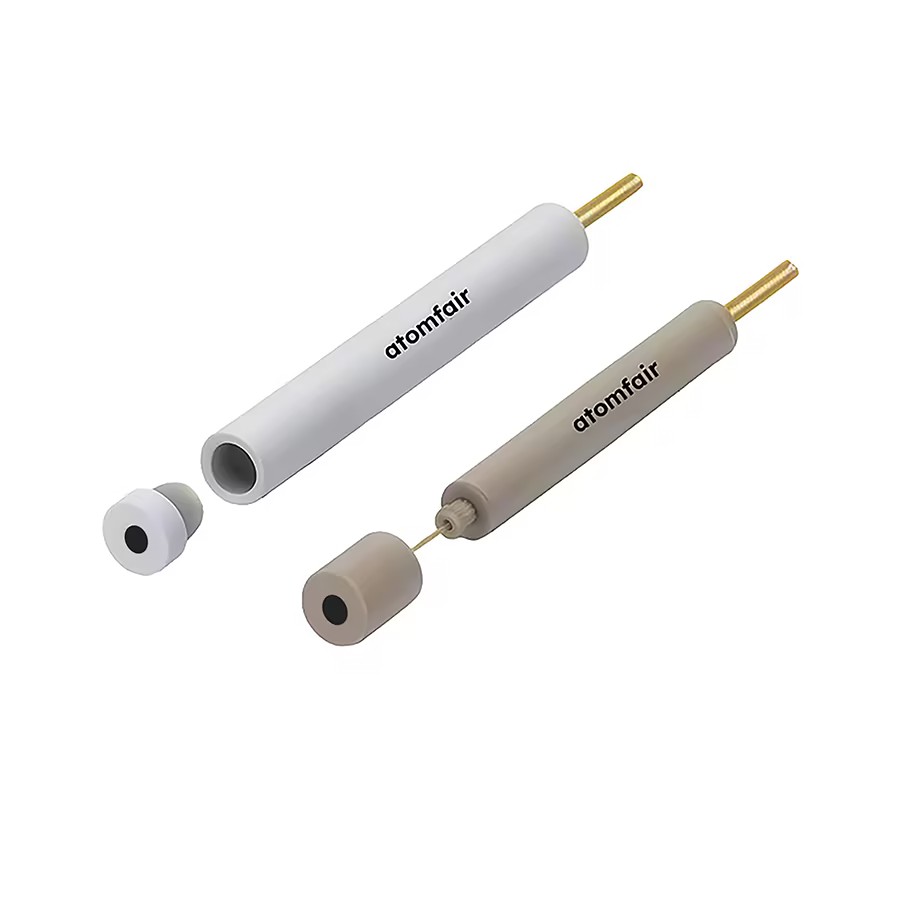
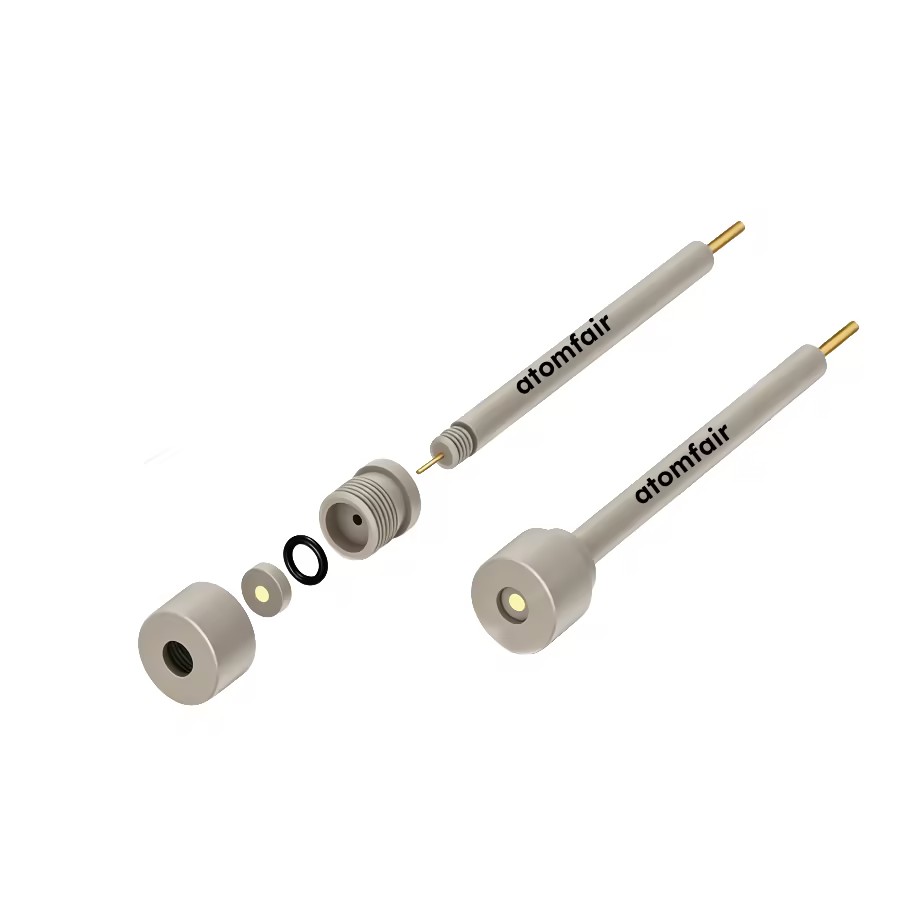
The ATOMFAIR Multifunctional Combination Pyrolytic Graphite Working Electrode (SKU: AF-EC-E-PYRO-CONF-STD2) is a simple-type product featuring a high-performance pyrolytic graphite disk with an embedded design and head thickness under 4 mm, enabling direct integration with SEM or AFM for correlative electrochemical-microscopic analysis. Its gold-plated copper rod provides corrosion resistance, but the pyrolytic graphite surface is highly sensitive to contamination, requiring strict anhydrous inert handling to maintain performance.
Positive
- Correlative electrochemical-microscopic analysis: Electrode head thickness less than 4 mm allows direct integration with SEM or AFM systems, enabling structural and topographical correlation with electrochemical data from the identical electrode surface without sample transfer.
- Corrosion-resistant gold-plated copper rod: Gold-plated copper rod (1.5×15 mm) delivers enhanced oxidation resistance and maintains stable conductivity over extended use, improving long-term reliability in electrochemical setups.
Trade-offs
- High sensitivity to surface contamination: The pyrolytic graphite surface is highly sensitive to contamination; containers must be kept tightly sealed or handled exclusively within an anhydrous inert environment to prevent phase contamination or degradation before electrochemical validation.
- Requires anhydrous inert handling environment: To maintain performance, the electrode must be handled in an anhydrous inert atmosphere, adding infrastructure and procedural requirements for routine use.
Every advanced material, component, equipment, and instrument in our catalog is backed by rigorous testing. We maintain strict internal quality management frameworks and align with CE conformity metrics to deliver transparent, reproducible performance data via our public open-science repository.
To request raw batch performance data, submit formal vendor registration paperwork, or execute a fast-turnaround R&D manufacturing loop, contact us at inquiry@atomfair.com.
Item is dispatched under the Atomfair Shipping & Delivery Framework (Free worldwide shipping on orders over $59 USD excl. heavy equipment). Return is governed by the Atomfair Return & Refund Policy (7-day technical return window).