ATOMFAIR IC-PU POLYURETHANE COATED IRON GRINDING BALLS MIXED SIZE 1KGRESEARCH GRADE MATERIAL
|
|||||||||||||||||||||||||||||||||||||||||||||||||||
|
|||||||||||||||||||||||||||||||||||||||||||||||||||
|
TAILORED SOLUTIONS FOR RESEARCH
Contact our engineering team for technical support or official quotations.
EMAIL: inquiry@atomfair.com
|
|||||||||||||||||||||||||||||||||||||||||||||||||||
|
Manufacturer: Atomfair LLC
Brand: ATOMFair®
|
|||||||||||||||||||||||||||||||||||||||||||||||||||
These polyurethane coated iron grinding balls require careful selection of jar material and operating conditions to prevent damage to the outer layer. The coating is susceptible to wear from hard materials, high temperatures, and aggressive chemicals, and must be inspected regularly to avoid iron contamination.
- Jar Compatibility: Only use with polymer jars such as PU, nylon, or PTFE; hard ceramic or metal jars will rapidly wear the polyurethane coating.
- Material Hardness Limit: Do not grind materials with Mohs hardness of 7 or greater, as they will scratch and tear the polyurethane outer layer.
- Temperature Limit: Operating temperature must not exceed 100°C, as high temperatures accelerate polyurethane aging and delamination.
- Chemical Resistance: Avoid prolonged exposure to concentrated strong acids, alkalis, or hydrofluoric acid, which will swell and corrode the polyurethane coating.
- Inspection Requirement: Regularly inspect the balls for surface damage, cracking, or exposed metal, and replace immediately if any of these signs appear.
This guide provides steps for safely and effectively using polyurethane coated iron grinding balls for gentle mixing and dispersion of soft materials. Proper jar selection, material hardness verification, and regular inspection are critical to maintain ball integrity and prevent contamination.
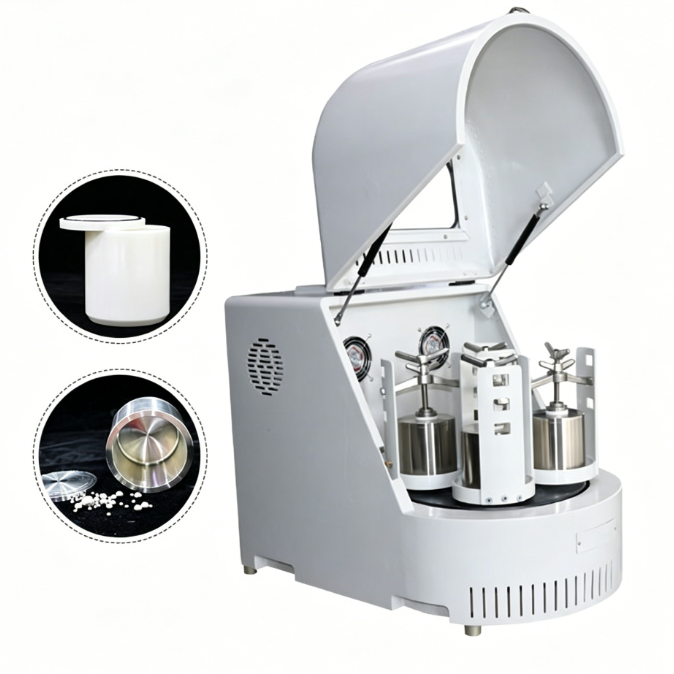
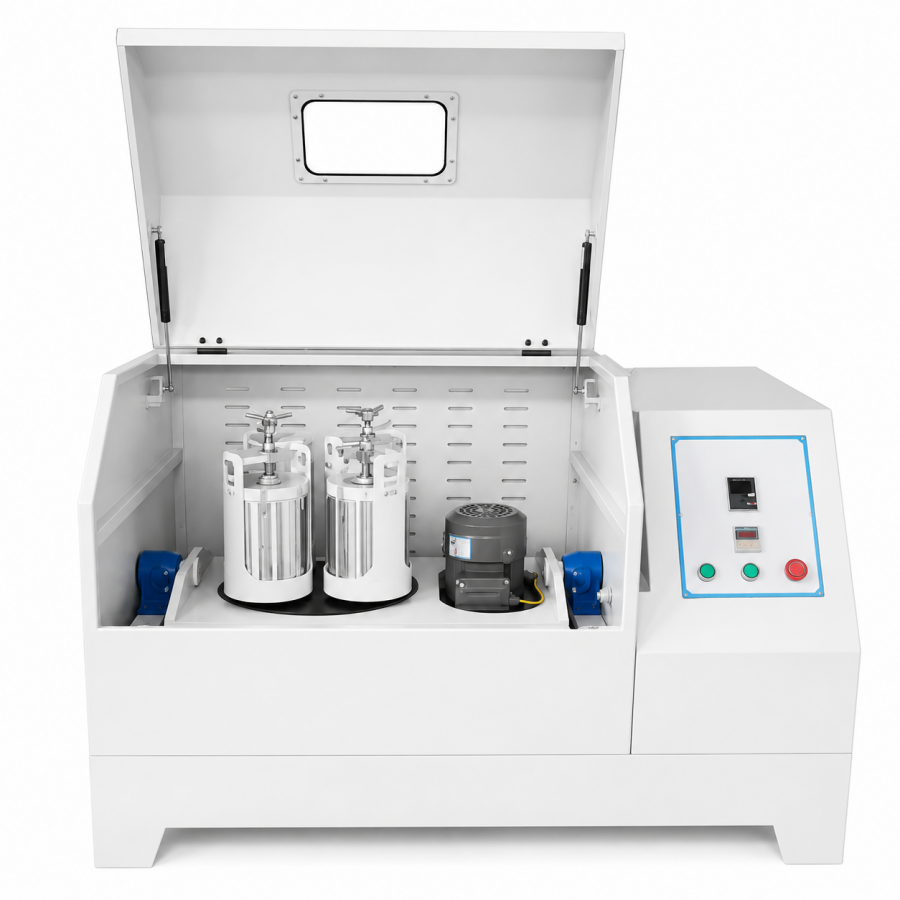
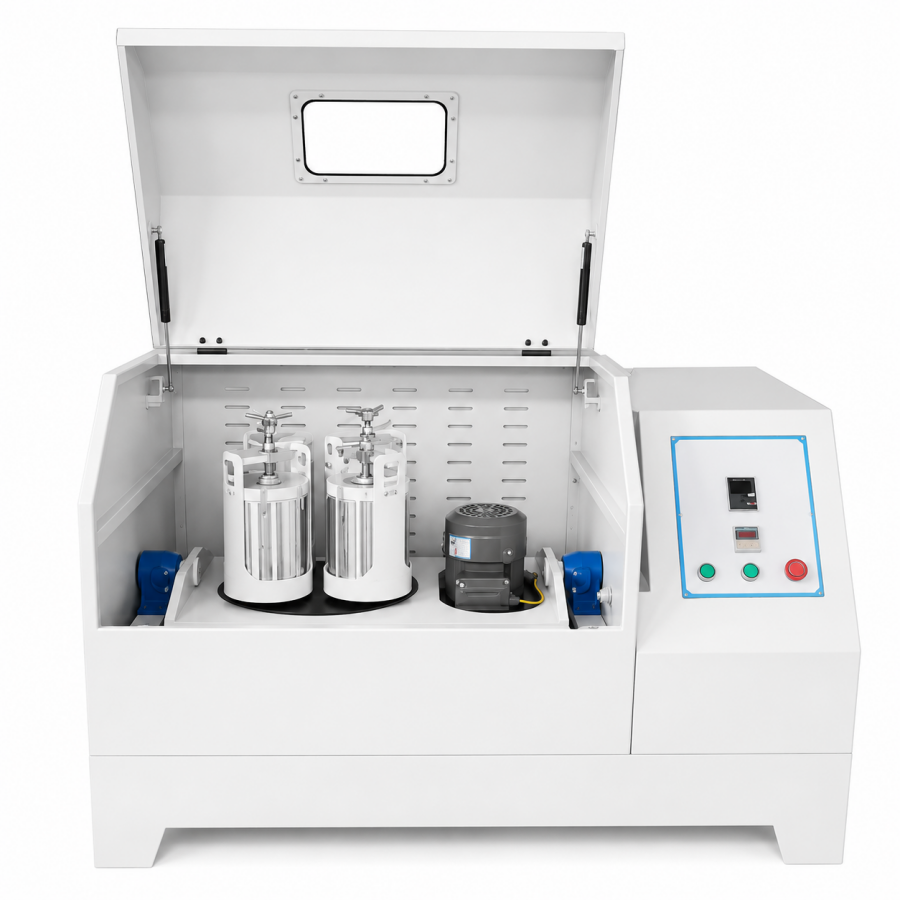
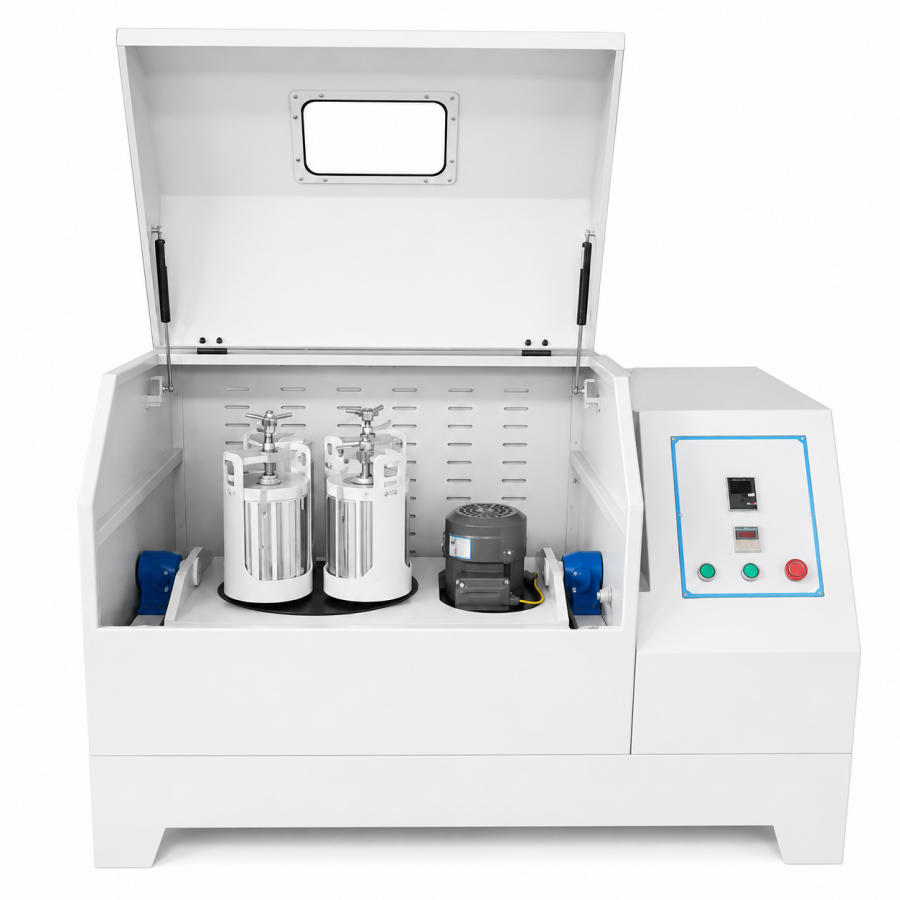
Required Equipment: Ball mill (planetary, roller, or stirred type), Compatible polymer jar (PU, nylon, or PTFE)
- Select Jar Material
Select a compatible jar material such as PU, nylon, or PTFE to prevent rapid wear of the polyurethane coating. - Verify Material Hardness
Verify that the material to be ground has a Mohs hardness below 7 to avoid damaging the outer layer. - Load Balls and Slurry
Load the mixed-size grinding balls into the jar in the recommended 4:2:1 ratio of large to medium to small balls. - Seal and Mount Jar
Seal the jar and mount it in the ball mill, ensuring the operating temperature will remain below 100°C. - Operate Mill Gently
Operate the ball mill at a speed suitable for gentle mixing and dispersion, avoiding high-energy impacts that could damage the coating. - Inspect Balls Regularly
Inspect the balls regularly for surface damage, cracking, or exposed metal, and replace any compromised balls immediately. - Clean After Use
Clean the balls after use with a compatible solvent to remove slurry residue and prevent contamination.
How does the mixed-size ratio (4:2:1) improve grinding efficiency compared to single-diameter media?
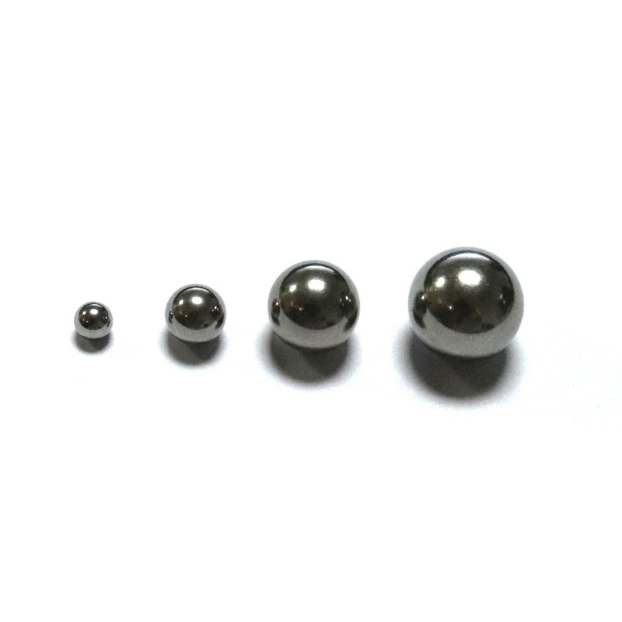
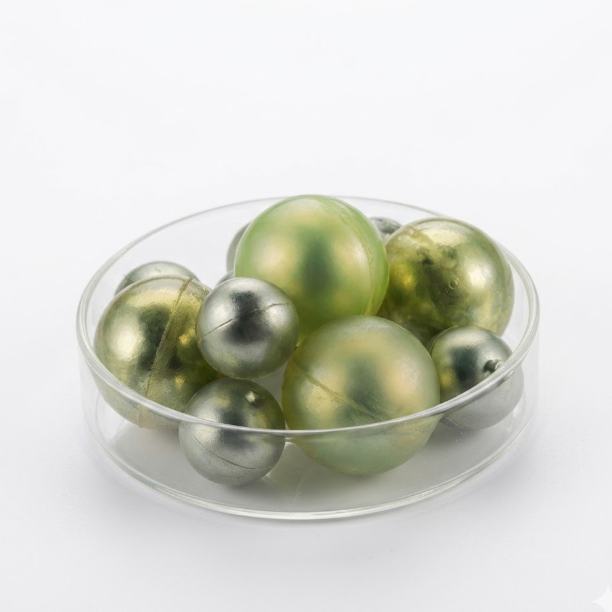
The mixed-size ratio (Φ25mm:Φ20mm:Φ15mm ≈ 4:2:1 by quantity) delivers significantly higher efficiency than single-diameter media by combining three distinct functions: large balls provide primary impact force for breaking large particles, medium balls further refine particles, and small balls increase contact points for final fine grinding and homogenization. This multi-stage action maximizes mixing and dispersion efficiency, as stated in the product specifications.
What jar materials are compatible with IC-PU polyurethane coated grinding balls to avoid premature wear?
IC-PU balls are best paired with polymer soft jars such as PU, nylon (PA), and PTFE jars. They are not recommended for use with corundum, zirconia, cemented carbide, or other high-hardness ceramic/metal jars because hard jar surfaces will rapidly wear the polyurethane outer layer, as noted in the recommended jar pairing section.
What are the critical operating temperature and chemical exposure limits for IC-PU grinding balls?
The maximum operating temperature is ≤100°C; higher temperatures accelerate PU aging, peeling, and delamination. Chemically, the balls are resistant to most organic solvents, weak acids, and weak alkalis, but must not be immersed long-term in concentrated strong acids, concentrated strong alkalis, or hydrofluoric acid, as these will swell and corrode the polyurethane outer layer.
The Atomfair IC-PU Polyurethane Coated Iron Grinding Balls Mixed Size 1kg combine a high-density iron core (3.5–5.5 g/cm³) with a soft polyurethane outer layer, enabling gentle mixing and dispersion of brittle or heat-sensitive materials while reducing noise and vibration. The optimized 4:2:1 mixed-size ratio (Φ25mm, Φ20mm, Φ15mm) provides multi-stage grinding efficiency superior to single-diameter media. However, the PU outer layer limits operating temperature to ≤100°C and precludes use with high-hardness materials (Mohs ≥7) or concentrated acids/alkalis, which can cause rapid wear and iron contamination.
Positive
- Weighted iron core for effective grinding: The built-in iron core raises overall density to 3.5–5.5 g/cm³, overcoming the insufficient weight of pure PU balls while preserving the soft elastic surface for gentle material interaction.
- Optimized mixed-size ratio for efficiency: The 4:2:1 ratio of Φ25mm:Φ20mm:Φ15mm balls provides primary impact, intermediate refinement, and fine homogenization, delivering significantly higher dispersion efficiency than single-diameter media.
Trade-offs
- Temperature and chemical sensitivity: Operating temperature must not exceed 100°C, and the PU outer layer is not resistant to concentrated strong acids, alkalis, or hydrofluoric acid, which cause swelling, corrosion, and accelerated aging.
- Hard material and jar compatibility limits: Not suitable for grinding materials with Mohs hardness ≥7 (e.g., silicon carbide, quartz) or use with high-hardness ceramic/metal jars, as these will rapidly wear the PU outer layer and introduce iron contamination.
Every advanced material, component, equipment, and instrument in our catalog is backed by rigorous testing. We maintain strict internal quality management frameworks and align with CE conformity metrics to deliver transparent, reproducible performance data via our public open-science repository.
To request raw batch performance data, submit formal vendor registration paperwork, or execute a fast-turnaround R&D manufacturing loop, contact us at inquiry@atomfair.com.
Item is dispatched under the Atomfair Shipping & Delivery Framework (Free worldwide shipping on orders over $59 USD excl. heavy equipment). Return is governed by the Atomfair Return & Refund Policy (7-day technical return window).