Single-Chamber Photoelectrochemical Cell, PMMA Type | ATOMFAIRProduct Type: Electrochemical cell
Research-grade laboratory product
|
|||||||||||||||||||
|
|||||||||||||||||||
|
LABORATORY PROCUREMENT SUPPORT
For model selection, accessory matching, platform compatibility or configuration confirmation, contact our technical sales team.
E-MAIL: inquiry@atomfair.com
|
|||||||||||||||||||
|
Manufacturer: Atomfair LLC
Brand: ATOMFAIR®
|
Manufacturer: Atomfair LLC
Brand: ATOMFAIR®
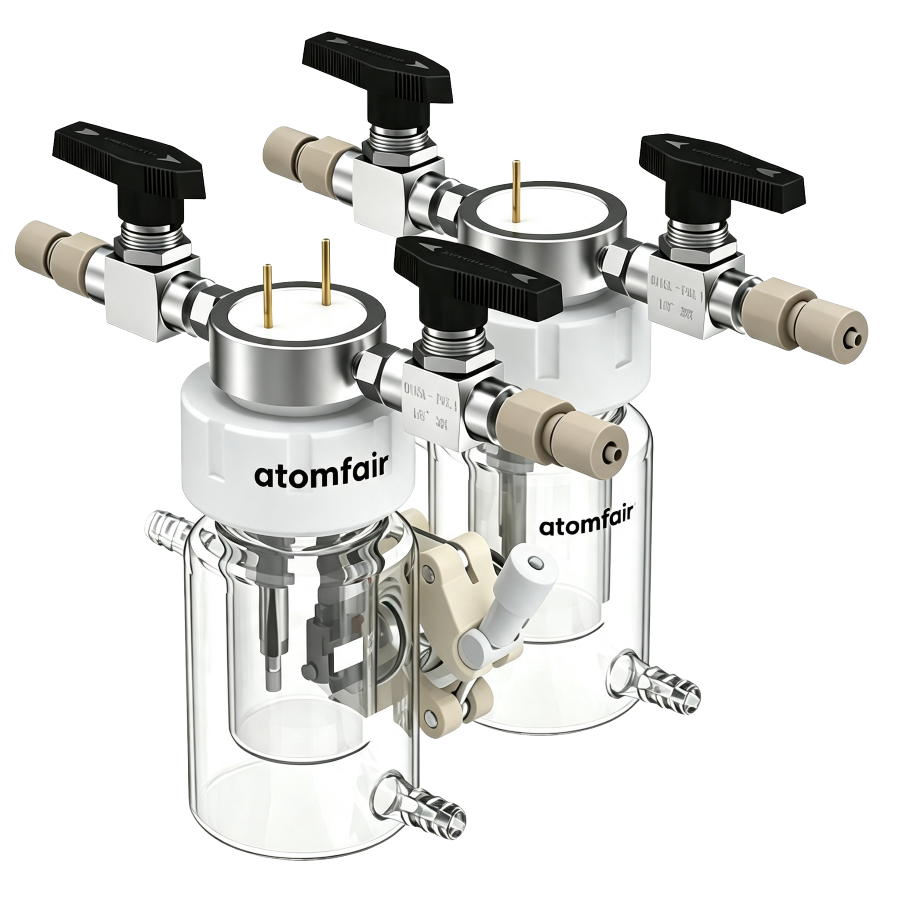
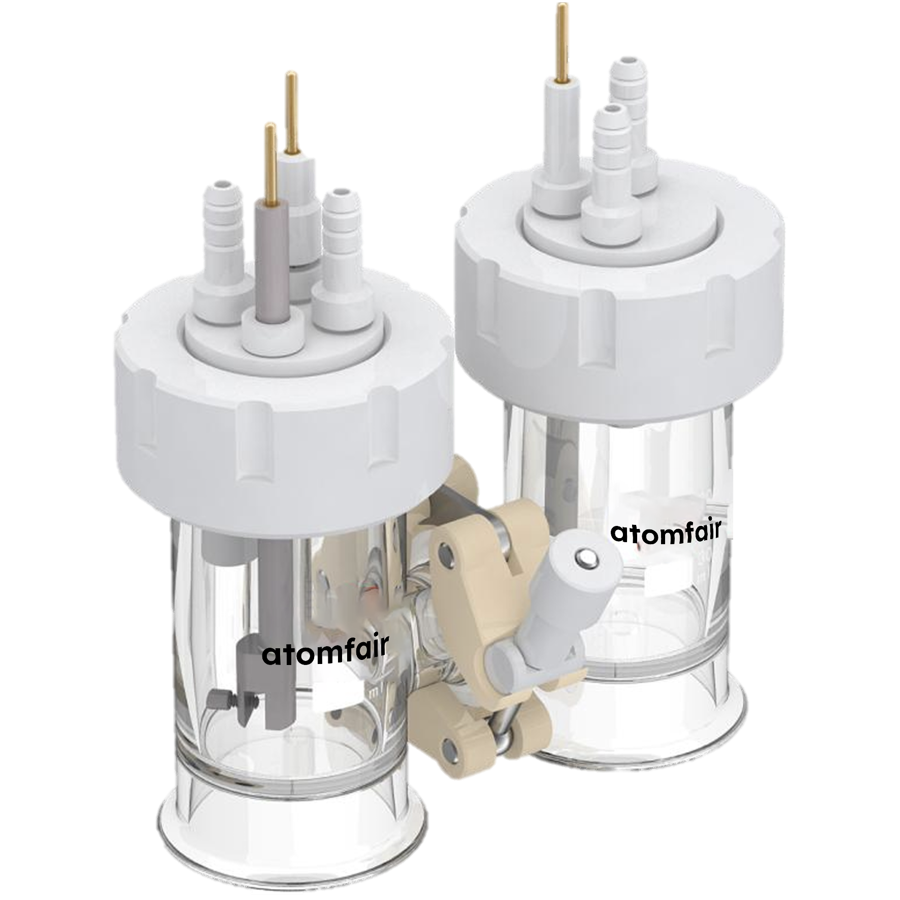
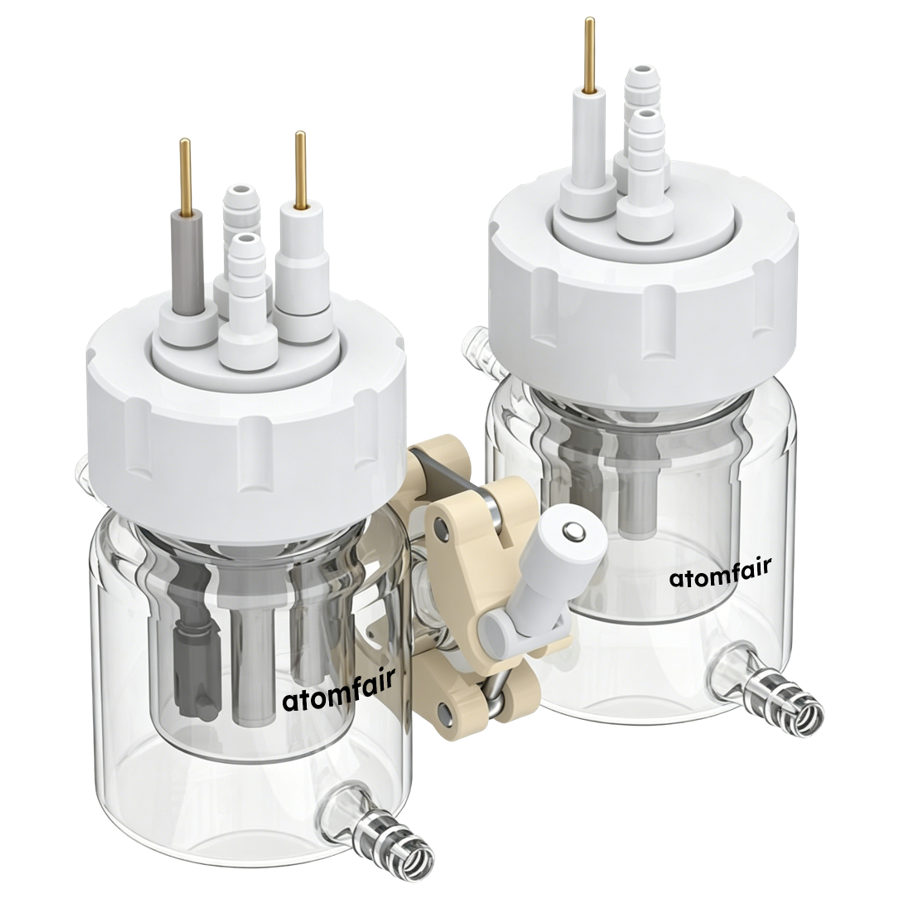
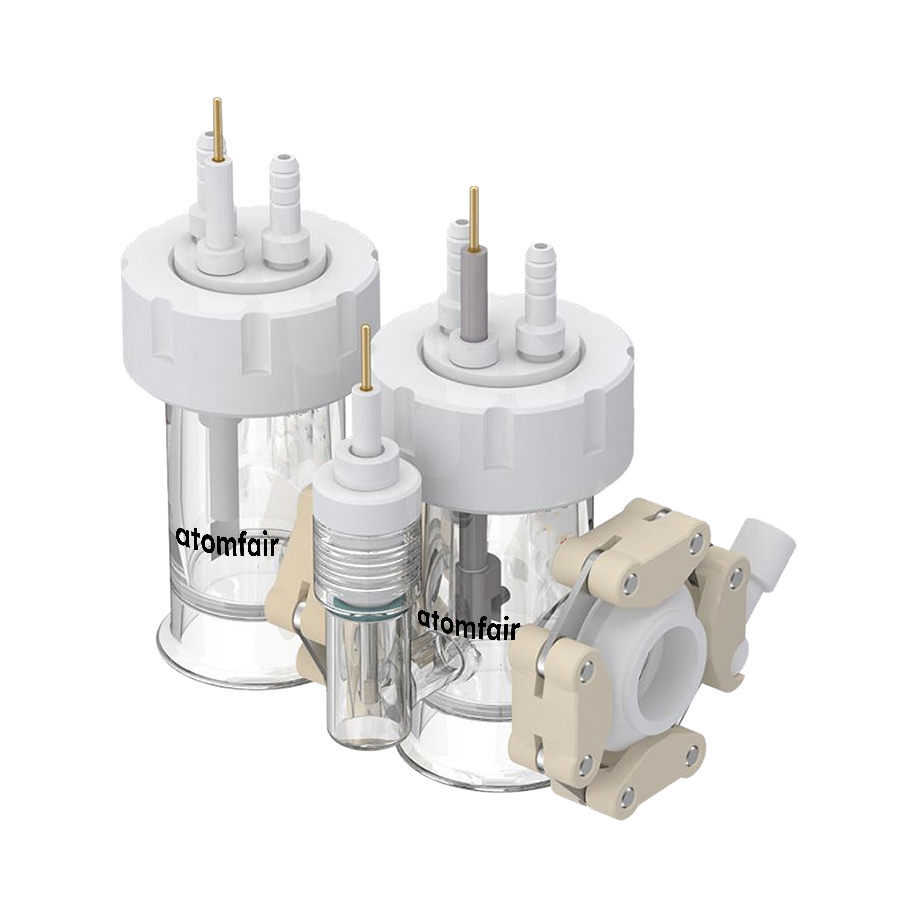
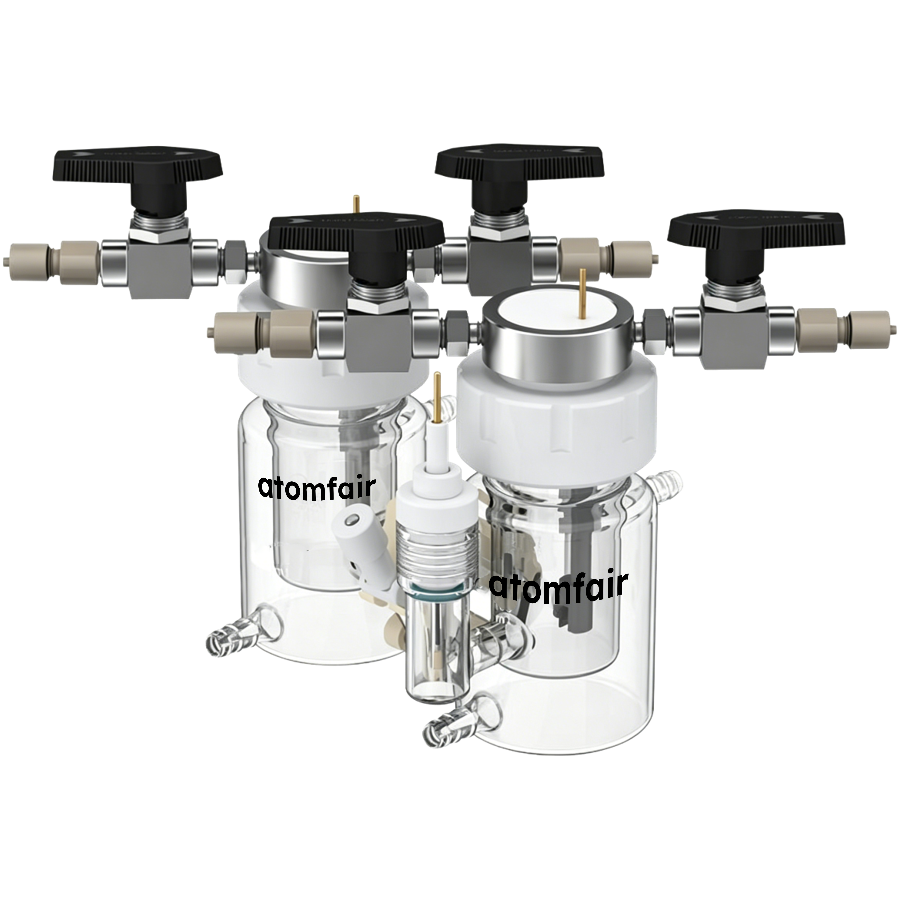
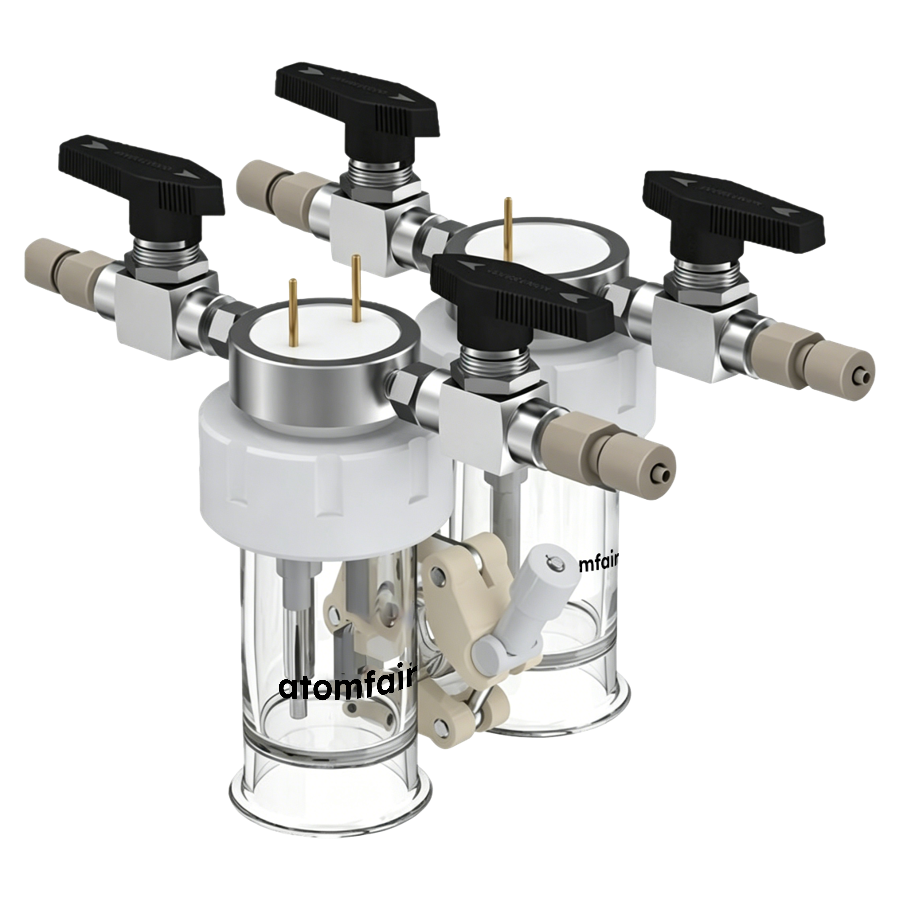
This PMMA-based photoelectrochemical cell requires careful handling due to material limitations and sealing requirements. The cell must not be exposed to temperatures above 80°C and is incompatible with organic solvents that attack PMMA.
- Temperature Limit: Avoid exposing the cell to temperatures exceeding 80°C to prevent PMMA deformation or failure.
- Chemical Compatibility: Verify that all solvents and electrolytes used are compatible with PMMA, as it has limited resistance to organic solvents.
- Sealing Integrity: Ensure all ports are properly sealed before introducing nitrogen or operating under gas-sensitive conditions.
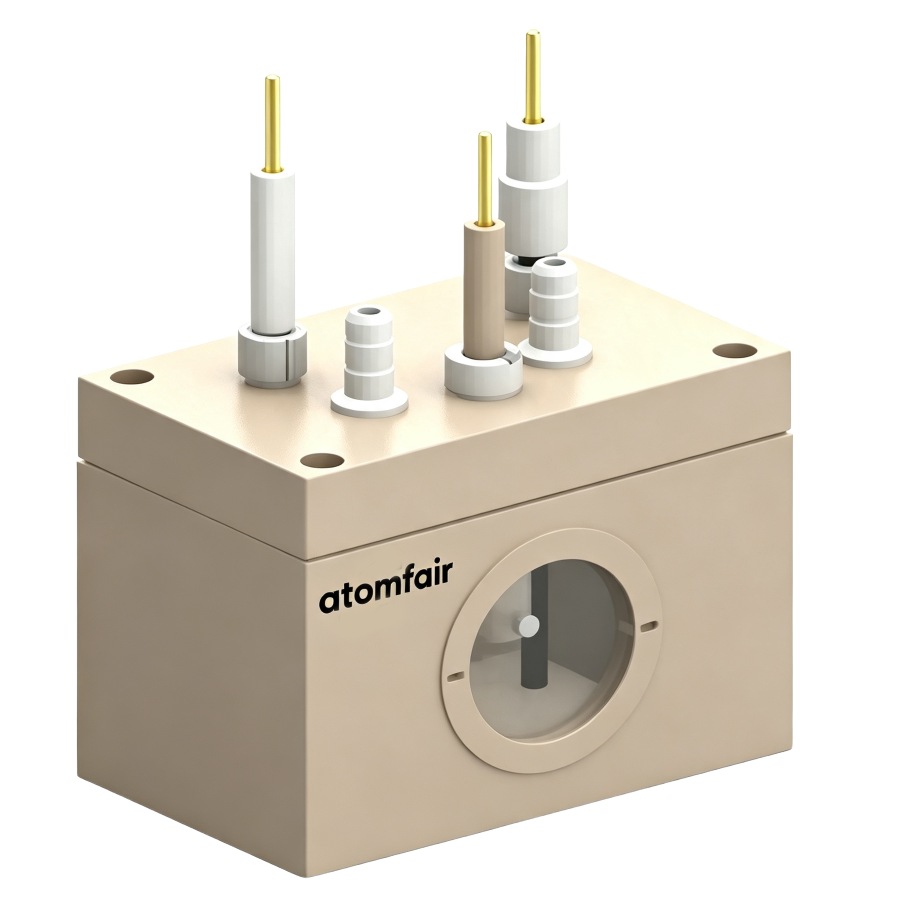
- Quartz Window Care: Handle the quartz window with care to avoid scratches or breakage that could compromise optical access.
- Electrode Ports: Use spare plugs for unused electrode ports to maintain the sealed system.
What are the chemical compatibility limitations of the PMMA single-chamber photoelectrochemical cell compared to PTFE or PEEK alternatives?
The PMMA construction offers optical clarity and cost-effectiveness but has limited solvent resistance, particularly with organic solvents. The product description explicitly cautions that chemical compatibility must be verified before use with organic solvents and that the cell should avoid exposure to high temperatures (>80°C). For applications requiring broader chemical resistance, alternative PTFE or PEEK material options are available per product specifications.
What electrode configurations does the PMMA single-chamber photoelectrochemical cell support for three-electrode experiments?
The cell is designed for a standard three-electrode configuration with dedicated ports for working, reference, and counter electrodes. It includes spare plugs for any unused openings, allowing the researcher to seal the system as needed. The sealed design with nitrogen purging capability supports anaerobic and gas-sensitive photoelectrochemical experiments.
What critical handling and operational precautions are required for the PMMA photoelectrochemical cell during gas-light experiments?
Operators must ensure proper sealing of all ports before gas operation, handle the quartz window and PMMA body with care to avoid cracking or scratching, and verify chemical compatibility with any organic solvents used, as PMMA has limited resistance. Additionally, the cell should not be exposed to temperatures exceeding 80°C. Electrodes are not included and must be procured separately.
The ATOMFAIR PMMA Single-Chamber Photoelectrochemical Cell provides optical clarity via PMMA and quartz window, along with a sealed three-electrode setup and nitrogen purging for anaerobic experiments, but requires careful handling due to PMMA's limited solvent resistance and temperature tolerance below 80°C.
Positive
- Optical clarity and chemical resistance: PMMA construction offers optical transparency for spectroelectrochemical studies while providing adequate chemical resistance for routine aqueous and mild solvent applications, complemented by a quartz glass window for UV-vis transmission.
- Sealed system with nitrogen purging: The sealed design with fluororubber O-rings and integrated nitrogen purging port enables precise atmosphere control, allowing oxygen removal essential for anaerobic photoelectrochemical experiments.
Trade-offs
- Limited solvent and temperature resistance: PMMA exhibits poor resistance to organic solvents and must not be exposed to temperatures exceeding 80°C, requiring mandatory chemical compatibility verification before use with non-aqueous systems.
- Handling and sealing requirements: The quartz window and PMMA body are susceptible to scratching and cracking, and proper sealing is critical before gas operation to maintain anaerobic integrity and prevent leaks.
Every advanced material, component, equipment, and instrument in our catalog is backed by rigorous testing. We maintain strict internal quality management frameworks and align with CE conformity metrics to deliver transparent, reproducible performance data via our public open-science repository.
To request raw batch performance data, submit formal vendor registration paperwork, or execute a fast-turnaround R&D manufacturing loop, contact us at inquiry@atomfair.com.
Item is dispatched under the Atomfair Shipping & Delivery Framework (Free worldwide shipping on orders over $59 USD excl. heavy equipment). Return is governed by the Atomfair Return & Refund Policy (7-day technical return window).