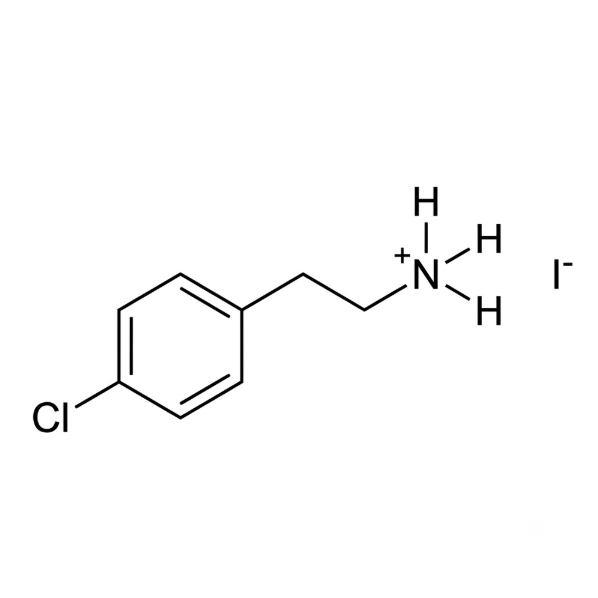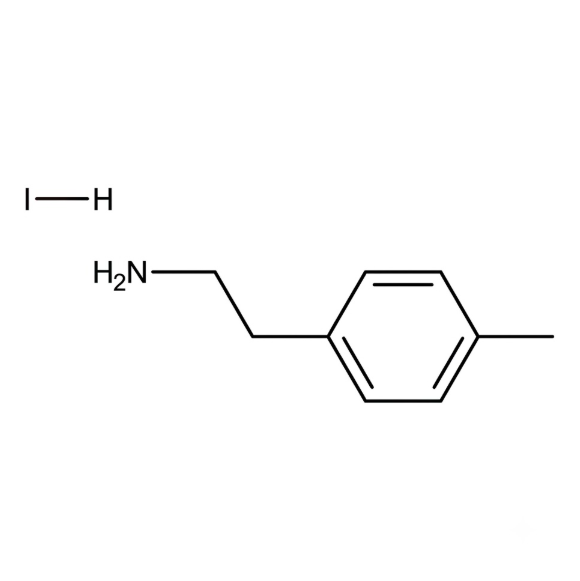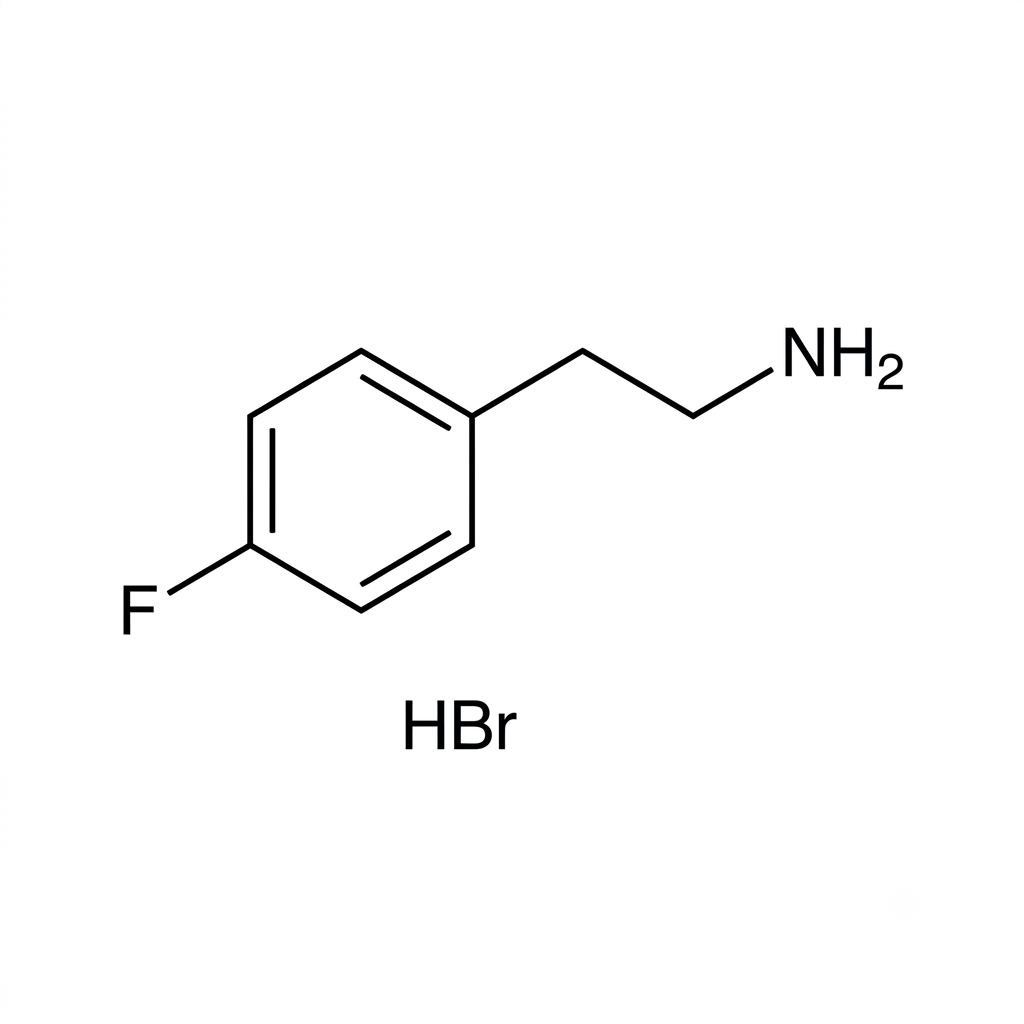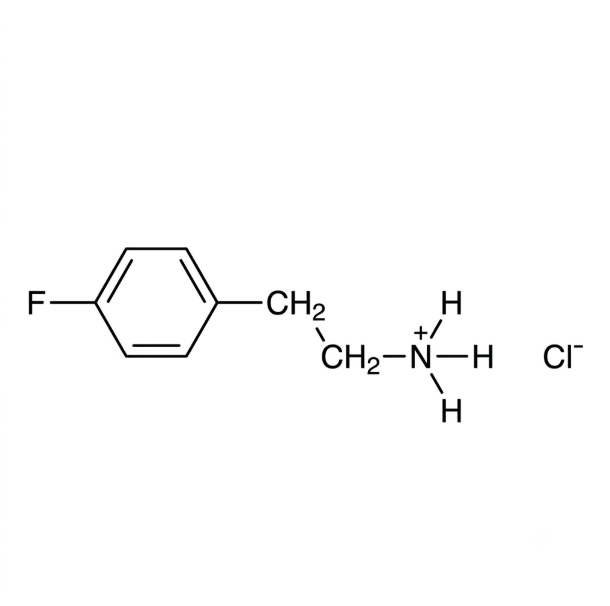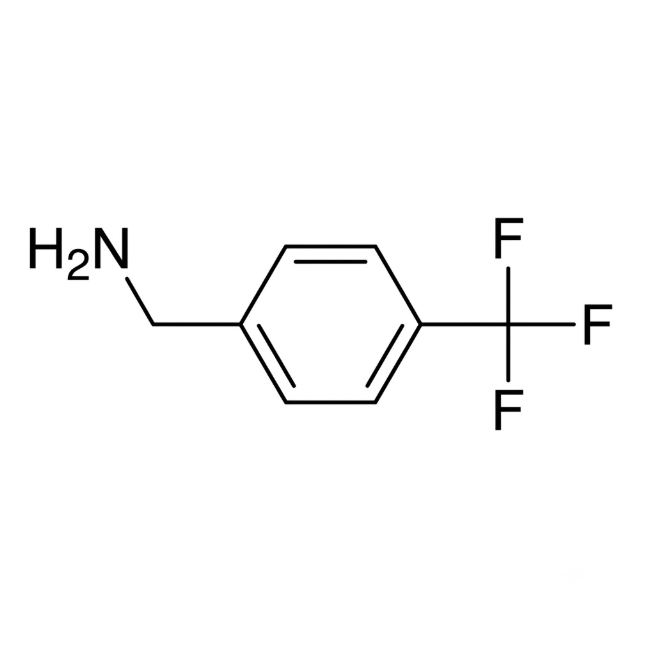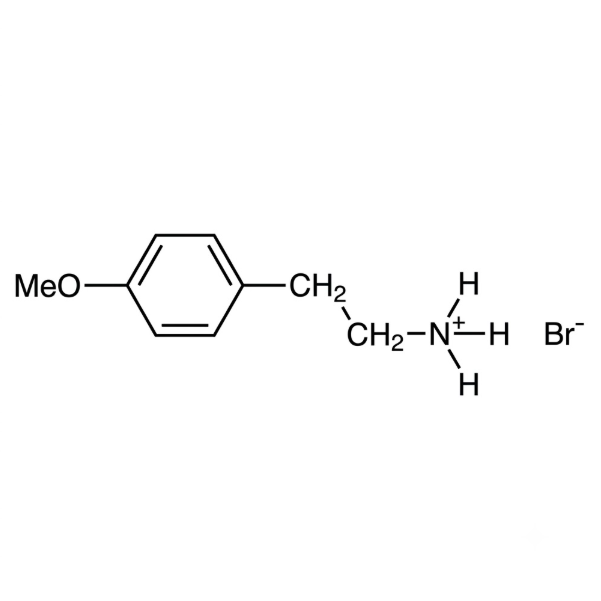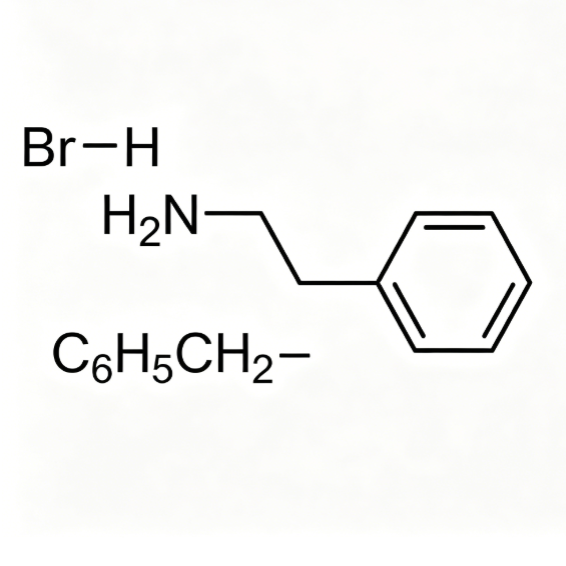
PHENETHYLAMMONIUM BROMIDE C₈H₁₂BRN 99% PEABR CAS 53916-94-2RESEARCH GRADE MATERIAL
|
|||||||||||||||||||||||||
|
|||||||||||||||||||||||||
|
TAILORED SOLUTIONS FOR RESEARCH
Contact our engineering team for technical support or official quotations.
EMAIL: inquiry@atomfair.com
|
|||||||||||||||||||||||||
|
Manufacturer: Atomfair LLC
Brand: ATOMFAIR®
|
Phenethylammonium bromide is a hygroscopic, light-sensitive organic salt that requires strict moisture-free and light-protected storage to prevent irreversible deliquescence and hydrolysis. All solution preparation must be conducted in an inert-atmosphere glovebox to maintain precursor stoichiometry and device performance.
- Moisture Sensitivity: Phenethylammonium bromide is hygroscopic and will deliquesce upon exposure to atmospheric moisture, irreversibly degrading precursor stoichiometry.
- Light Sensitivity: The material is light-sensitive and must be stored in light-protected packaging to prevent photodegradation.
- Storage Requirements: Store in a sealed container at room temperature in a dry, light-protected environment, away from strong oxidizing agents and acidic reagents.
- Handling Requirement: All solution preparation must be performed in an inert-atmosphere glovebox with H2O < 1 ppm and O2 < 1 ppm to prevent moisture contamination.
- Incompatibility: Do not store together with strong oxidizing agents or acidic reagents to avoid hazardous reactions.
This procedure outlines the safe handling and preparation of phenethylammonium bromide precursor solutions under inert atmosphere. Immediate transfer to a glovebox and proper resealing are critical to prevent moisture-induced degradation.
Required Equipment: Inert-atmosphere glovebox (H2O < 1 ppm, O2 < 1 ppm)
- Transfer to Glovebox
Transfer the sealed container to an inert-atmosphere glovebox with H2O < 1 ppm and O2 < 1 ppm before opening. - Inspect Material
Inspect the white crystalline solid for any signs of moisture-induced clumping or discoloration. - Weigh Under Inert Atmosphere
Weigh the required amount of phenethylammonium bromide under inert atmosphere to avoid moisture exposure. - Reseal Container
Immediately reseal the container after use and tighten the cap to prevent moisture ingress. - Store Properly
Return the container to light-protected, dry storage at room temperature away from oxidizing agents and acidic reagents.
How does the >99% purity of Phenethylammonium Bromide (PEABr) influence perovskite solar cell performance and batch reproducibility?
The >99% purity minimizes extrinsic defects introduced during passivation layer deposition, ensuring reproducible device performance across experimental batches. The low batch impurity content directly supports consistent suppression of non-radiative recombination at grain boundaries and interfaces, which enhances open-circuit voltage and fill factor in completed photovoltaic devices.
Can Phenethylammonium Bromide be used for both 2D Ruddlesden-Popper perovskite synthesis and surface passivation of 3D perovskite films?
Yes, PEABr serves dual roles as the spacer cation for 2D Ruddlesden-Popper phase perovskite formation and as a surface passivation agent for 3D perovskite thin films. The aromatic phenethyl group provides superior moisture resistance compared to aliphatic ammonium counterparts, and the material is compatible with spin-coating and solution blending deposition protocols for mixed-dimensional heterostructures.
What are the specific storage and handling requirements for Phenethylammonium Bromide to prevent degradation?
Store under light-protected, dry, sealed conditions at room temperature; the material is hygroscopic and light-sensitive. Immediately tighten the container cap after each use to prevent moisture ingress, and handle the white crystalline solid within an inert-atmosphere glovebox (H₂O < 1 ppm, O₂ < 1 ppm) when preparing precursor solutions to avoid deliquescence and hydrolysis.
Phenethylammonium Bromide (PEABr, >99% purity) is a specialized organic spacer cation for 2D Ruddlesden-Popper perovskite synthesis and surface passivation of 3D perovskite thin films. Its primary technical advantage is effective suppression of non-radiative recombination at grain boundaries and interfaces, directly improving open-circuit voltage and fill factor in photovoltaic devices, while the aromatic phenethyl group enhances moisture resistance for extended operational stability. However, the material is highly hygroscopic and light-sensitive, requiring strict inert-atmosphere glovebox handling (H₂O < 1 ppm, O₂ < 1 ppm) during solution preparation and immediate storage in a desiccated, light-protected environment to prevent irreversible degradation.
Positive
- Effective surface defect passivation: The phenethylammonium cation selectively passivates surface and grain boundary defect states in 3D perovskite films, suppressing non-radiative recombination pathways and directly enhancing open-circuit voltage and fill factor in photovoltaic devices.
- Dimensionality engineering for improved stability: PEABr serves as the spacer cation for 2D Ruddlesden-Popper phase perovskite formation; the aromatic phenethyl group provides superior moisture resistance compared to aliphatic ammonium counterparts, significantly extending device operational lifetime.
Trade-offs
- Hygroscopic and light-sensitive storage required: The material is hygroscopic and light-sensitive; exposure to atmospheric moisture causes deliquescence and hydrolysis, irreversibly degrading precursor stoichiometry. Immediate transfer to a desiccated, light-protected environment upon receipt is mandatory.
- Inert-atmosphere glovebox handling necessary: When preparing precursor solutions, the white crystalline solid must be handled within an inert-atmosphere glovebox (H₂O < 1 ppm, O₂ < 1 ppm) to prevent moisture-induced degradation, adding infrastructure requirements for laboratory deployment.
Every advanced material, component, equipment, and instrument in our catalog is backed by rigorous testing. We maintain strict internal quality management frameworks and align with CE conformity metrics to deliver transparent, reproducible performance data via our public open-science repository.
To request raw batch performance data, submit formal vendor registration paperwork, or execute a fast-turnaround R&D manufacturing loop, contact us at inquiry@atomfair.com.
Item is dispatched under the Atomfair Shipping & Delivery Framework (Free worldwide shipping on orders over $59 USD excl. heavy equipment). Return is governed by the Atomfair Return & Refund Policy (7-day technical return window).