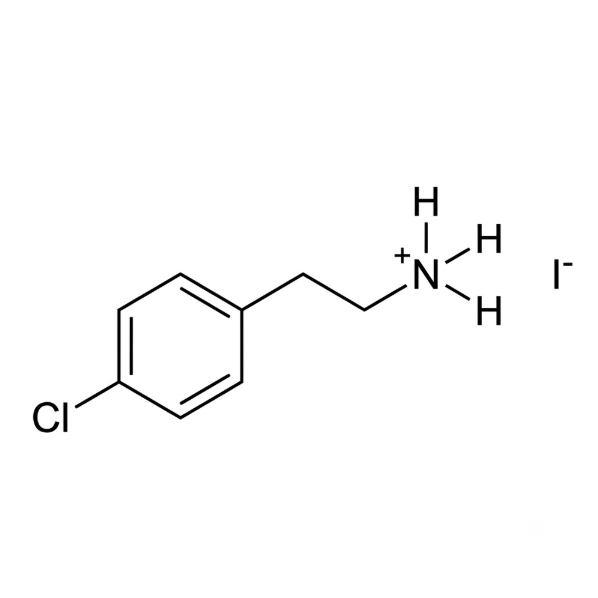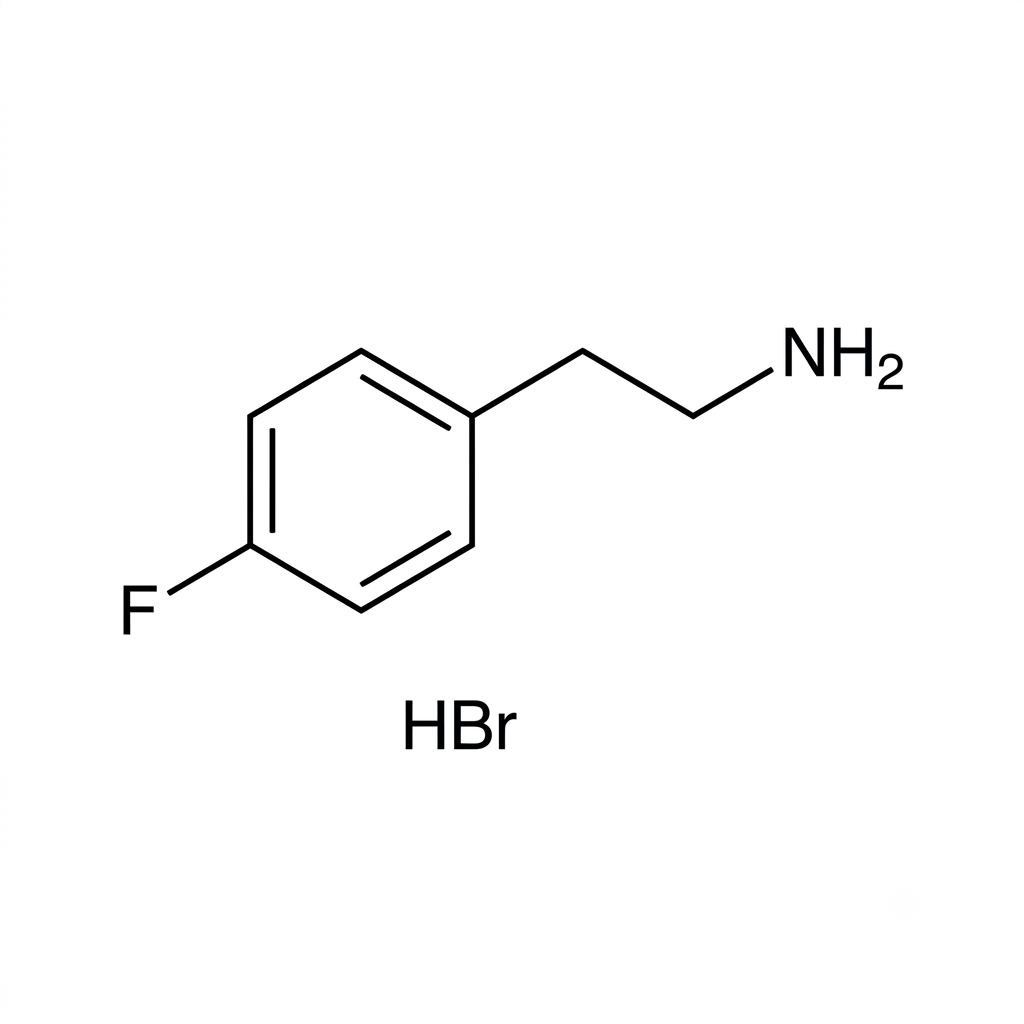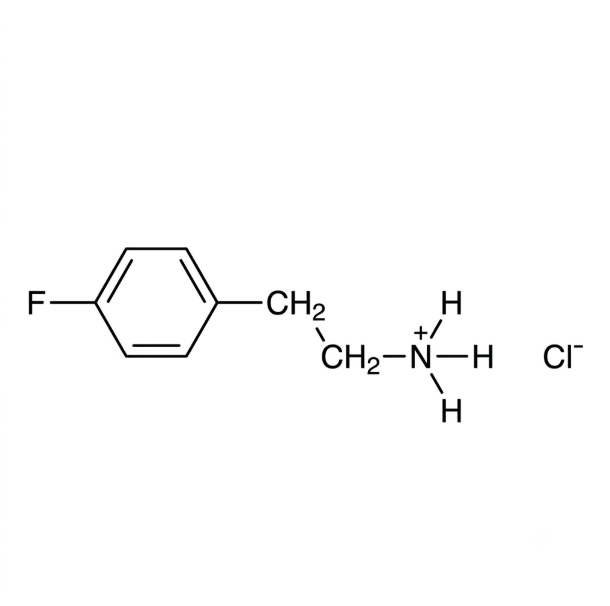
4-FLUORO-PHENETHYLAMMONIUM IODIDE C₈H₁₁FIN 99% 4FPEAI CAS 1413269-55-2RESEARCH GRADE MATERIAL
|
|||||||||||||||||||||||||||
|
|||||||||||||||||||||||||||
|
TAILORED SOLUTIONS FOR RESEARCH
Contact our engineering team for technical support or official quotations.
EMAIL: inquiry@atomfair.com
|
|||||||||||||||||||||||||||
|
Manufacturer: Atomfair LLC
Brand: ATOMFAIR®
|
This compound is strongly hygroscopic and light-sensitive, requiring strict moisture and light exclusion to prevent degradation. Inert atmosphere glovebox storage is recommended for long-term material integrity.
- Light Sensitivity: Exposure to light causes photodegradation, necessitating light-protective storage.
- Moisture Sensitivity: Ambient moisture causes deliquescence and hydrolysis, irreversibly altering precursor stoichiometry.
- Glovebox Requirement: Powder weighing and solution preparation must be performed in a nitrogen-filled glovebox with H₂O and O₂ below 1 ppm.
- Container Sealing: Container cap must be tightened immediately after each use to prevent moisture ingress from ambient air.
- Storage Environment: Long-term storage requires inert-atmosphere glovebox conditions to avoid irreversible degradation.
Proper handling prevents moisture and light exposure that degrade the material. Follow these steps to maintain material quality and experimental reproducibility.
Required Equipment: Nitrogen-filled glovebox (H₂O < 1 ppm, O₂ < 1 ppm), Light-protective packaging, Desiccated sealed container
- Initial Transfer
Transfer the compound to a nitrogen-filled glovebox immediately upon receipt. - Weighing
Weigh the powder inside the glovebox using appropriate laboratory tools. - Dissolution
Dissolve the compound in anhydrous DMF or DMSO under inert atmosphere. - Sealing
Tighten the container cap securely after each use to prevent moisture ingress. - Storage
Store the sealed container in light-protective packaging inside the glovebox. - Separation
Separate storage from strong oxidizing agents and acidic reagents to avoid reactions.
How does the para-fluorine substitution in 4FPEAI enhance charge dissociation compared to non-fluorinated PEAI?
The para-fluorine substituent establishes a strong molecular dipole field that promotes exciton dissociation and charge carrier separation at perovskite interfaces, directly reducing non-radiative recombination losses and extending carrier lifetime. This dipole effect simultaneously suppresses iodine vacancy formation, a primary source of recombination centers, as described in the product's key features. The fluorine-substituted alkyl chain also provides a hydrophobic barrier that enhances moisture and thermal stability of the passivated perovskite films.
What are the critical handling and storage requirements for 4FPEAI to prevent degradation?
4FPEAI is strongly hygroscopic and light-sensitive; it must be stored in a light-protected, dry, sealed container at room temperature. For long-term storage, inert-atmosphere glovebox conditions (H₂O < 1 ppm, O₂ < 1 ppm) are recommended to prevent deliquescence and hydrolysis, which irreversibly degrade precursor stoichiometry. The container cap must be tightened immediately after each use, and all weighing and solution preparation should be performed inside a nitrogen-filled glovebox to maintain material integrity.
What solvent compatibility is required for processing 4FPEAI in perovskite thin-film fabrication?
4FPEAI is freely soluble in polar organic solvents such as DMF and DMSO, which are standard for perovskite precursor solutions. The product is compatible with spin-coating and precursor co-blending thin-film preparation techniques, as stated in the overview. No other solvent systems are specified, so DMF or DMSO should be used to ensure complete dissolution and reliable film formation.
4-Fluoro-Phenethylammonium Iodide (4FPEAI) is a fluorine-substituted organic iodide salt designed for 2D perovskite defect passivation, offering a strong molecular dipole field for enhanced charge separation and iodine vacancy suppression to reduce non-radiative recombination. Its hygroscopic and light-sensitive nature mandates inert-atmosphere glovebox handling and moisture-free storage to prevent irreversible degradation.
Positive
- Strong molecular dipole field: The para-fluorine substituent establishes a pronounced molecular dipole moment that facilitates exciton dissociation and charge carrier separation at perovskite interfaces, directly improving photocurrent generation and reducing recombination losses.
- Iodine vacancy suppression: The electron-withdrawing fluorine group stabilizes the local chemical environment, effectively suppressing iodine vacancy formation—a primary source of non-radiative recombination centers—thereby significantly extending carrier lifetime in passivated perovskite films.
Trade-offs
- Hygroscopic and light-sensitive: The material is strongly hygroscopic and light-sensitive, requiring immediate transfer to a desiccated, light-protected environment after opening; inert-atmosphere glovebox storage (H₂O < 1 ppm, O₂ < 1 ppm) is essential for long-term stability.
- Moisture-induced irreversible degradation: Exposure to atmospheric moisture causes deliquescence and hydrolysis, irreversibly degrading precursor stoichiometry and compromising device performance; all handling must be performed under strict moisture exclusion.
Every advanced material, component, equipment, and instrument in our catalog is backed by rigorous testing. We maintain strict internal quality management frameworks and align with CE conformity metrics to deliver transparent, reproducible performance data via our public open-science repository.
To request raw batch performance data, submit formal vendor registration paperwork, or execute a fast-turnaround R&D manufacturing loop, contact us at inquiry@atomfair.com.
Item is dispatched under the Atomfair Shipping & Delivery Framework (Free worldwide shipping on orders over $59 USD excl. heavy equipment). Return is governed by the Atomfair Return & Refund Policy (7-day technical return window).