ATOMFAIR AGATE GRINDING BALLS MIXED SIZE 1KG NATURAL 97% SIO₂RESEARCH GRADE MATERIAL
|
|||||||||||||||||||||||||||||||||||||||||||||||||||
|
|||||||||||||||||||||||||||||||||||||||||||||||||||
|
TAILORED SOLUTIONS FOR RESEARCH
Contact our engineering team for technical support or official quotations.
EMAIL: inquiry@atomfair.com
|
|||||||||||||||||||||||||||||||||||||||||||||||||||
|
Manufacturer: Atomfair LLC
Brand: ATOMFair®
|
|||||||||||||||||||||||||||||||||||||||||||||||||||
This document outlines the material compatibility, operating limits, and maintenance requirements for ATOMFair Agate Grinding Balls. Adherence to these constraints is necessary to prevent ball damage, sample contamination, and equipment wear.
- Material Compatibility: Avoid grinding materials with Mohs hardness exceeding 7, such as quartz or corundum, to prevent rapid scratching and silicon debris contamination.
- Jar Pairing: Use only agate ball mill jars with agate balls; never pair with corundum, zirconia, stainless steel, or tungsten carbide jars or balls.
- Thermal Shock Avoidance: Avoid rapid temperature changes, such as quenching hot jars with water, to prevent stress cracking of the agate balls.
- Chemical Resistance: Do not use hydrofluoric acid (HF) as it corrodes the silica matrix, causing dissolution and damage.
- Inspection and Replacement: Inspect balls for chipping, cracking, or white powder shedding before each use and replace damaged balls immediately to prevent silicon contamination.
This guide provides the recommended steps for preparing and operating agate grinding balls in a ball mill. Following these steps ensures optimal grinding performance while avoiding common failure modes such as chipping and contamination.
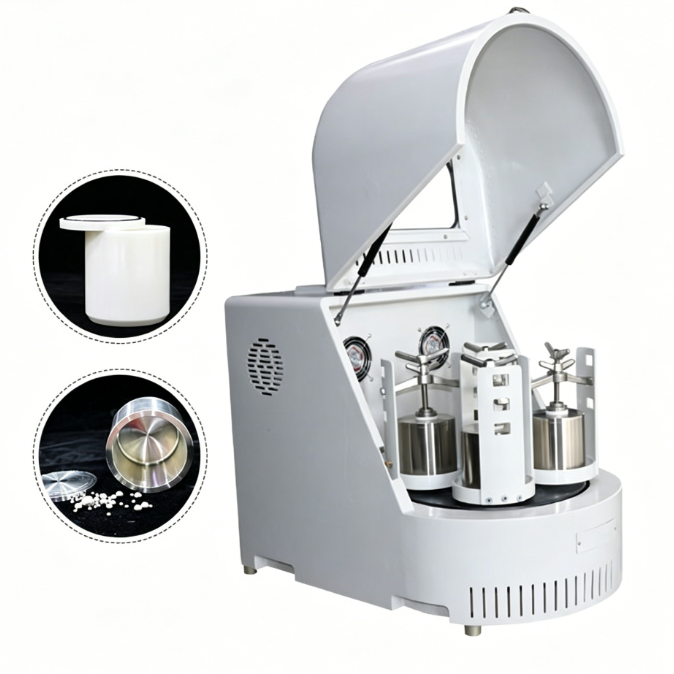
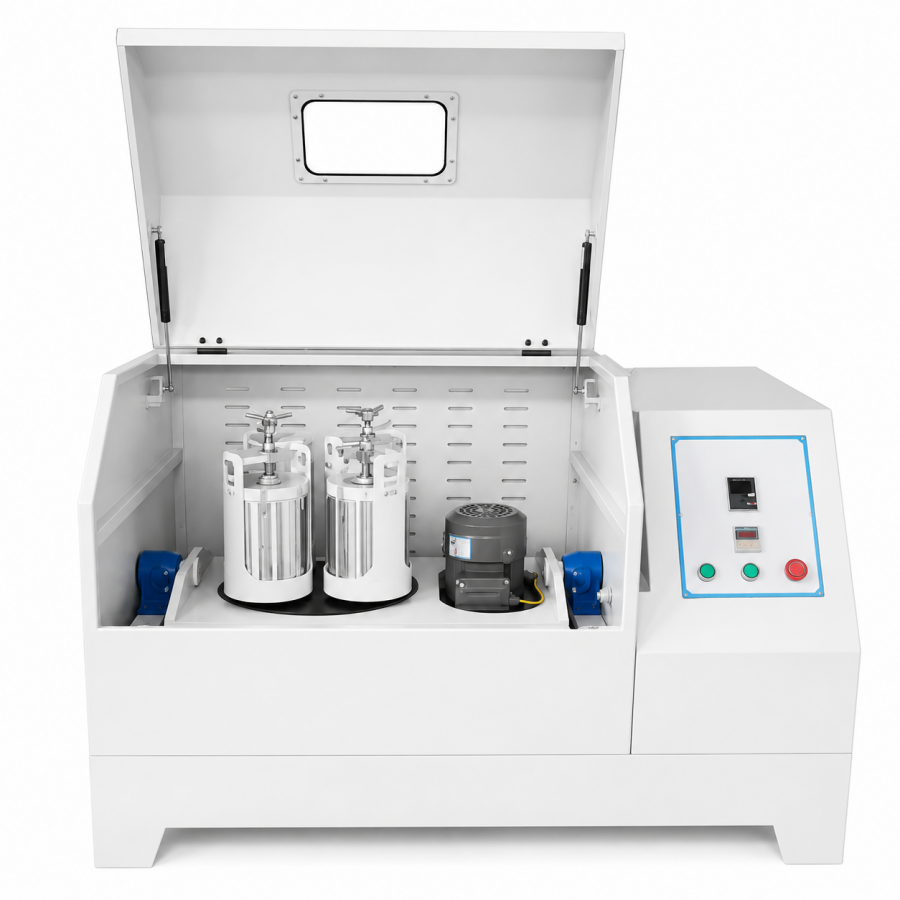
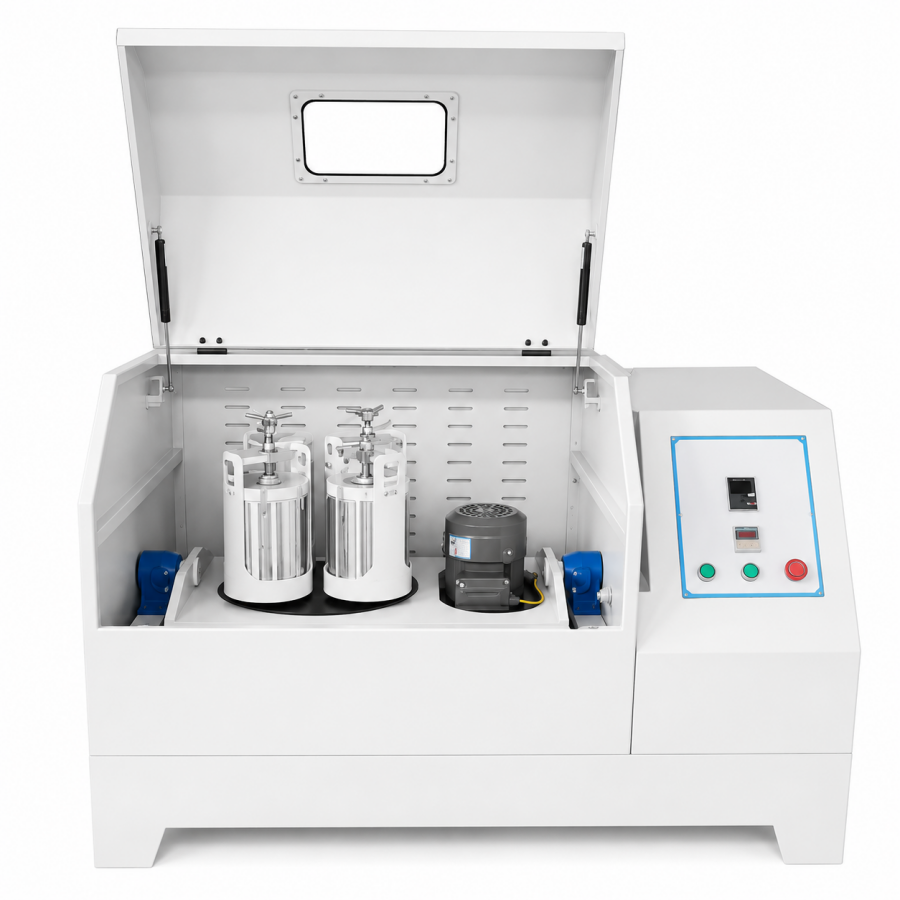
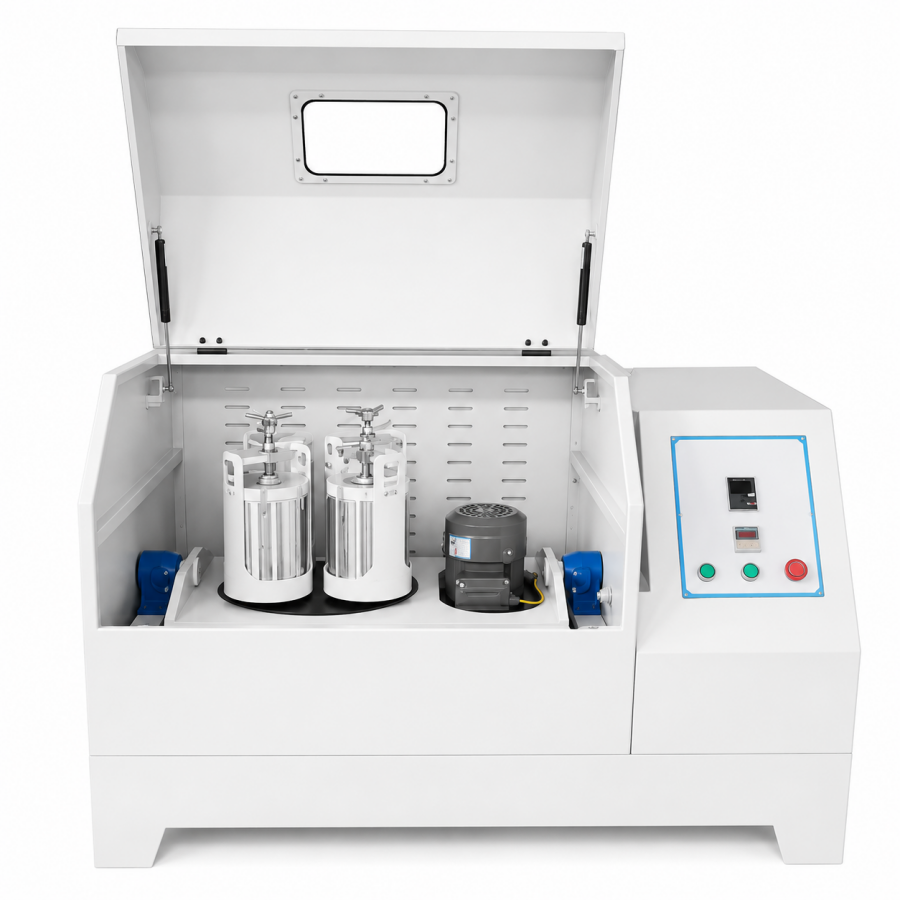
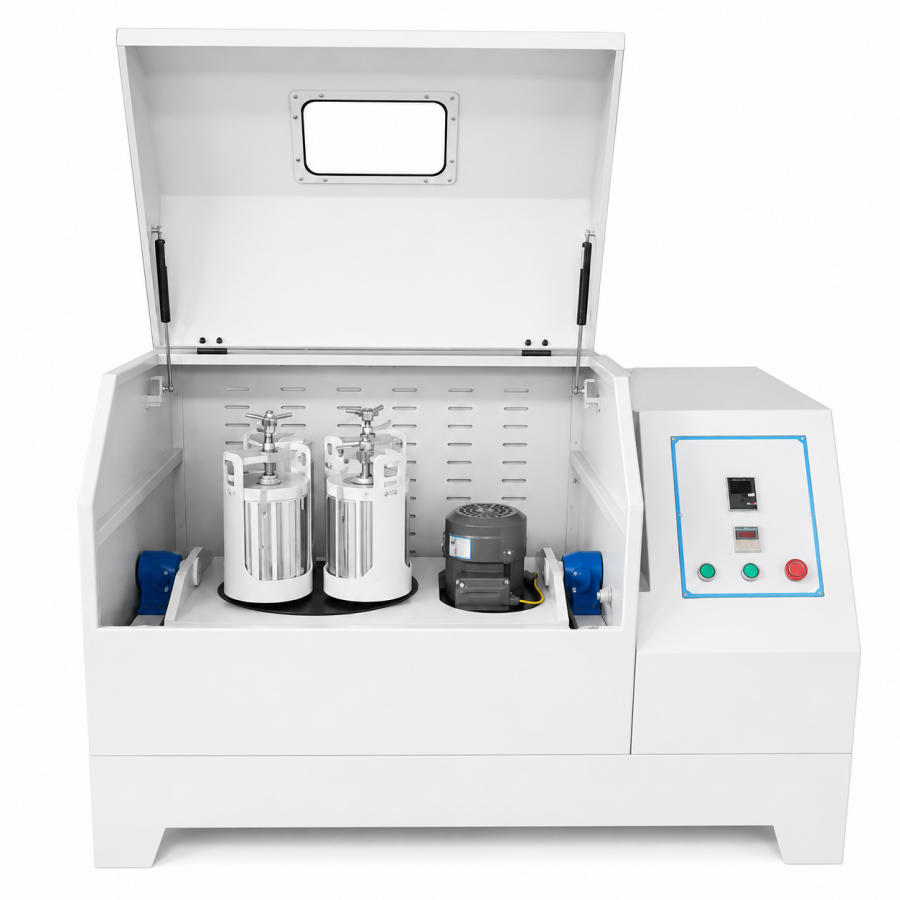
Required Equipment: Ball mill (planetary, vibratory, stirred, or roller), Agate ball mill jar
- Inspect Balls
Inspect the agate grinding balls for any visible chipping, cracking, or white powder shedding before each use. - Select Appropriate Jar
Select an agate ball mill jar that matches the ball material to prevent jar wall scratching and contamination. - Load Balls and Sample
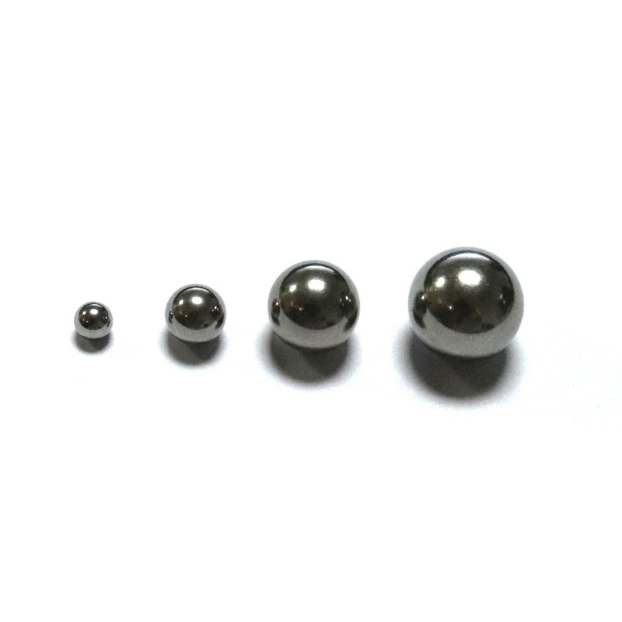
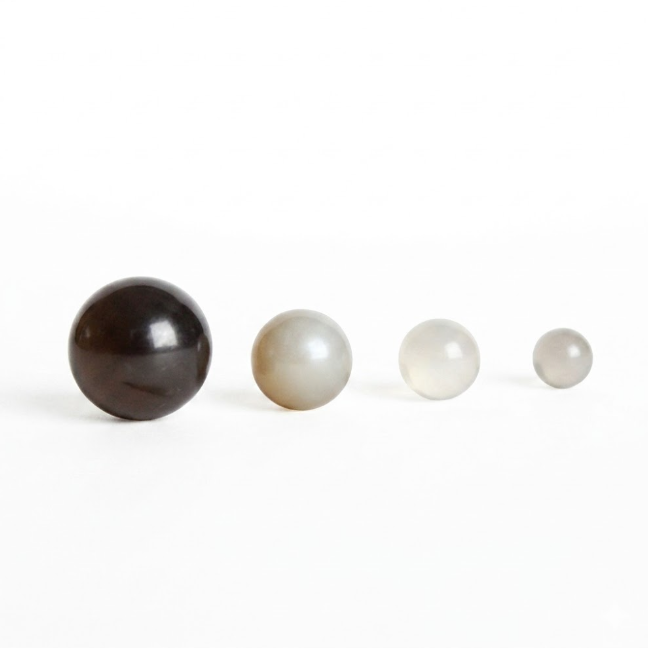
Load the mixed-size agate balls (Φ15mm, Φ8mm, Φ5mm) and the sample into the jar according to the recommended 4:2:1 ball ratio. - Set Grinding Parameters
Set the grinding speed and duration based on the material hardness, avoiding ultra-high dry speeds to prevent ball edge chipping. - Post-Grinding Inspection and Cleaning
After grinding, remove the balls, inspect them for damage, and clean them thoroughly to prevent cross-contamination between samples.
How does the mixed-size ratio (4:2:1) of Φ15mm, Φ8mm, and Φ5mm agate balls improve grinding efficiency compared to single-diameter media?
The optimized 4:2:1 quantity ratio of large (Φ15mm), medium (Φ8mm), and small (Φ5mm) balls delivers significantly higher efficiency than single-diameter media. Large balls provide primary impact force for breaking large particles, medium balls further refine particles, and small balls increase contact points for final fine grinding and homogenization—critical for achieving uniform nano-scale particle size. This multi-ball size ratio approach is explicitly stated as delivering significantly higher efficiency than single-diameter media.
Can agate grinding balls be used with corundum or zirconia ball mill jars?
No, agate grinding balls must only be paired with agate ball mill jars to prevent jar wall scratching and damage. The product explicitly states: 'Strictly follow the principle: agate jars only with agate balls. Never use corundum, zirconia, stainless steel, or WC cemented carbide balls in agate jars.' Using high-hardness balls or jar materials will directly crack and scratch the agate jar body, and hard materials will rapidly scratch and wear the agate balls, generating significant silicon debris contamination.
What critical operational precautions must be taken to avoid damaging agate grinding balls during high-energy milling?
Several precautions are essential: avoid rapid thermal shock (e.g., rapid water cooling after high-temperature grinding or rapid heating during frozen grinding) as it causes stress cracking; never use hydrofluoric acid (HF) as it corrodes the silica matrix; reduce speed and shorten grinding duration in high-speed planetary milling to prevent edge chipping and fracture; and immediately discard balls showing chipping, cracking, or white silicon powder shedding to prevent excess silicon impurity contamination. These measures are directly specified in the product's important notice section.
This 1 kg mixed-size agate grinding ball set (Φ15, Φ8, Φ5 mm) offers zero-metal contamination for trace element analysis, with a 4:2:1 ratio optimized for efficient grinding. However, it is limited to materials softer than Mohs 7 and requires careful handling to avoid impact fracture.
Positive
- Zero Metal Contamination for Trace Analysis: Releases only trace silicon; no Fe, Cr, Ni, Al, or W, making it the national standard medium for geological, agricultural, and pharmaceutical trace element testing.
- Optimized Mixed-Size Grinding Efficiency: The 4:2:1 ratio of Φ15mm, Φ8mm, and Φ5mm balls provides primary impact, intermediate refinement, and final fine grinding for superior homogenization compared to single-diameter media.
Trade-offs
- Not Suitable for High-Hardness Materials: Materials with Mohs hardness >7, such as quartz, corundum, or silicon carbide, will rapidly scratch and wear the agate balls, causing contamination and potential shattering.
- Brittle Under High-Energy Impact: Agate balls have higher brittleness; ultra-high rotation speeds or large ball-to-powder ratios in planetary mills can cause edge chipping or fracture. Speed and duration must be reduced for sensitive applications.
Every advanced material, component, equipment, and instrument in our catalog is backed by rigorous testing. We maintain strict internal quality management frameworks and align with CE conformity metrics to deliver transparent, reproducible performance data via our public open-science repository.
To request raw batch performance data, submit formal vendor registration paperwork, or execute a fast-turnaround R&D manufacturing loop, contact us at inquiry@atomfair.com.
Item is dispatched under the Atomfair Shipping & Delivery Framework (Free worldwide shipping on orders over $59 USD excl. heavy equipment). Return is governed by the Atomfair Return & Refund Policy (7-day technical return window).